Why Roof Top Tents Matter
Roof top tents provide integrated elevated shelter, but safe value depends on verified roof compatibility, stable deployed support, weather management, and daily-use tradeoffs.

Reviews You Can Trust
Roof top tents provide integrated elevated shelter, but safe value depends on verified roof compatibility, stable deployed support, weather management, and daily-use tradeoffs.
Recovery equipment turns an immobilization into a controlled load problem by reducing resistance, using rated connections, managing stored energy, and protecting people.
Off-road and overlanding capability comes from balanced mobility, recovery, load, shelter, resource, and information systems—not from carrying every accessory.
Auxiliary lighting is valuable when a controlled beam solves one defined visibility task without masking required lamps, creating glare, or compromising the vehicle’s electrical system.
Windshield visibility depends on transmission, low scatter, effective wiping and defogging, sound glazing, restrained reflections, and unobstructed calibrated sensor zones.
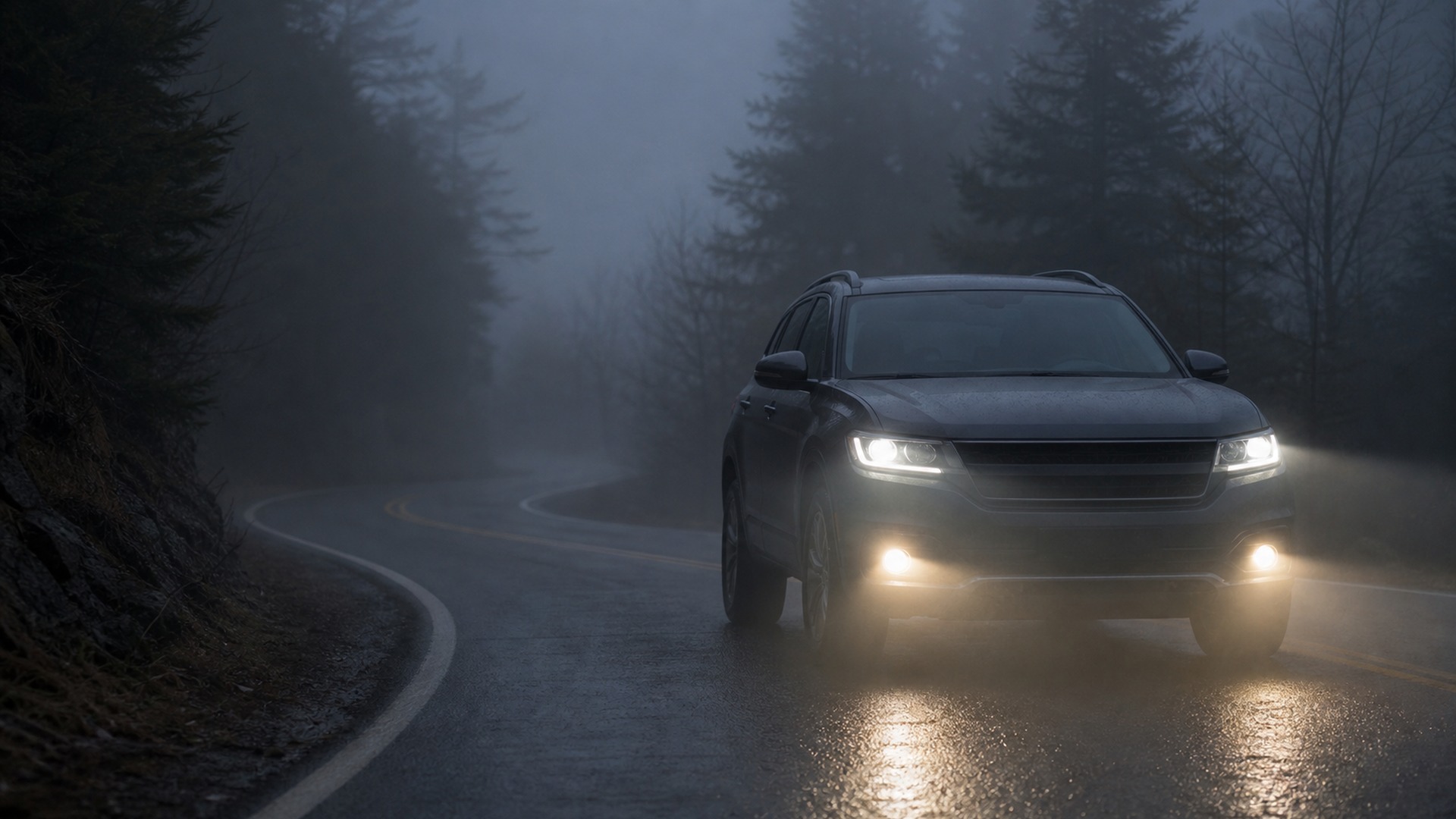
Fog lights can improve nearby lane-edge contrast with a low controlled beam, but safe use still depends on clear glazing, low beams, reduced speed, and sufficient stopping distance.
Use light bars for broad controlled off-road or work-area illumination and driving lights for directed lawful road reach, with optics, glare, wiring, and mounting verified.
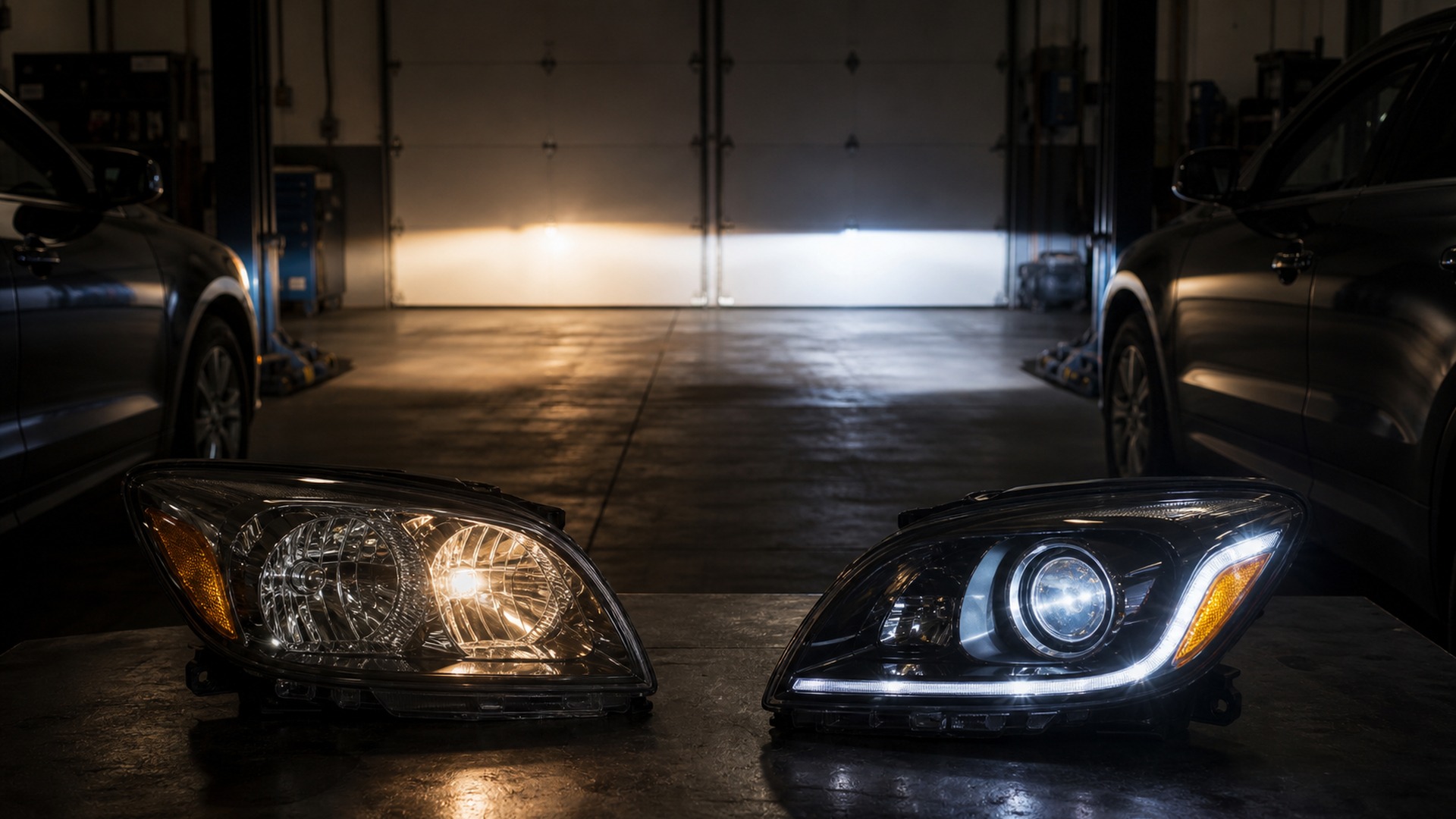
Projector headlights image an internal shield through a lens; reflector headlights direct ray bundles from a shaped bowl, while complete-system design decides performance.
LED and halogen headlights create and manage light differently, but optics, aim, cooling, service design, and measured beam performance decide which system works better.
Vehicle visibility is a two-way system: drivers must recognize hazards in time, while others must detect the vehicle and understand its movement and intent.
LED headlights enable compact, efficient, controllable lighting, but optics, thermal management, drivers, aim, software, sealing, and service determine real performance.
Vehicle visibility comes from controlled beam patterns, recognizable signals, clear glazing, correct aim, maintained optics, and weather-aware operation—not brightness alone.