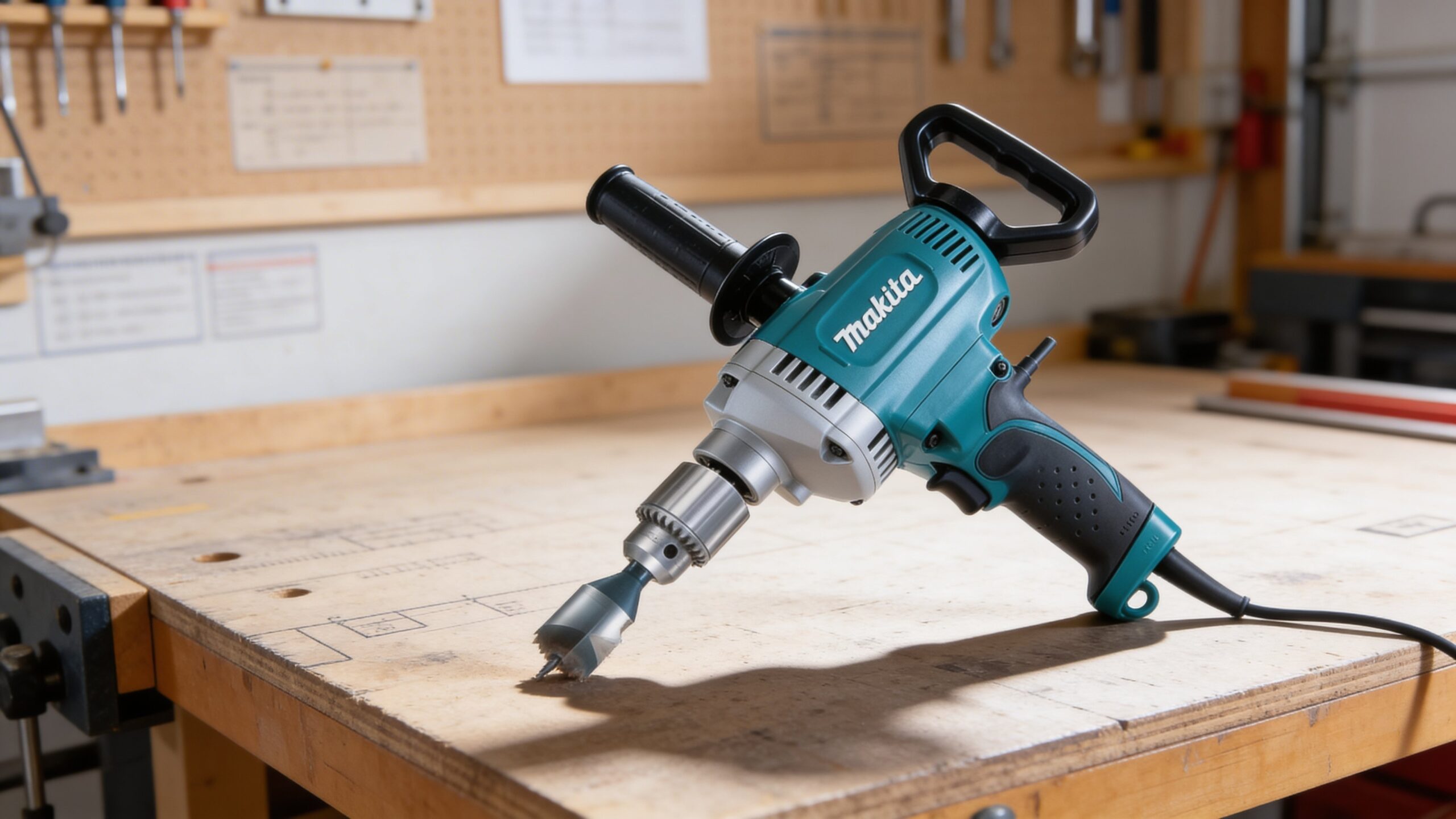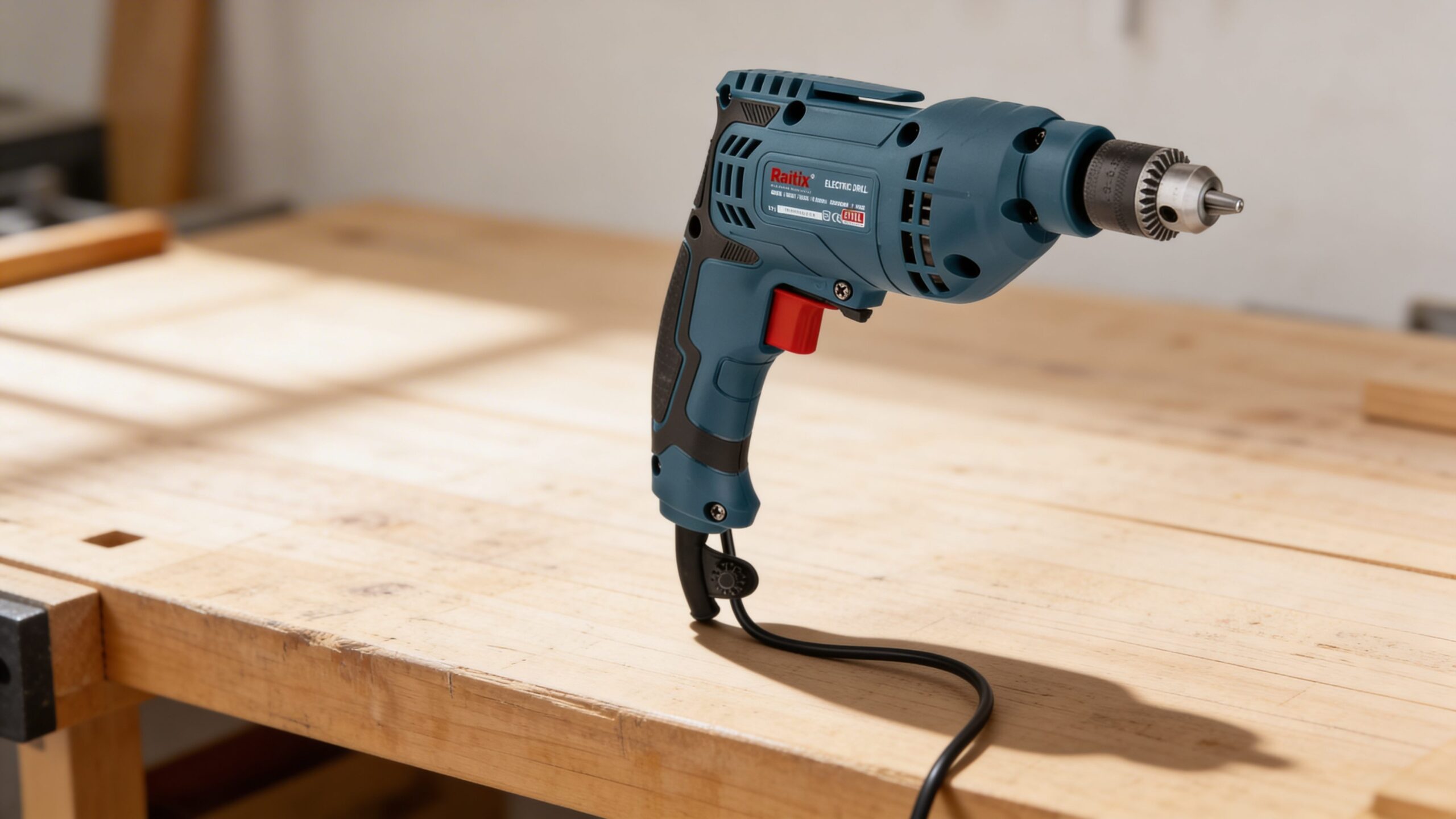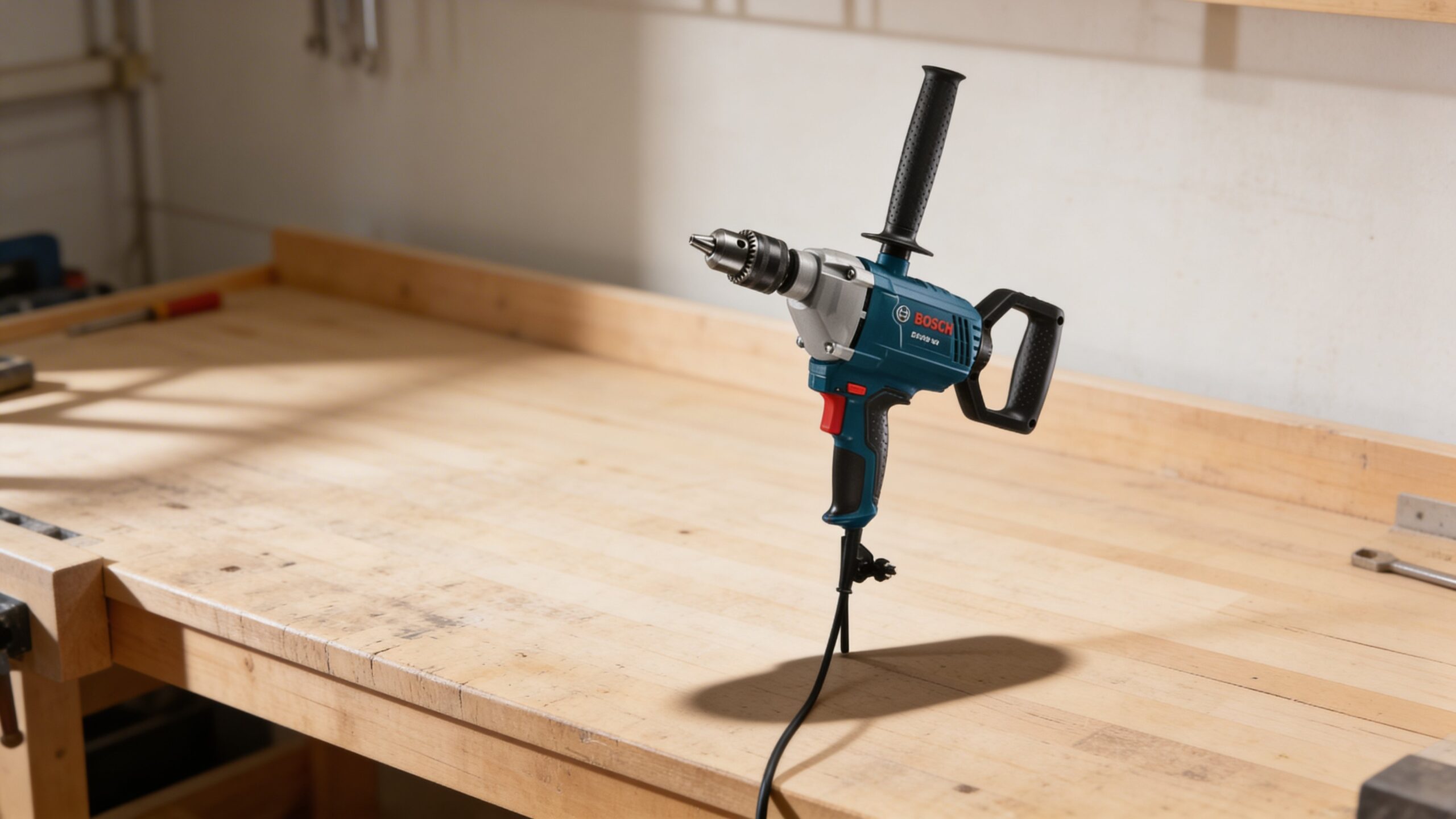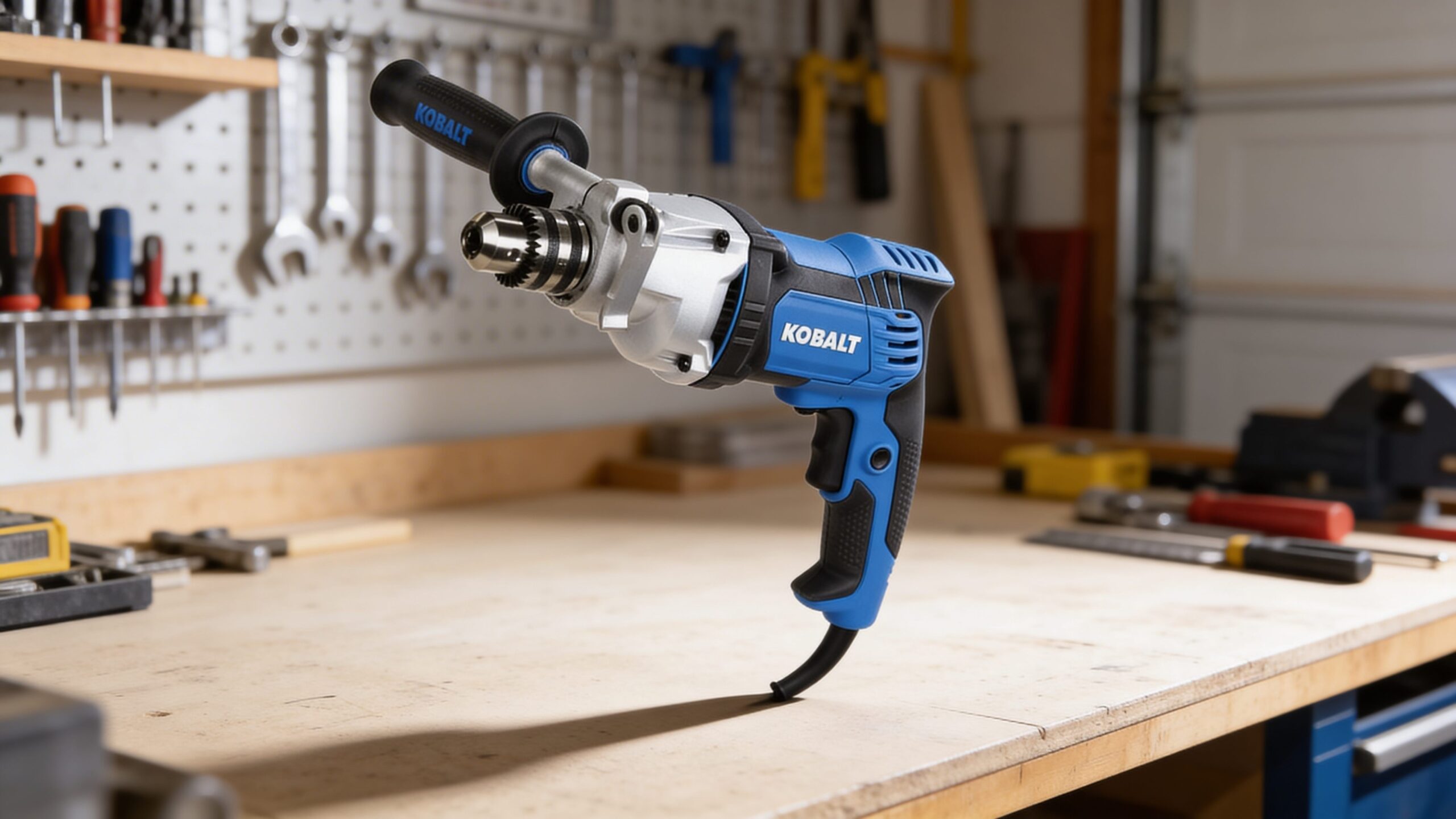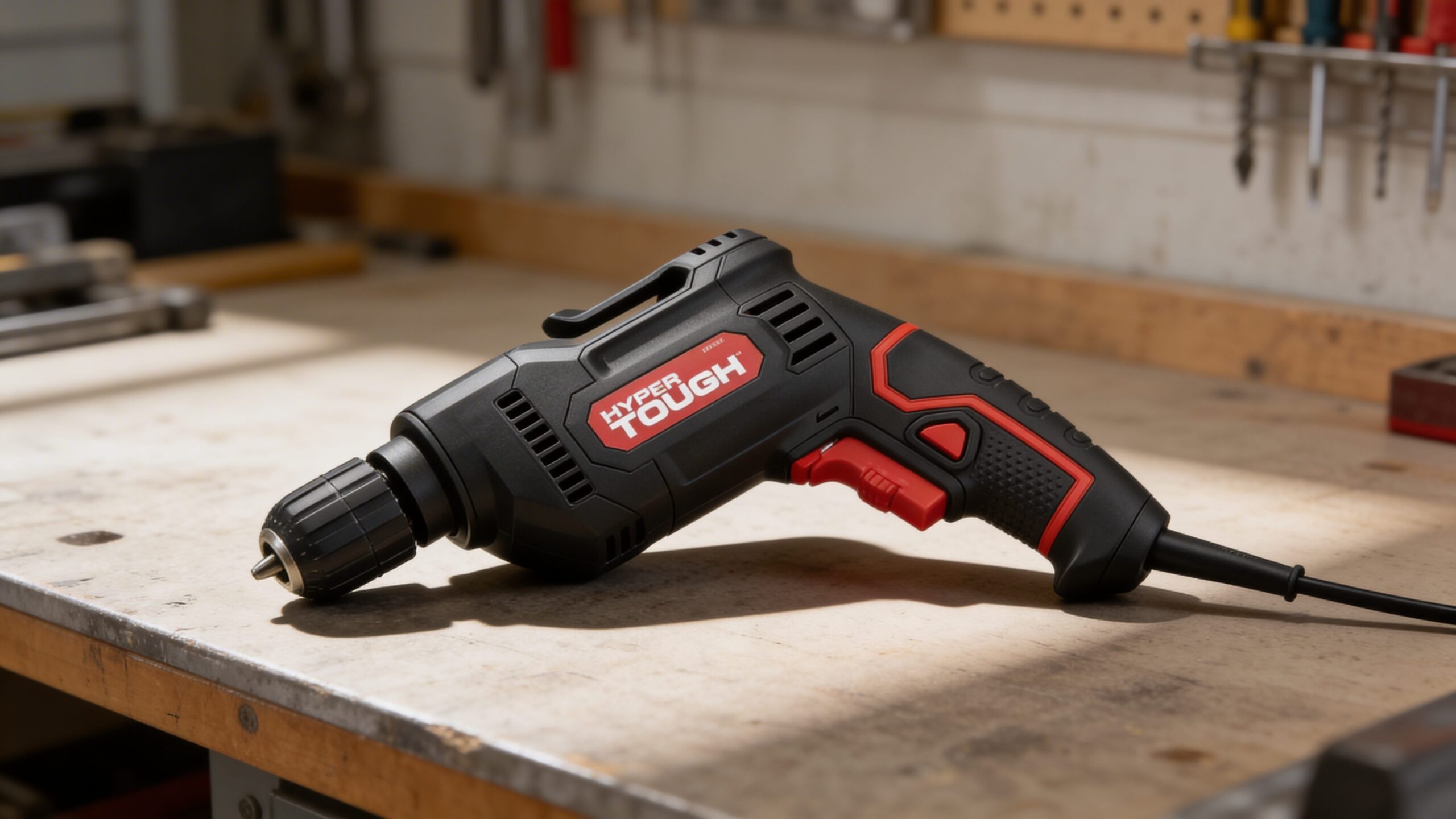
How Corded Drills Torque Is Generated
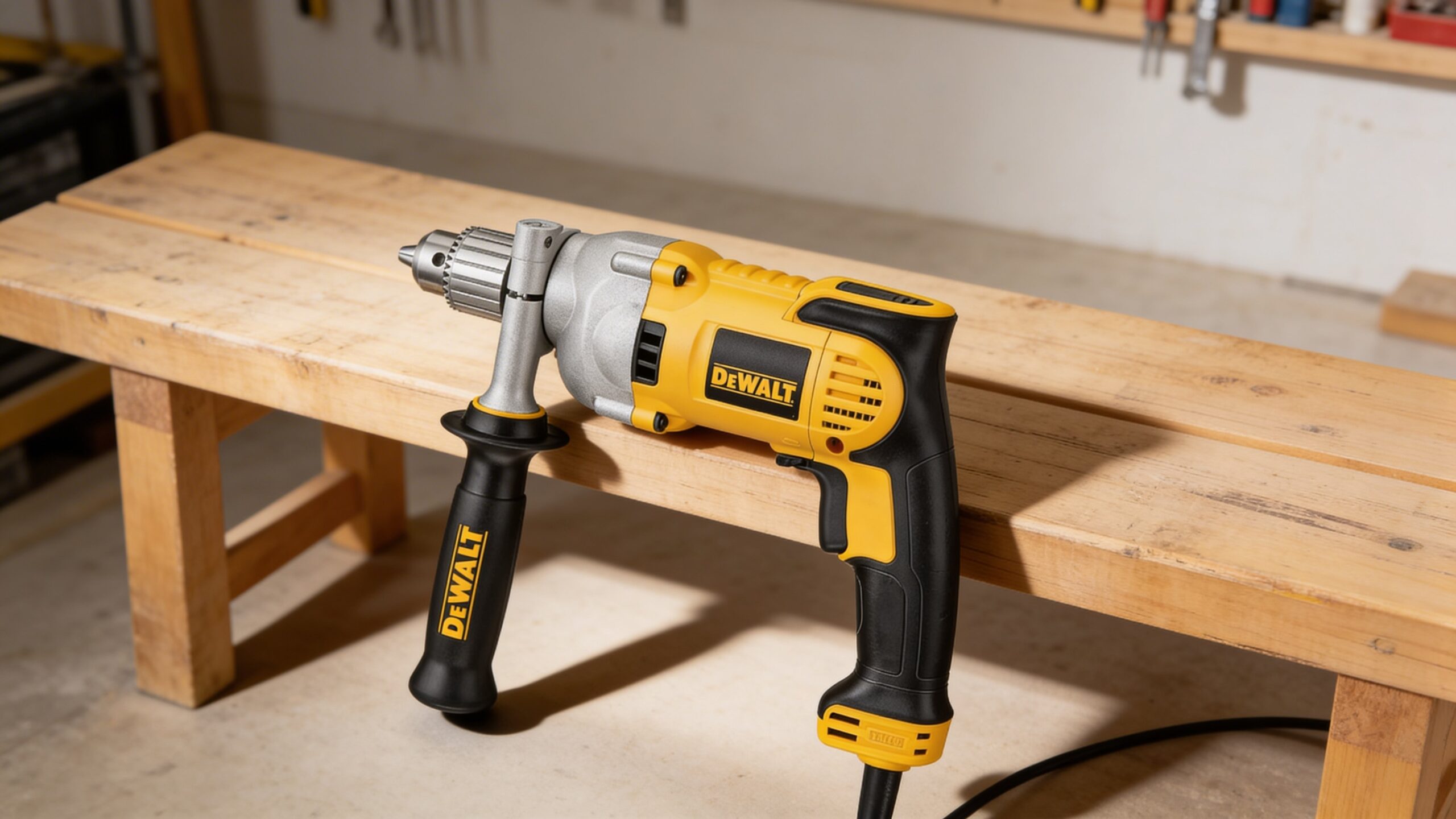
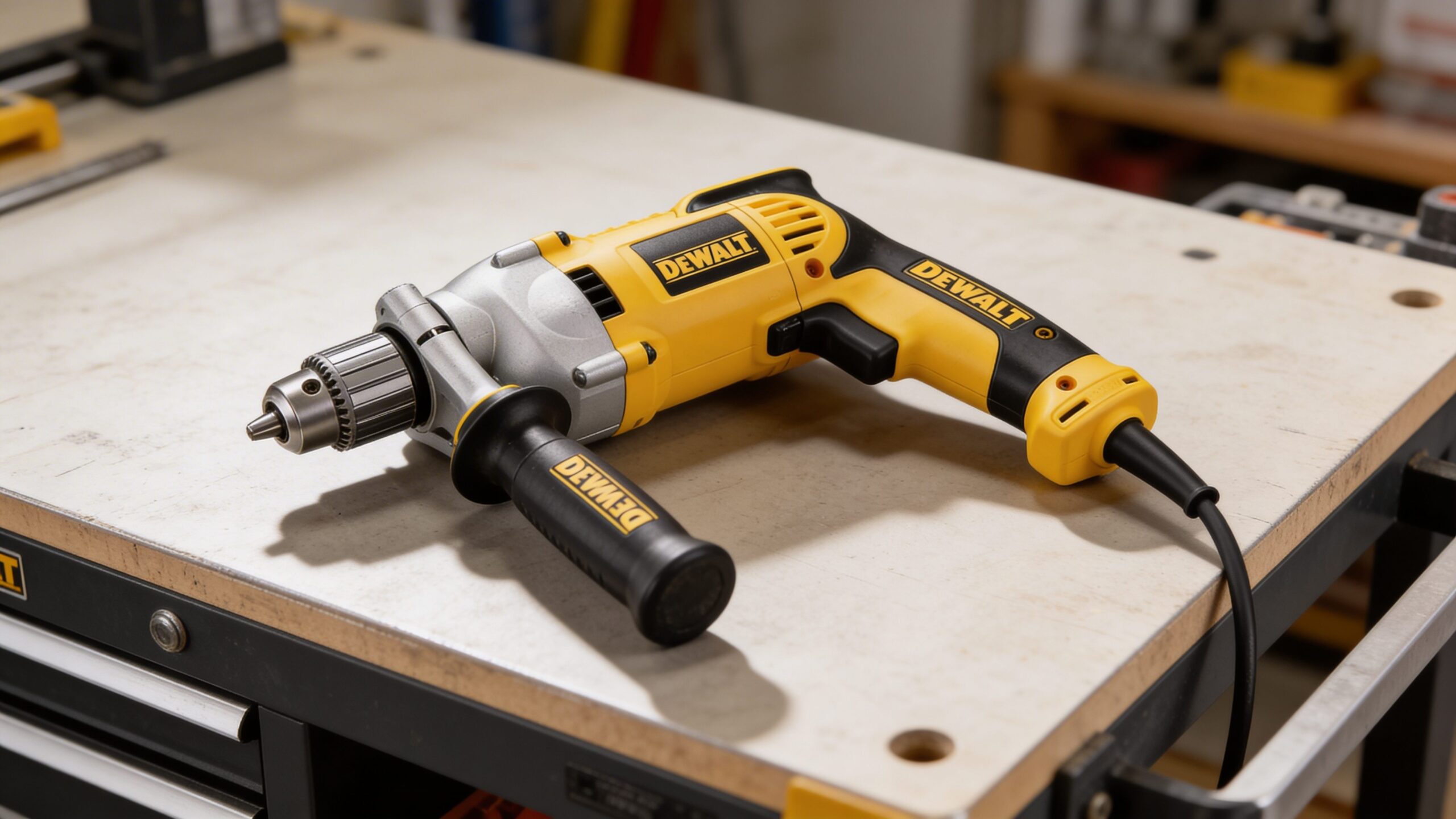
See how corded drills turn continuous electrical power into relentless torque—and why that matters when heavy-duty work demands zero compromise.

Reviews You Can Trust
See how corded drills turn continuous electrical power into relentless torque—and why that matters when heavy-duty work demands zero compromise.
Dial in perfect consistency every time—discover why variable-speed mixing drills give you total control over power, texture, and results.
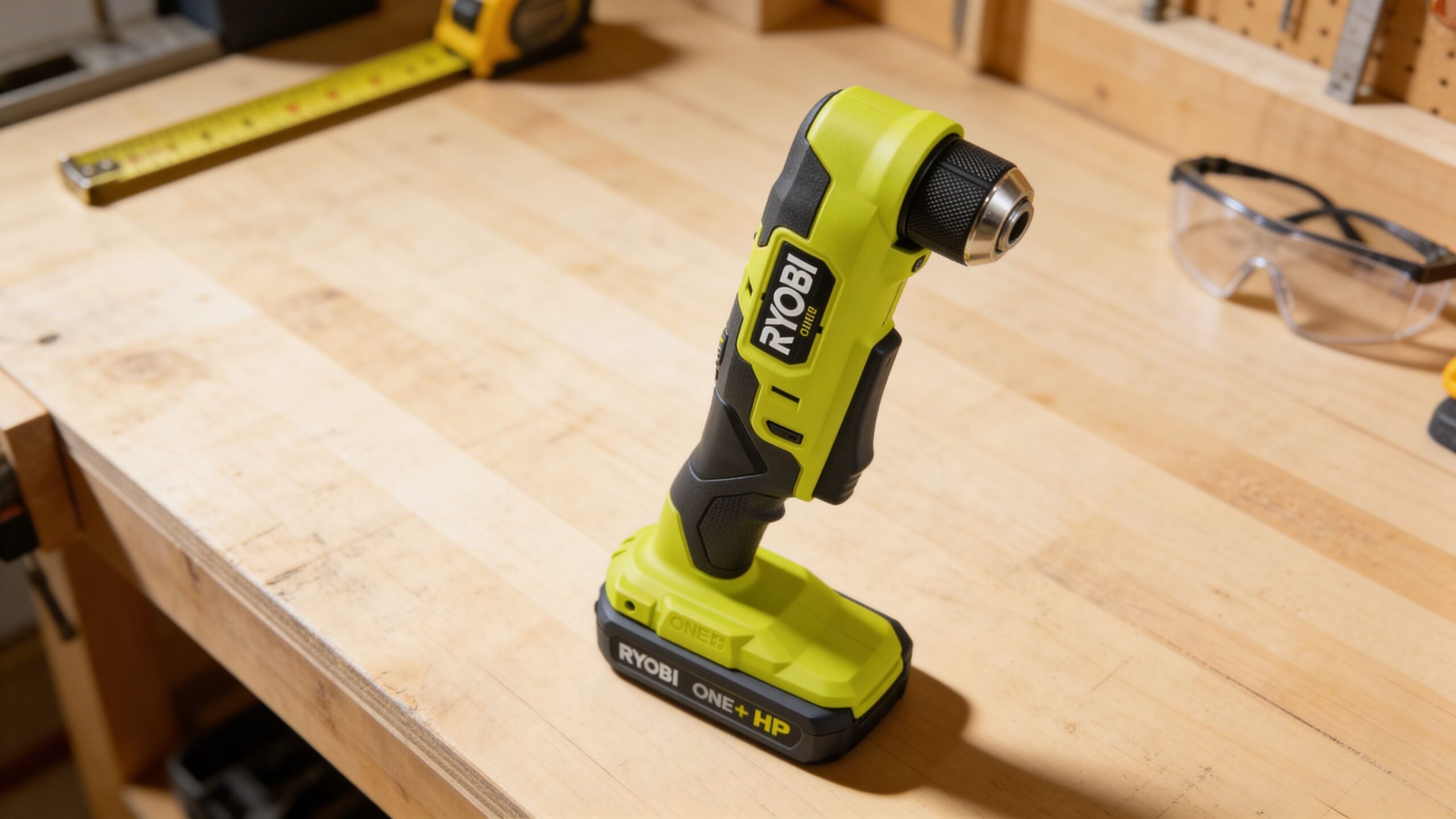
Discover how right-angle drills deliver compact power and precision, turning impossible angles into smooth, controlled drilling.
Bosch HD18-2 vs DeWalt DCD996B—two heavy-hitting hammer drills built for serious work. We break down power, torque, durability, speed settings, and real-world performance to reveal which tool dominates on concrete, masonry, and demanding jobsite tasks. If you want the right drill for strength, control, and long-term reliability, this comparison delivers the answers.
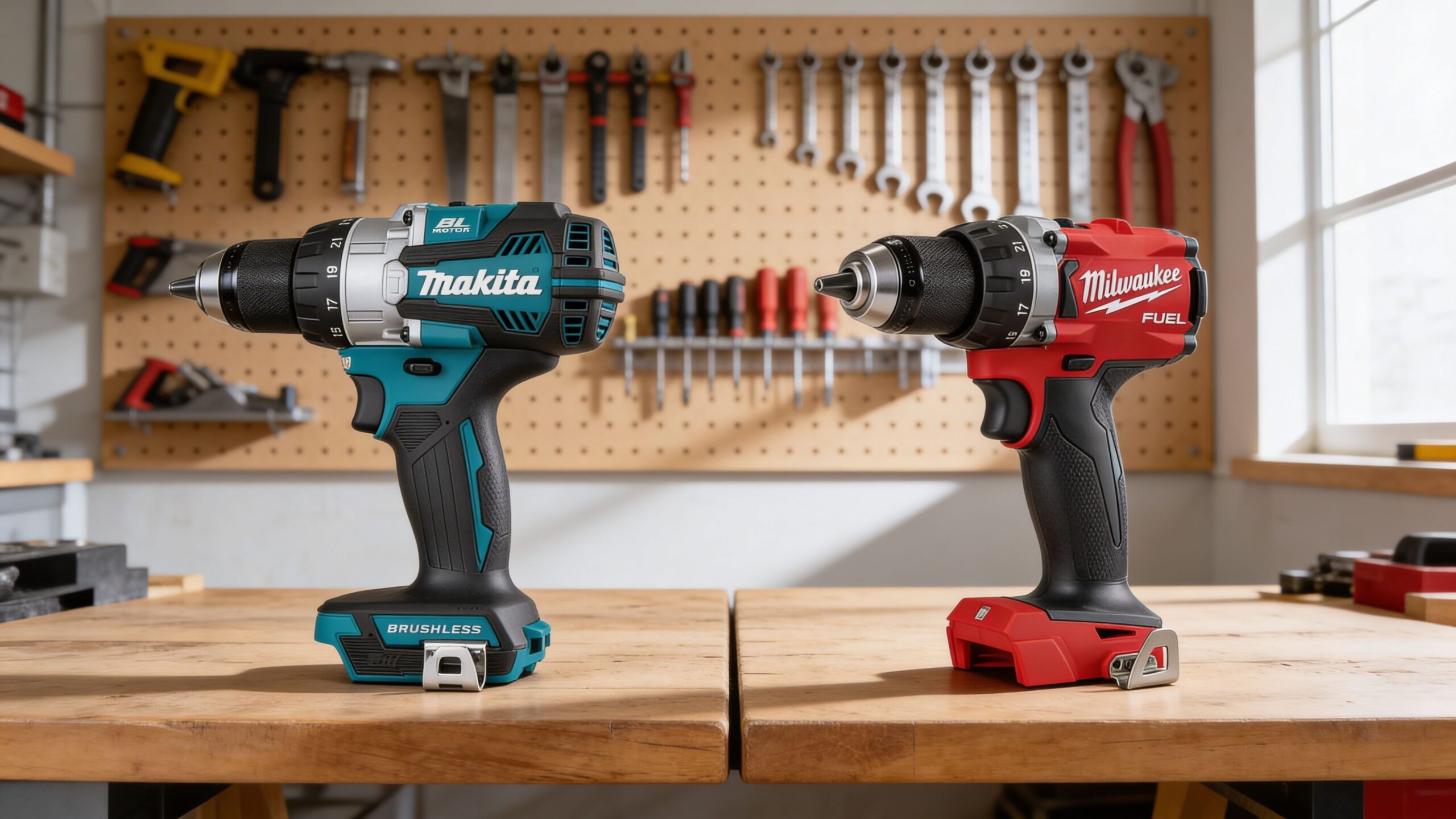
Milwaukee 2904-20 vs Makita XPH07Z — two powerhouse hammer drills built for serious work. We break down torque, speed, durability, ergonomics, and real-world jobsite performance to help you decide which delivers the edge for drilling, driving, and concrete impact tasks.
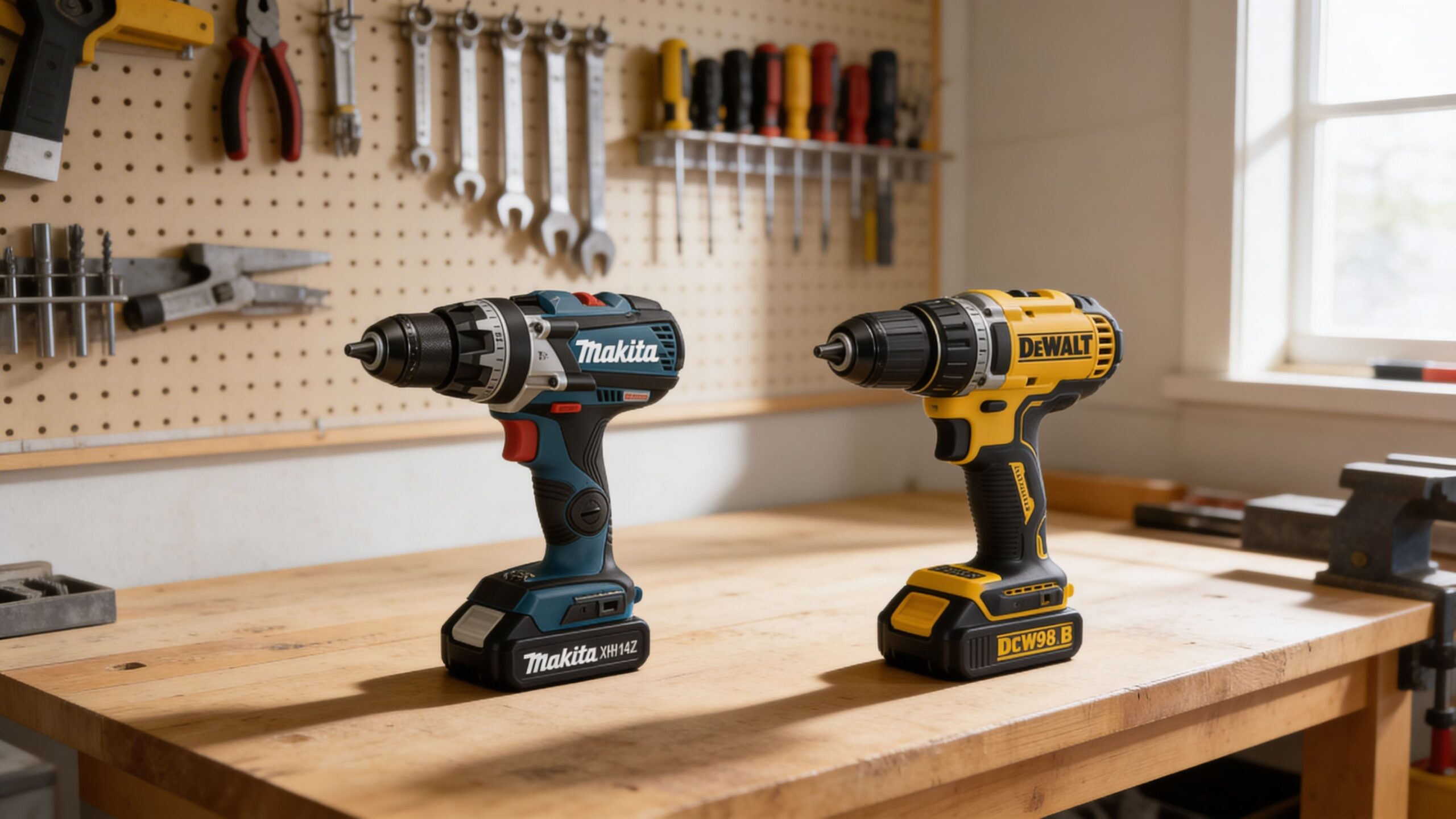
Makita XPH14Z vs DeWalt DCD998B goes head-to-head in a detailed, real-world comparison built for serious decision-makers. Explore how each hammer drill balances power, control, size, and durability, and see where the differences truly matter before choosing the right tool for your next project.
Uncover what sets mixing drills apart—built for torque, control, and nonstop blending where standard drills quickly fall behind.
Unlock real power at the trigger—learn why corded drill motor amperage determines strength, endurance, and how hard you can push.
Tap into nonstop power—discover what truly separates corded drills from cordless when performance, runtime, and heavy-duty strength really matter.
Know exactly when to plug in—discover why corded drills dominate for nonstop power, heavy loads, and jobs that won’t quit.
Know when muscle matters—discover why mixing drills outperform standard drills for thick materials, heavy loads, and nonstop blending power.
Experience uninterrupted muscle—learn why corded drill power delivery keeps torque consistent and performance rock-solid when serious work is on the line.