Why GPS Navigation Devices Safety Factors Matters
Navigation helps only when it preserves road view, limits interaction, respects real restrictions, exposes uncertainty, stays secured and powered, and has a usable fallback.

Reviews You Can Trust
Navigation helps only when it preserves road view, limits interaction, respects real restrictions, exposes uncertainty, stays secured and powered, and has a usable fallback.
A visible map is not proof of complete navigation. Define and test acquisition, routing, guidance, traffic, recalculation, offline fallback, and recovery as separate states.
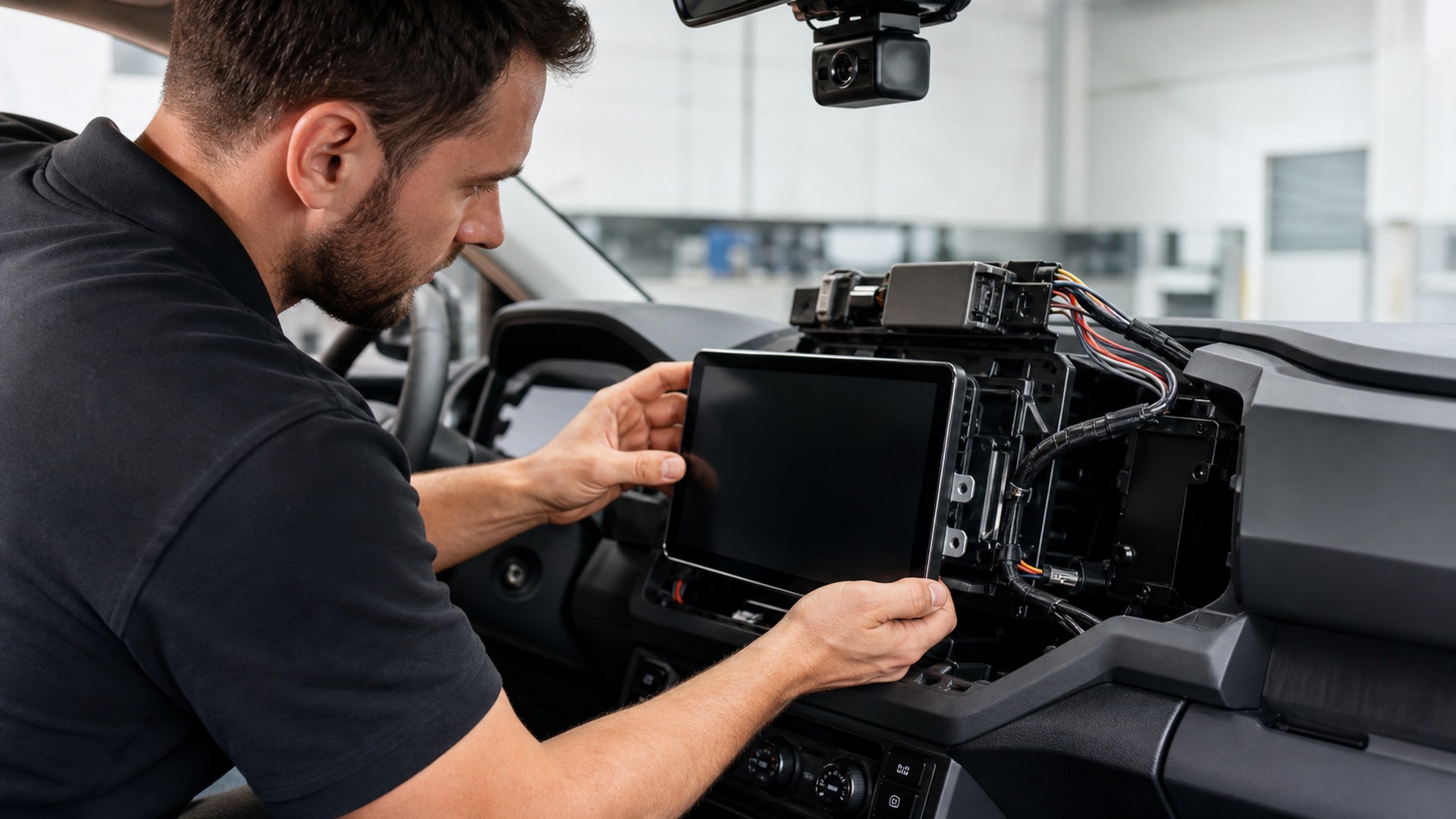
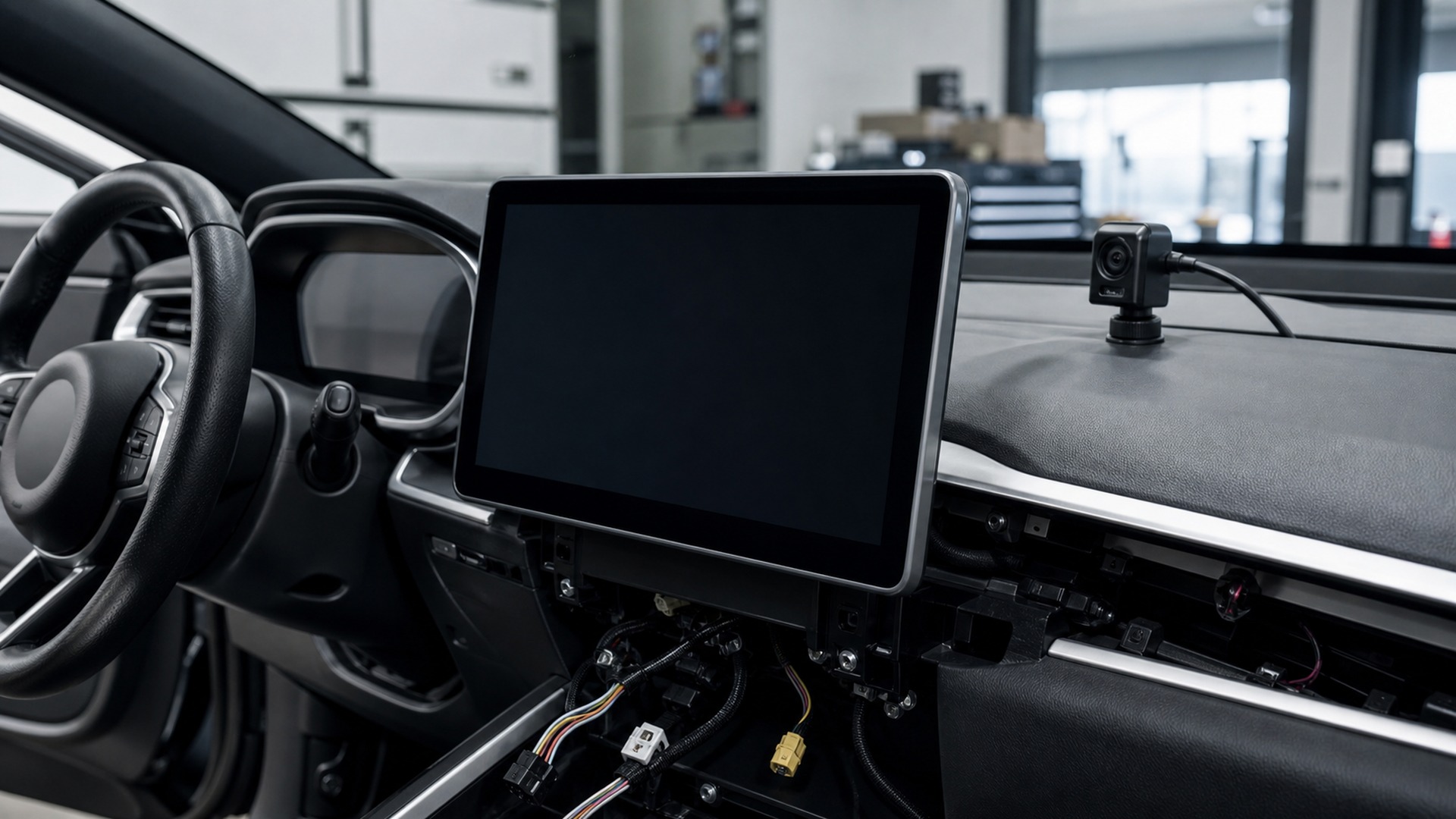
A dedicated navigator can add maps and route guidance without replacing working audio. Compare installation scope, specialized capability, and retained factory functions.
GPS navigation turns position and maps into maneuvers; car audio turns selected programs into cabin sound. Spoken directions cross both systems without merging them.
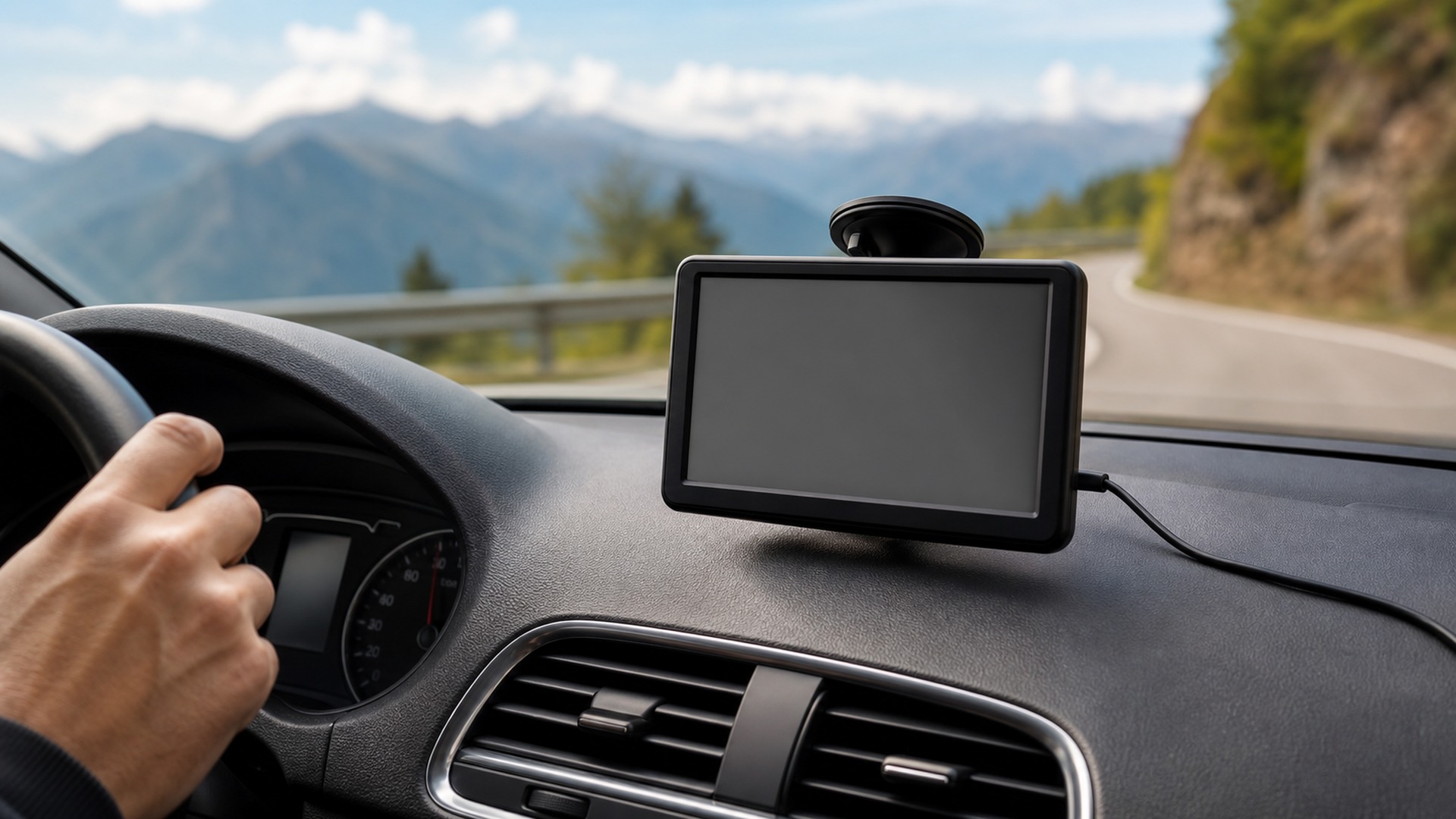
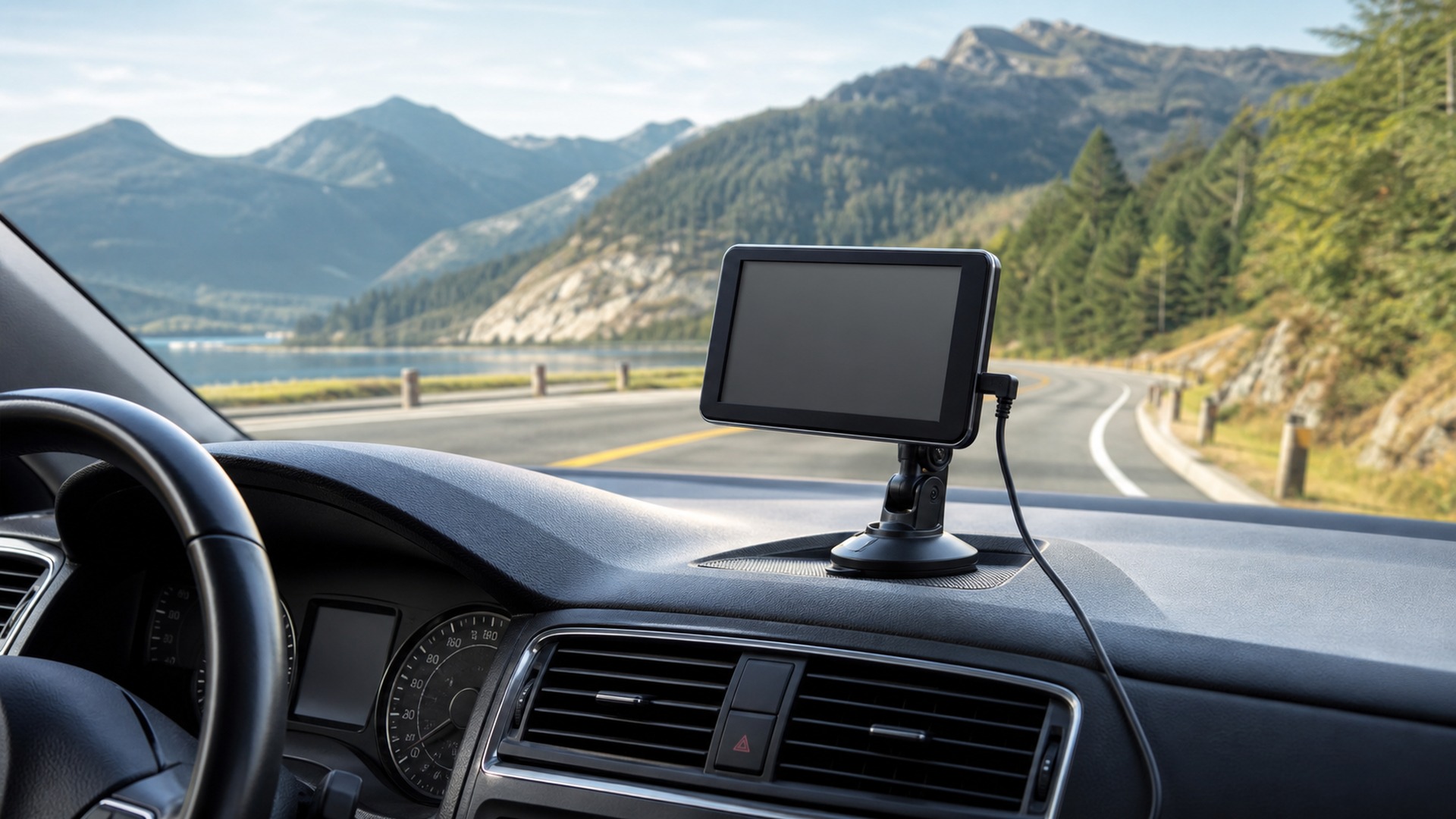
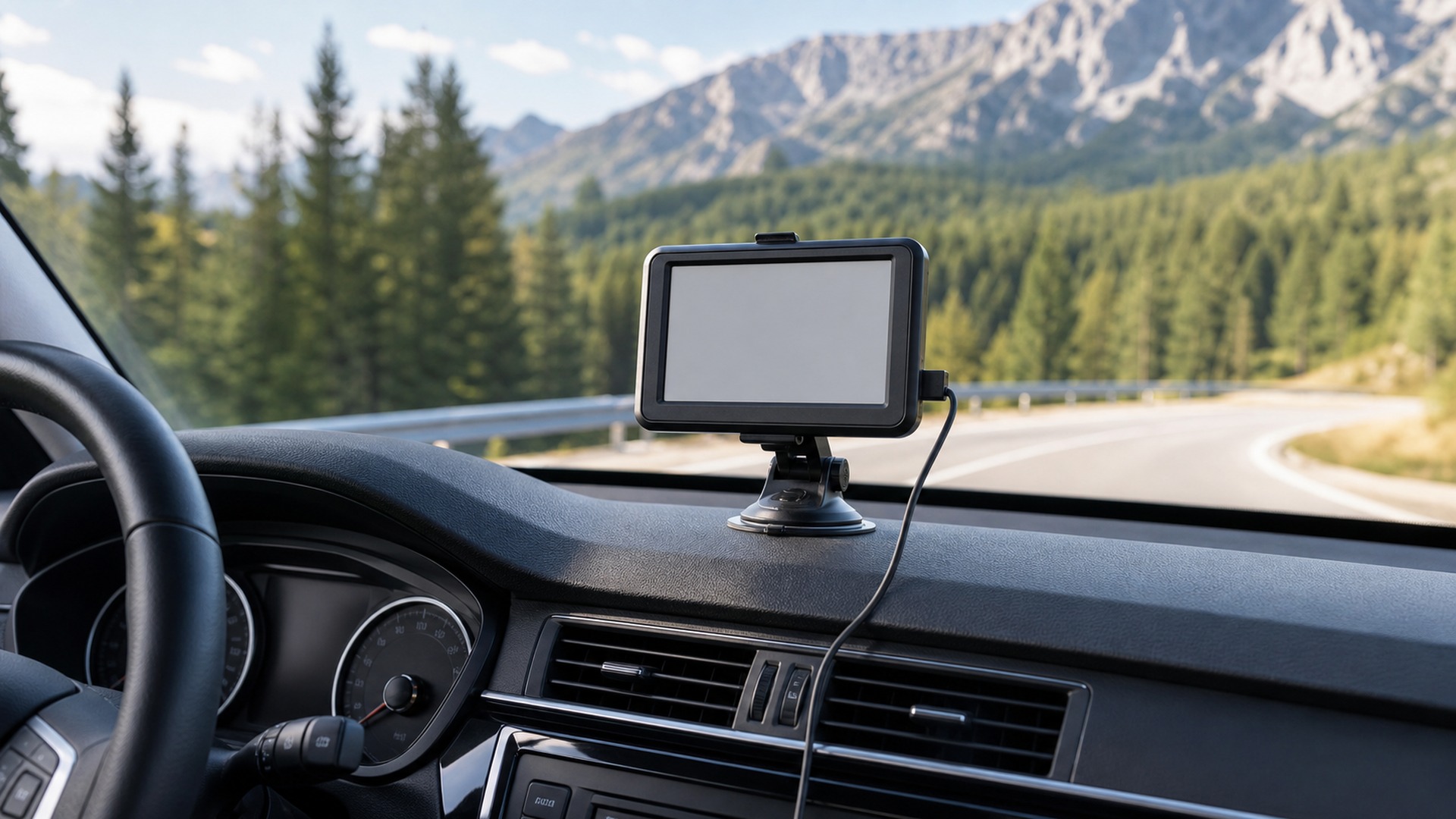
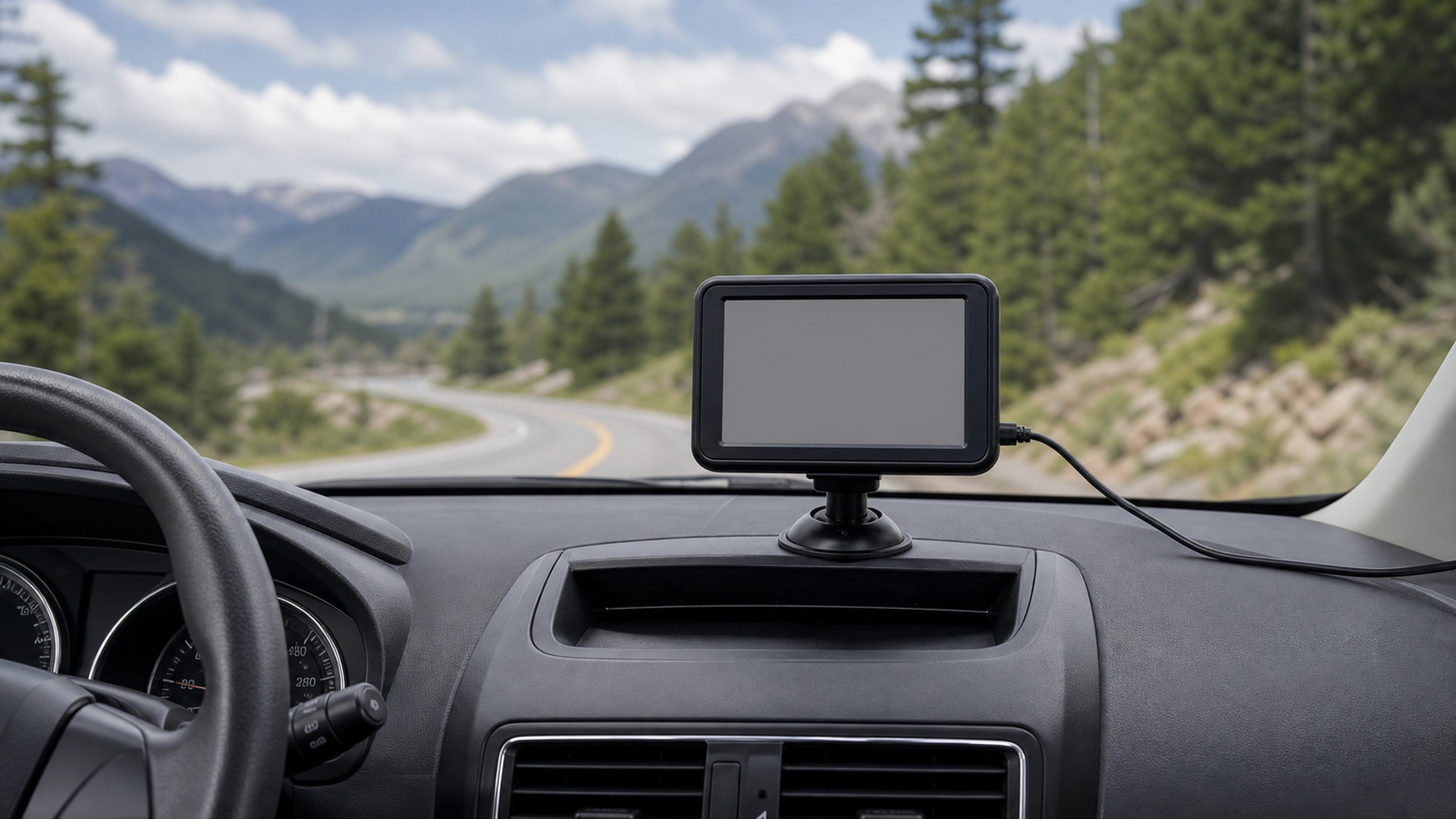
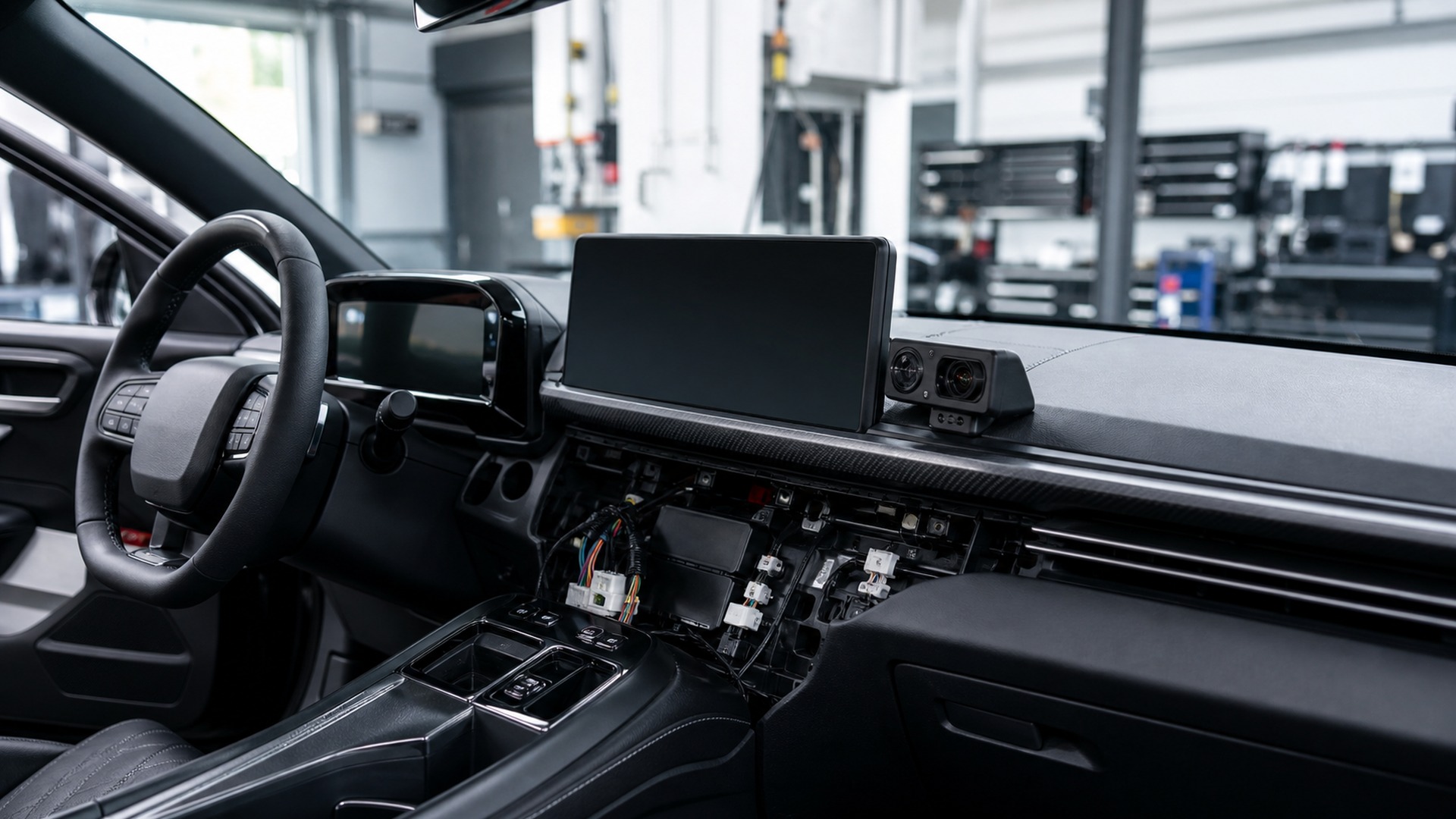
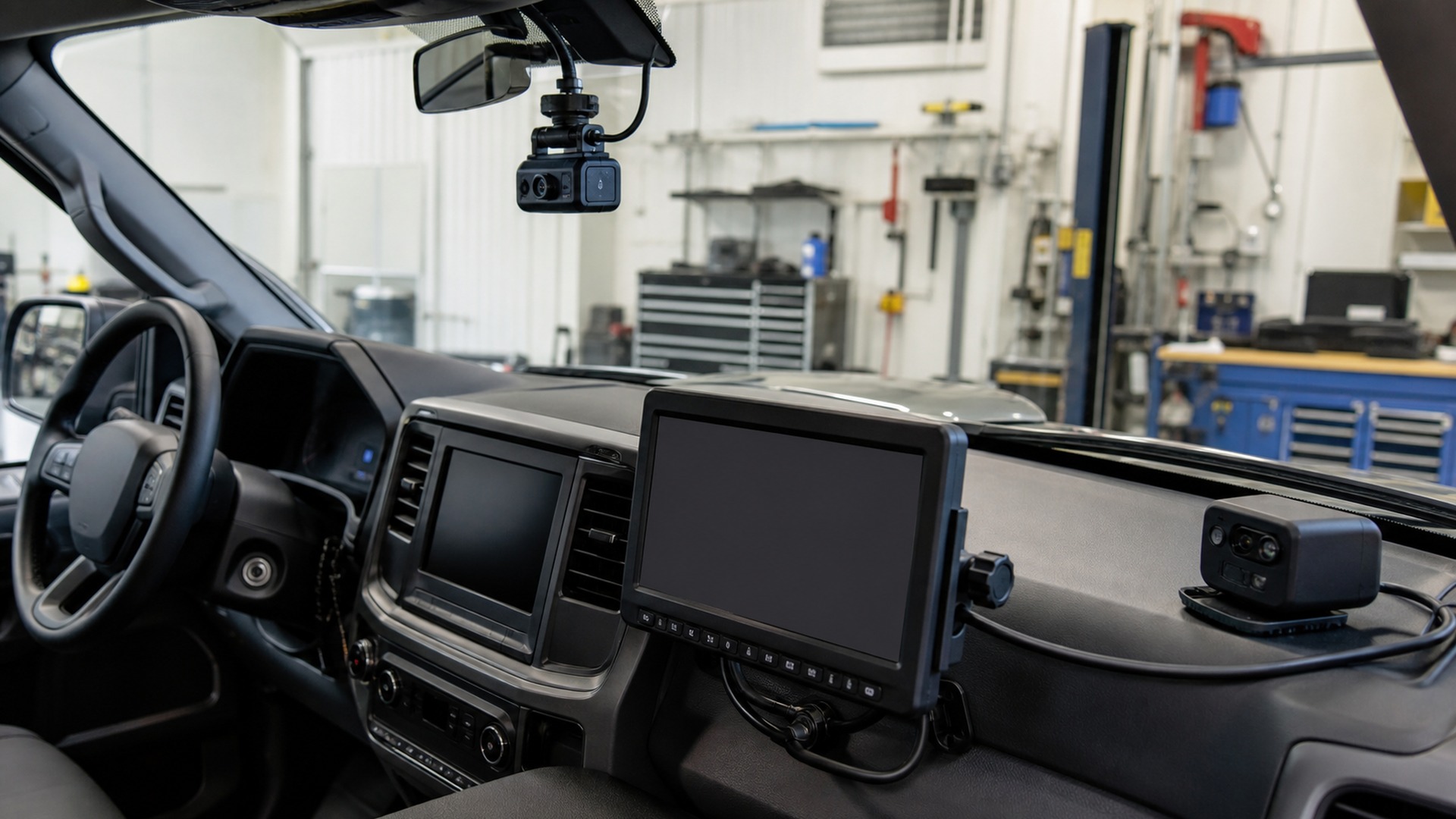
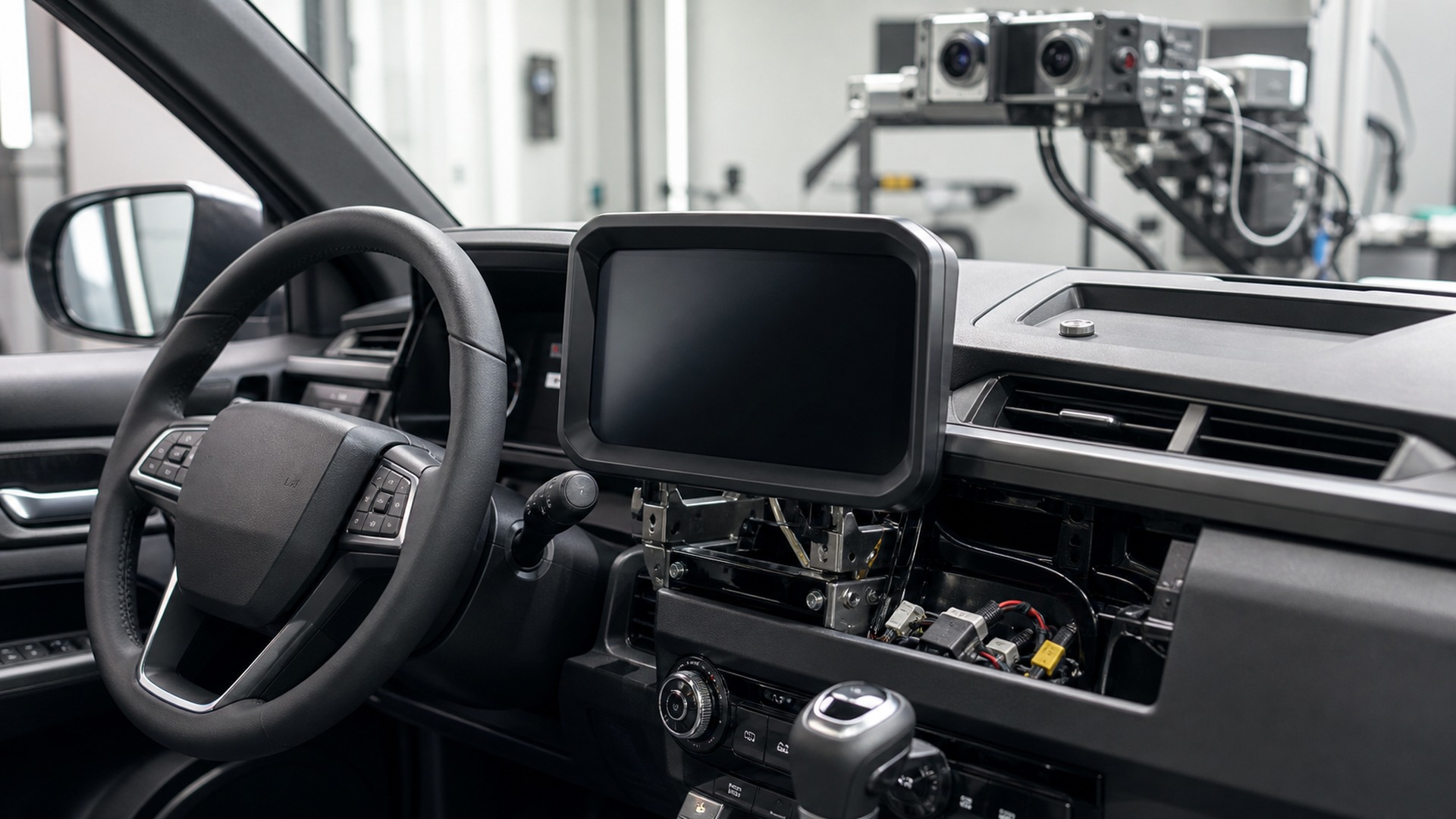
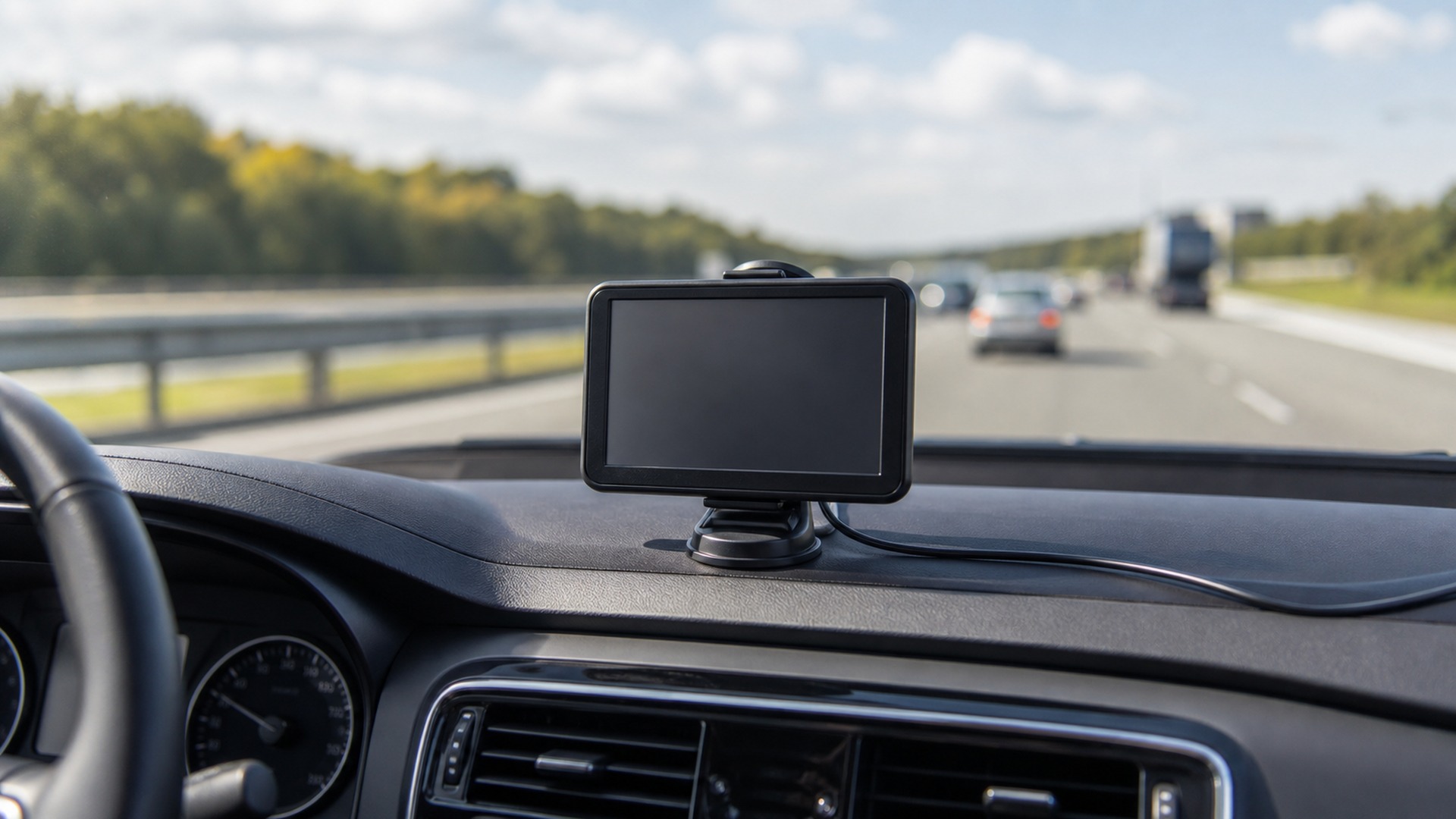
GPS fit is more than a suction cup. Reception, sightlines, restraint, power, maps, vehicle profile, prompts, heat, and service must work together.
GPS measures satellite timing; navigation then matches position to mapped roads, searches a route, and delivers maneuvers. Learn where uncertainty enters each layer.
Choose by the missing output: readable current state or controlled cabin sound. Shared screens and spoken prompts still require separate visual and acoustic tests.
A lit screen can still be dirty, loose, misconfigured, stale, or misleading. Maintain the full display chain and verify critical states after every change.
Driving displays select current state for immediate decisions; dash cameras preserve video history for later review. Learn why shared cameras still require separate presentation and recording tests.
A functioning display can still obstruct the road, demand long glances, hide warnings, glare at night, or show stale data. Learn the independent safety controls and acceptance tests.
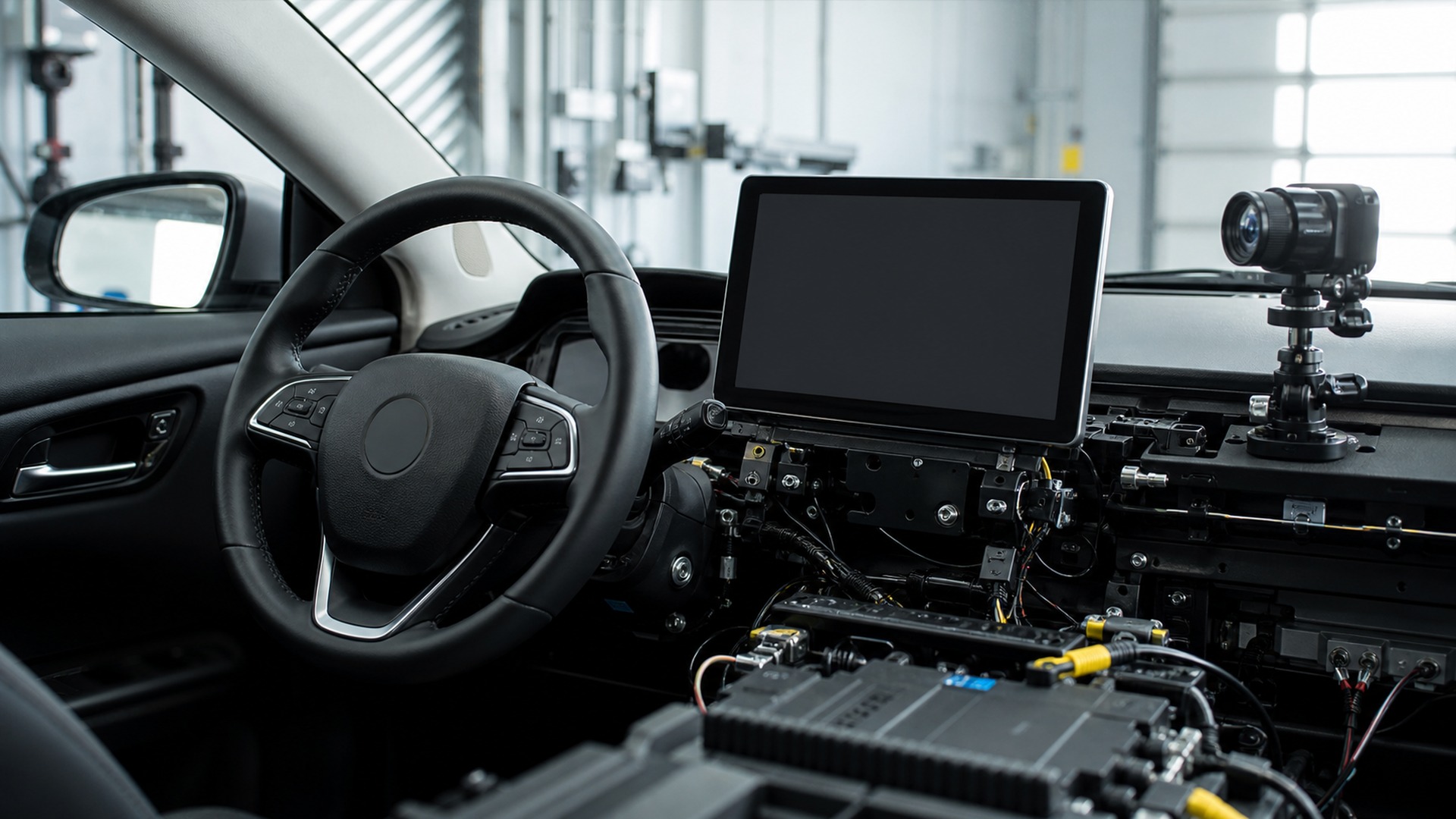
A display feature is dependable only when its source, trigger, priority, output, interaction, latency, and fallback all work. Learn how operating contracts expose incomplete compatibility and speed diagnosis.
Use a driving display when the missing outcome is current information at a specific sightline. Use a head unit when the bottleneck is media, projection, receiver controls, or audio handoffs.