What Makes Radar Detectors Different from Car Audio Systems
Radar detectors classify environmental signals; car audio systems reproduce selected content. Shared speakers and power require coordination, not category confusion.

Reviews You Can Trust
Radar detectors classify environmental signals; car audio systems reproduce selected content. Shared speakers and power require coordination, not category confusion.
Radar detector fit involves law, glass, antenna geometry, mounting, power, heat, interference, and driver workload—not merely a plug and bracket.
A radar detector is a receiver that classifies radio observations and presents uncertain alerts. Learn where range, filtering, direction, and false signals enter.
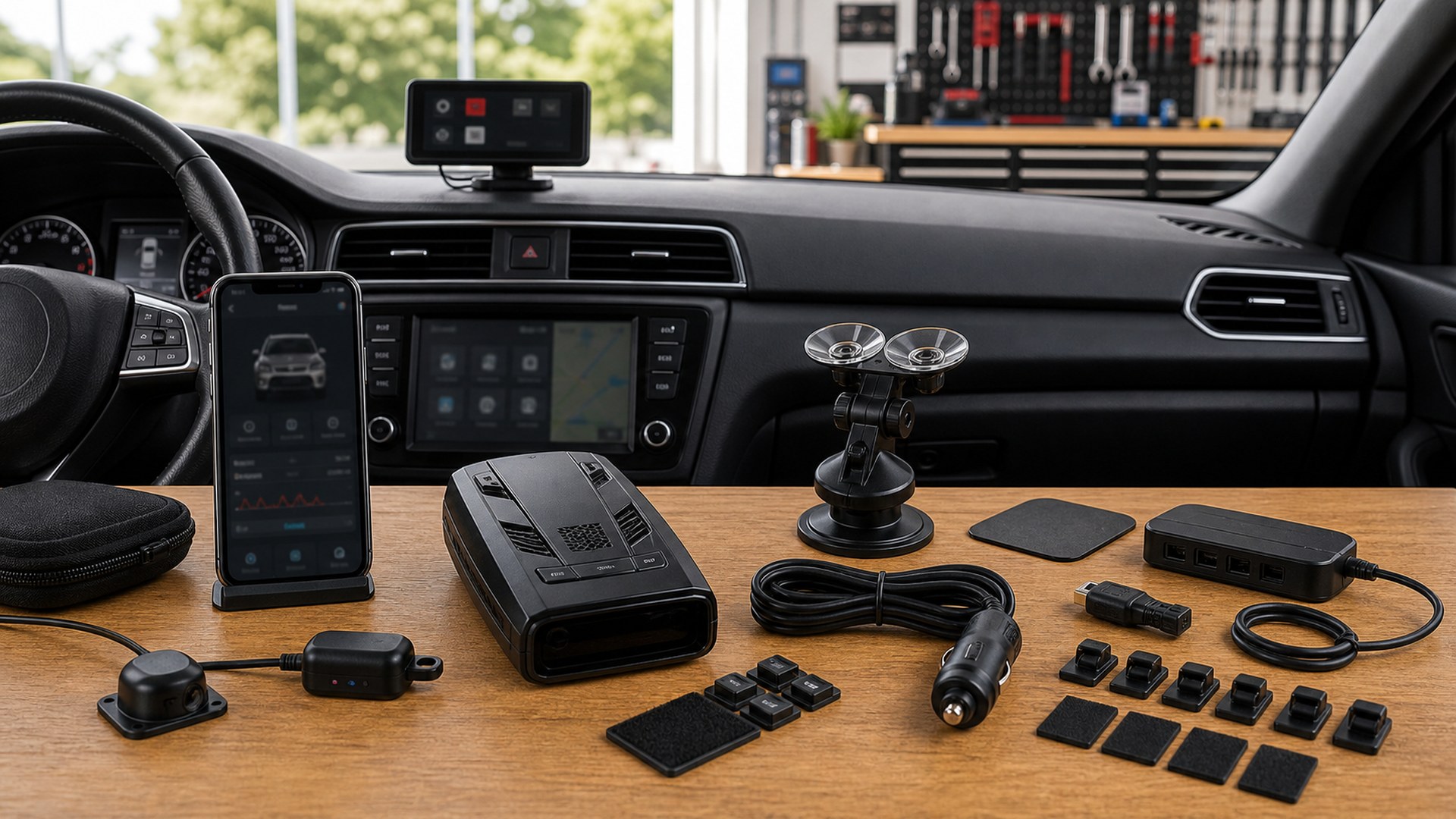
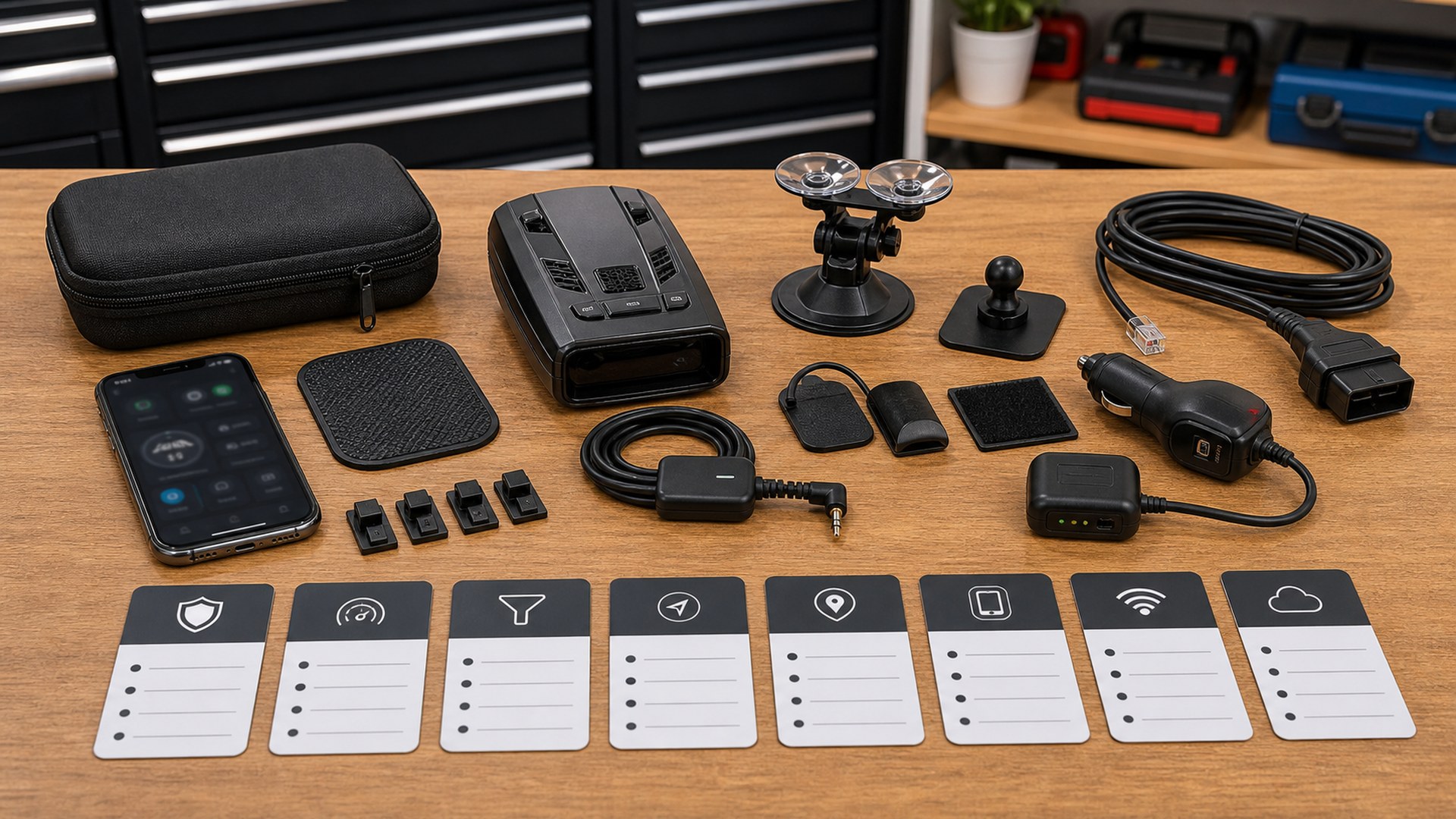
Evaluate a radar detector as an alert path from front and rear antennas, laser and GPS sensors through processing, screen, audio, remote mute, phone app, Wi-Fi, database, and cloud services. Compare priority logic, glanceability, offline behavior, permissions, privacy, updates, and subscriptions.
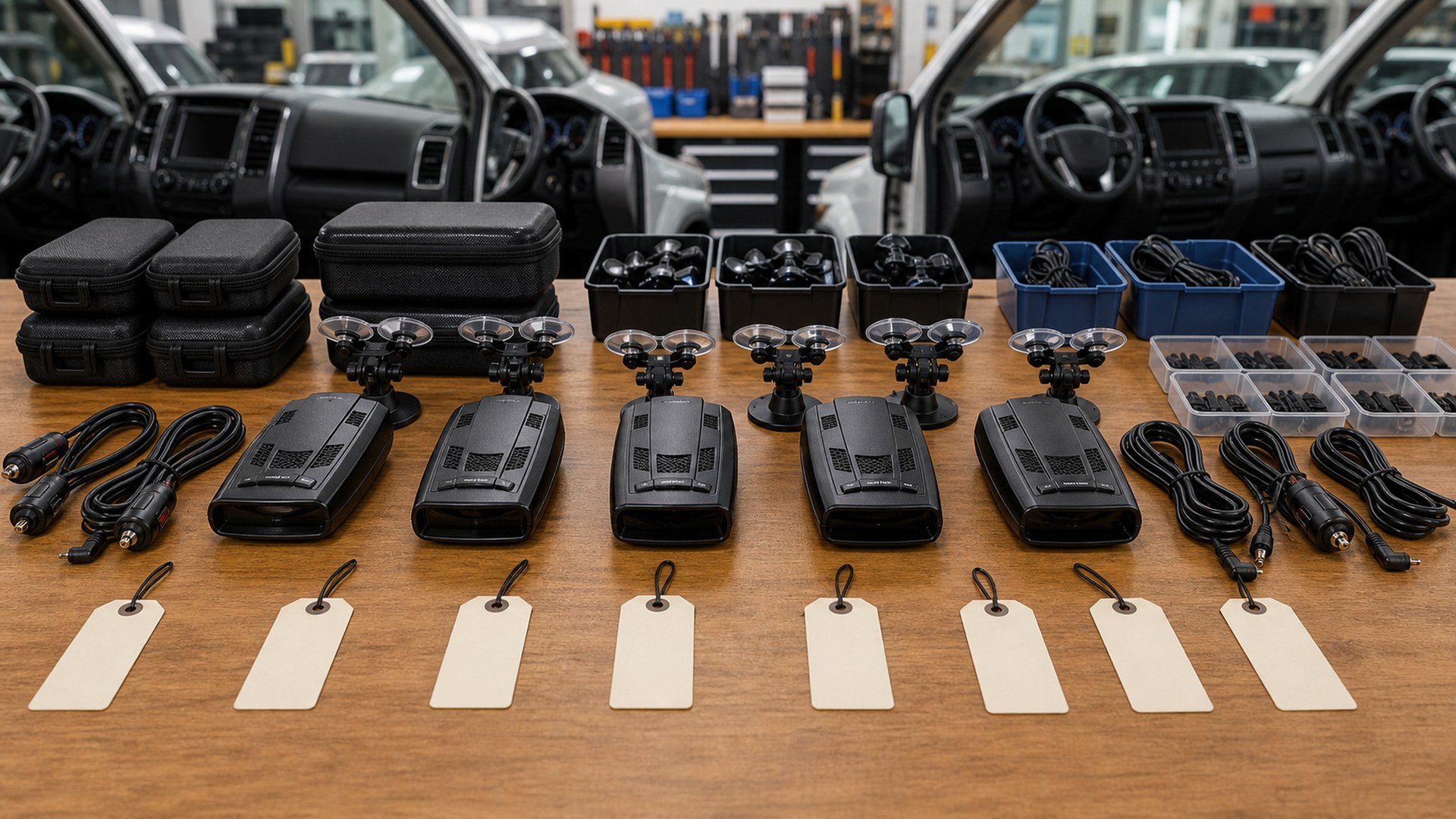
Plan radar-detector use for commuters, shared household cars, and eligible light-duty fleets. Verify commercial-vehicle prohibitions, jurisdiction rules, employer policy, driver training, vehicle-specific mounts and power, approved settings, GPS memory, software updates, asset custody, app privacy, and incident handling.
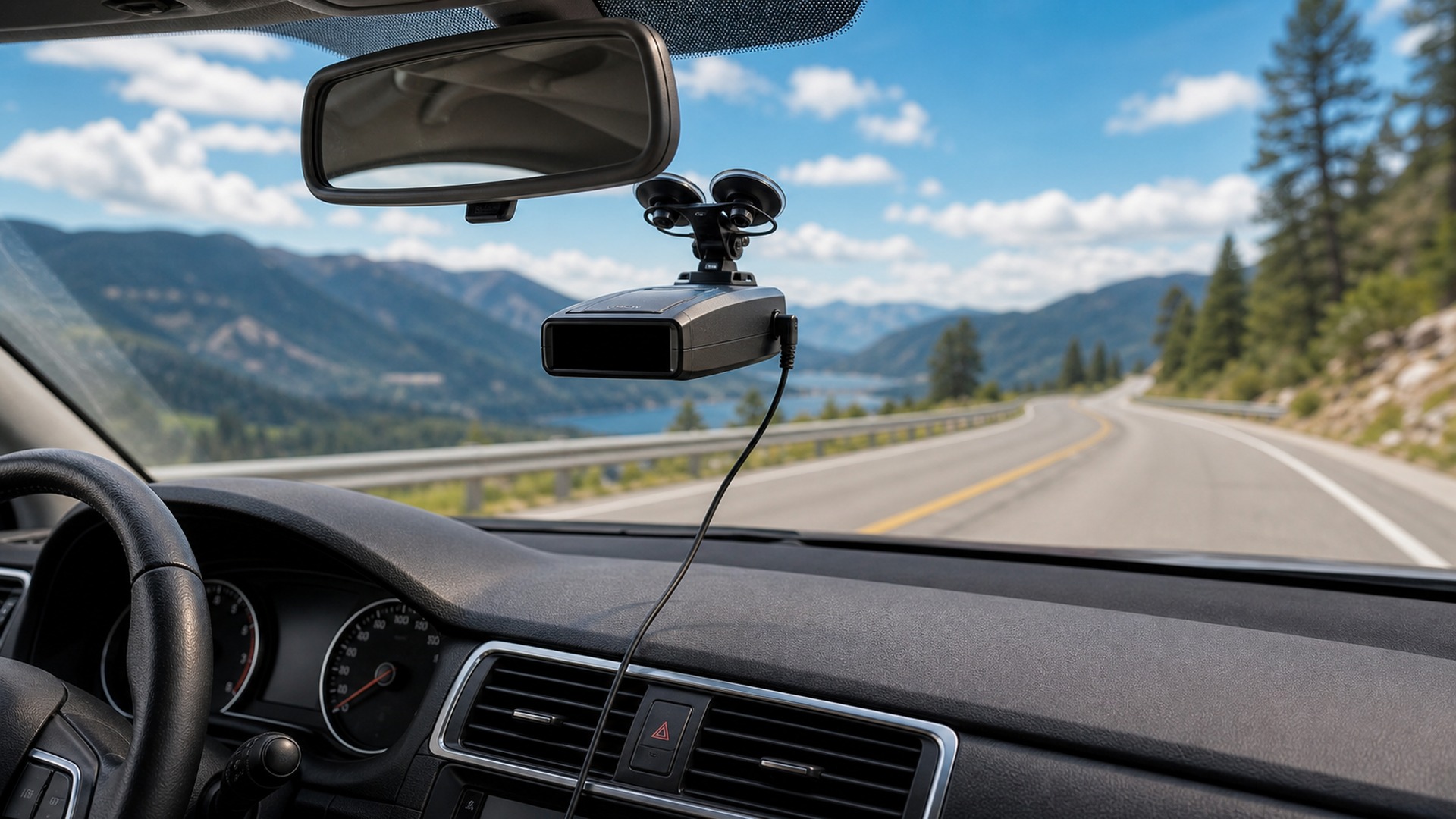
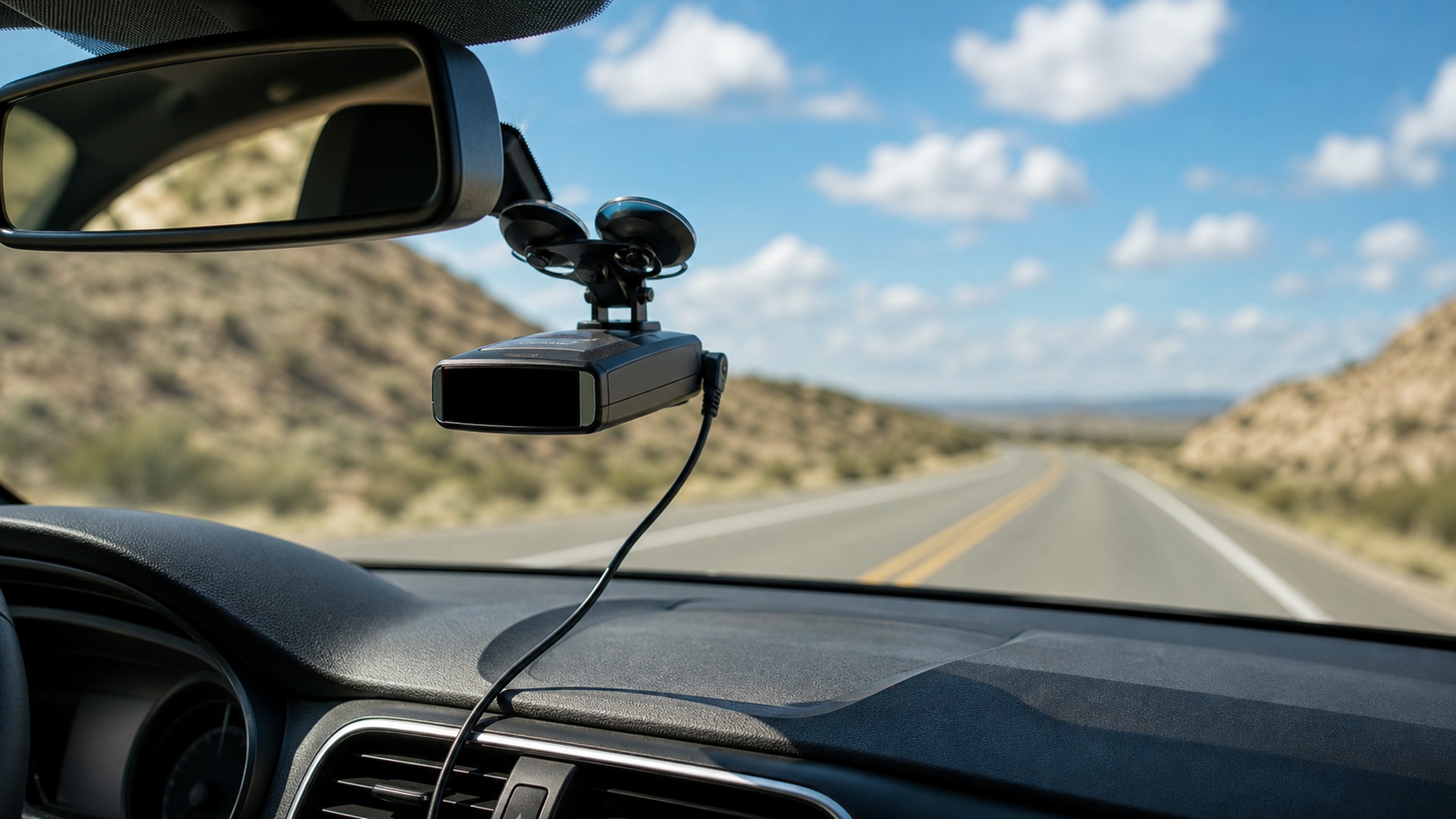
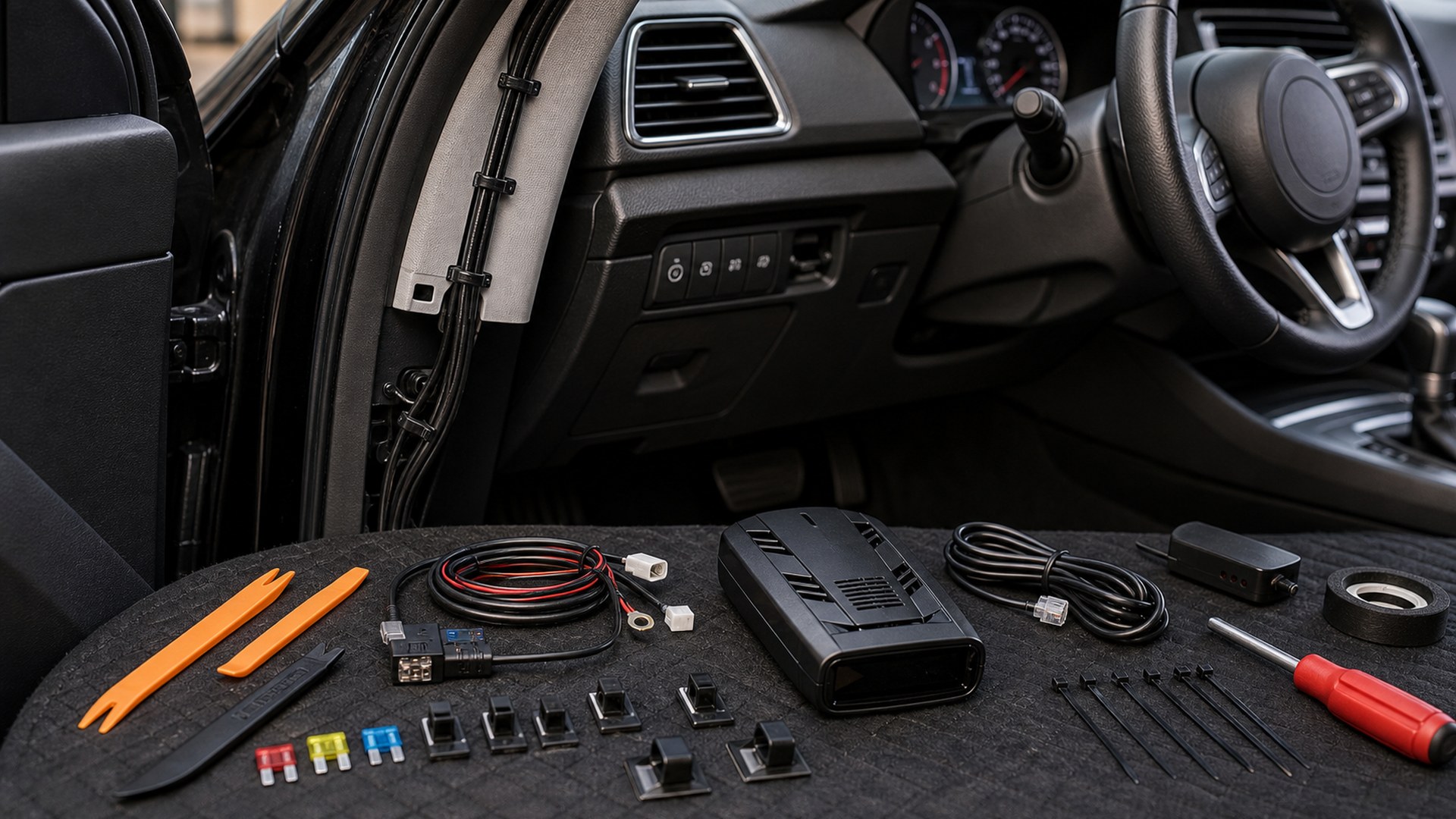
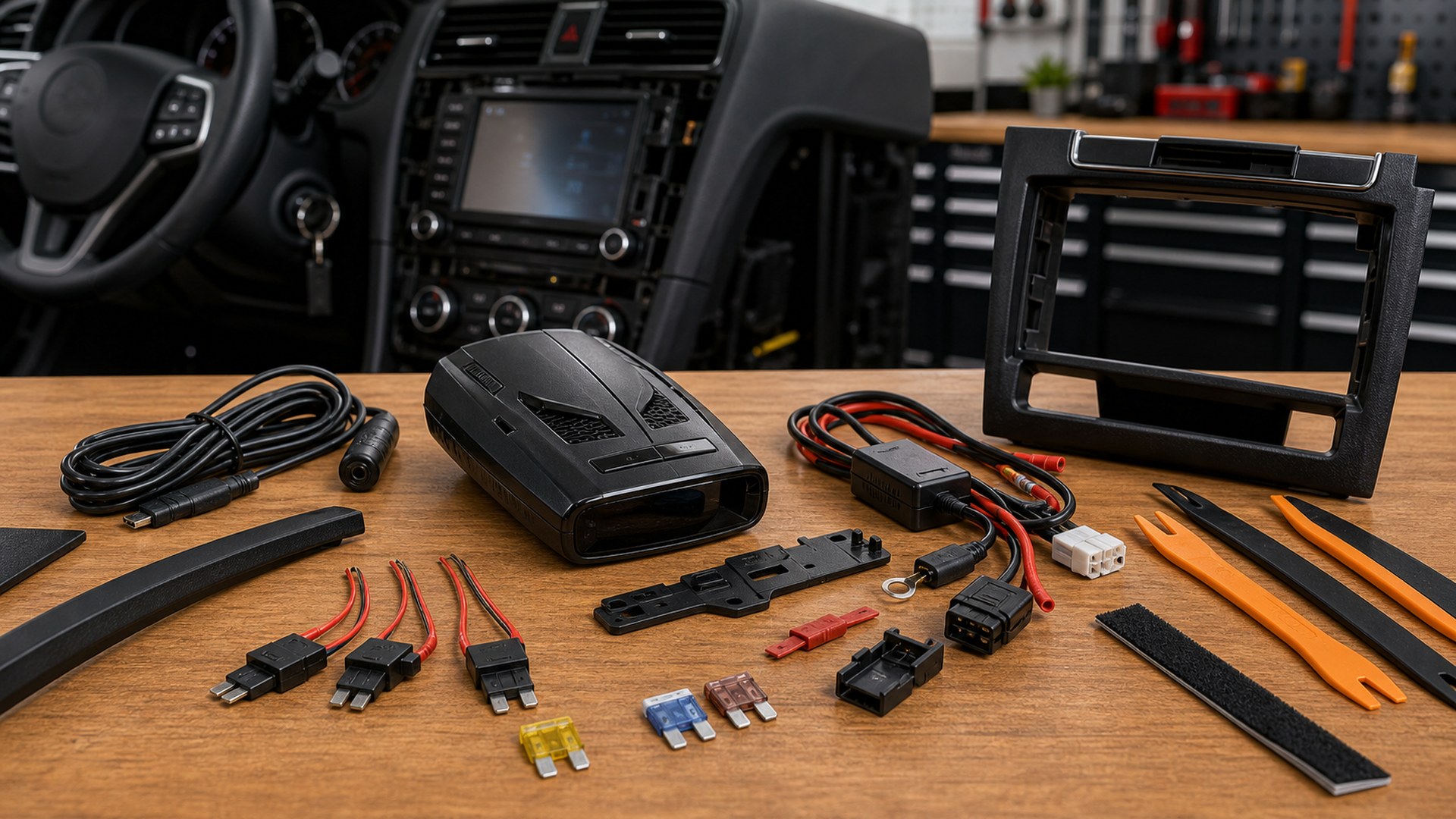
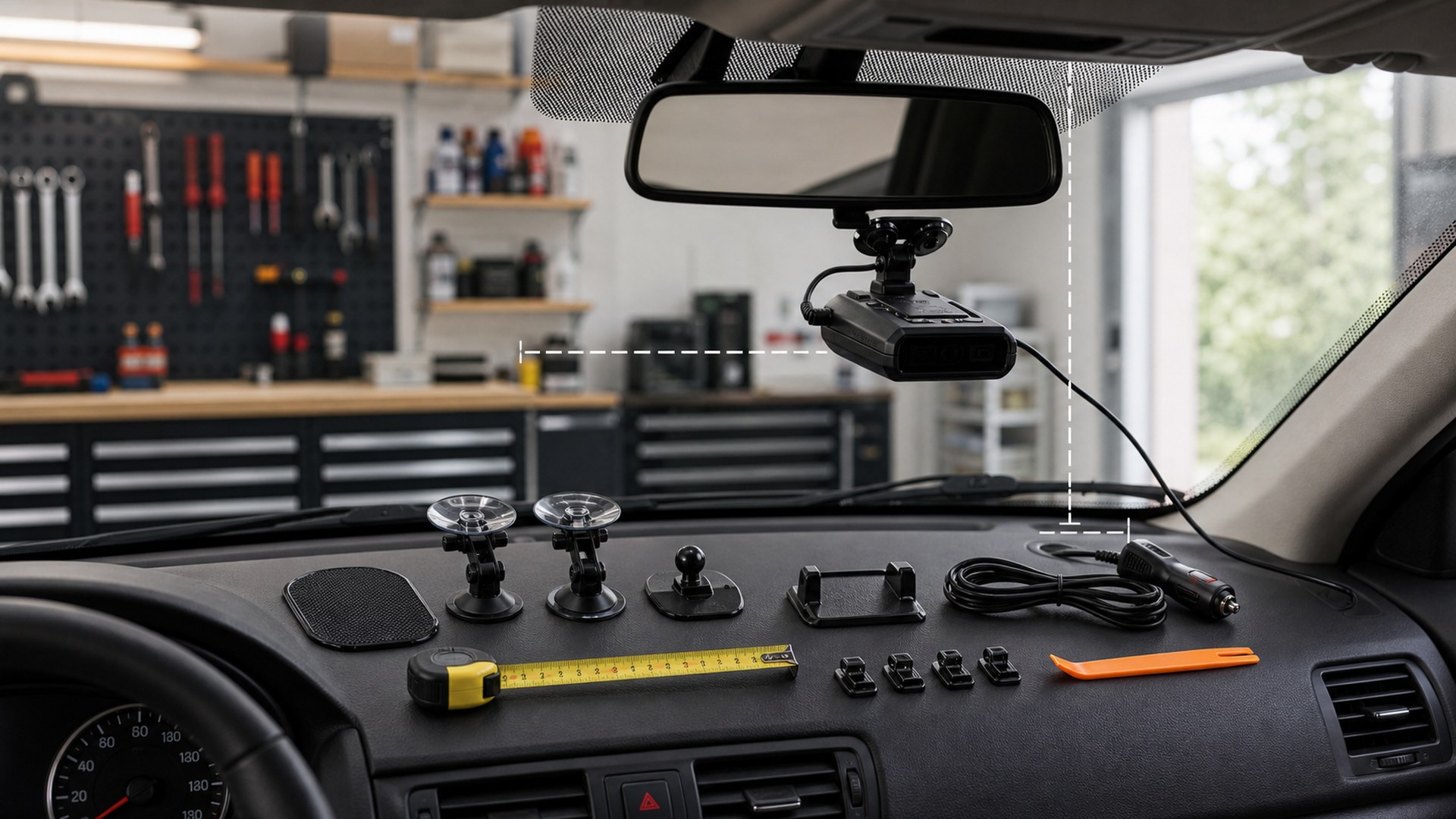
Plan radar-detector mounting and wiring before selecting the final model. Check antenna alignment, windshield transmission, legal sightlines, bracket stability, mute reach, approved hardwire kits, switched or constant circuits, fusing, grounding, airbag-safe cable routes, low-voltage behavior, interference, and future removal.
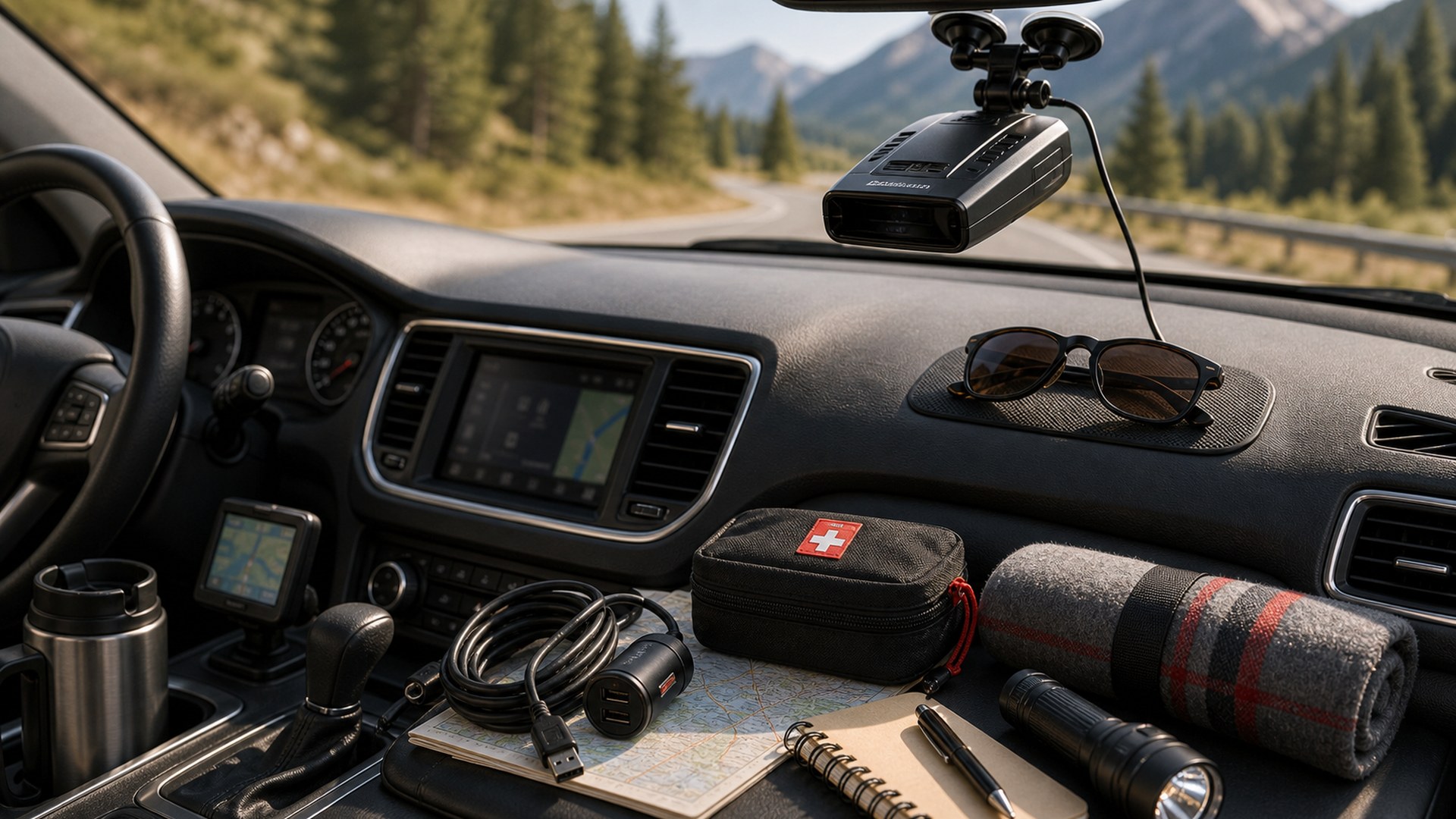
Prepare a radar detector for long-distance travel by checking each jurisdiction, vehicle class, regional bands, terrain, GPS database coverage, offline behavior, windshield glass, temporary mounting, power, heat exposure, theft removal, firmware, and phone-account dependencies.
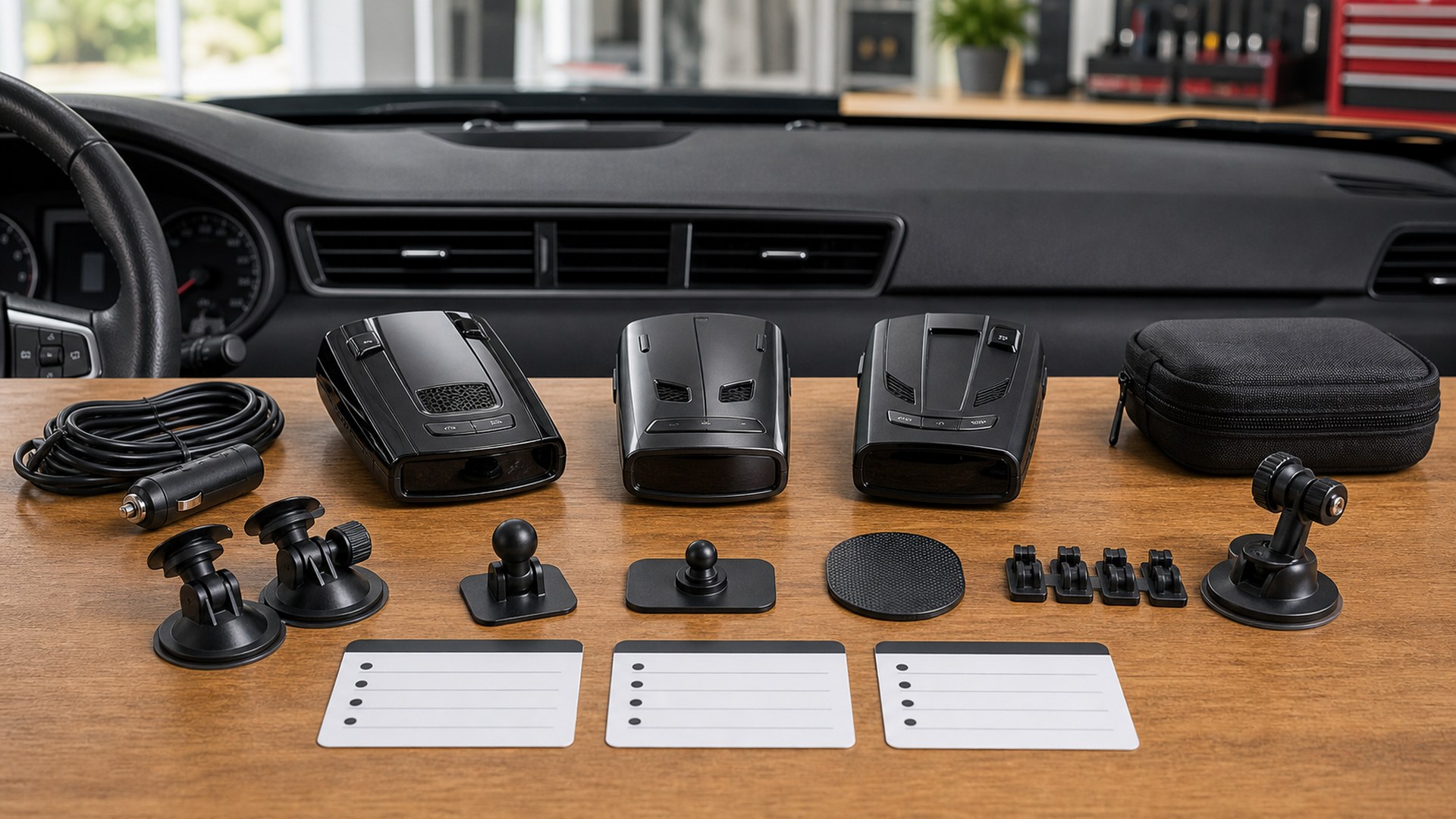
Build a radar-detector feature plan instead of paying by checklist length. Separate core band and sensitivity controls from filtering, GPS, speed quieting, arrows, frequency displays, voice, apps, Wi-Fi, camera databases, advanced segmentation, accessories, update support, and offline behavior.
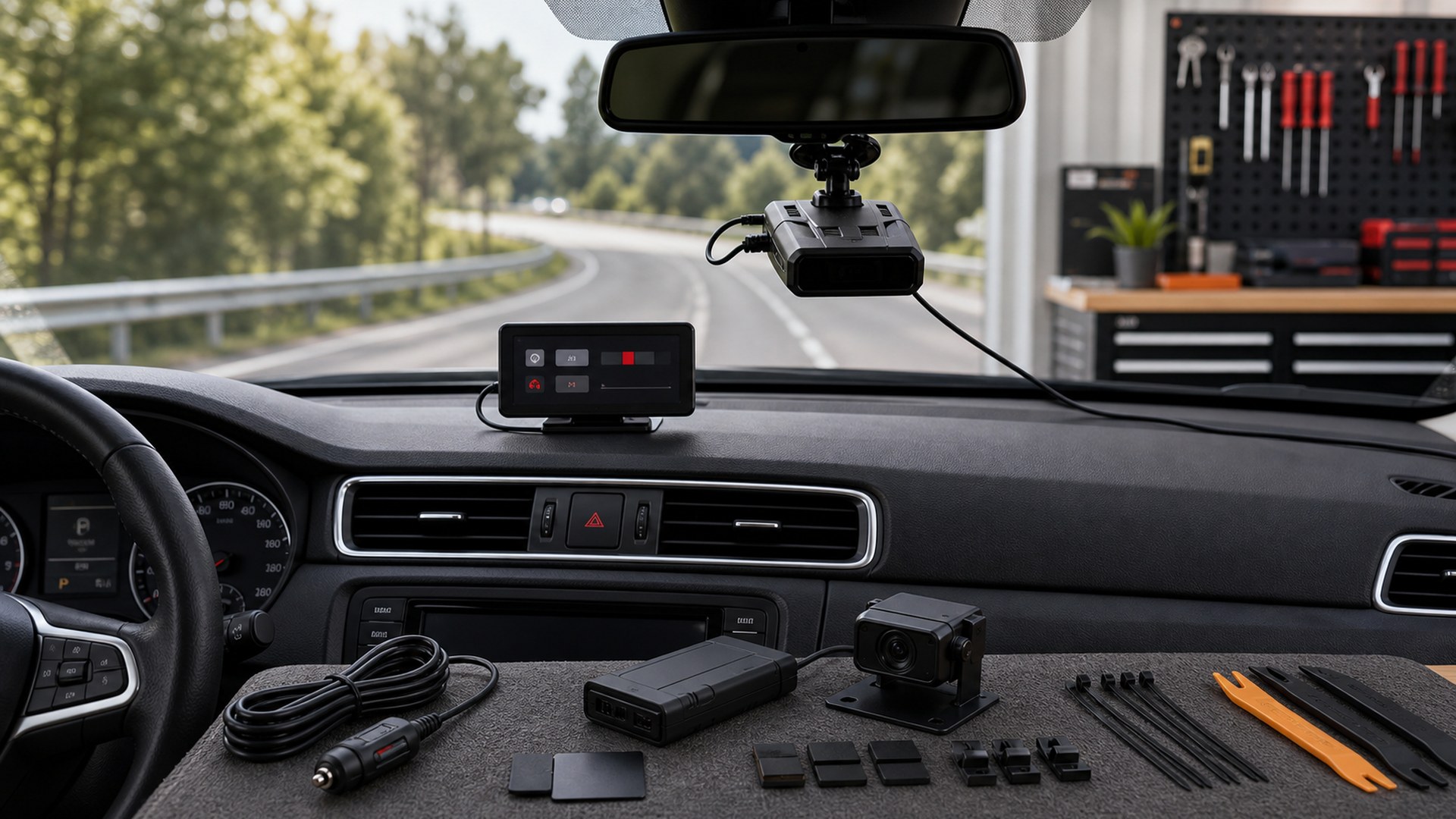
Choose a radar detector that coexists with blind-spot monitoring, adaptive cruise, collision-warning radar, and windshield cameras. Compare BSM and traffic filters, GPS lockouts, low-speed muting, frequency and direction context, firmware support, camera clearance, controls, rollback, and staged route testing.
Plan a clean radar-detector installation without hiding a portable receiver where it cannot work. Compare concealed power, remote controls, front and rear antennas, controller placement, protected circuits, airbag-safe routing, interference, weather exposure, update access, repairability, removal, and legal constraints.
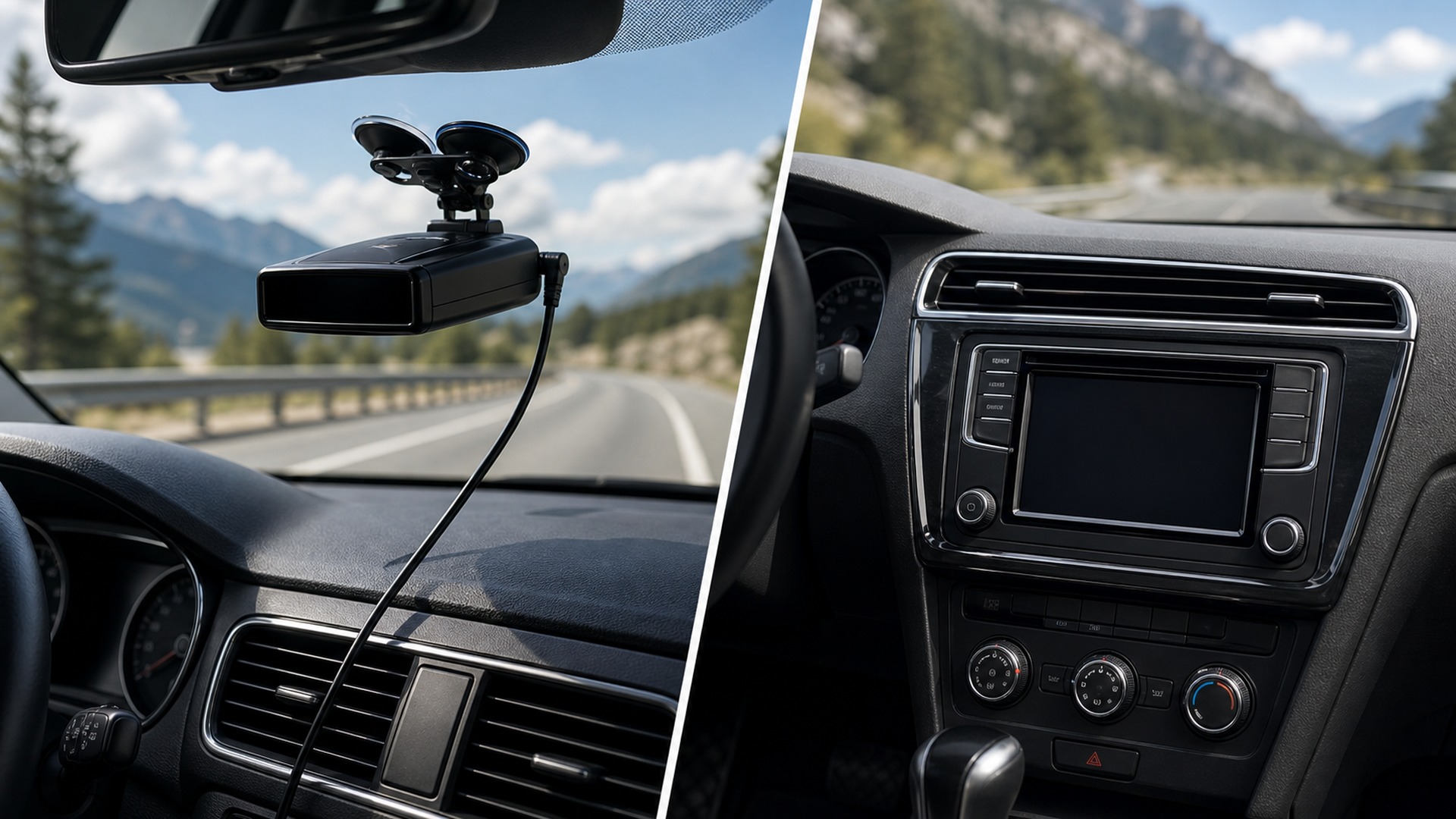
Confirm that a radar detector fits the exact vehicle before comparing premium features. Audit windshield coatings, clear zones, mount angle, GPS view, wipers, mirror and ADAS clearance, control reach, sockets, hardwiring, interference, phone support, removability, and remote-receiver alternatives.
Choose a radar detector around the roads and vehicle you actually use. Compare X, K, and Ka coverage, laser alerts, GPS lockouts, blind-spot filtering, directional arrows, alert clarity, metallic windshields, mounts, hardwiring, updates, legal restrictions, and complete installed cost.