Why Wheel Offset Matters
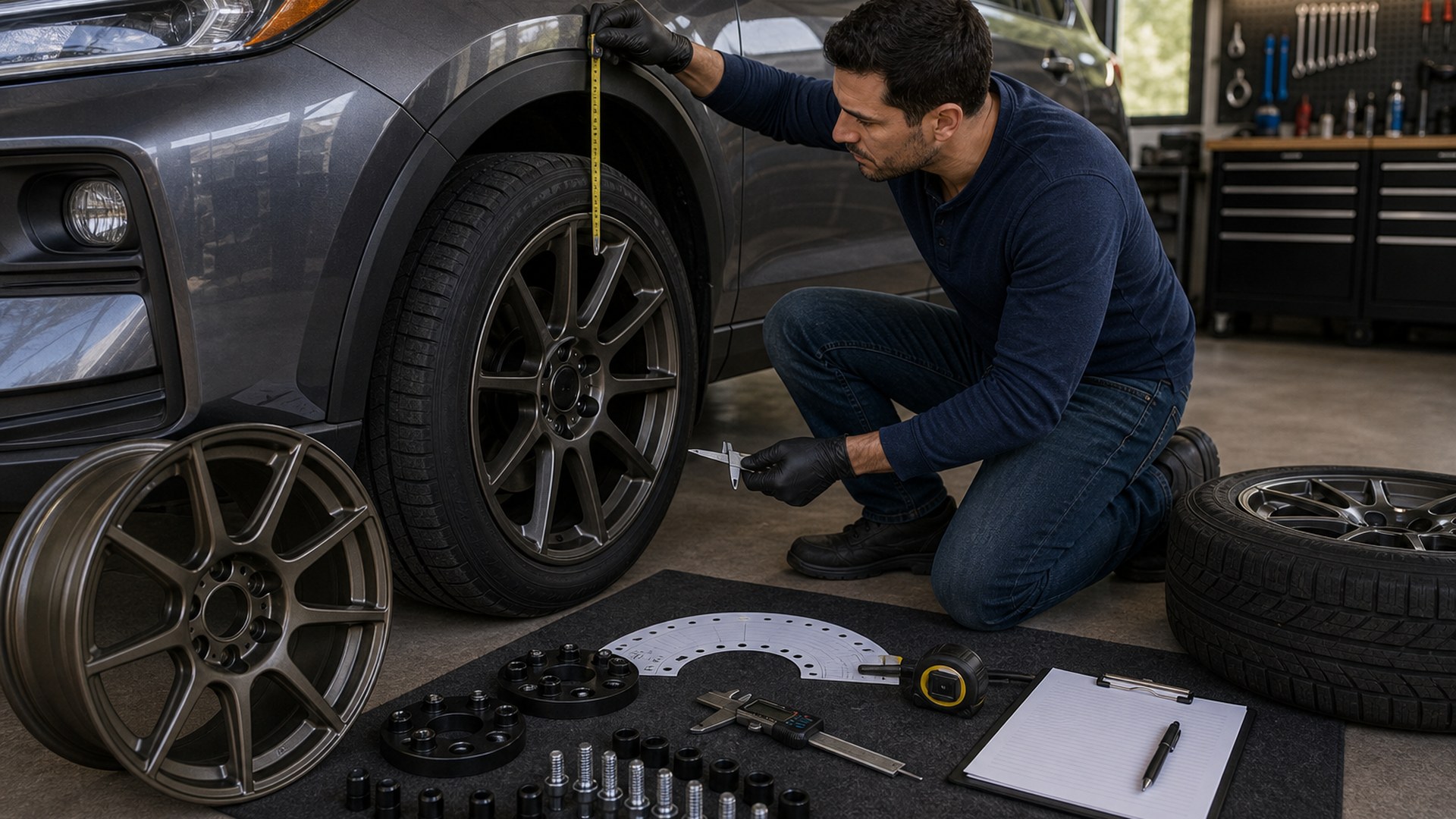
Wheel offset locates the rim and tire relative to brakes, suspension, bodywork, hub bearings, and steering geometry, so fitment must work throughout motion.

Reviews You Can Trust
Wheel offset locates the rim and tire relative to brakes, suspension, bodywork, hub bearings, and steering geometry, so fitment must work throughout motion.
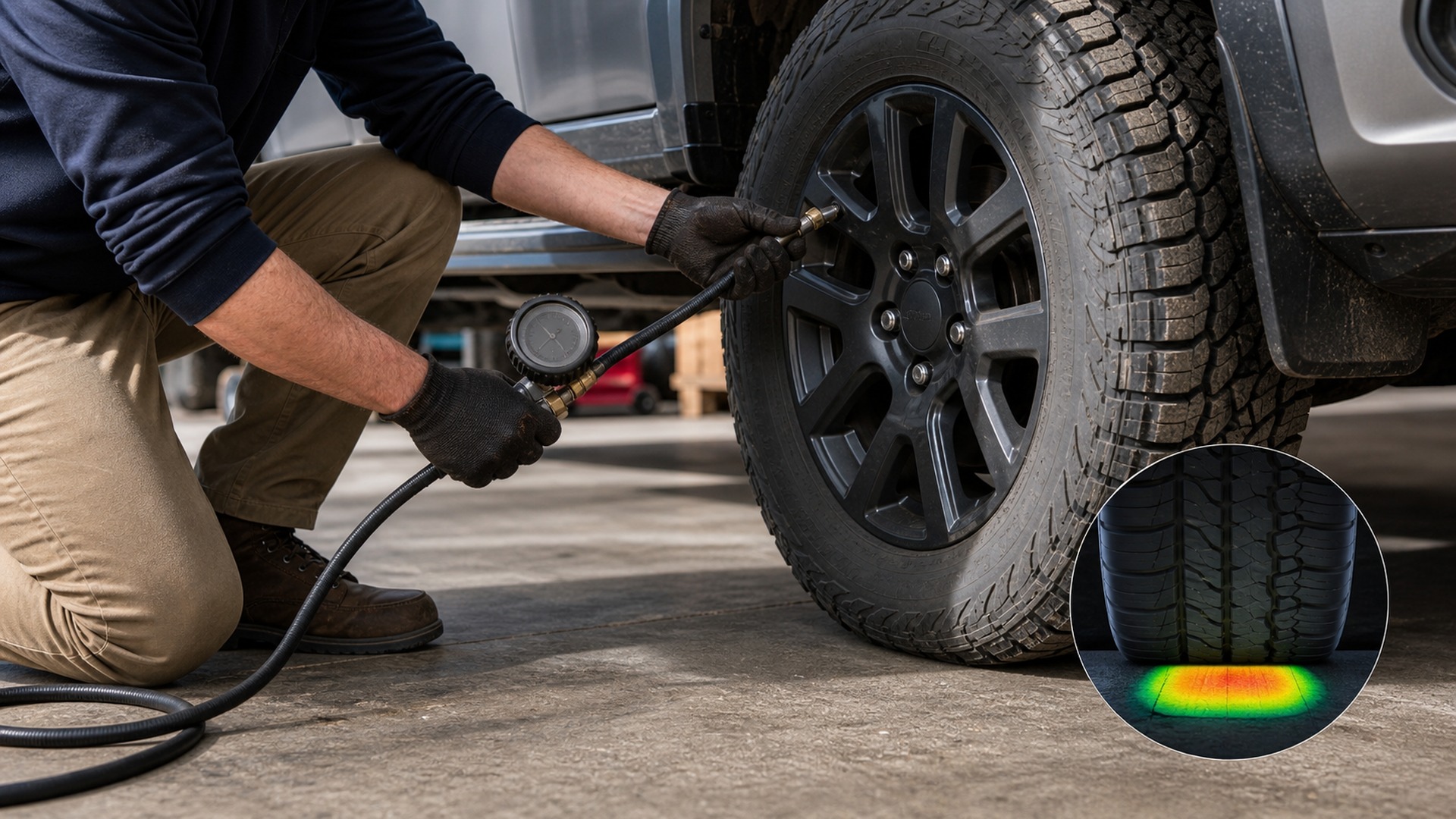
Correct cold tire pressure establishes the casing shape and load support that govern heat, footprint, steering, braking, wear, and durability.
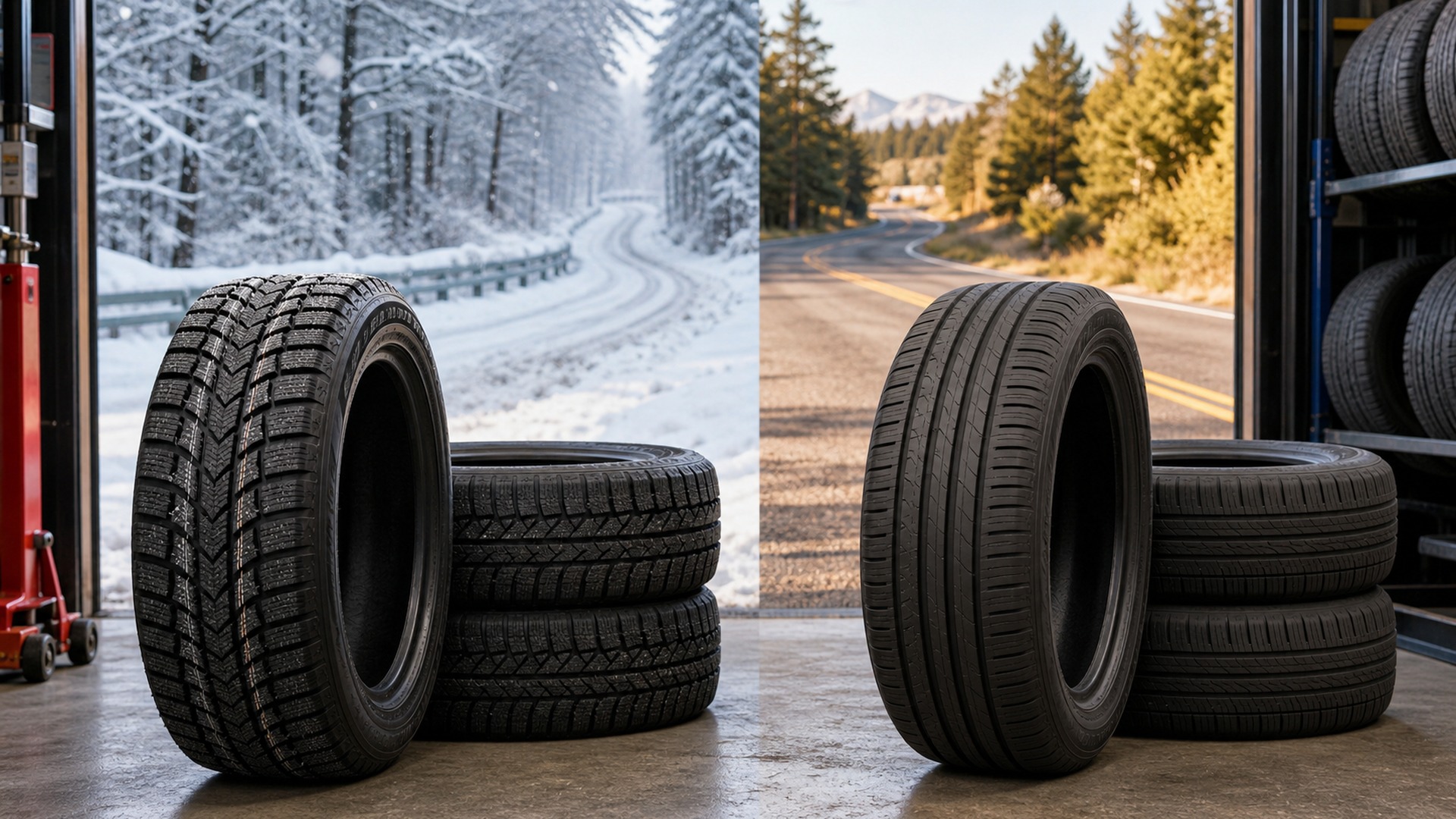
Winter tires are justified when recurring cold, snow, slush, or ice makes low-temperature compound and a balanced four-tire footprint important for essential travel.
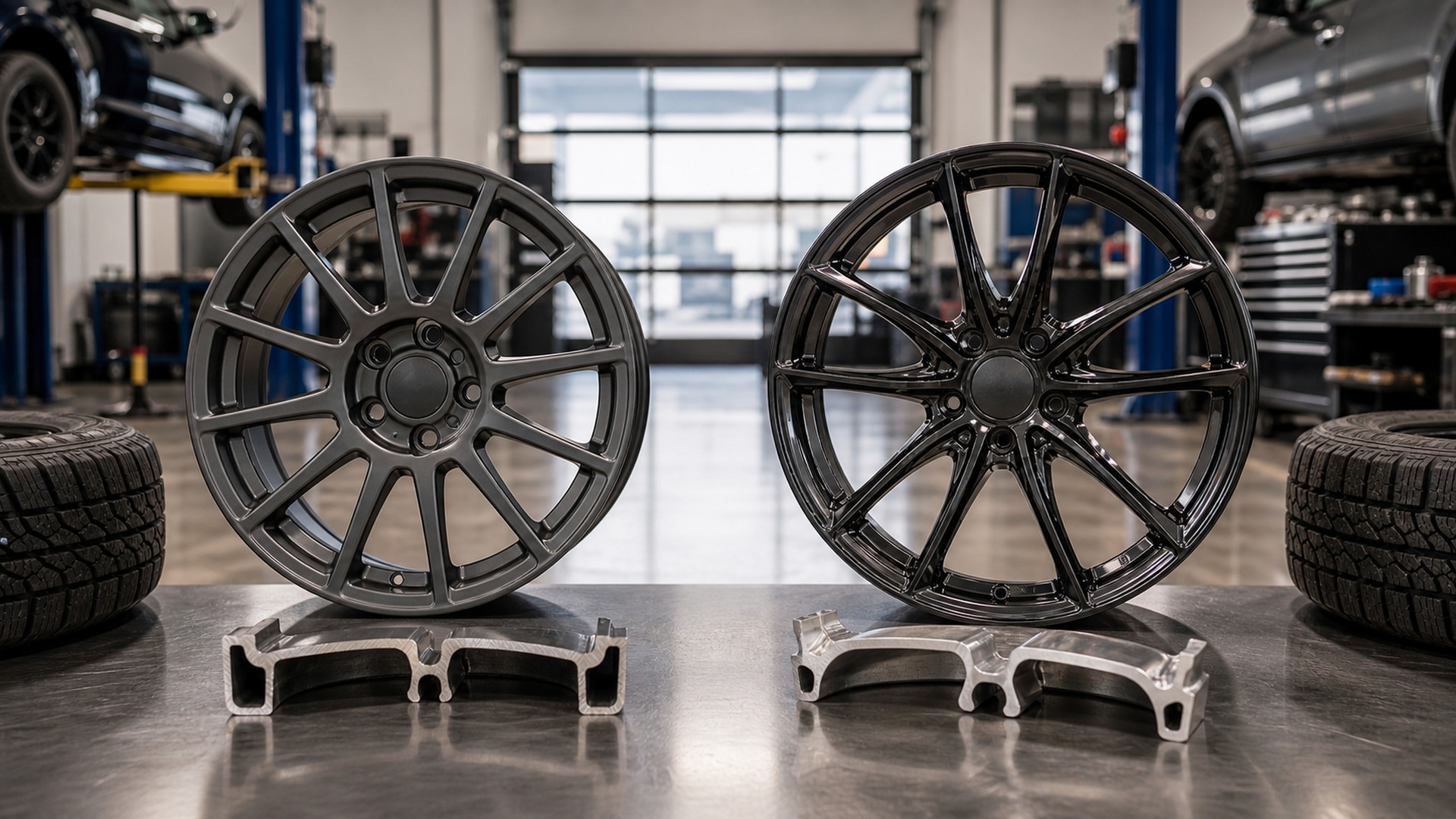
Casting and forging create different material structures and design opportunities, but the finished wheel still must prove load, testing, fitment, mass, and condition.
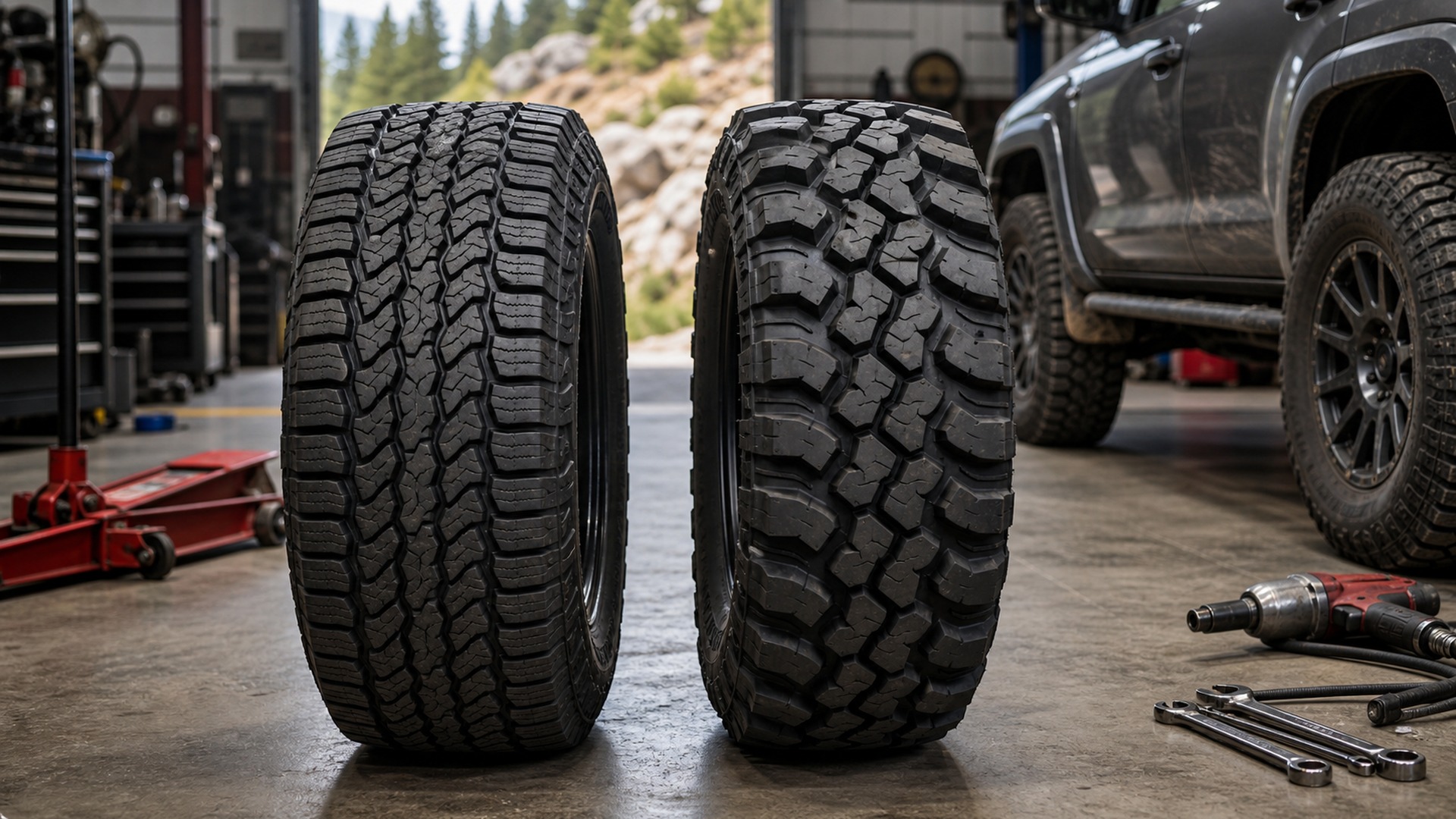
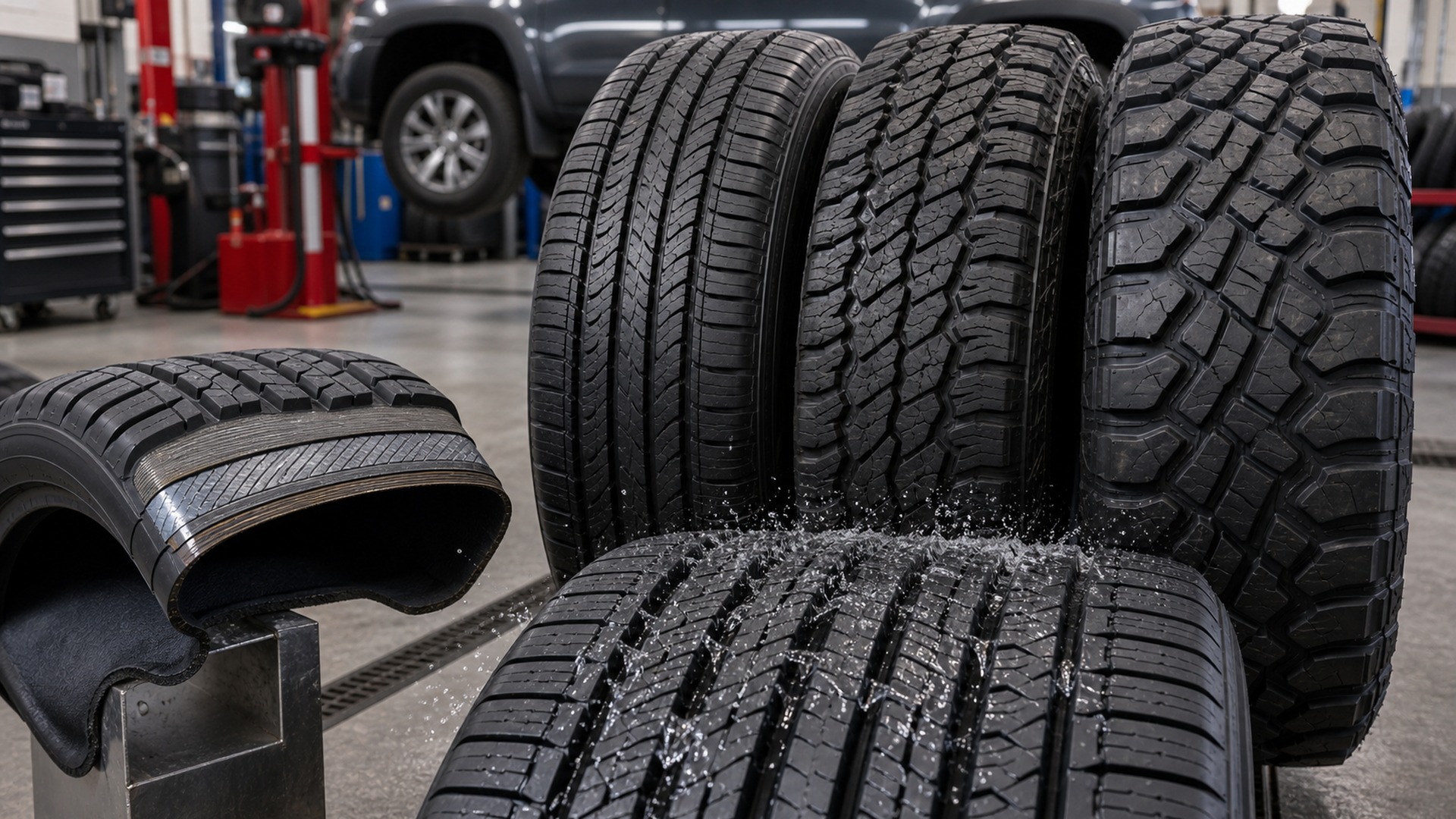
All-terrain tires retain more supported road contact; mud-terrain tires spend more of the footprint on self-cleaning lugs and voids for cohesive soil.
A tire load rating works only with the correct size, cold pressure, service type, axle distribution, wheel rating, and vehicle limits for the actual loaded trip.
Tread design divides the tire’s small road footprint between force-carrying rubber and space that manages water, snow, mud, movement, heat, noise, and wear.
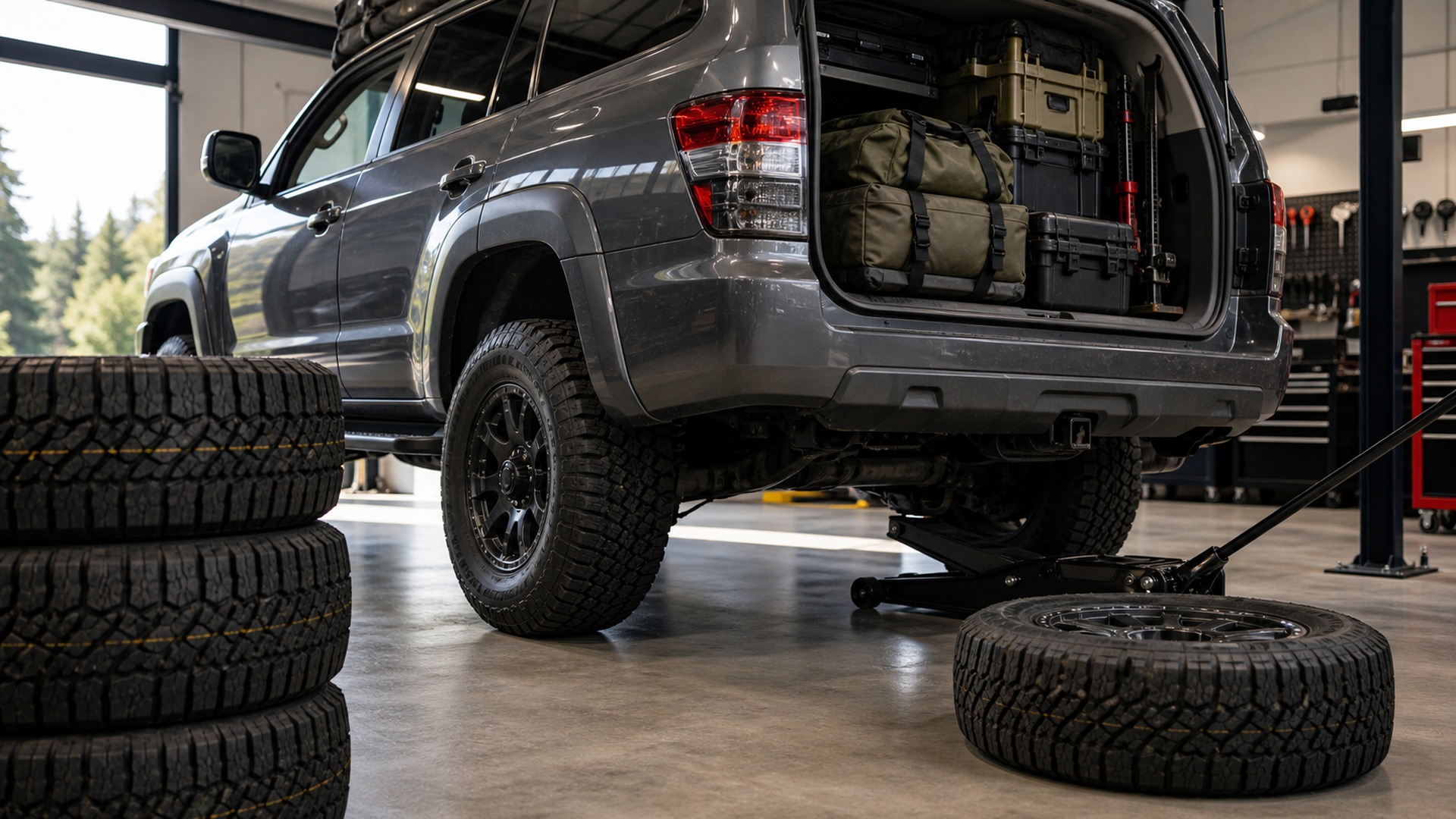
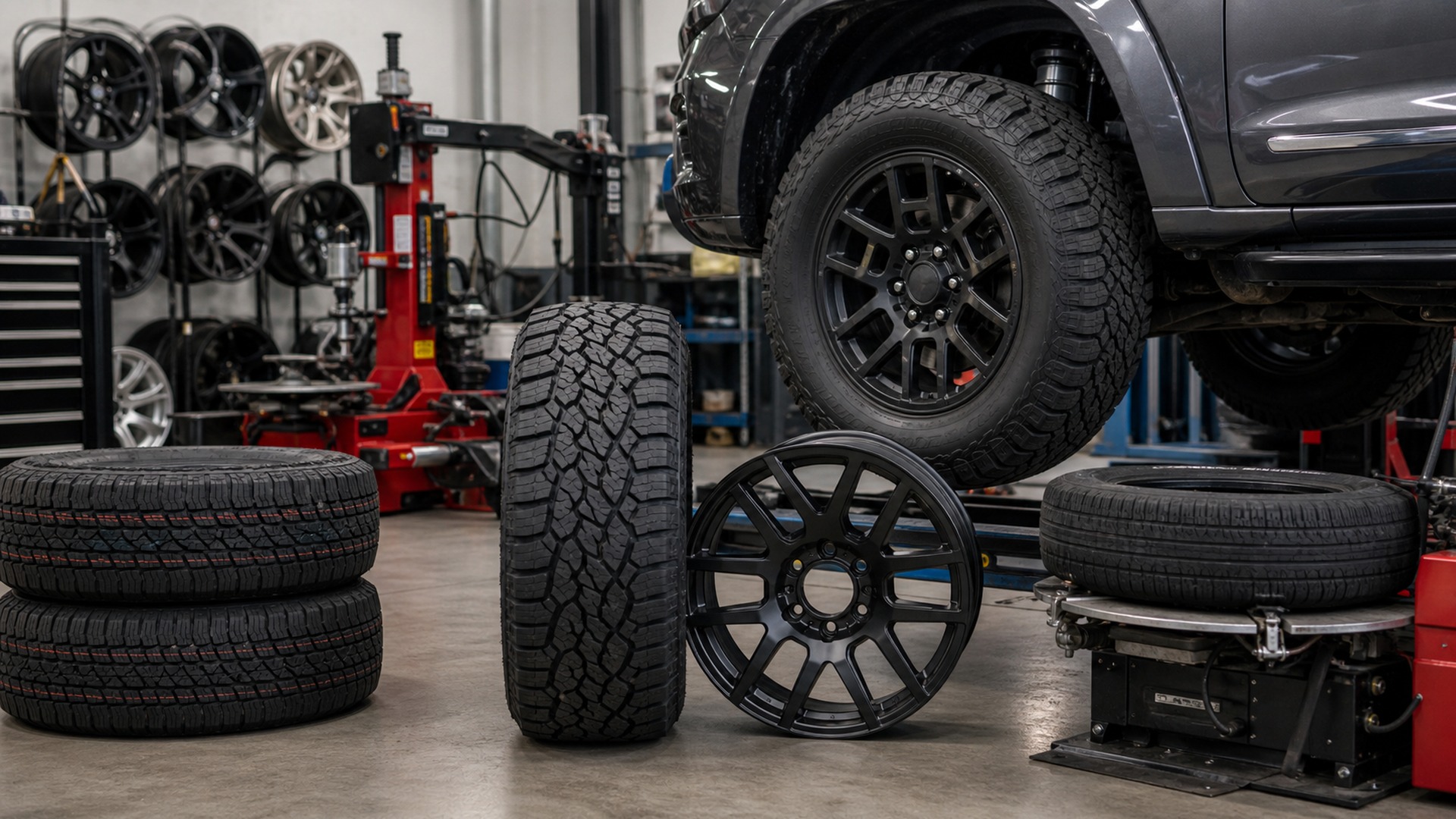
Tires and wheels form a pressurized rotating load path from road to hub. Pressure, ratings, bead geometry, offset, fasteners, clearance, balance, and runout must agree.
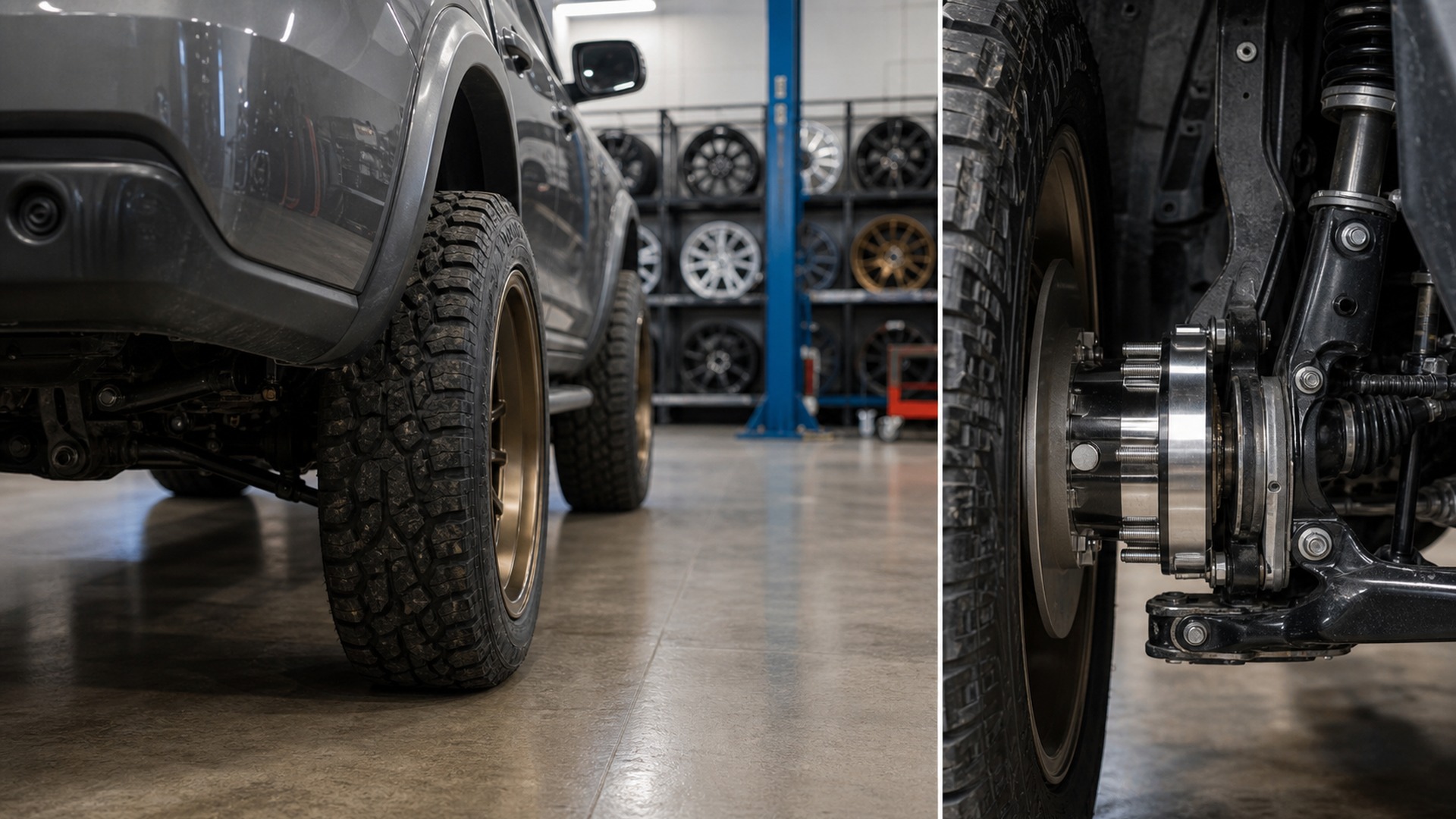
A three-dimensional fitment guide to actual tire size, wheel width and offset, hub and fasteners, barrel and spoke brake clearance, steering sweep, suspension travel, bodywork, chains, TPMS, and AWD.
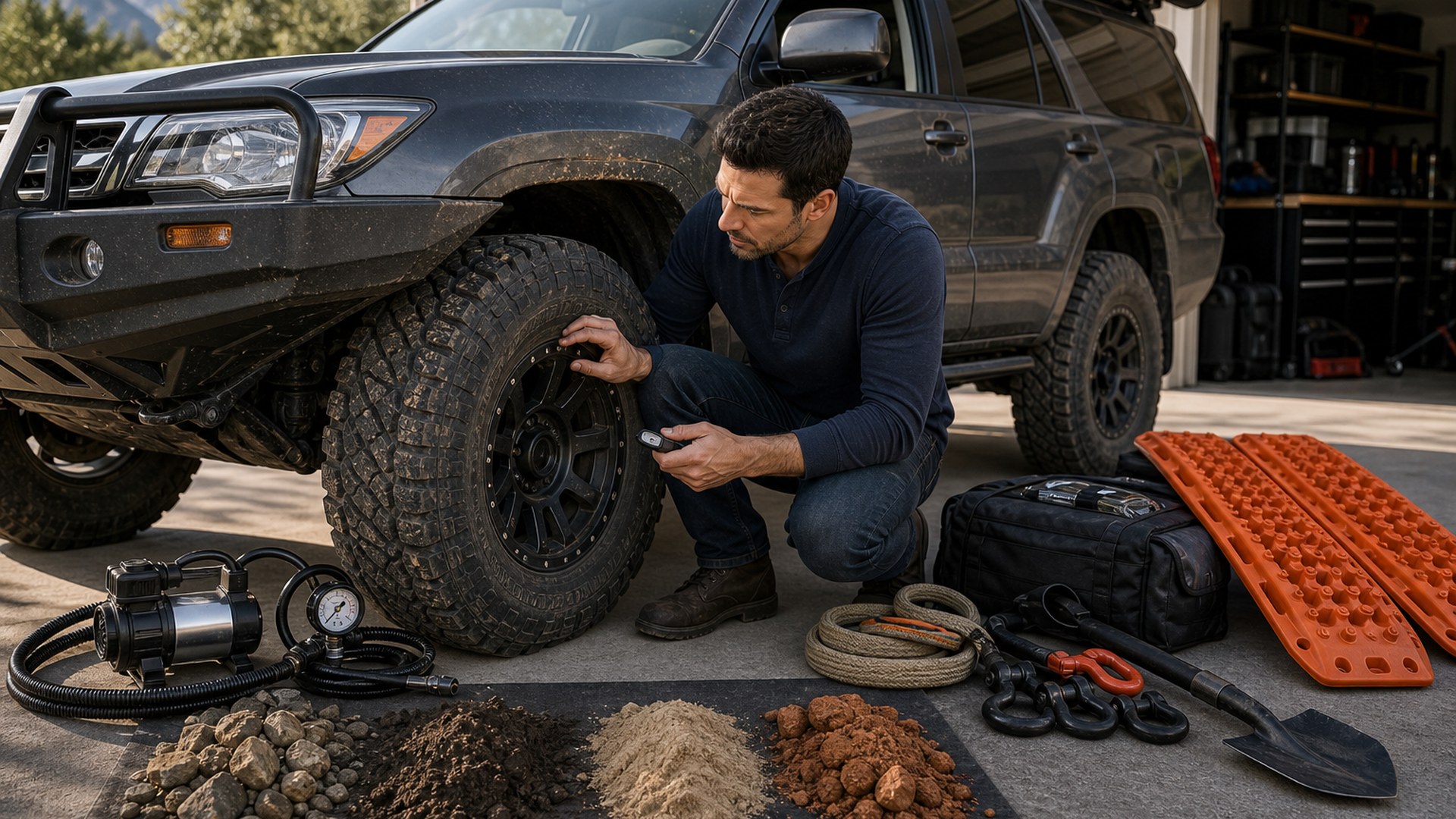
A terrain-mechanics guide to rock, gravel, mud, sand, snow and pavement tires, casing, tread, pressure, wheel strength and exposure, bead retention, damage, spares, repair, and inflation.
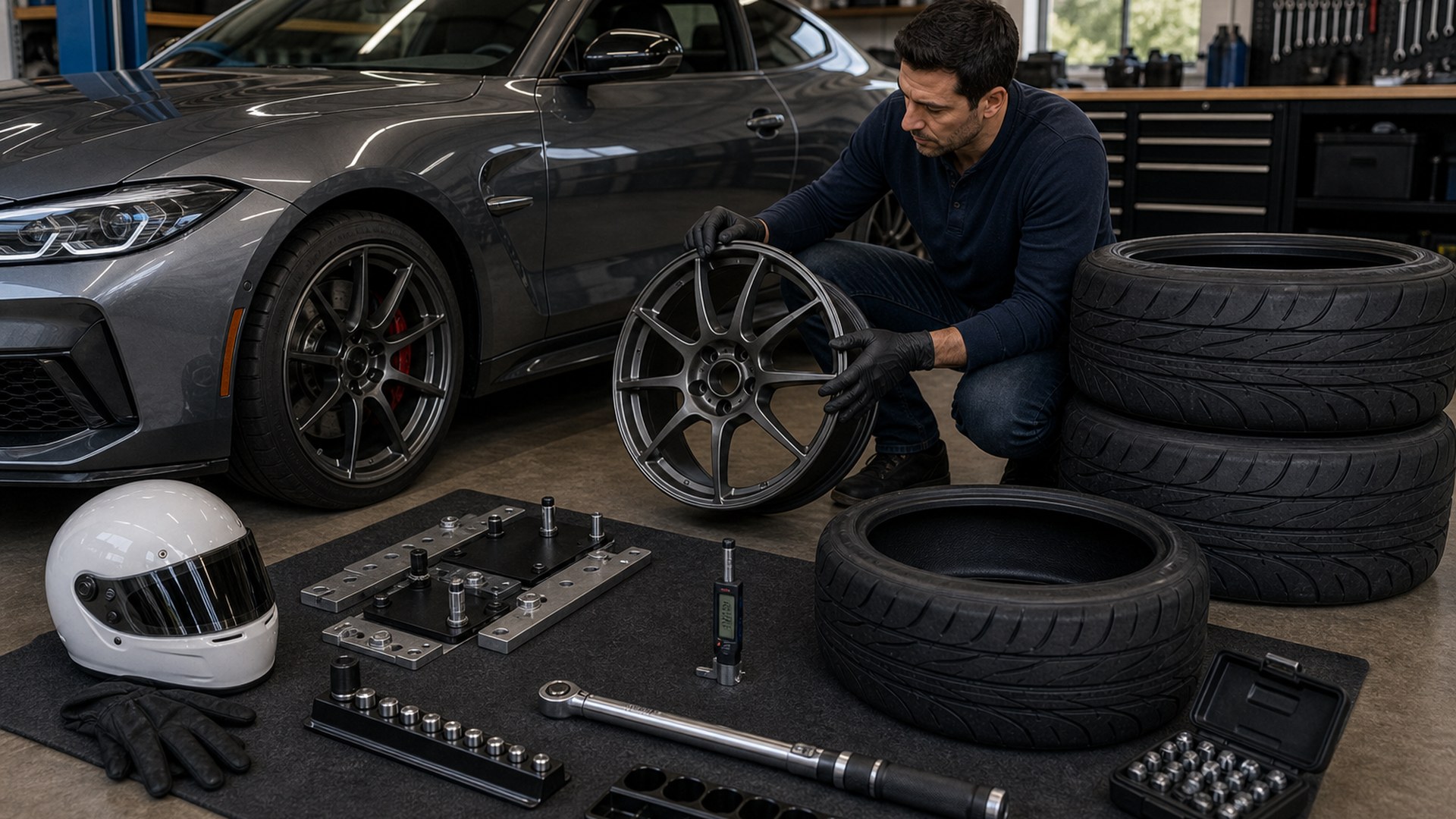
A handling-goal guide to steering response, braking, transient and sustained grip, tire temperature and pressure, wheel width and mass, alignment, wet control, event rules, and repeatable testing.
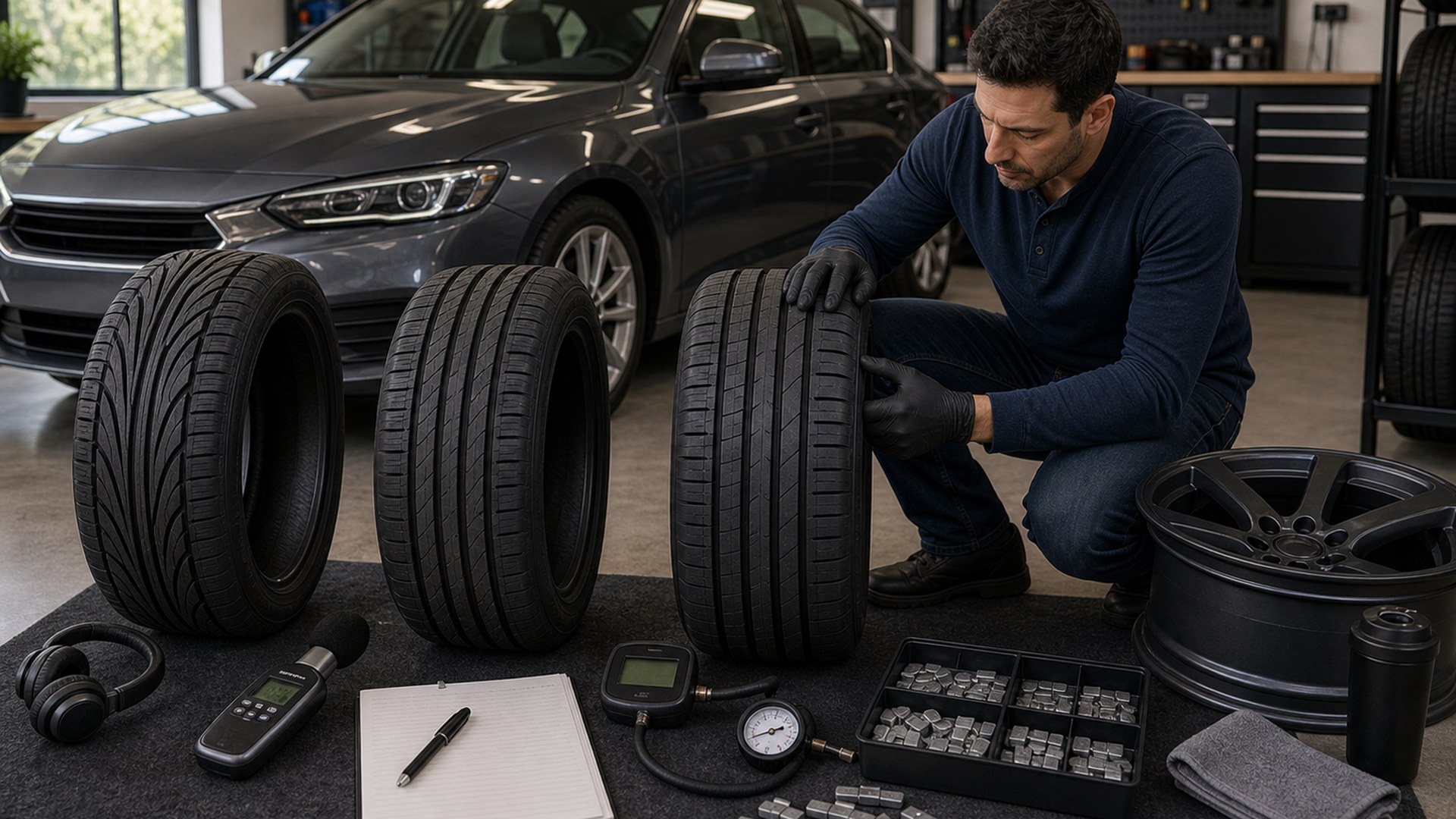
A diagnosis-first guide to tread noise, cavity and structure-borne sound, impact harshness, sidewall compliance, wheel diameter and mass, pressure, balance, alignment, wear, and comfort tradeoffs.