
Reviews You Can Trust
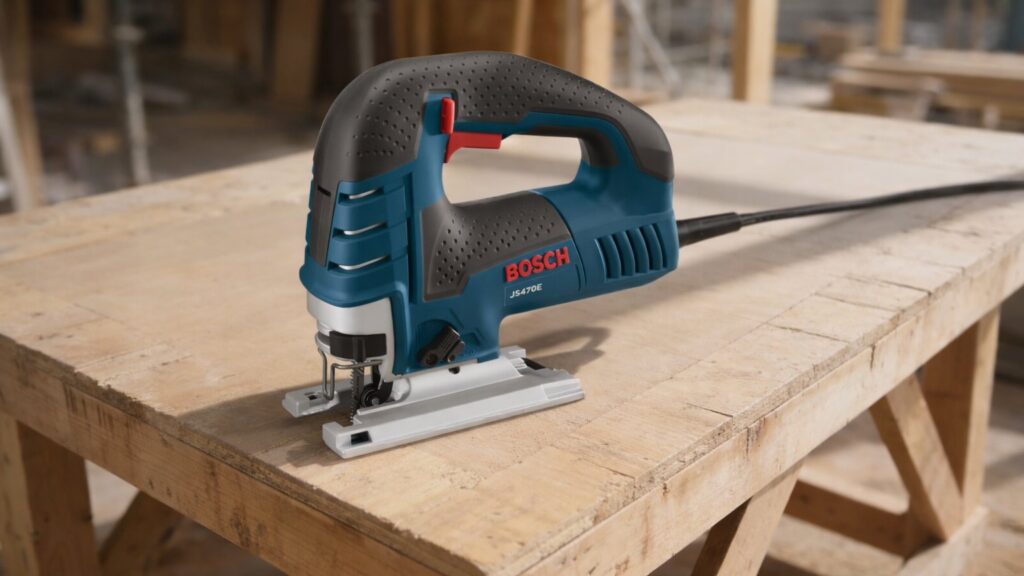
Why Jigsaws Blade Type Matters
Discover how blade choice transforms cut precision, speed, and finish quality across different materials and real-world applications.
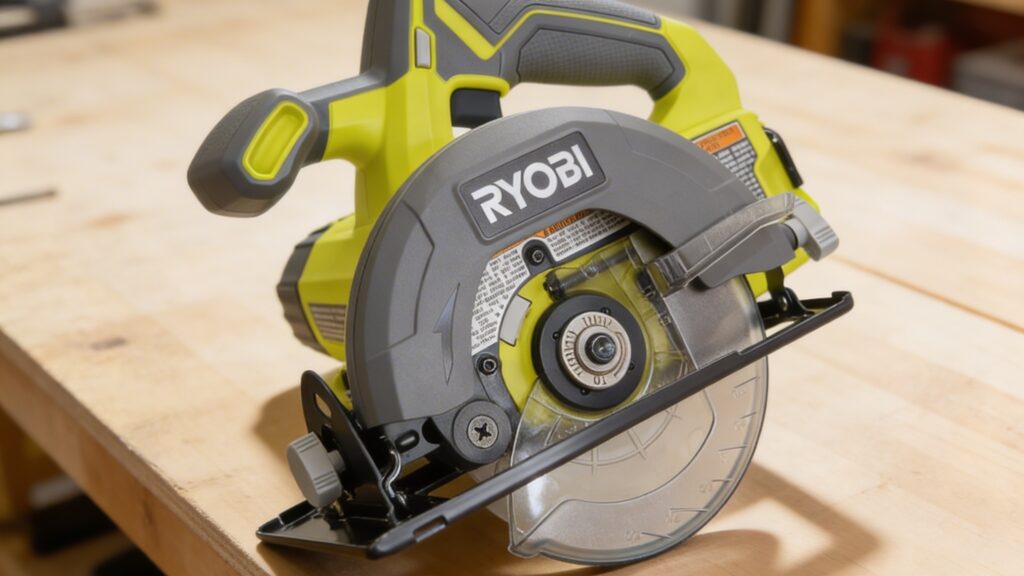
Why Circular Saws Blade Size Matters
Discover how blade size transforms cutting depth, precision, and performance in every circular saw project.
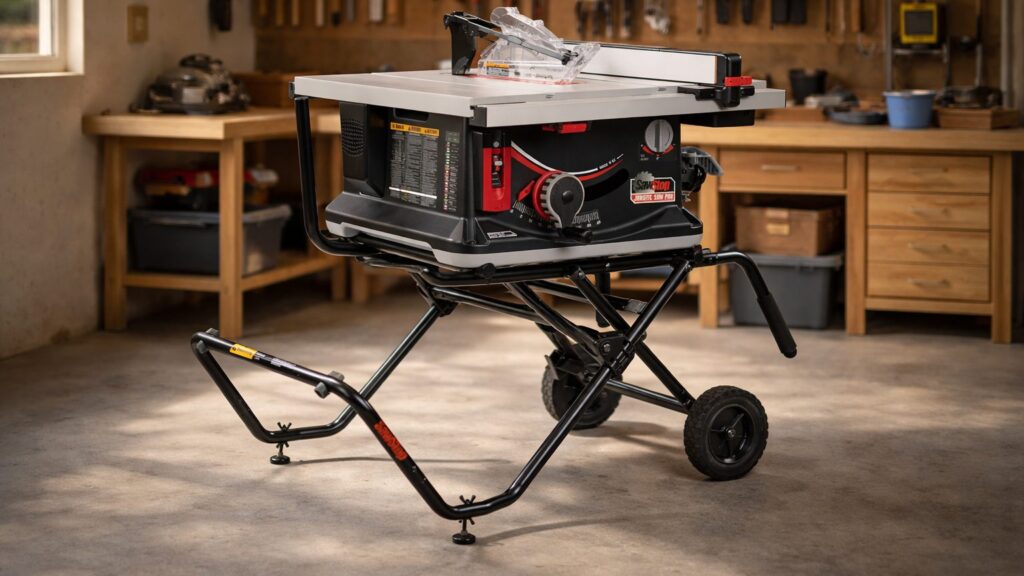
Why Table Saws Matter
Discover why table saws are essential for precision, efficiency, and control in woodworking projects of all types.
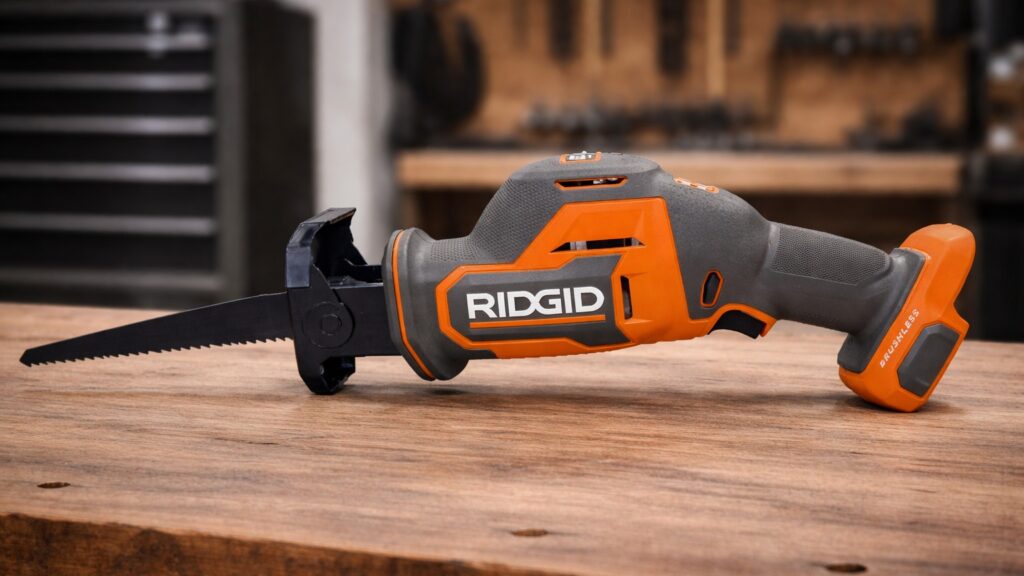
What Makes Reciprocating Saws Different from Oscillating Tools
Understand the key differences in motion, control, and cutting performance between reciprocating saws and oscillating tools.
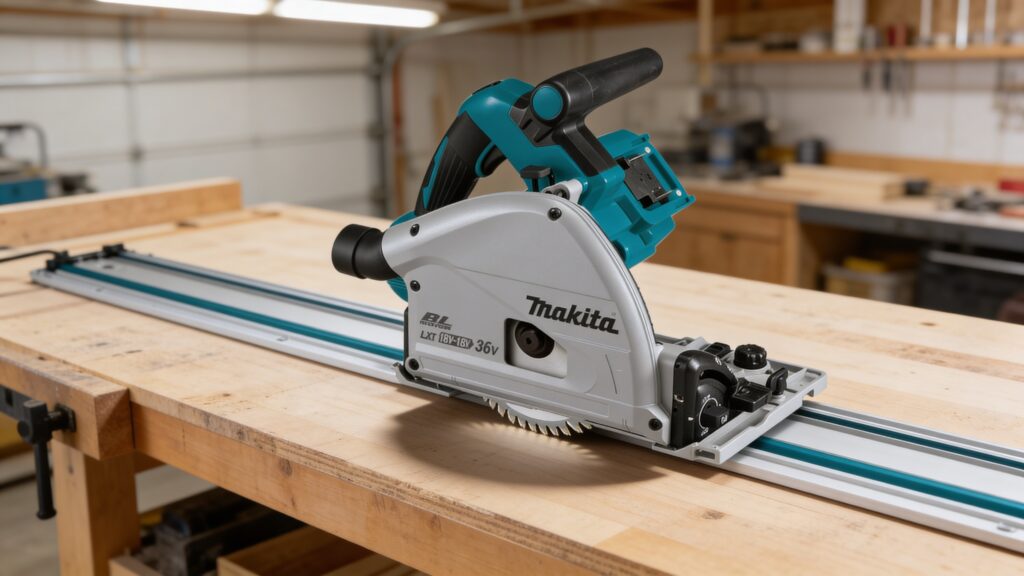
How Track Saws Works
Understand how track saws deliver precise, splinter-free cuts using guided rails and plunge-cutting mechanics for professional results.
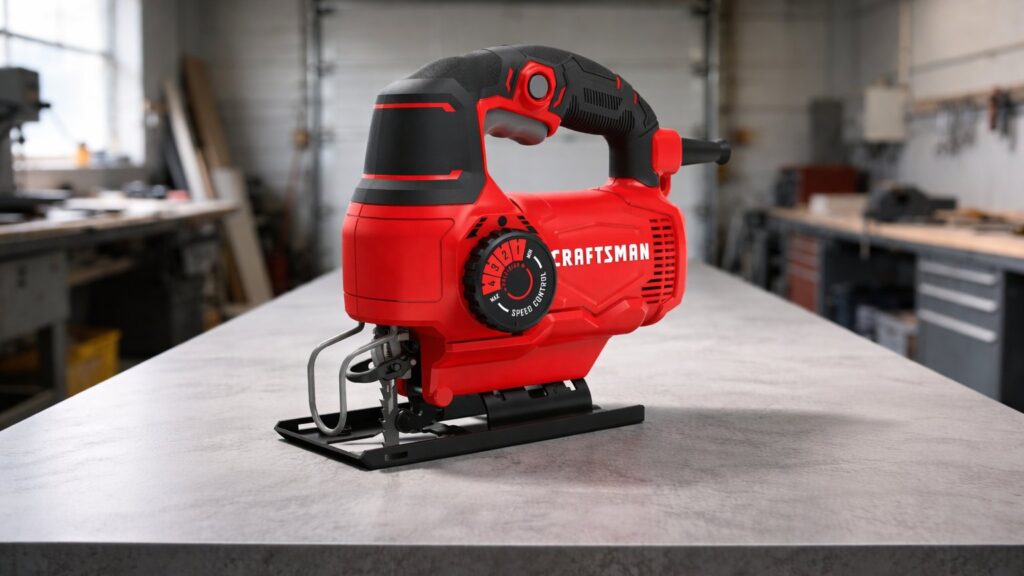
Why Jigsaws Orbital Action Matters
Orbital action transforms how jigsaws cut—unlock faster progress, cleaner curves, and better control across different materials.
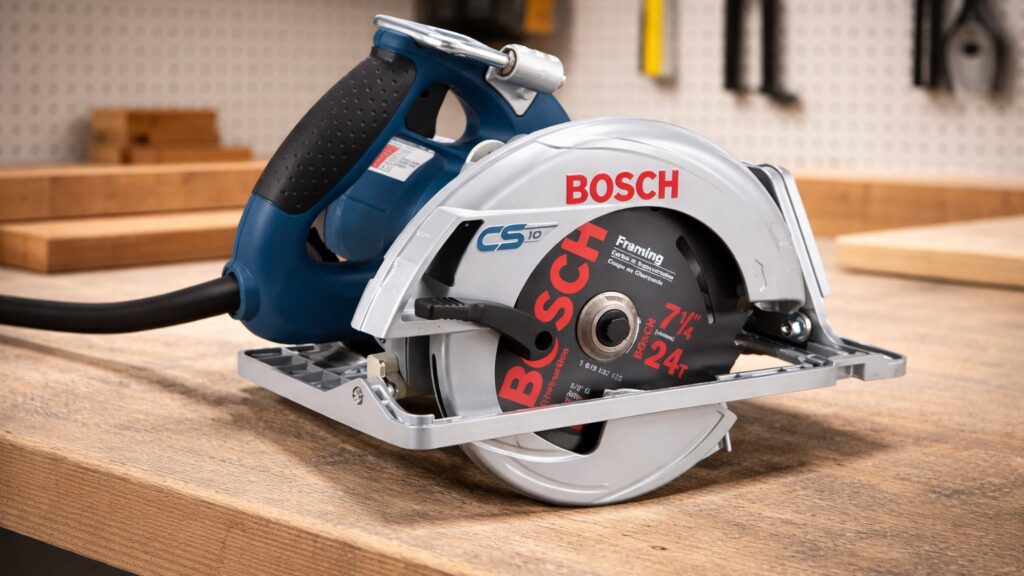
How Circular Saws Depth Adjustment Works
Master circular saw depth settings for cleaner cuts, better control, and safer, more precise results every time.
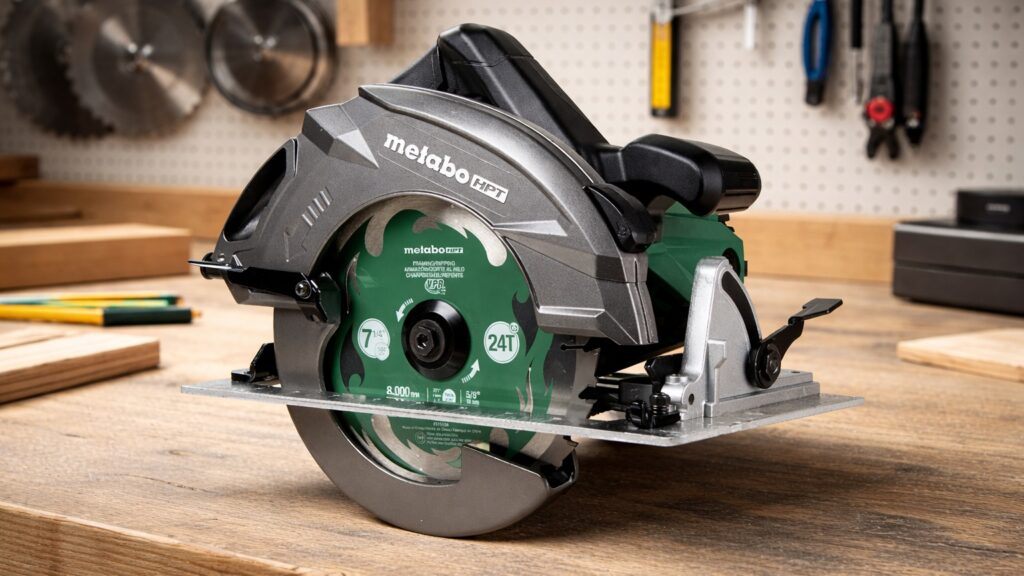
Why Circular Saws Motor Power Matters
Discover how motor power impacts cutting speed, performance, and the types of projects your circular saw can handle.
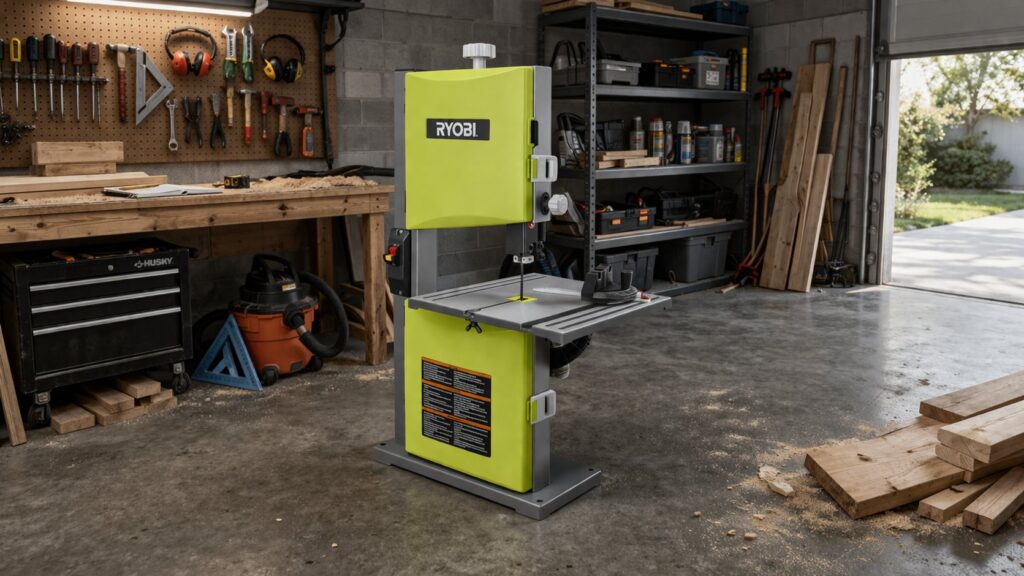
What Makes Band Saws Different from Jigsaws
See how band saws and jigsaws differ in motion, control, and cutting behavior across curves, precision, and material handling.
Browse
Saws Explainers by Type
Jump straight to a saw type to explore all explainers inside it — how they work, key specs, cutting behavior, and when to use each.
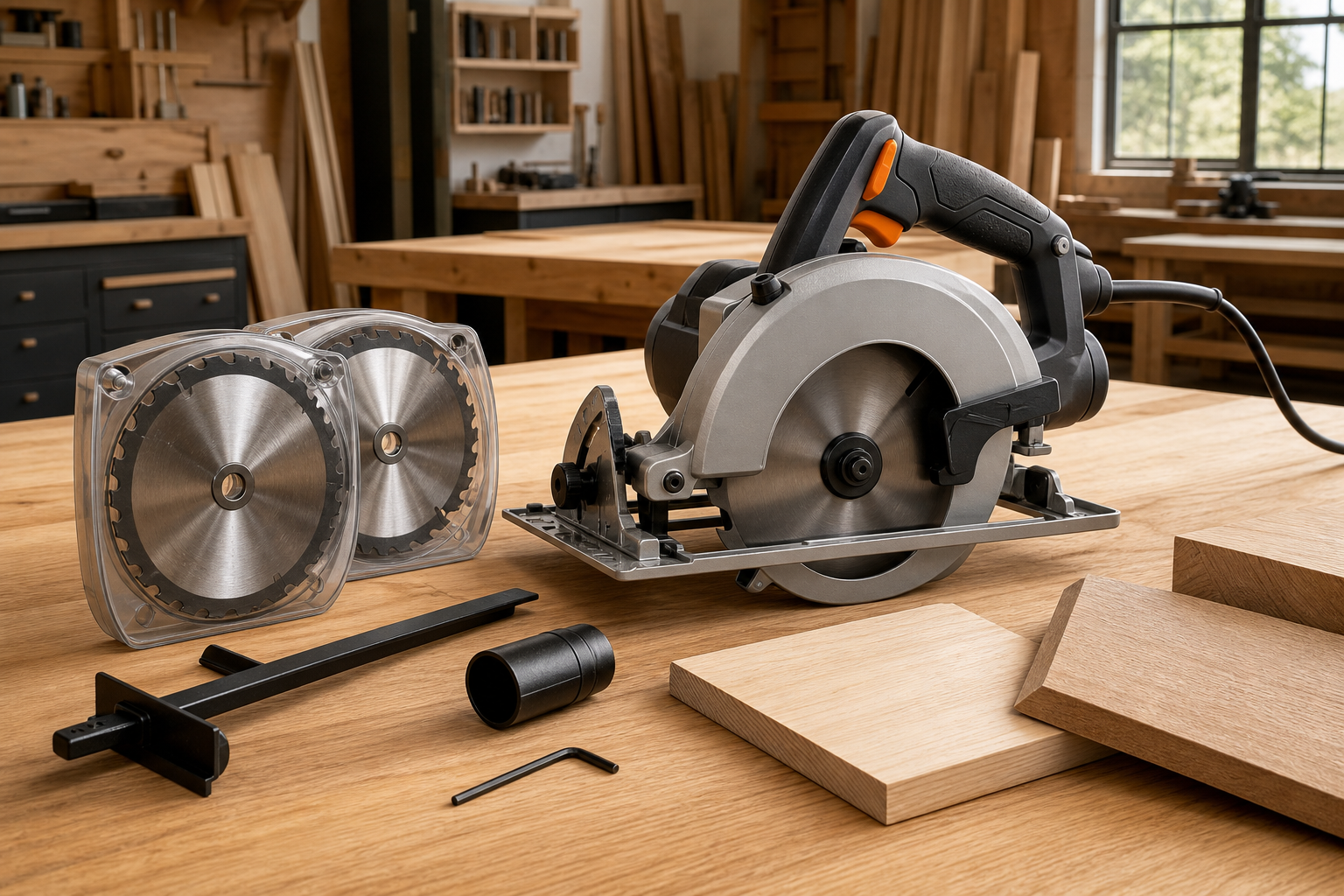
Explainers
General-purpose cutting — blade orientation, depth settings, line control, and common framing use cases.
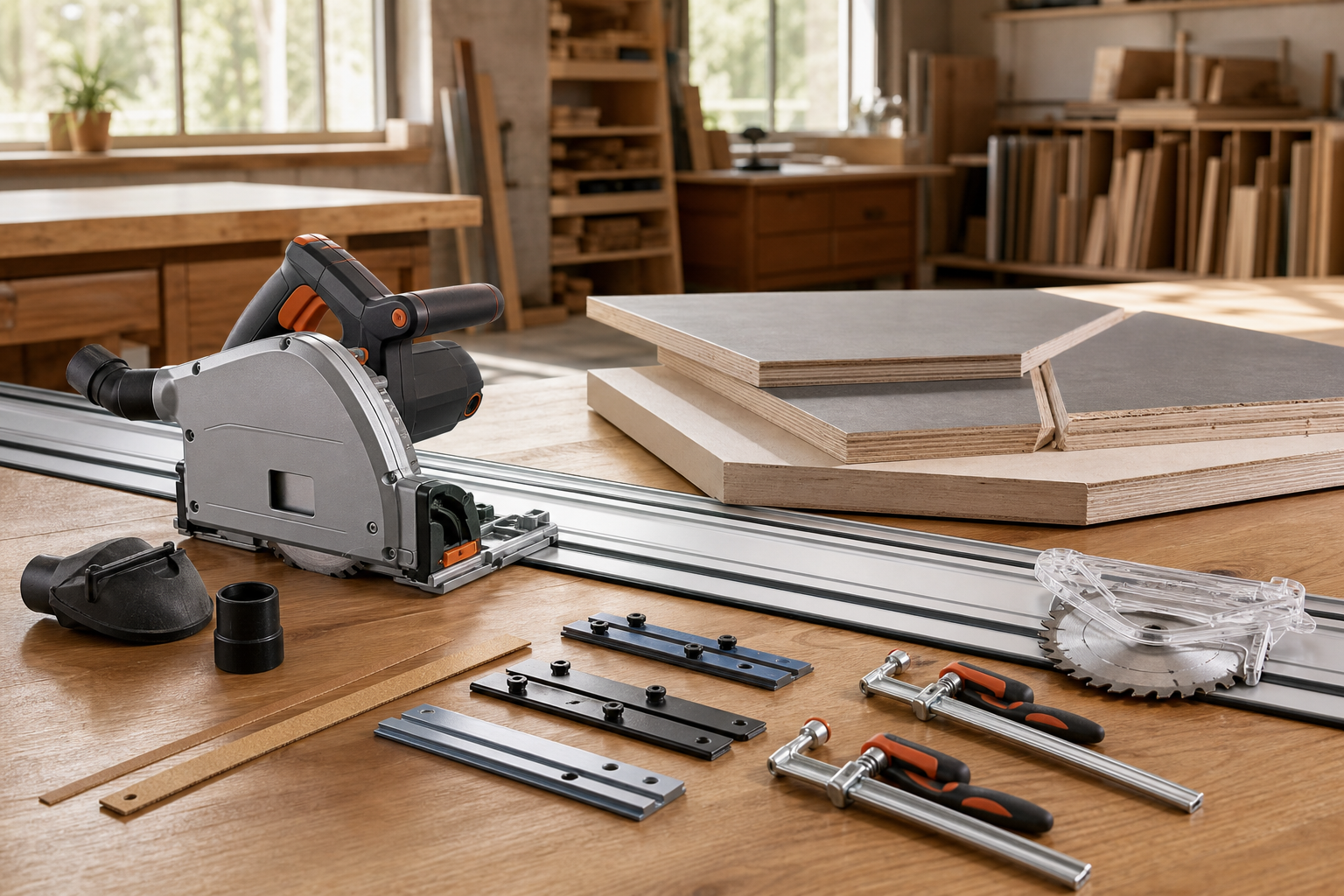
Explainers
Guided precision cutting — plunge mechanics, rail systems, splinter control, and sheet-good accuracy.
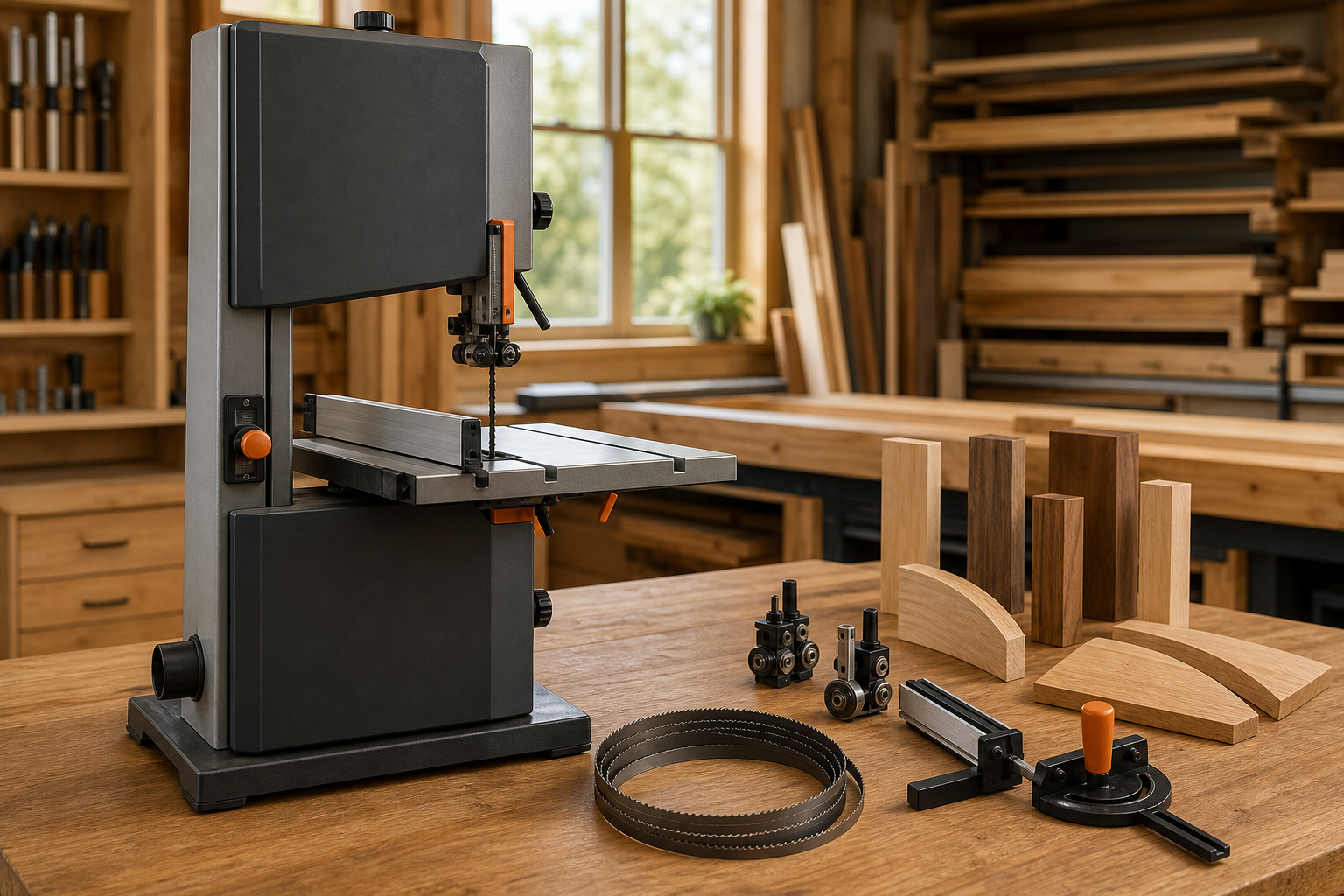
Explainers
Controlled curved and resaw cutting — blade tracking, tension, wheel setup, and stock handling basics.
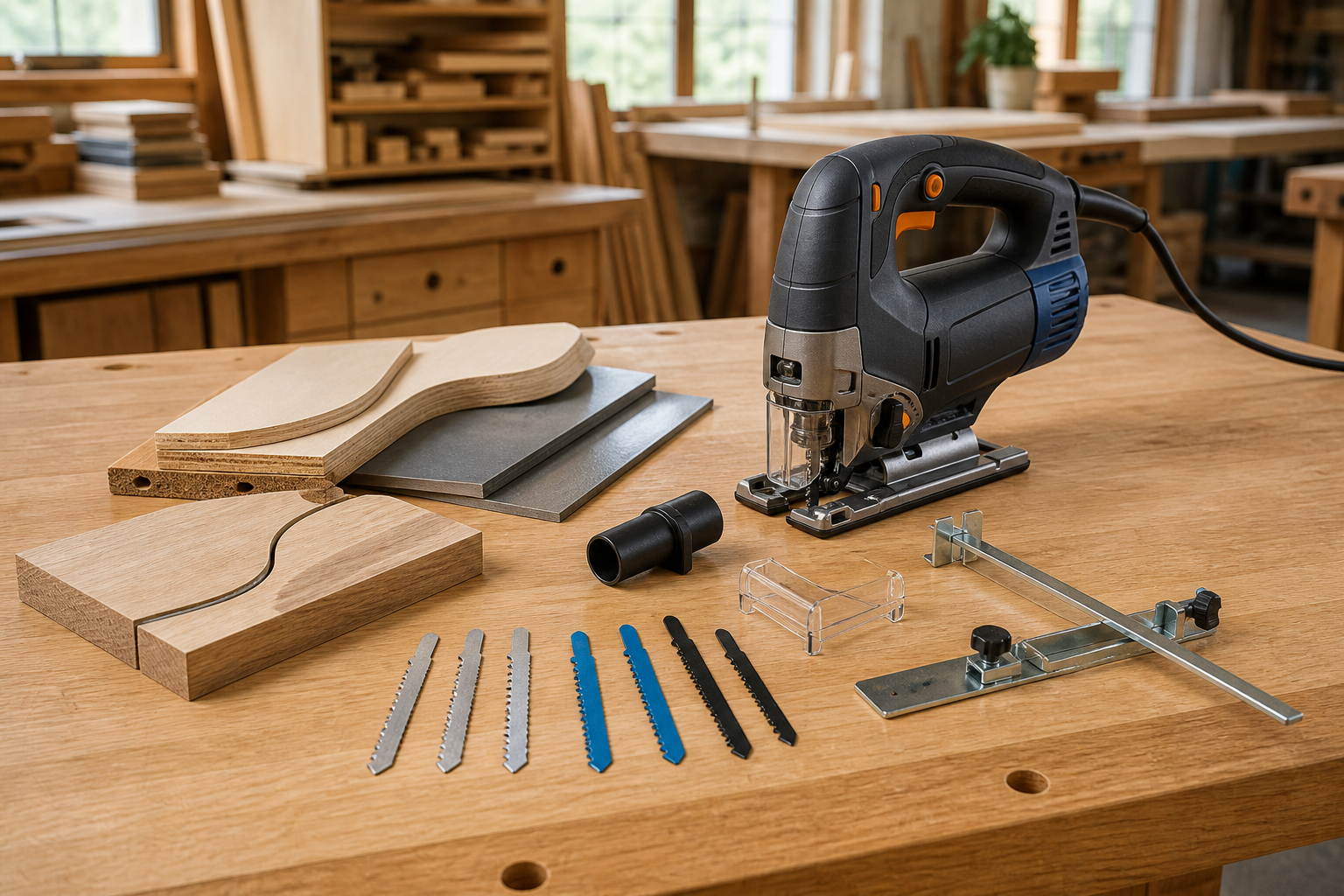
Explainers
Tight curves and cutouts — blade choice, orbital action, tearout control, and accuracy in thinner materials.
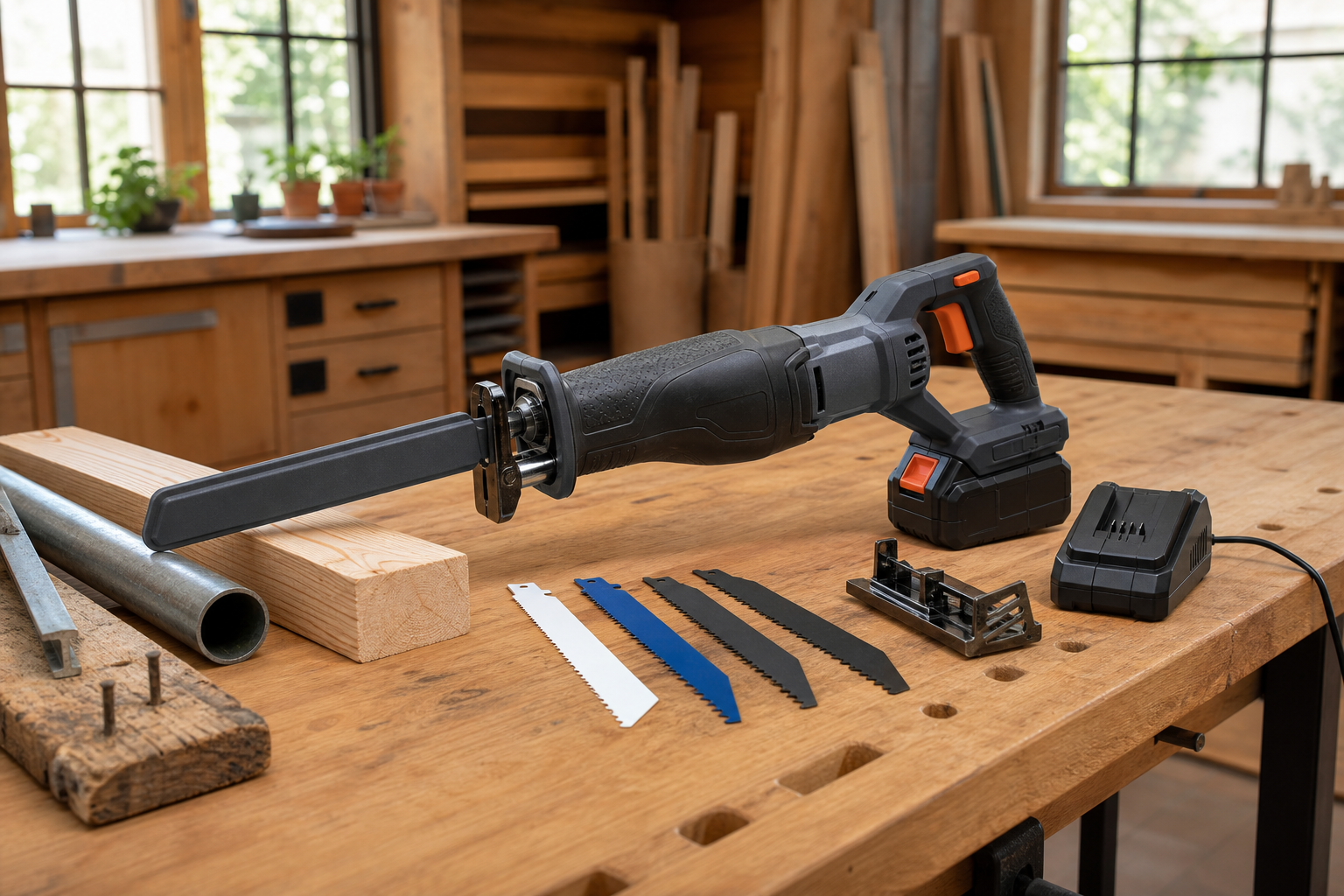
Explainers
Fast demolition and rough cutting — stroke length, vibration control, blade selection, and material strategy.
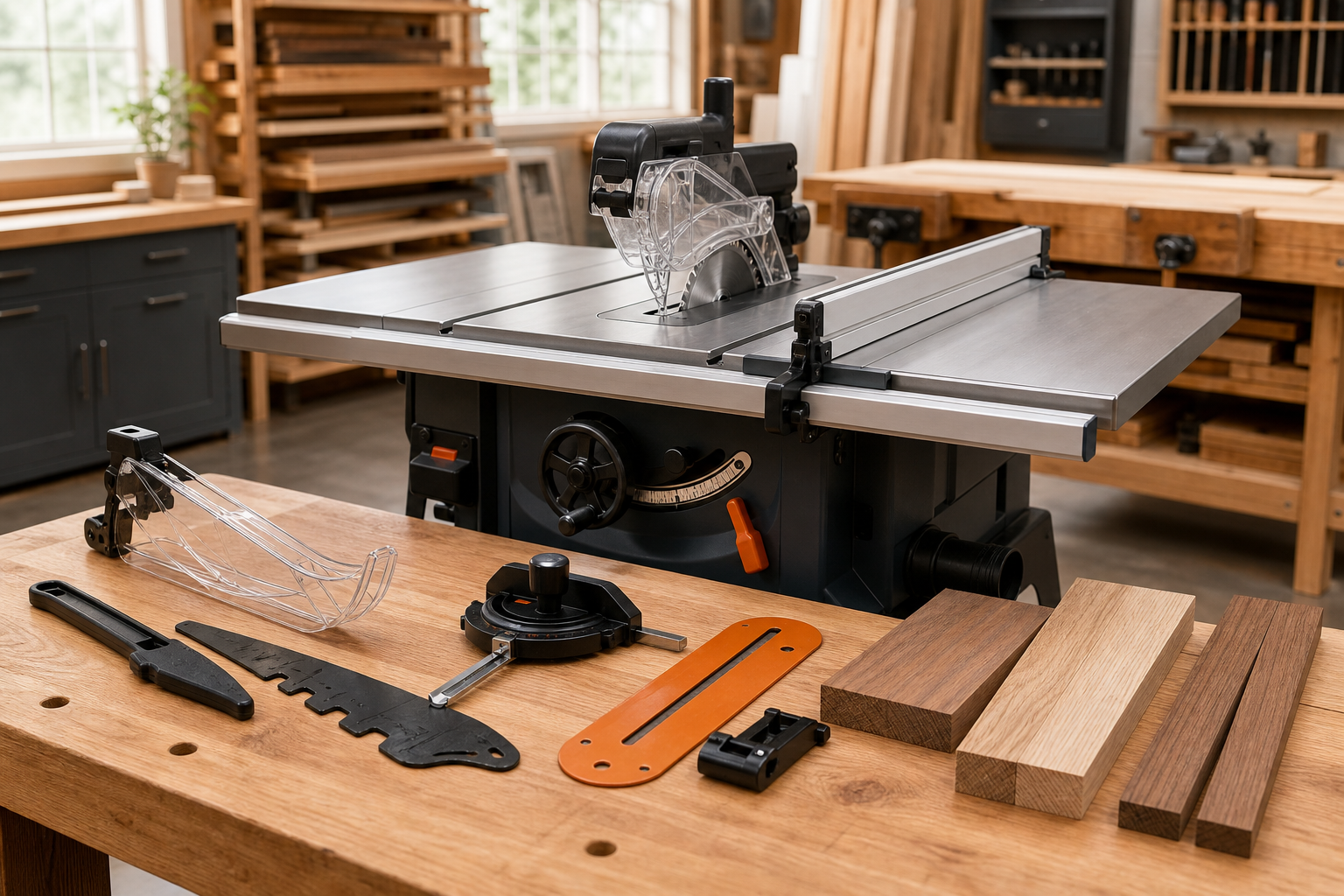
Explainers
Straight, repeatable workshop cuts — fence alignment, blade height, kickback prevention, and feed technique.
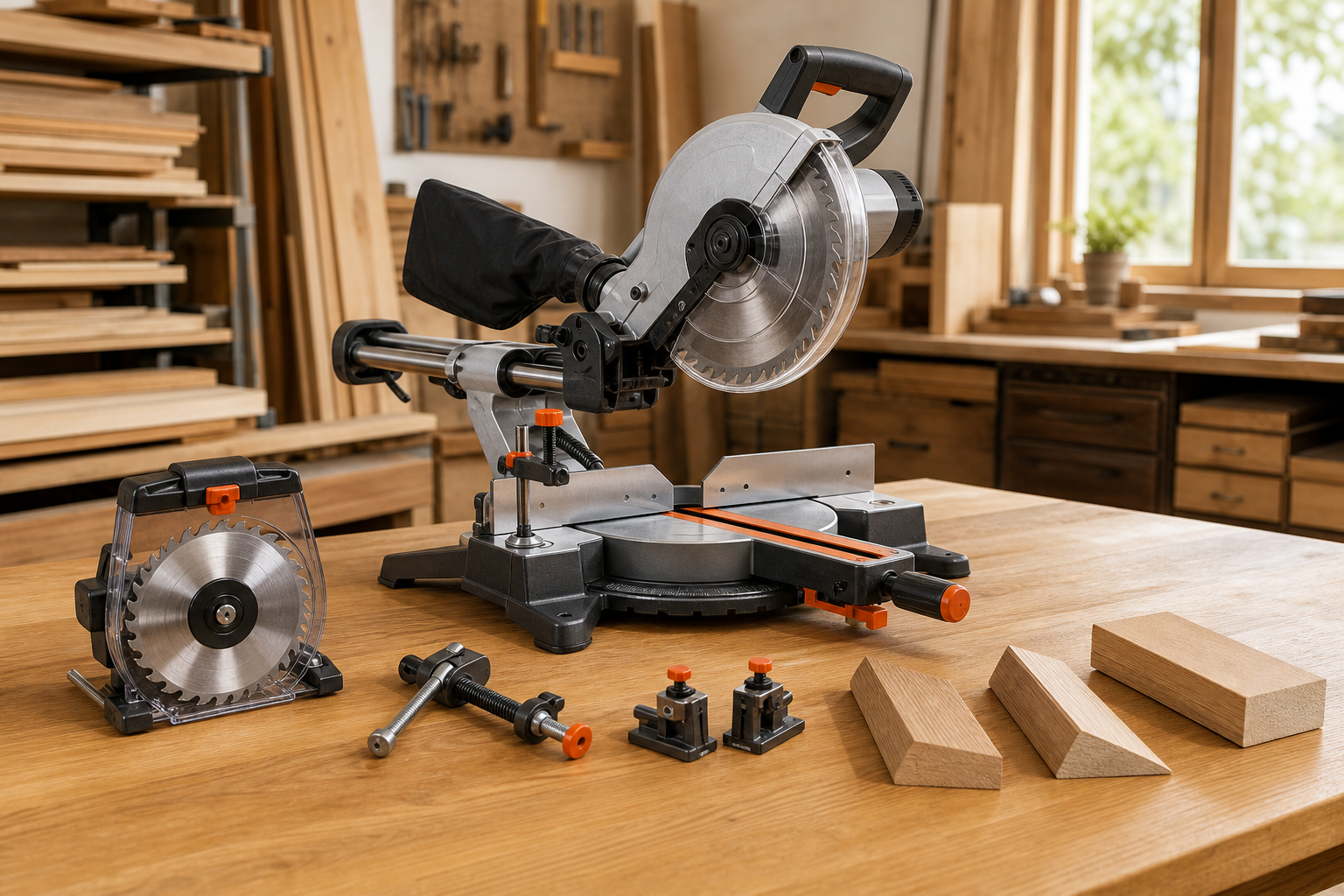
Explainers
Crosscuts, miters, and bevels — angle settings, fence support, trim accuracy, and capacity tradeoffs.
Explainers
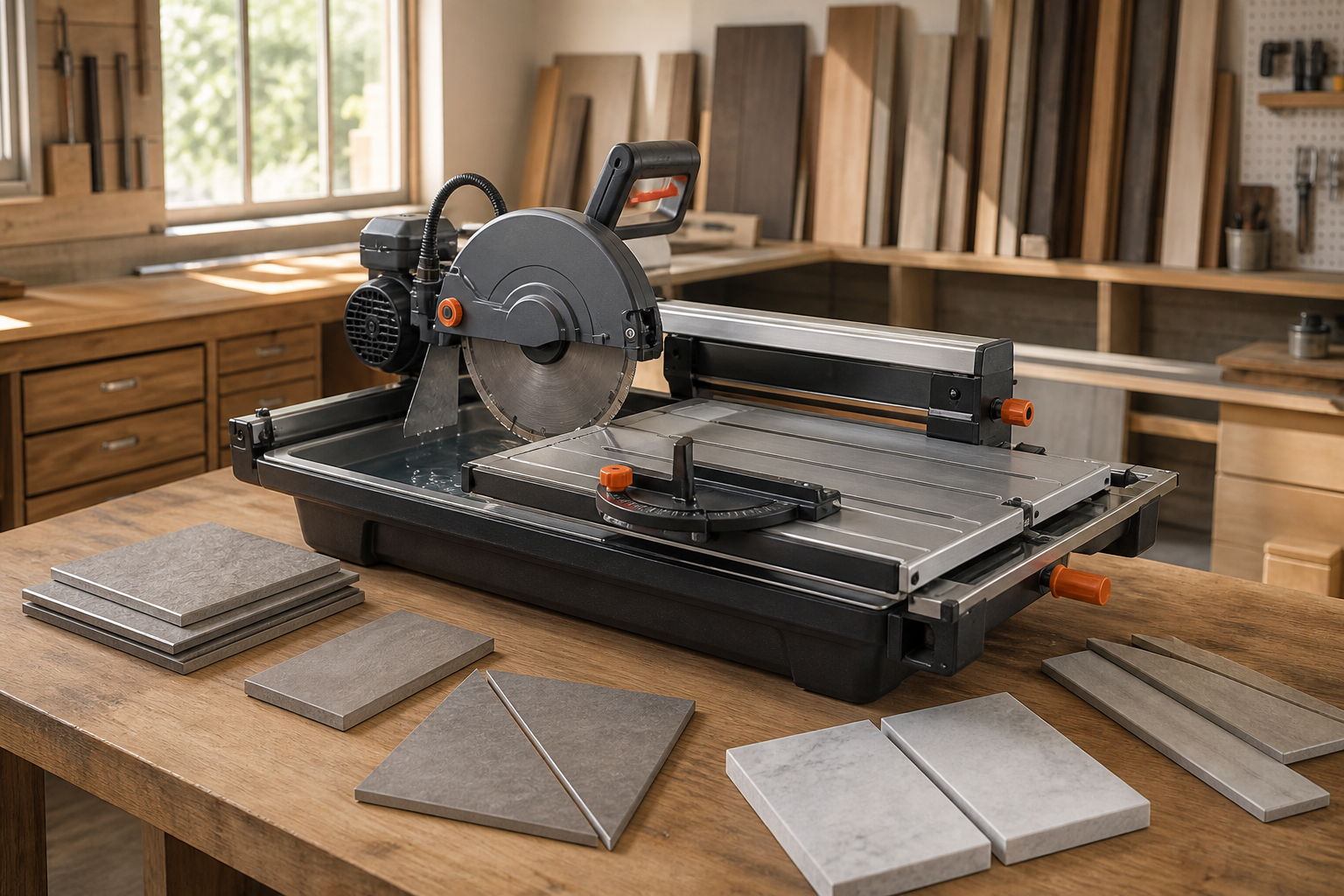
Clean cutting for tile and masonry surfaces — water management, blade types, chipping control, and setup basics.