Brake Components Buying Guide for High-Mileage Vehicle Repairs
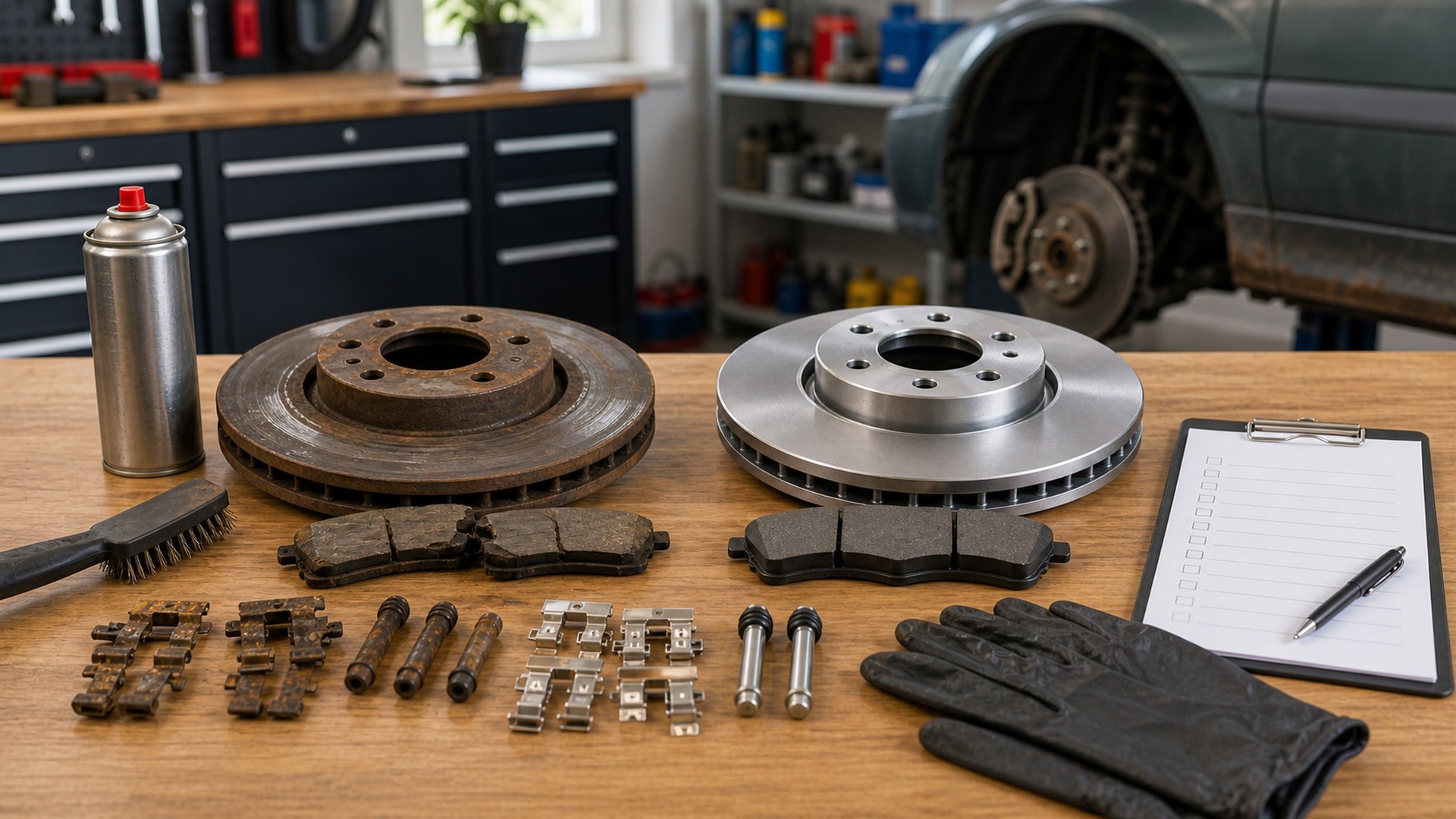
A high-mileage brake guide covering wear patterns, rotors, drums, calipers, hoses, corrosion, hubs, parking brakes, repair scope, and records.

Reviews You Can Trust
A high-mileage brake guide covering wear patterns, rotors, drums, calipers, hoses, corrosion, hubs, parking brakes, repair scope, and records.
An OEM brake-replacement framework covering original configuration, current part numbers, service bulletins, companion hardware, procedures, testing, and warranty records.
A brake-fitment guide using VINs, build codes, axle position, dimensions, original parts, caliper and hose interfaces, sensors, and wheel clearance.
A brake-parts framework covering diagnosis, fitment, pads, rotors, drums, calipers, hoses, hardware, fluid, installation, testing, and bedding.
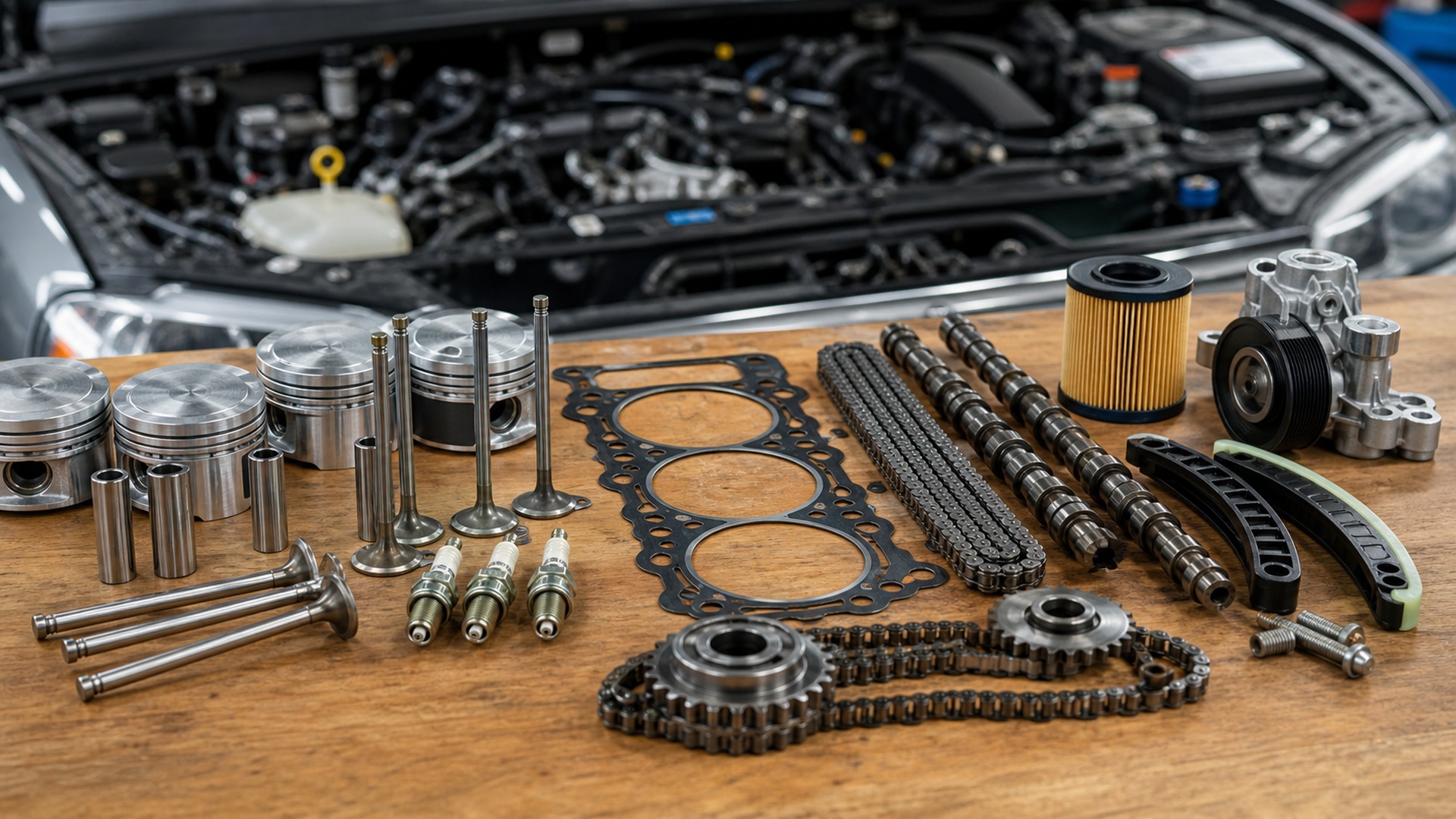
Engine components form coupled pressure, timing, fluid, heat, and feedback loops. Diagnosis must measure the system before replacement parts are chosen.
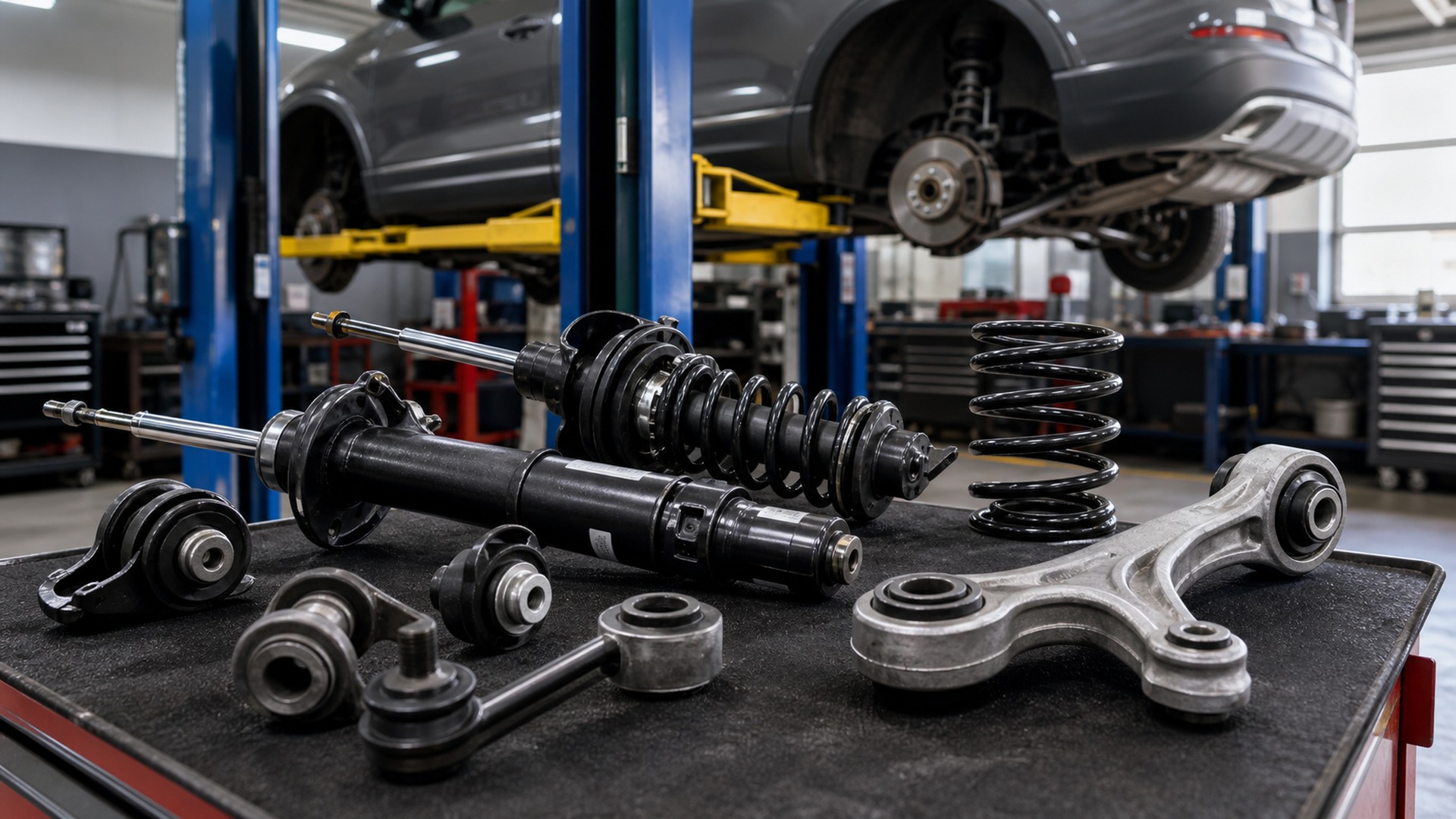
Suspension components support mass, dissipate motion, locate wheels, and preserve tire loading. Diagnosis must follow the complete load path and dynamic behavior.
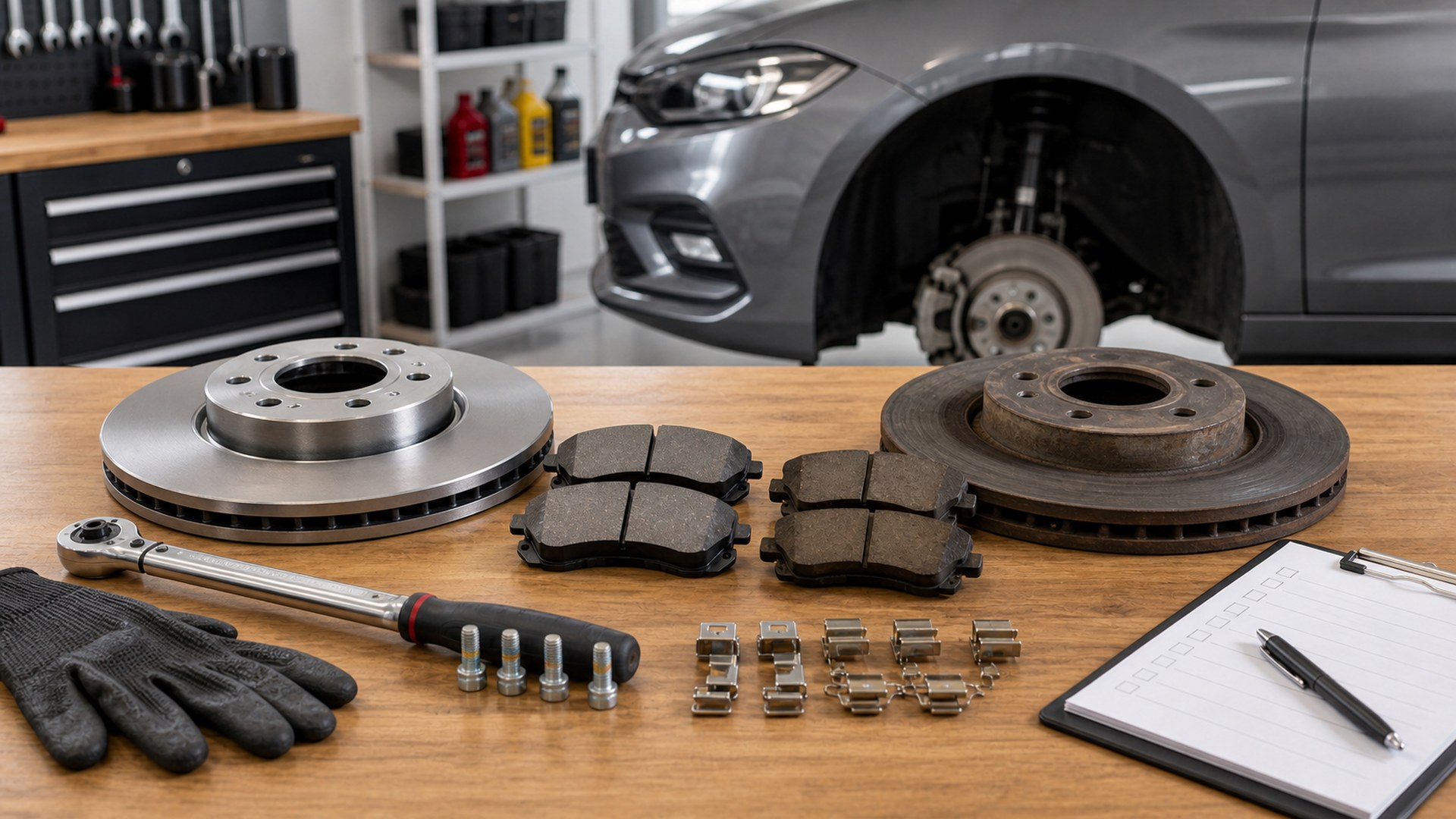
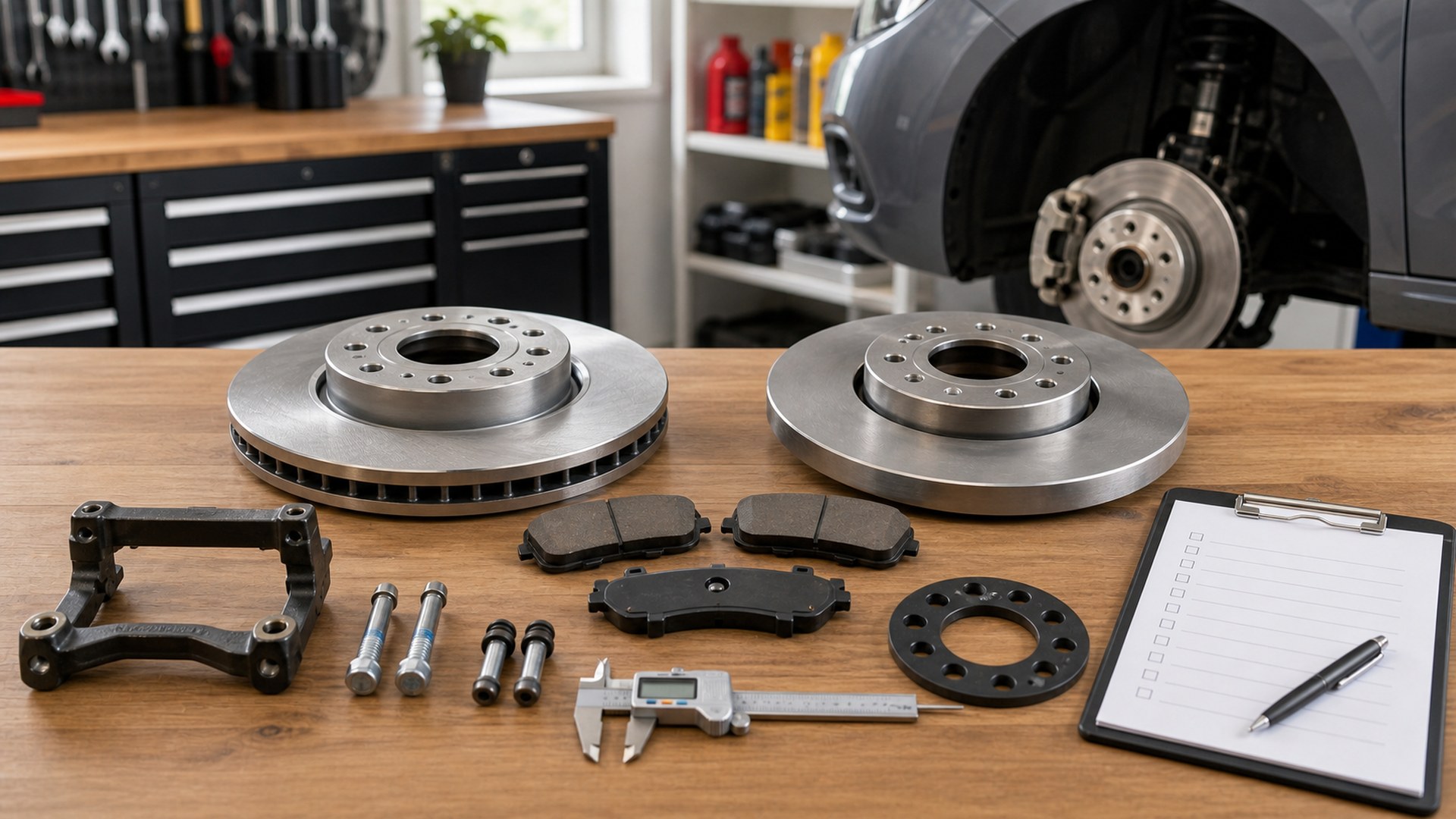
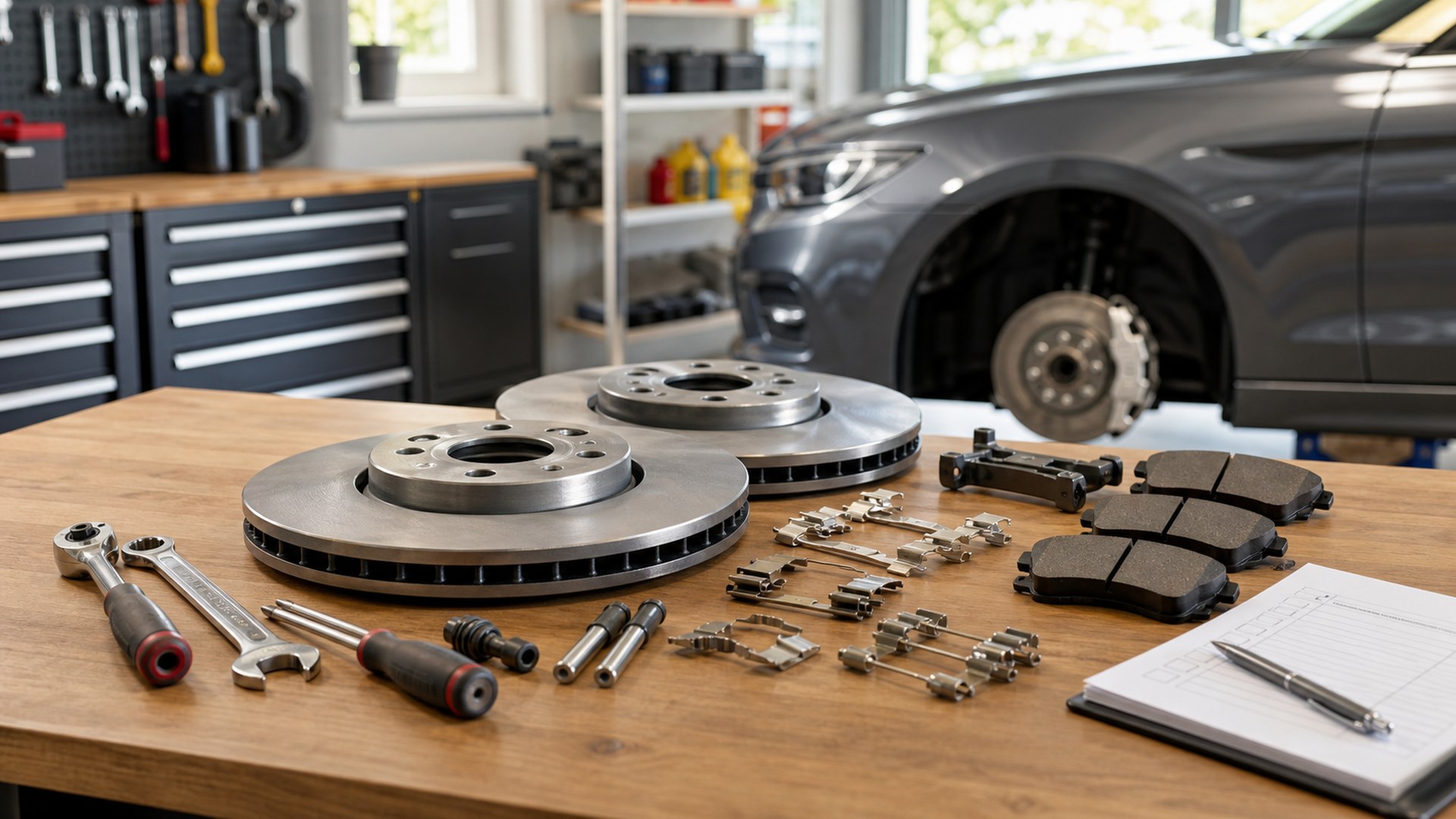
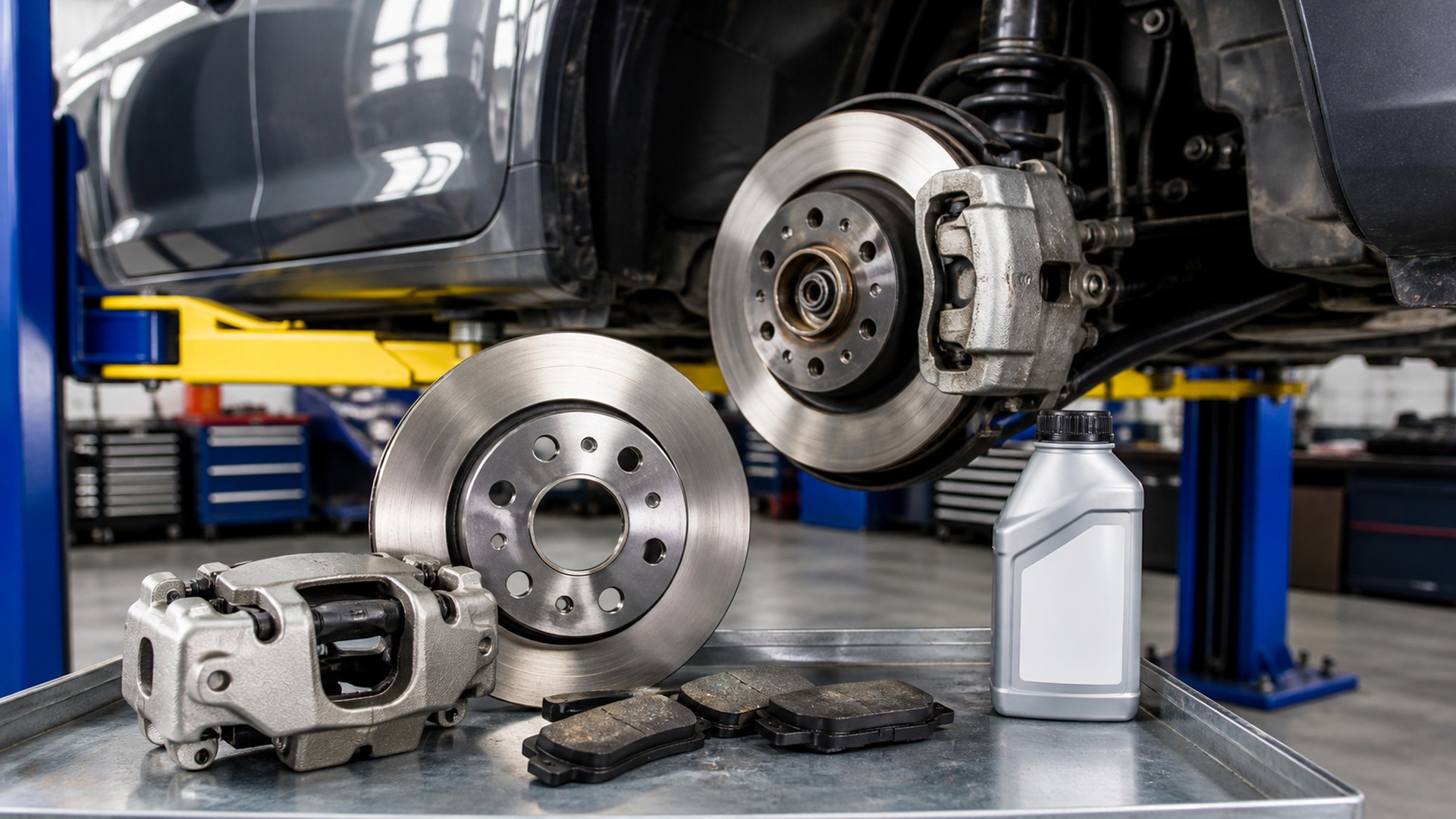
Brake components form a pressure, friction, heat, control, and tire-force chain. Every link must remain balanced for predictable stopping.
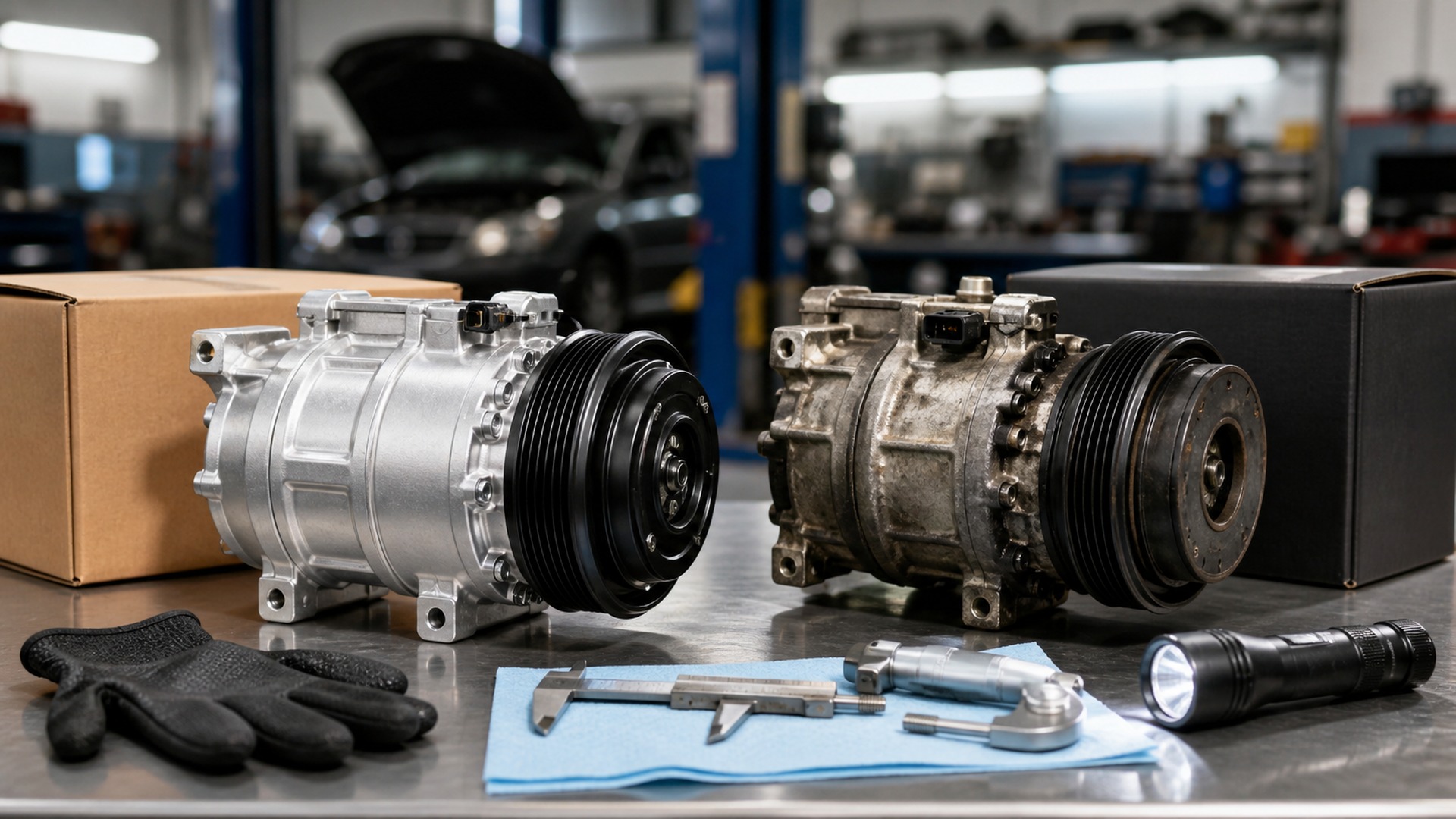
Remanufactured parts restore screened used cores through a defined process; new parts start from unused production inputs. Process and test evidence determine value.
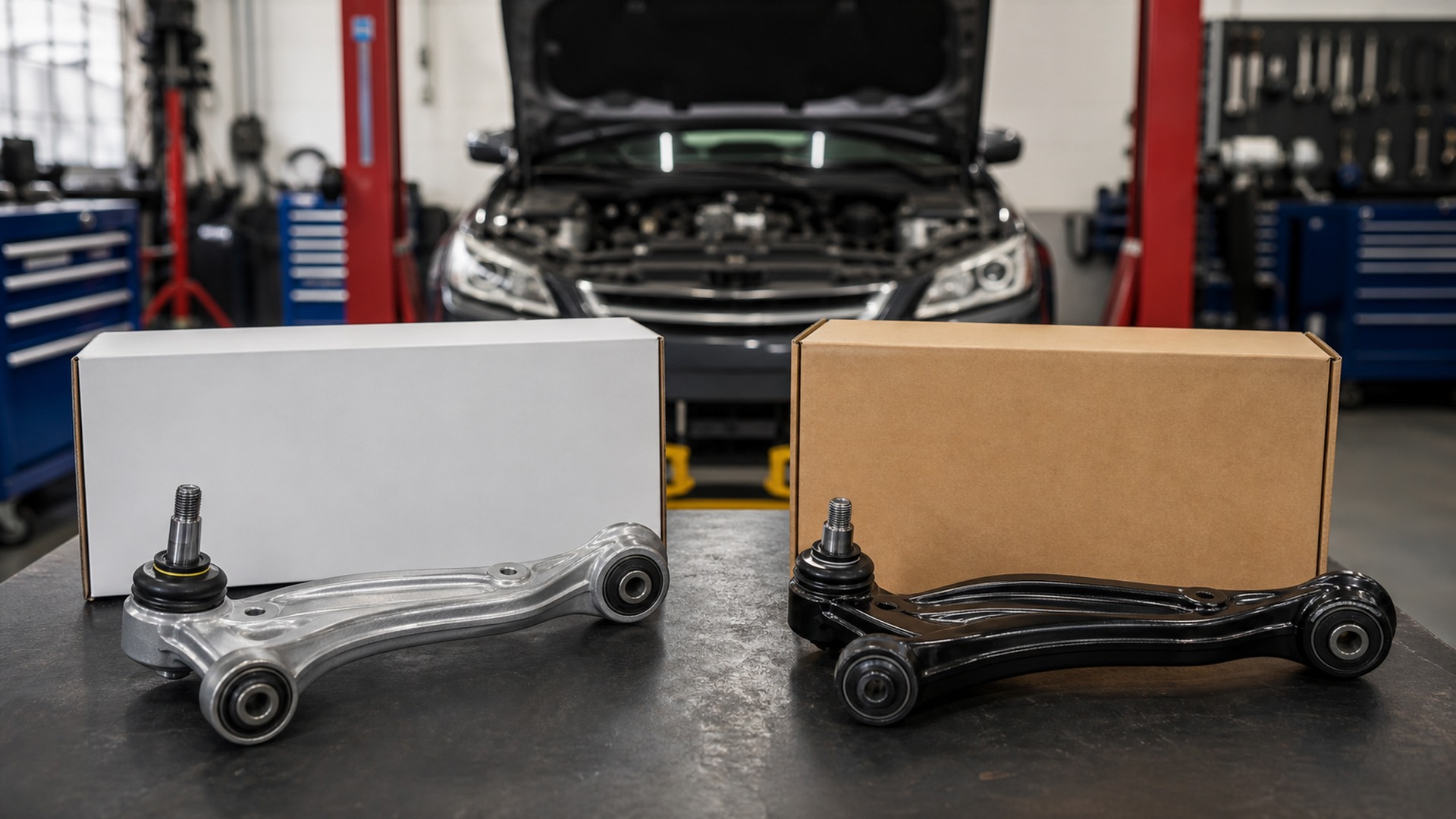
OEM and aftermarket parts differ in specification control, product choice, distribution, and support. The best option depends on the exact function, evidence, and total repair.
A keep-or-replace decision should compare a bounded repair with the real cost and risk of equivalent transportation, while treating safety and structural limits separately.
Aftermarket automotive parts broaden repair supply and design choice, but each manufacturer, product line, application, specification, and warranty needs its own evidence.
OEM replacement parts can reduce repair uncertainty by linking exact vehicle applications to current specifications, procedures, software, and accountable distribution.