When to Use Interior Organization Instead of Interior Comfort
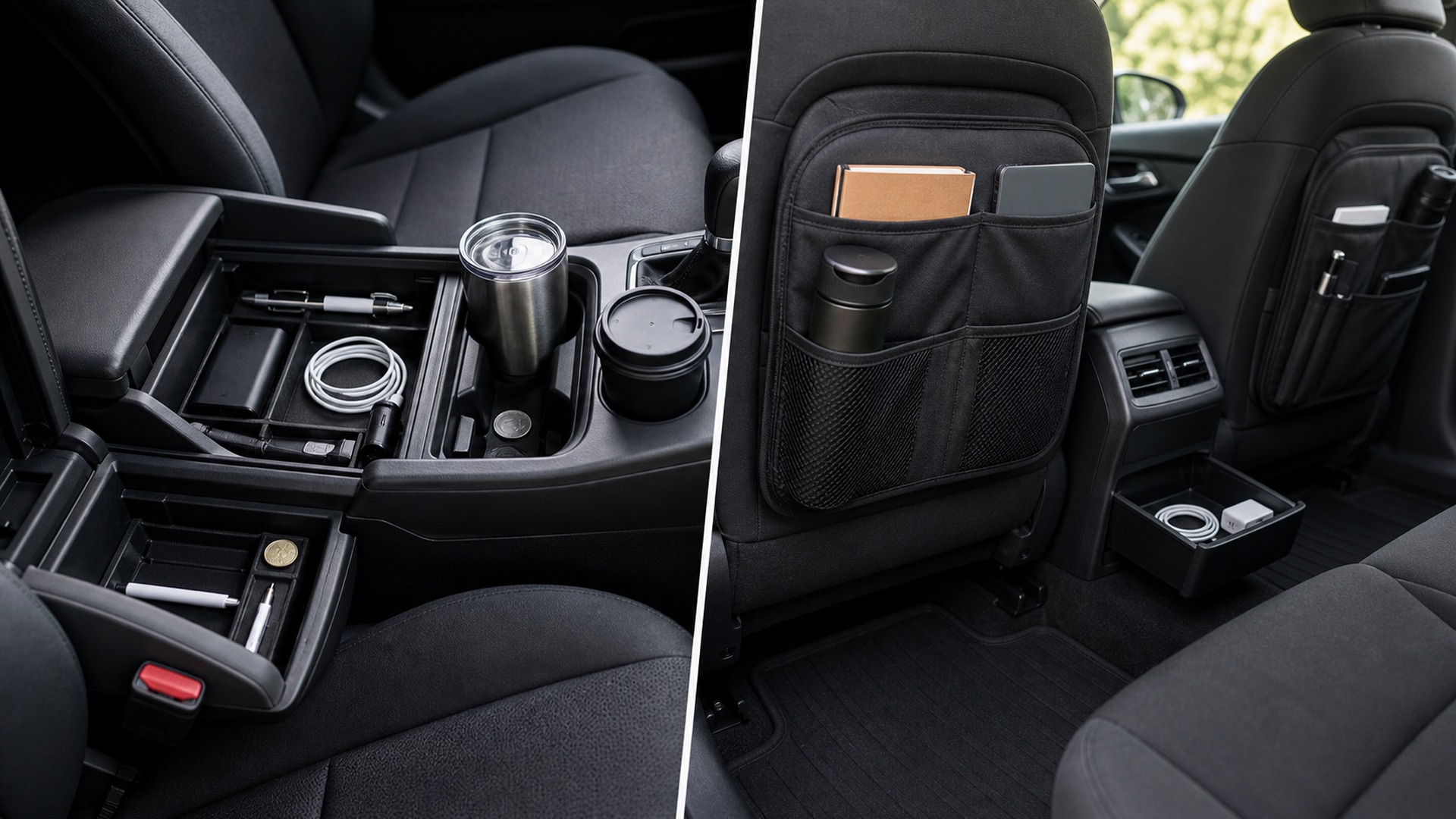
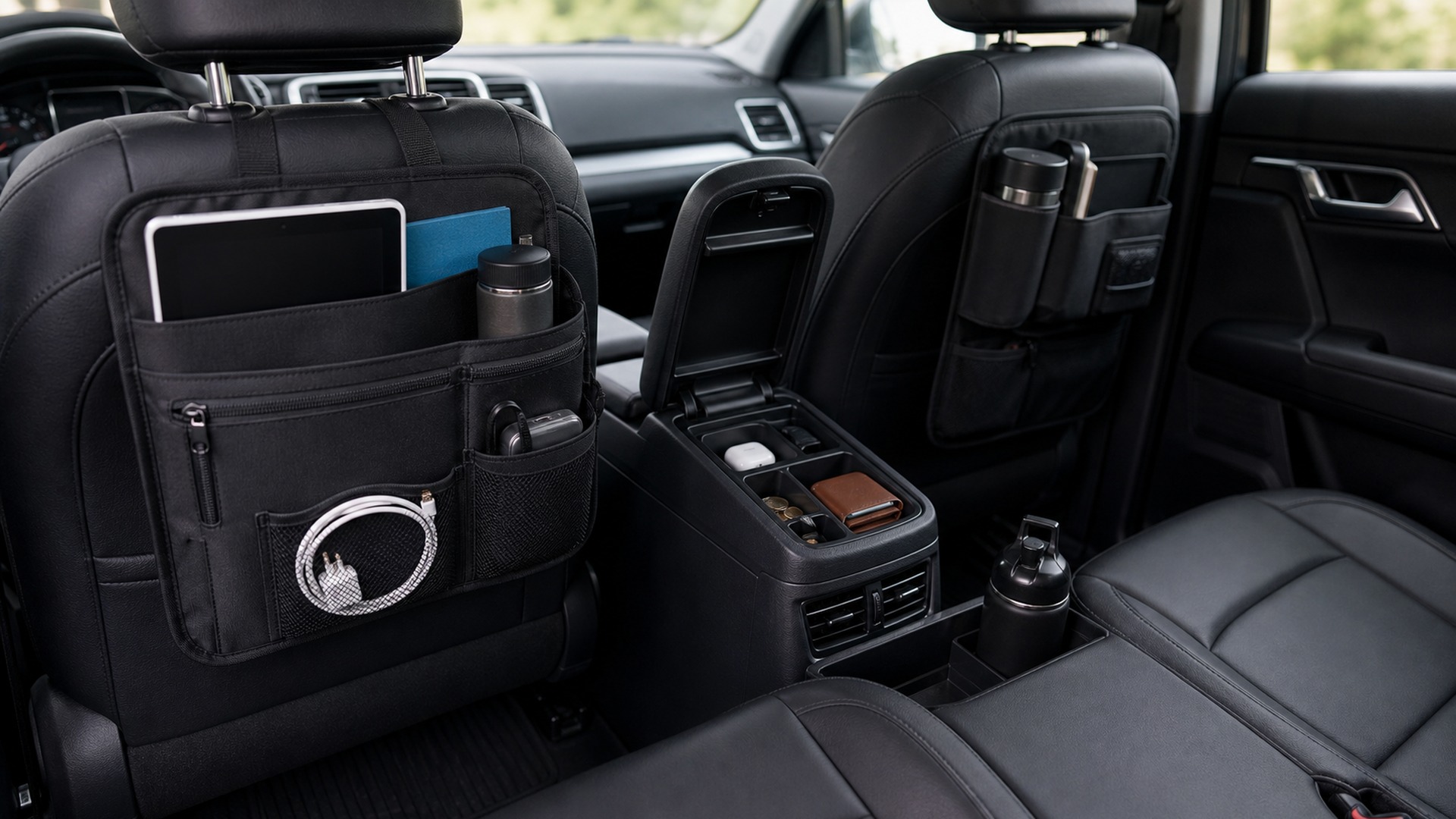
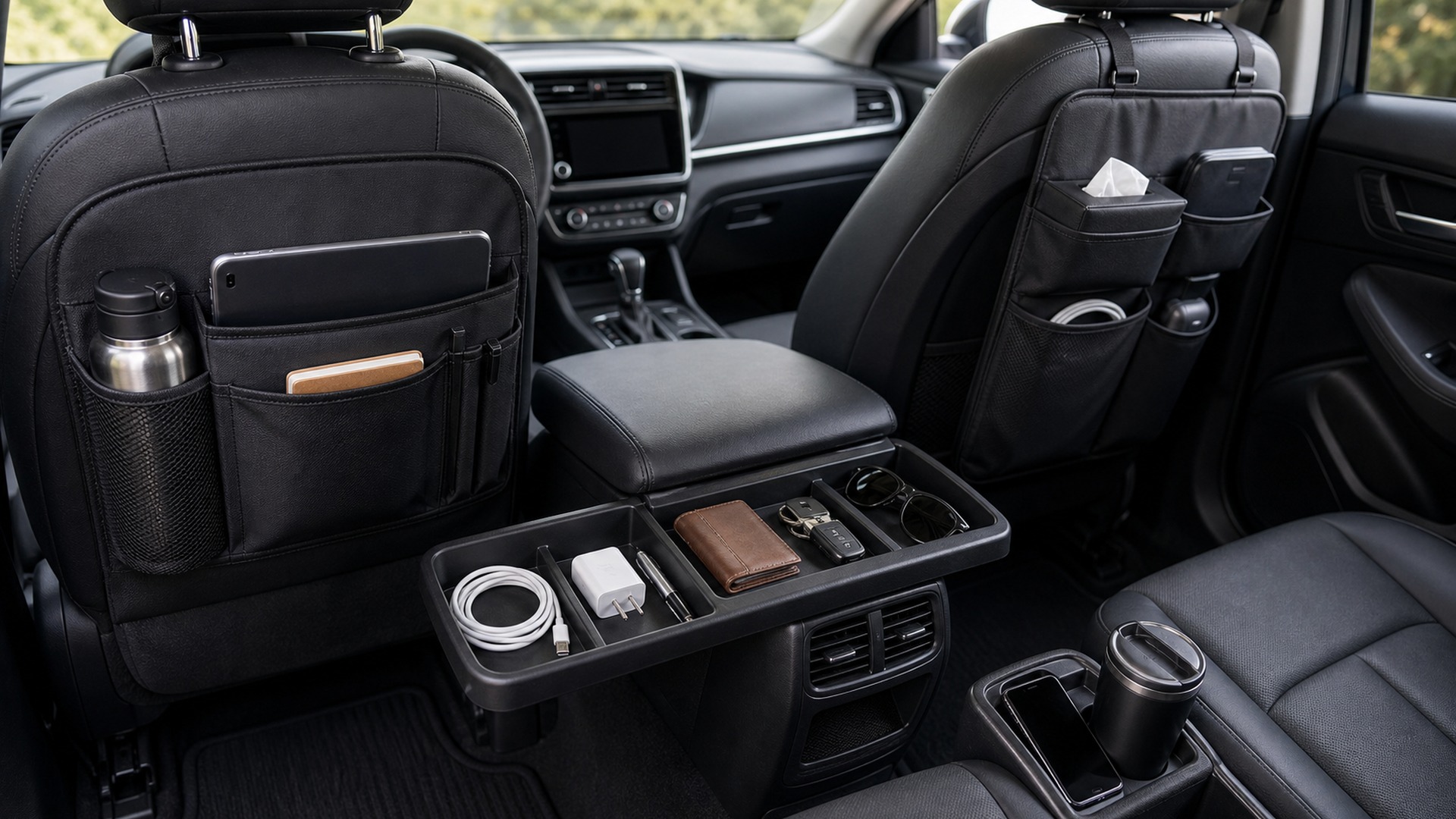
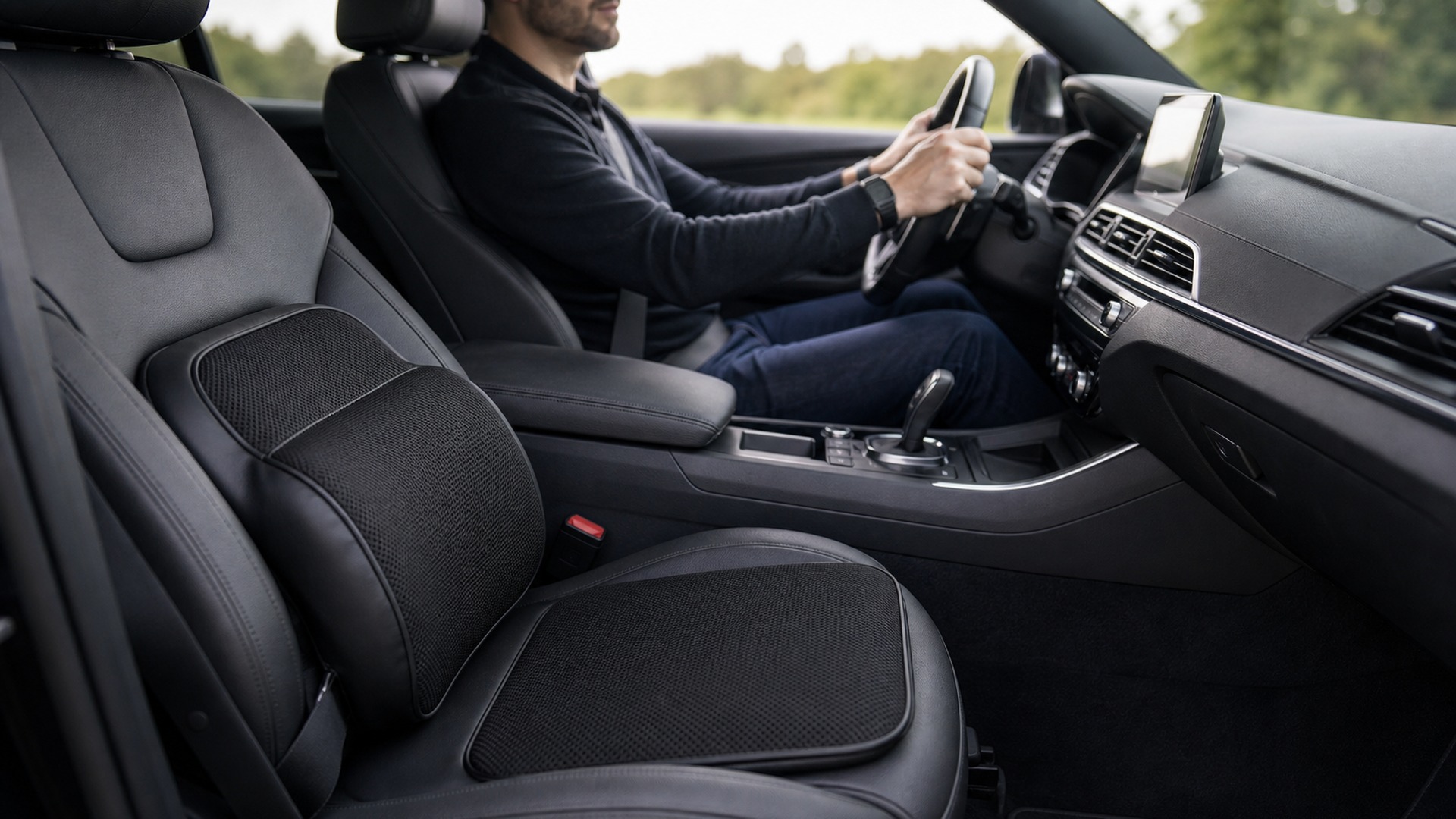
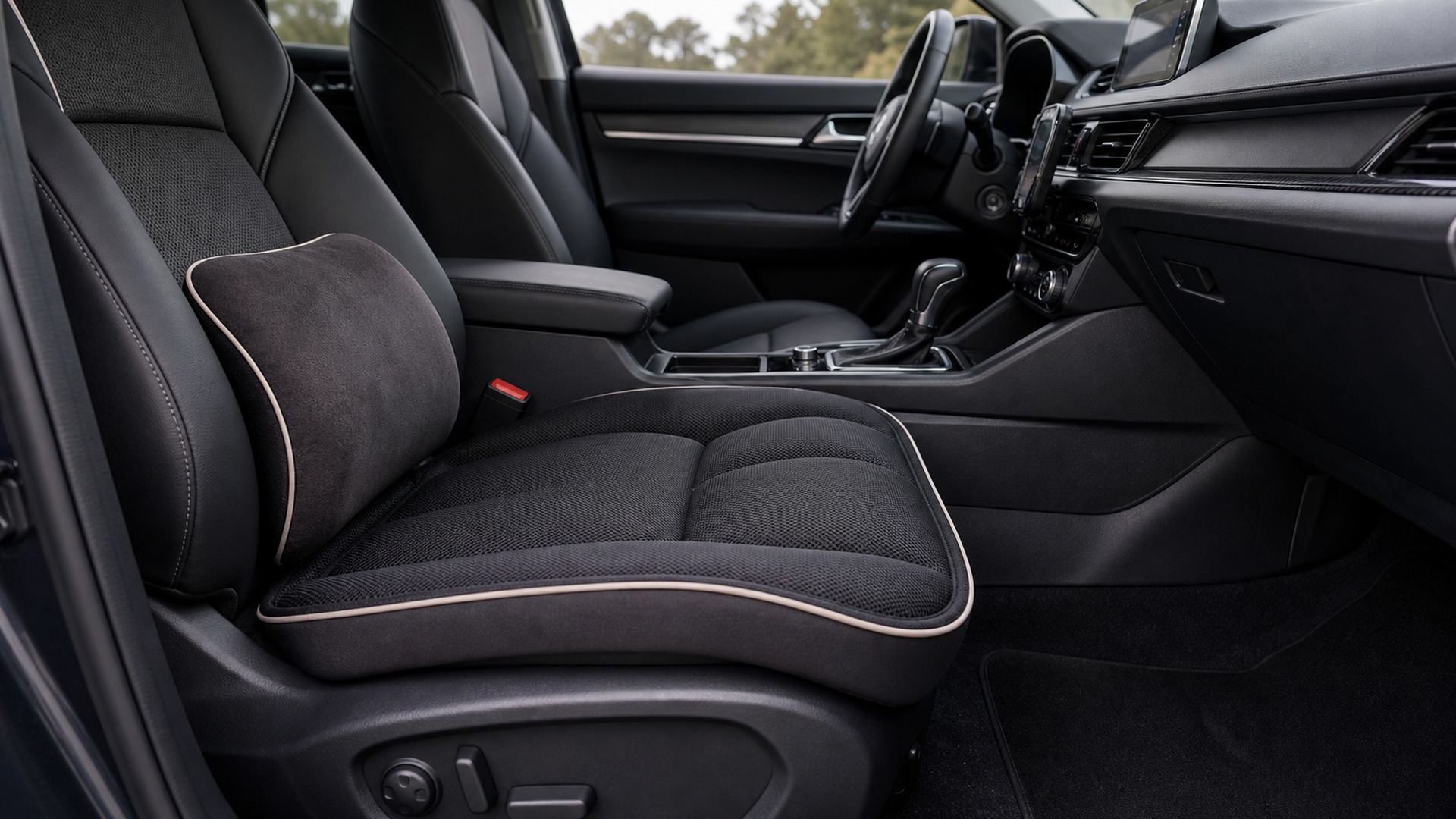
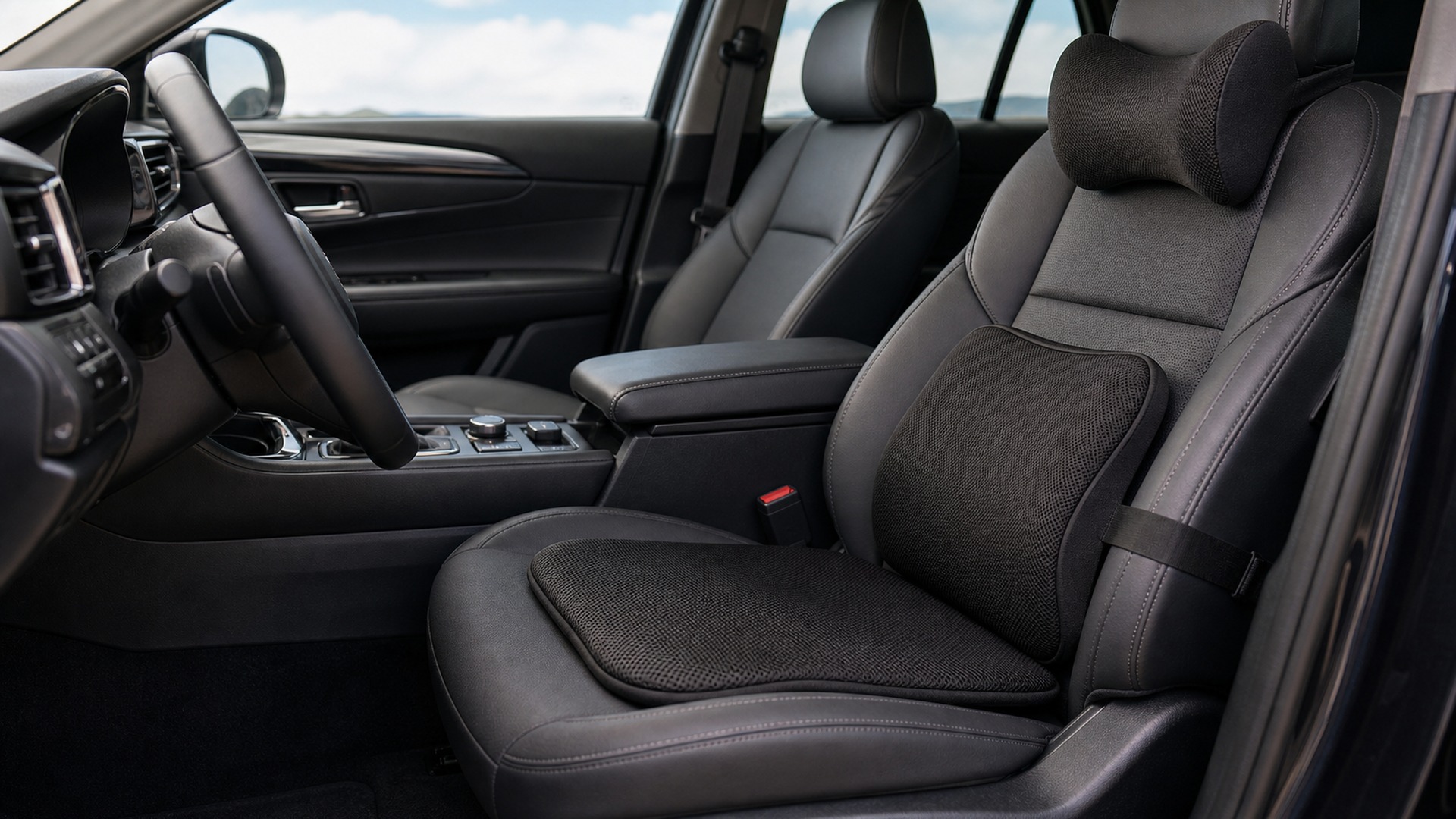
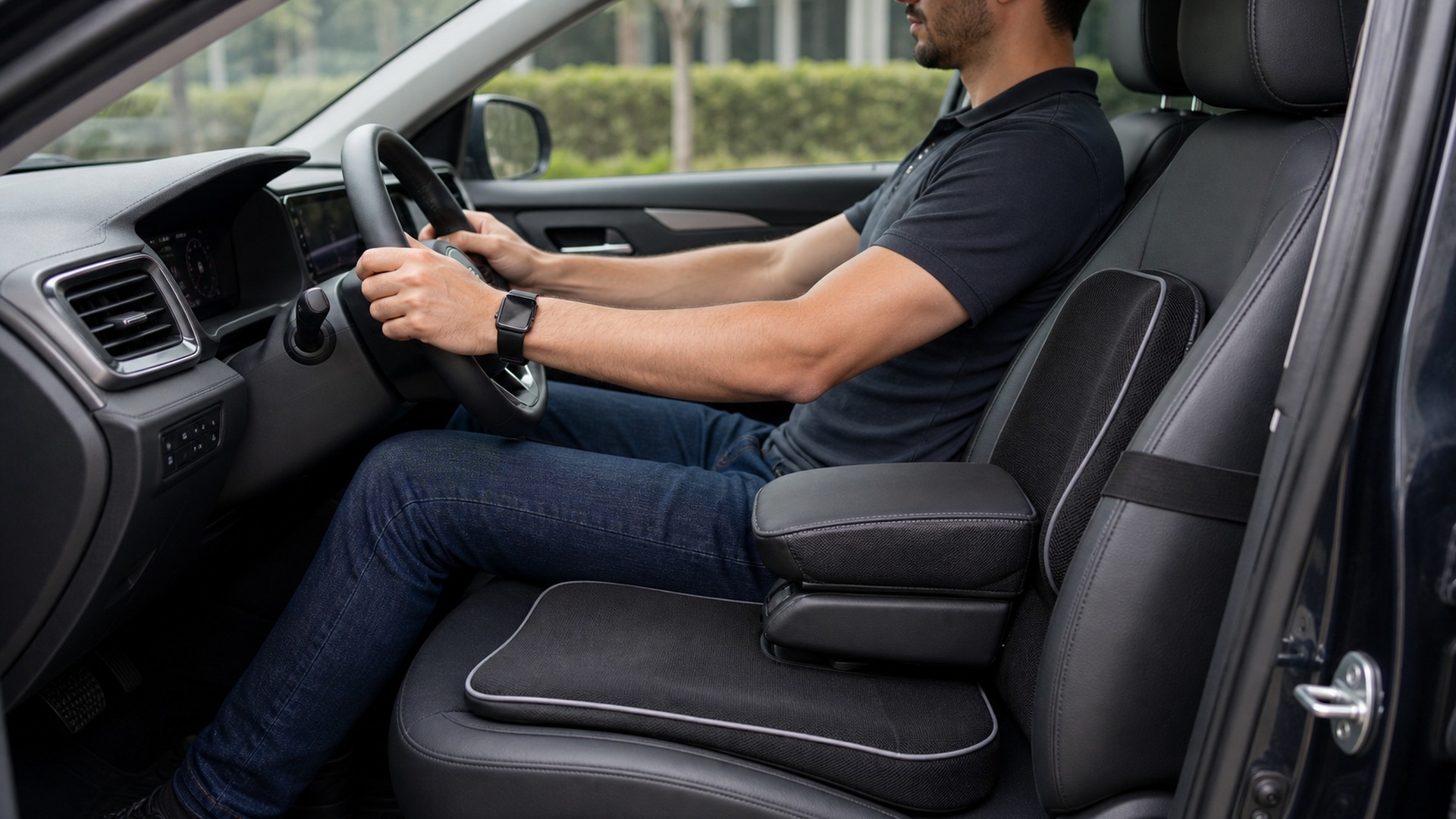
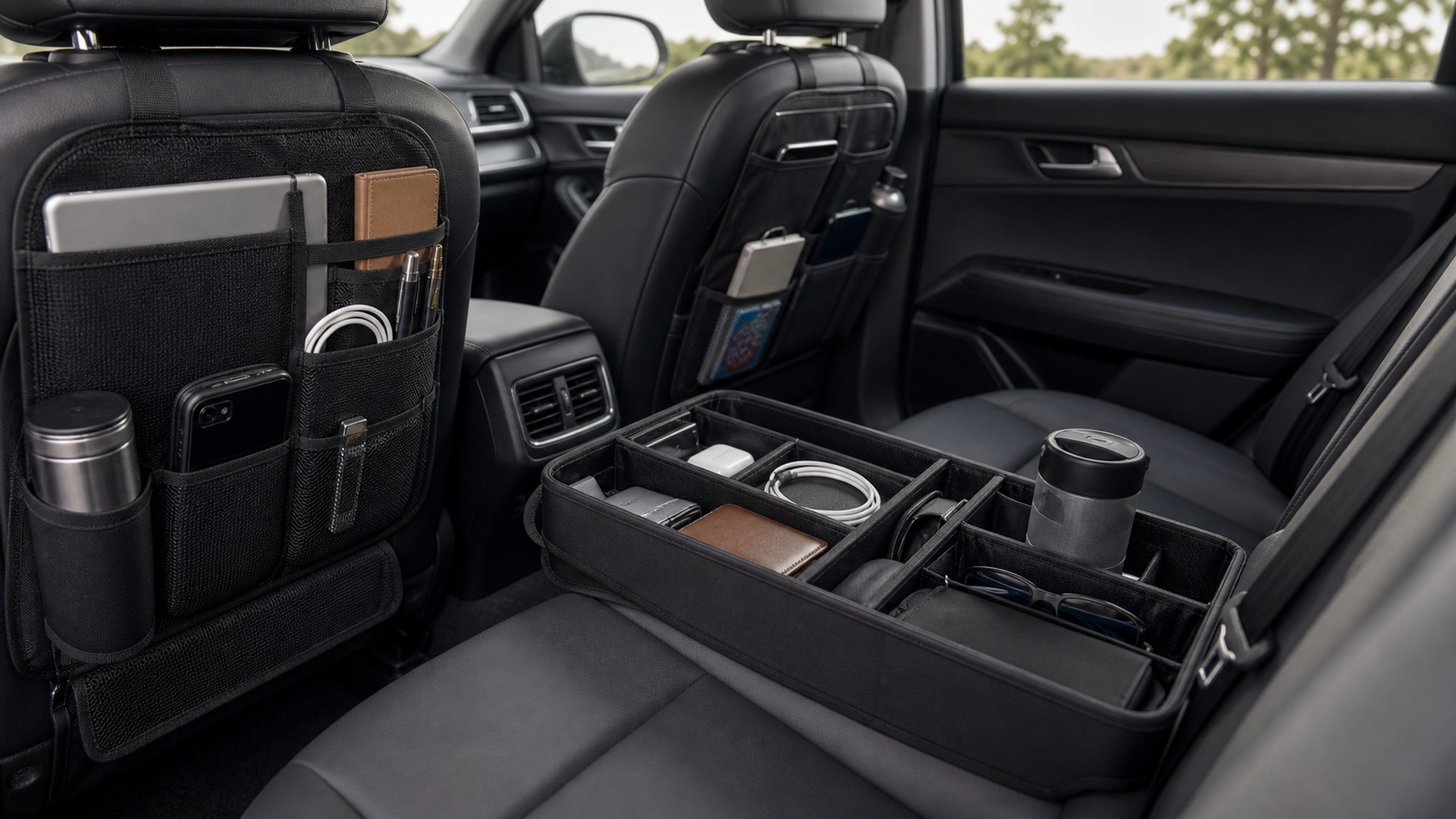
Use organization for loose objects, overflow, searching, and retrieval; use comfort for pressure, posture, thermal, glare, noise, touch, or fatigue problems.

Reviews You Can Trust
Use organization for loose objects, overflow, searching, and retrieval; use comfort for pressure, posture, thermal, glare, noise, touch, or fatigue problems.
Interior organization controls discrete objects; floor protection controls dispersed wear and contamination. Their loads, evidence, maintenance, and shared-space checks differ.
Interior organization fitment depends on the loaded, occupied vehicle: safety zones, structural support, dynamic clearances, retrieval, and every intended configuration.
Interior organization turns carried objects into a stable system through inventory, zones, containment, motion restraint, appropriate retrieval, and routine reset.
Interior comfort changes human response; floor protection shields material. Choose by the affected subject, then test each outcome and their shared footwell fit.
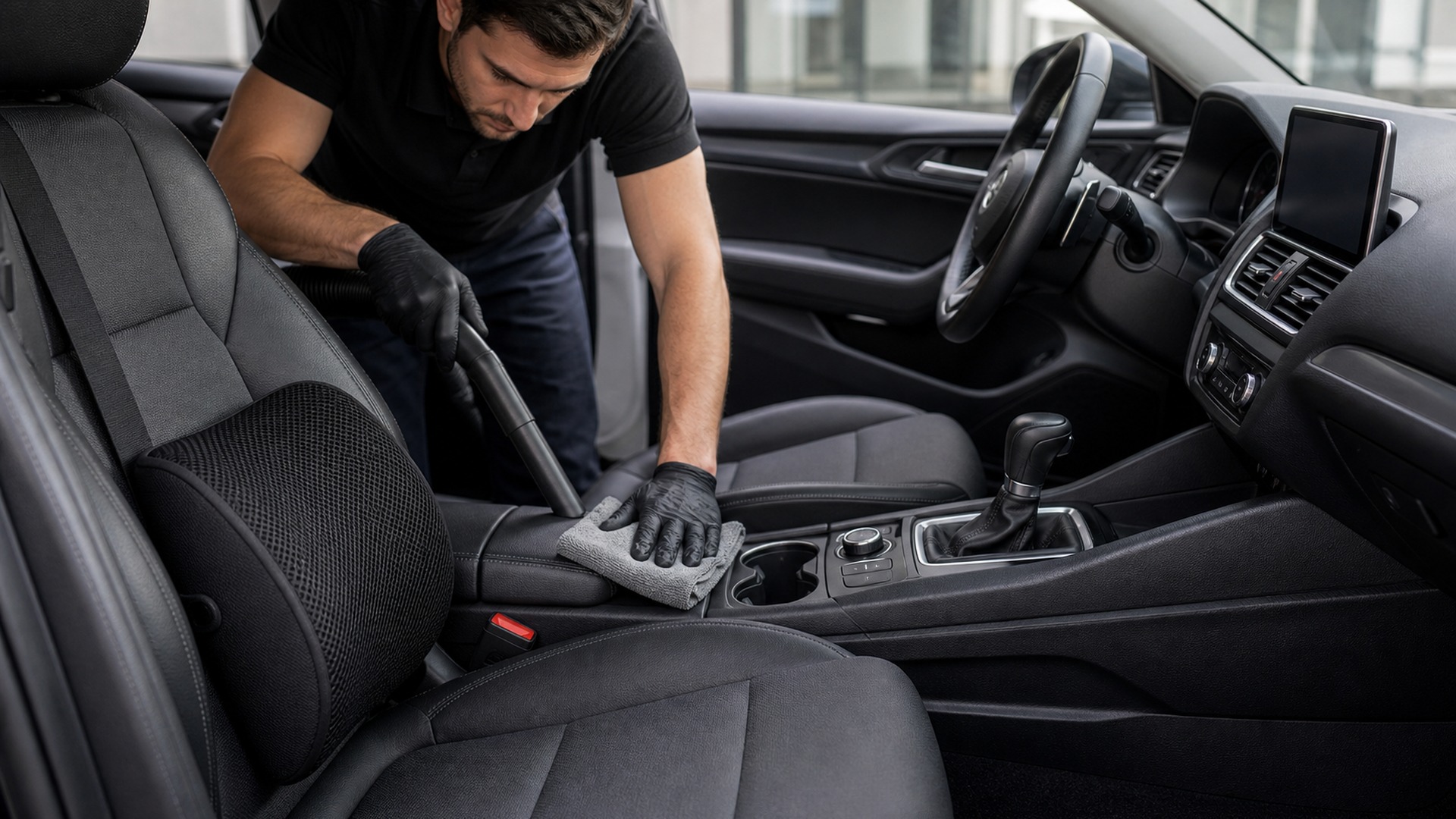
Interior comfort maintenance restores body-contact materials, support geometry, attachments, airflow, powered interfaces, and verified occupant-specific performance.
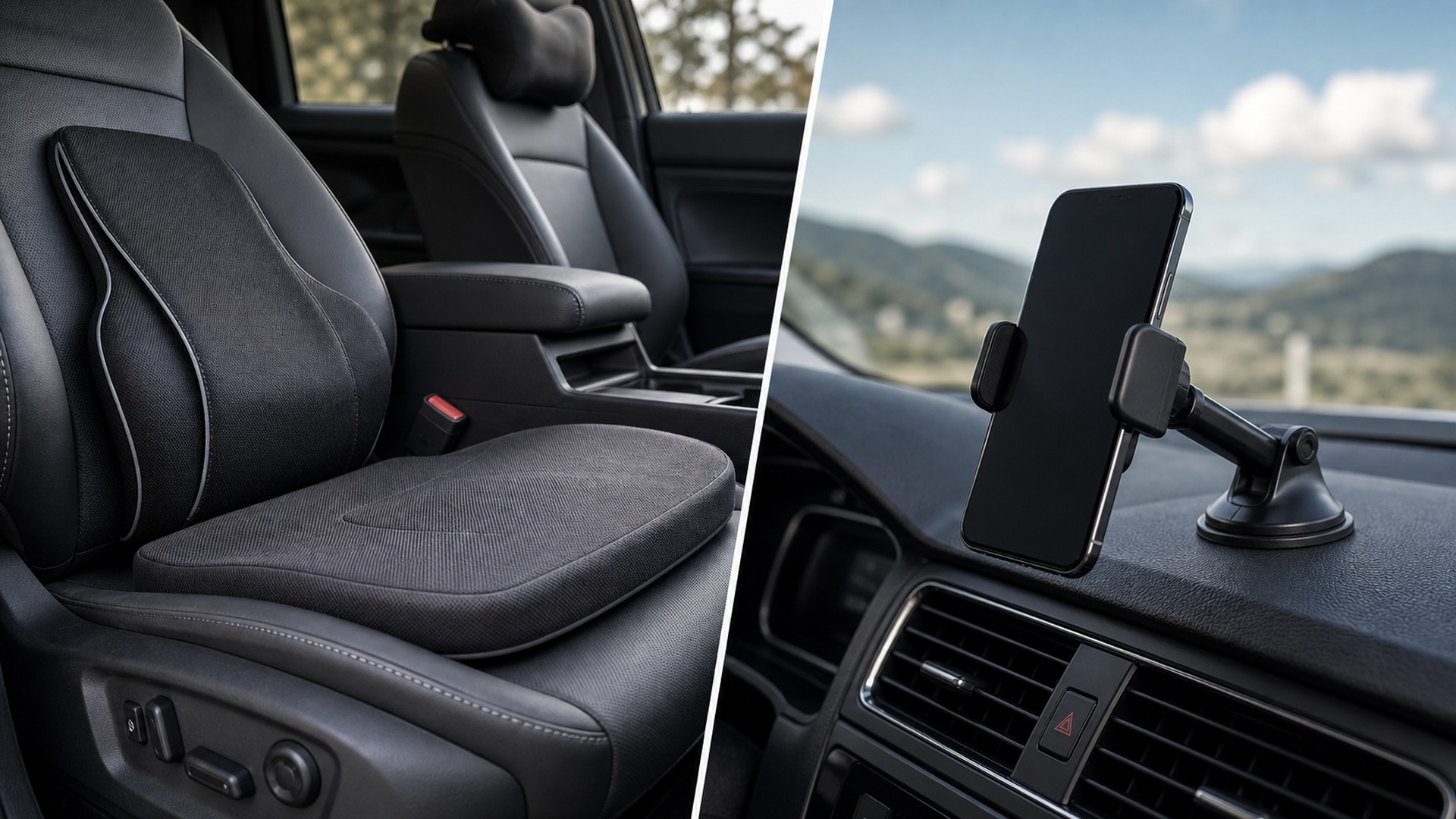
Interior comfort manages human response; phone mounts retain and orient devices. They require different evidence despite sharing cockpit reach and visibility limits.
Interior comfort remains acceptable only when restraints, airbags, controls, visibility, energy limits, attachment stability, exits, and occupant function stay intact.
Interior comfort changes across startup, adjustment, sustained use, degradation, and recovery, so first impressions cannot prove safe, durable function.
Use interior comfort for pressure, posture, thermal, glare, noise, or reach problems; use organization for object location, restraint, and retrieval failures.
Interior comfort changes occupant response; floor protection controls wear and contamination. Their evidence differs even where both affect the driver footwell.
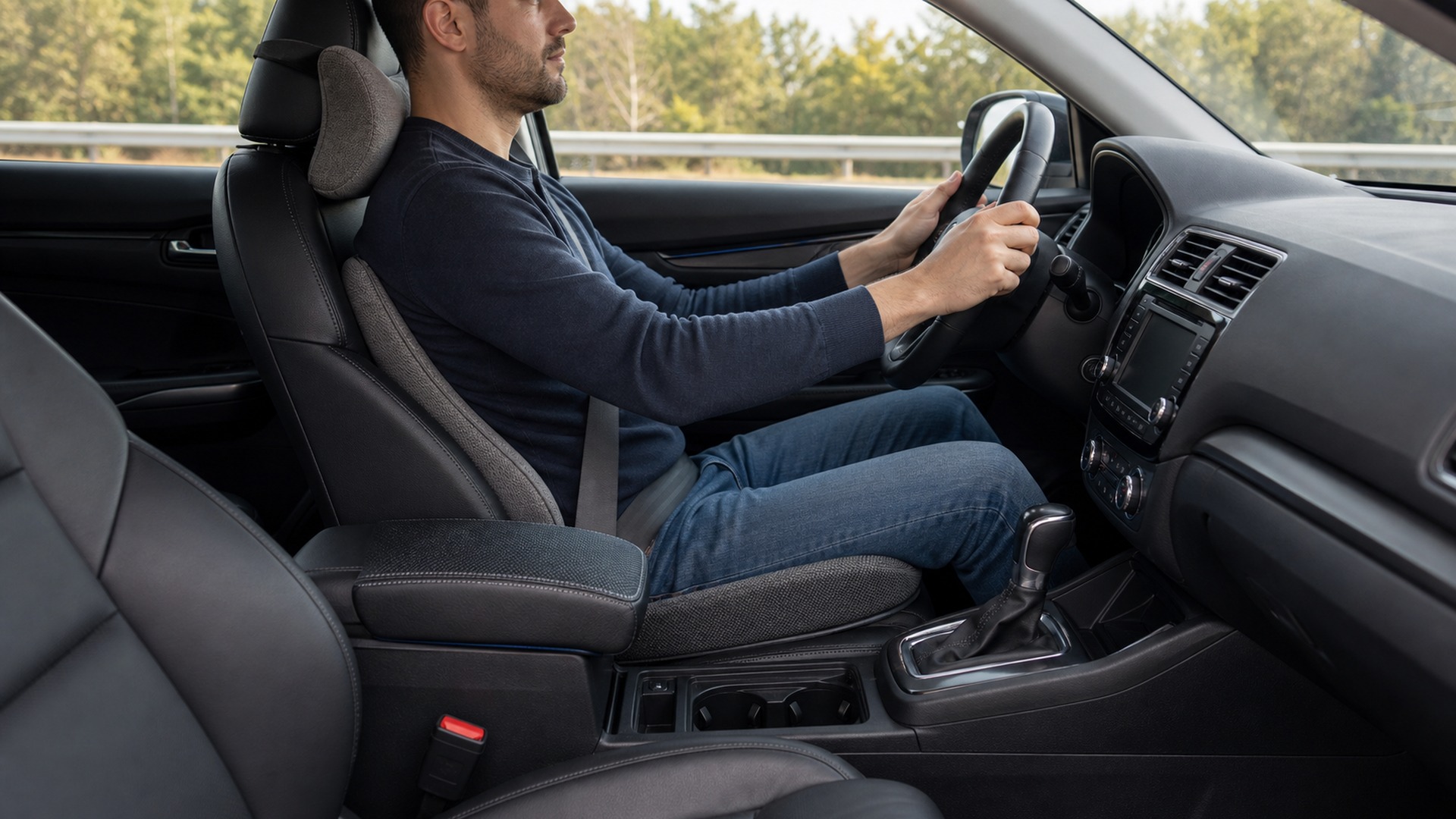
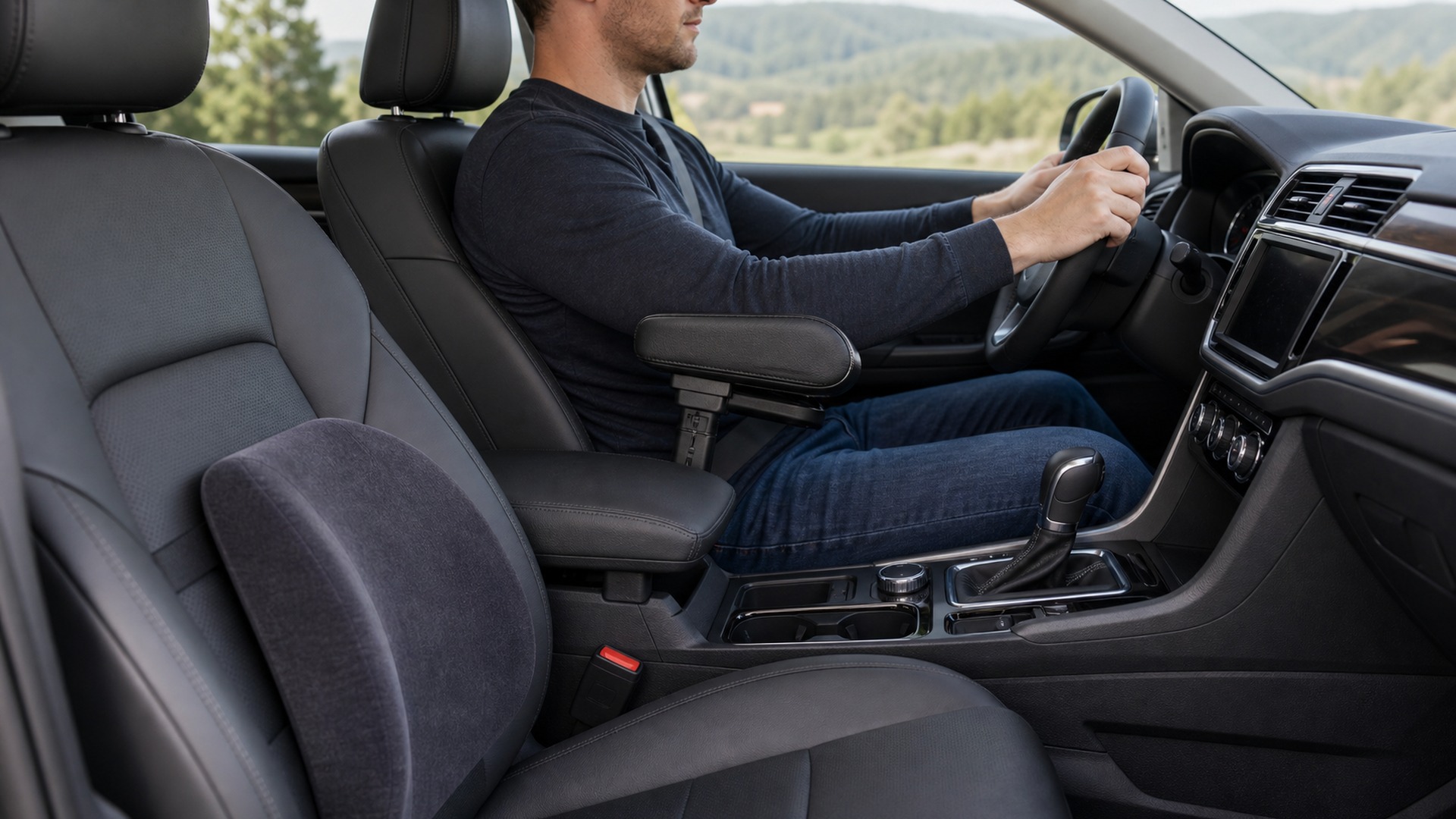
Interior comfort must fit the actual occupant and vehicle while preserving restraints, airbags, controls, sightlines, stable posture, climate paths, and safe power.