How Interior Comfort Works
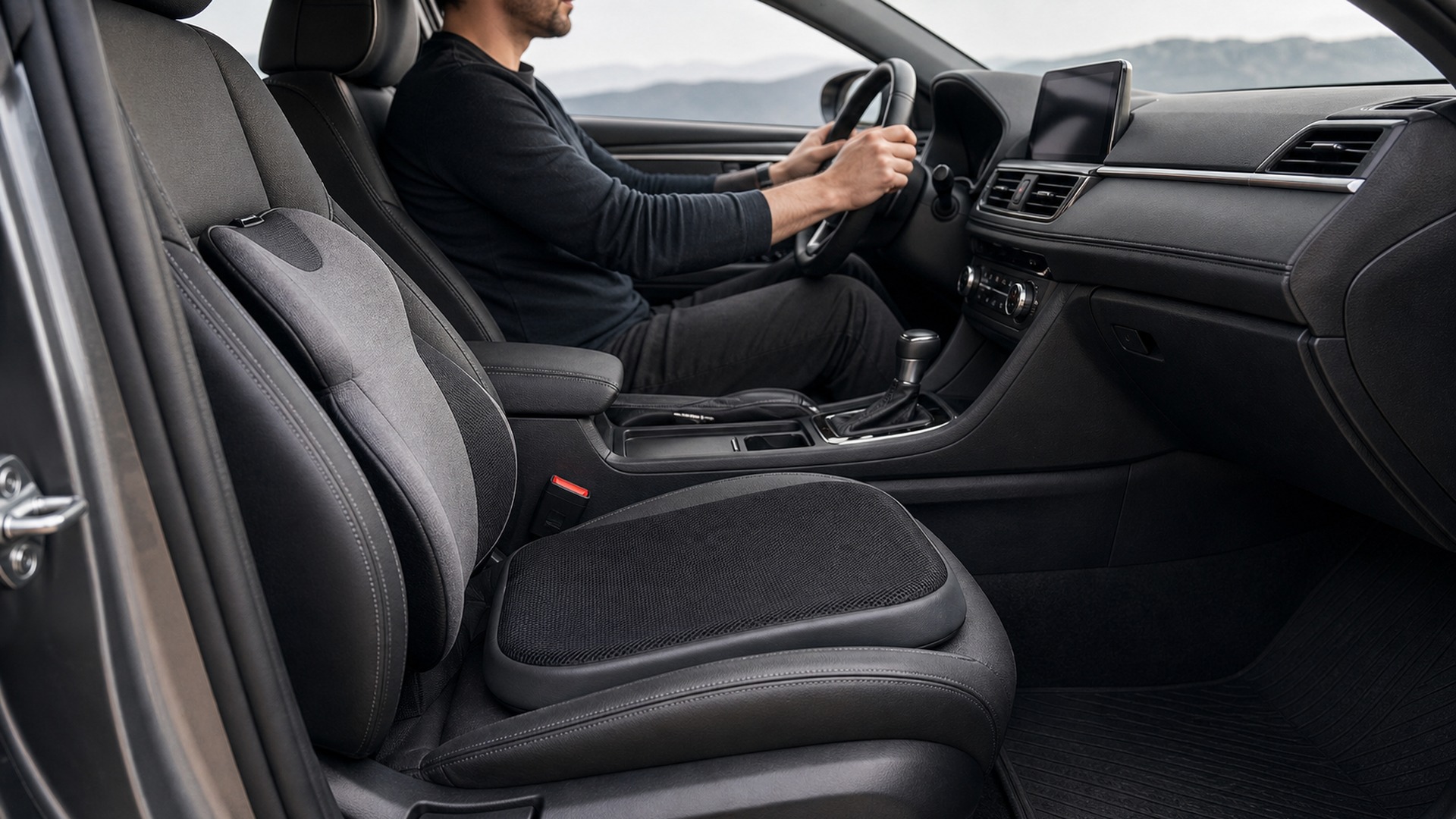
Vehicle interior comfort emerges from mechanical support, thermal exchange, airflow, sound, touch, visibility, reach, motion, and adaptation over time.

Reviews You Can Trust
Vehicle interior comfort emerges from mechanical support, thermal exchange, airflow, sound, touch, visibility, reach, motion, and adaptation over time.
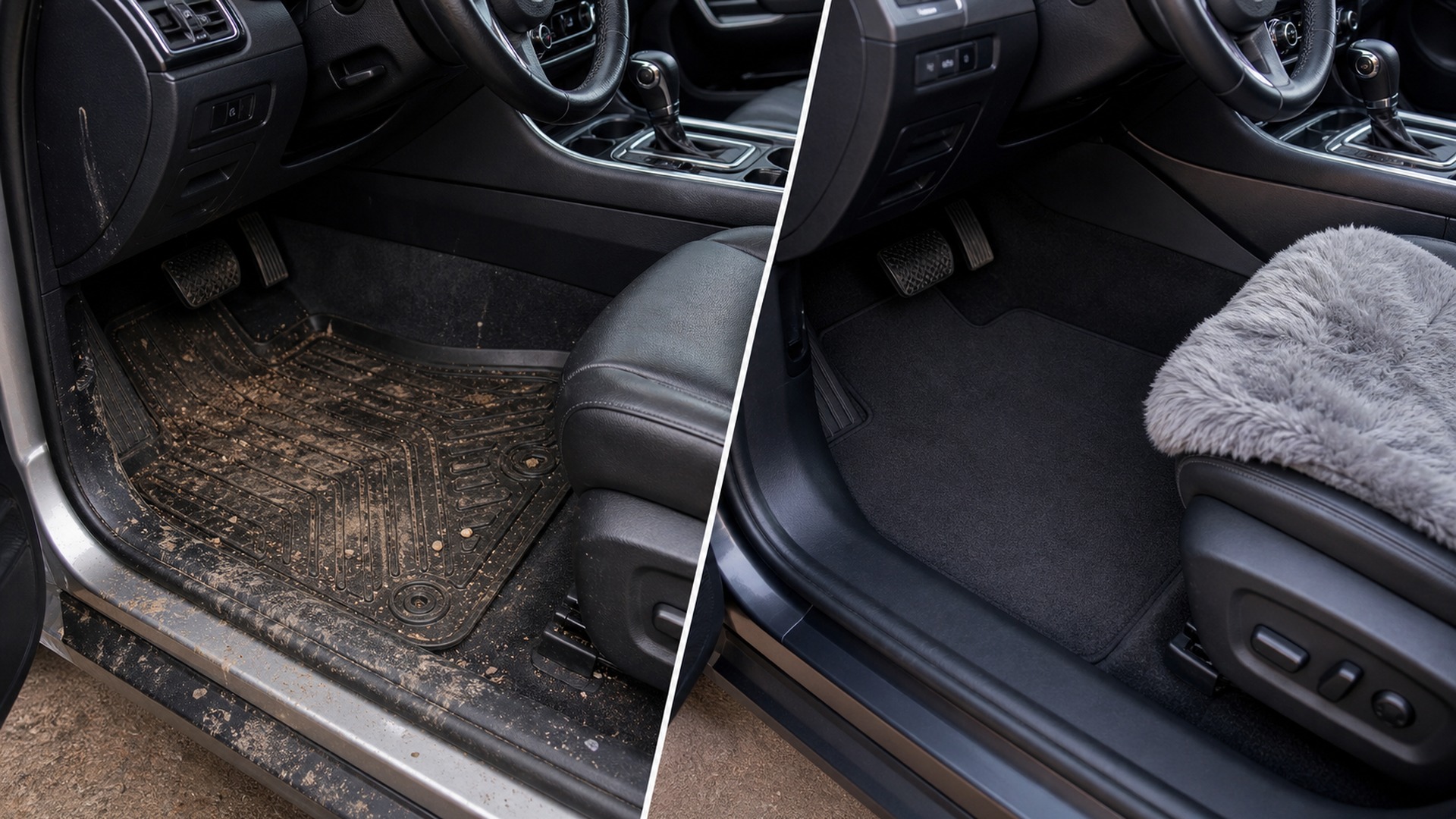
Floor protection manages contamination and wear; interior comfort changes posture, pressure, temperature, airflow, glare, noise, touch, or reach.
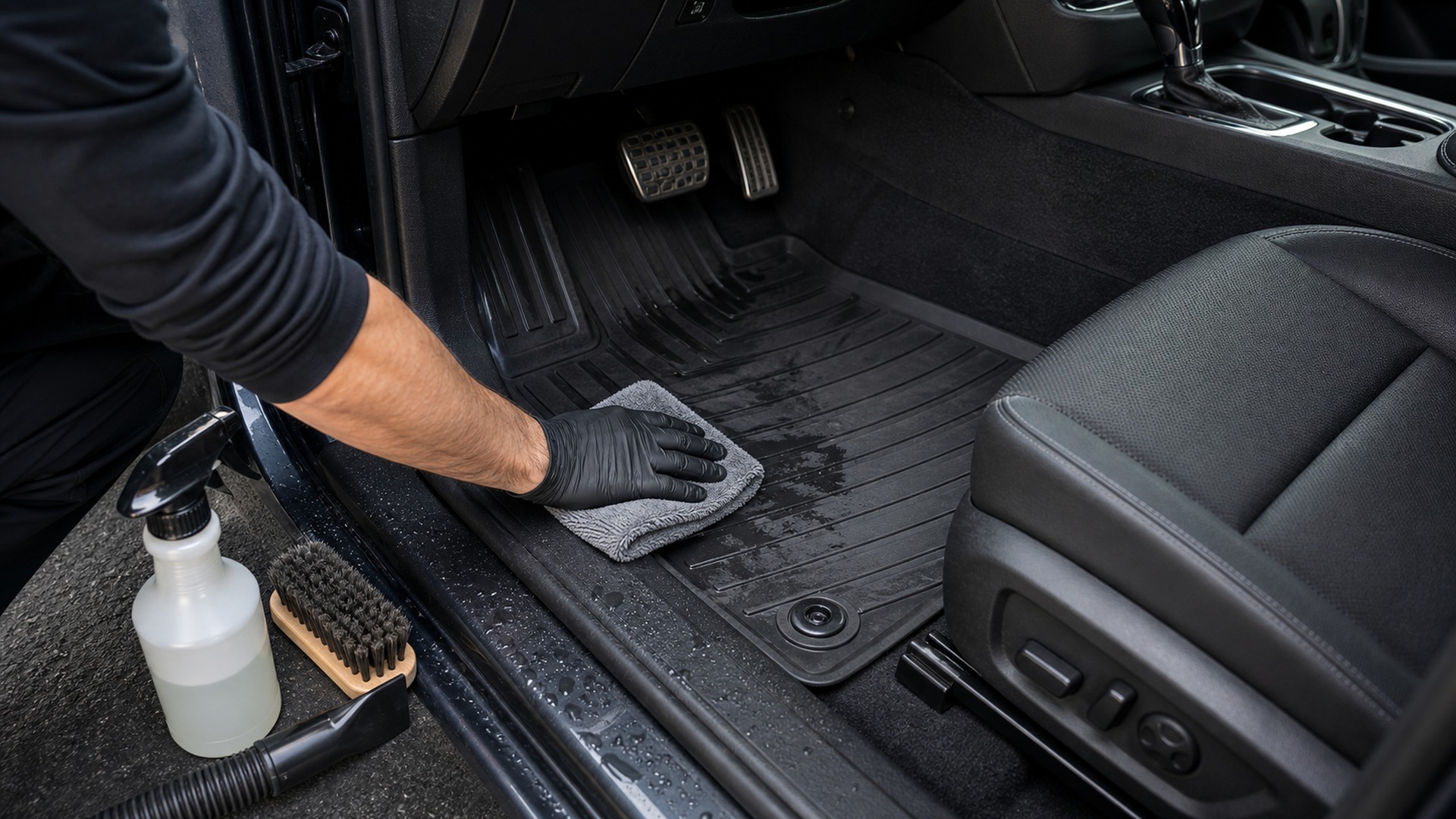
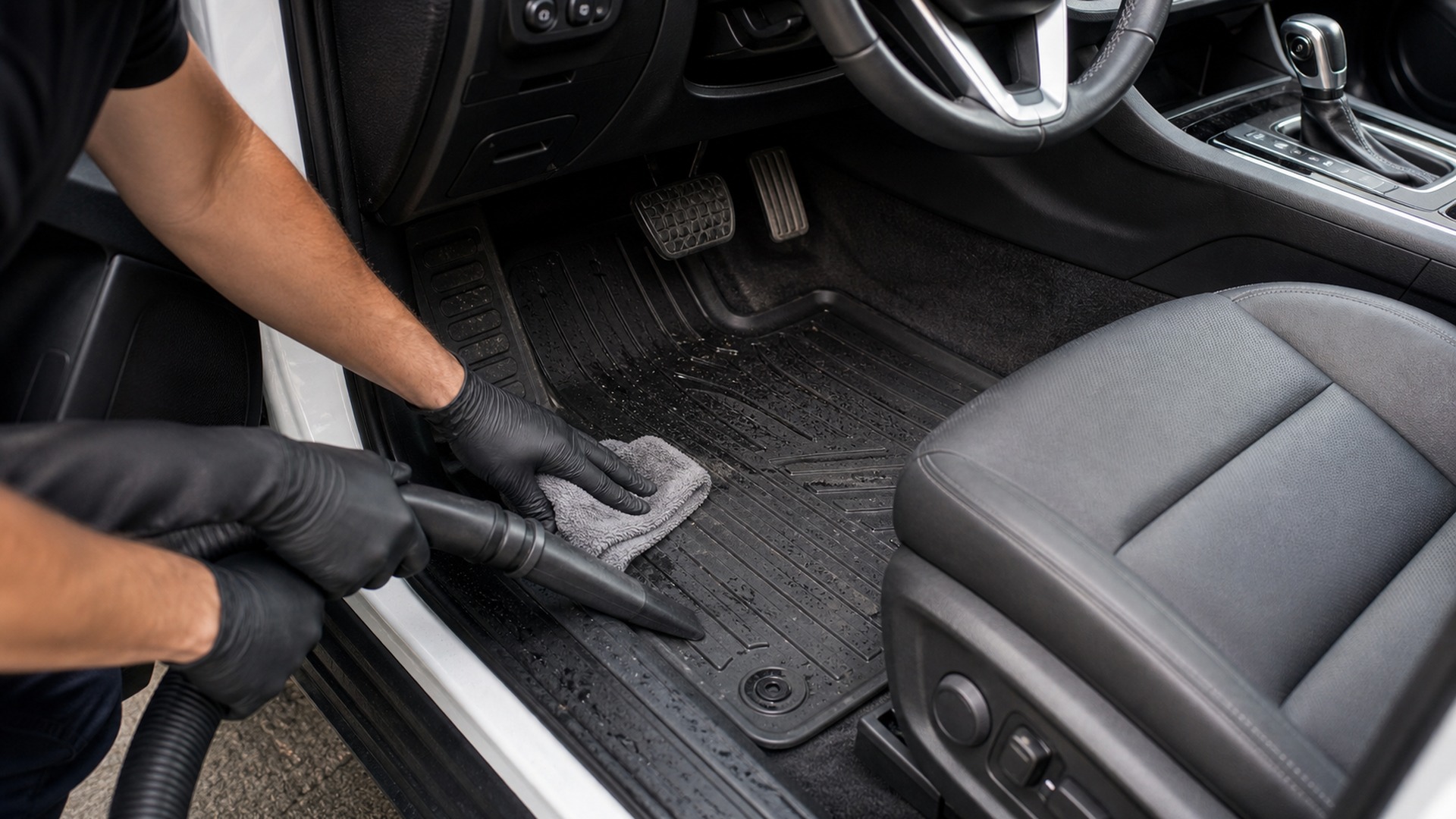
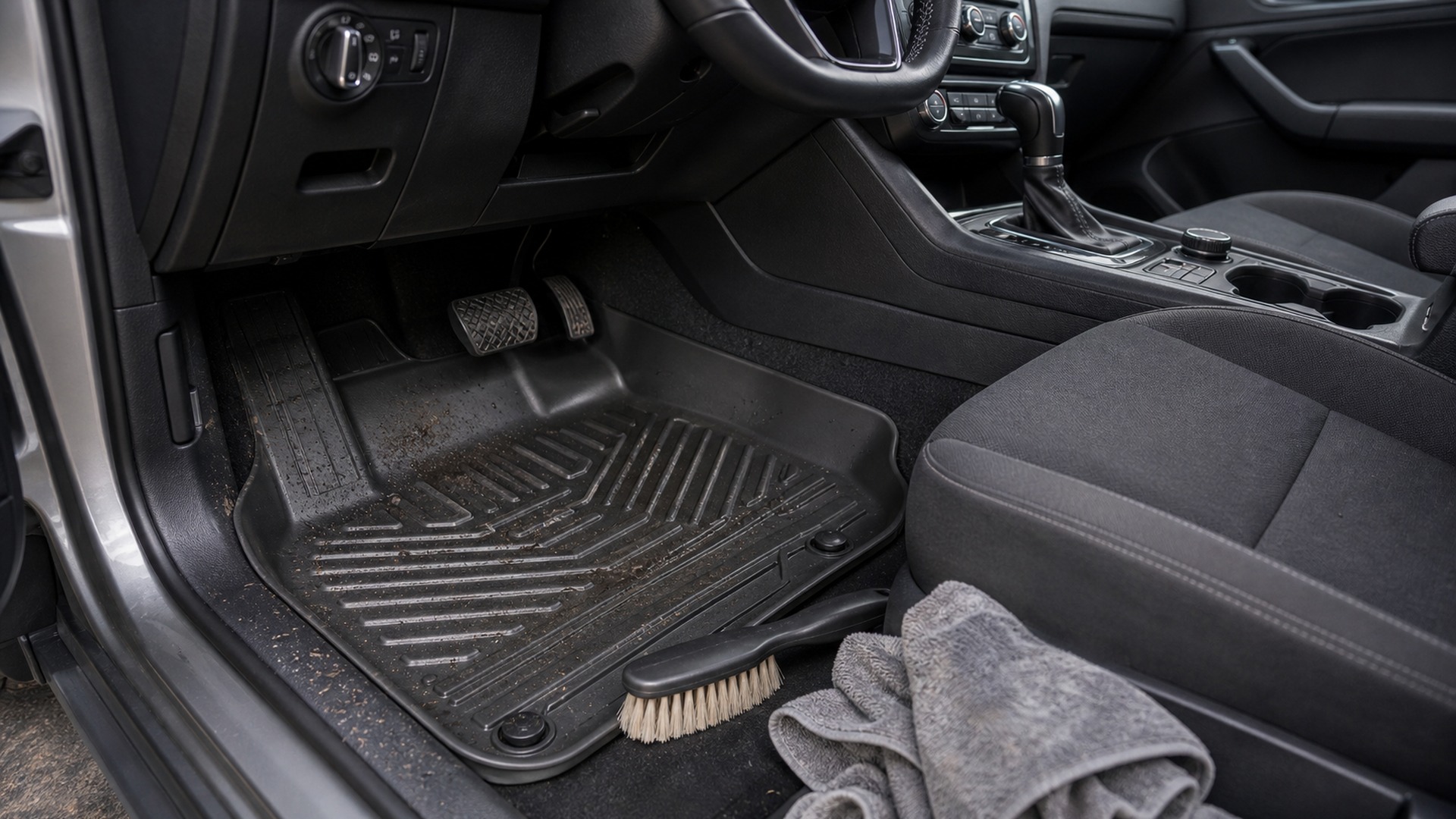
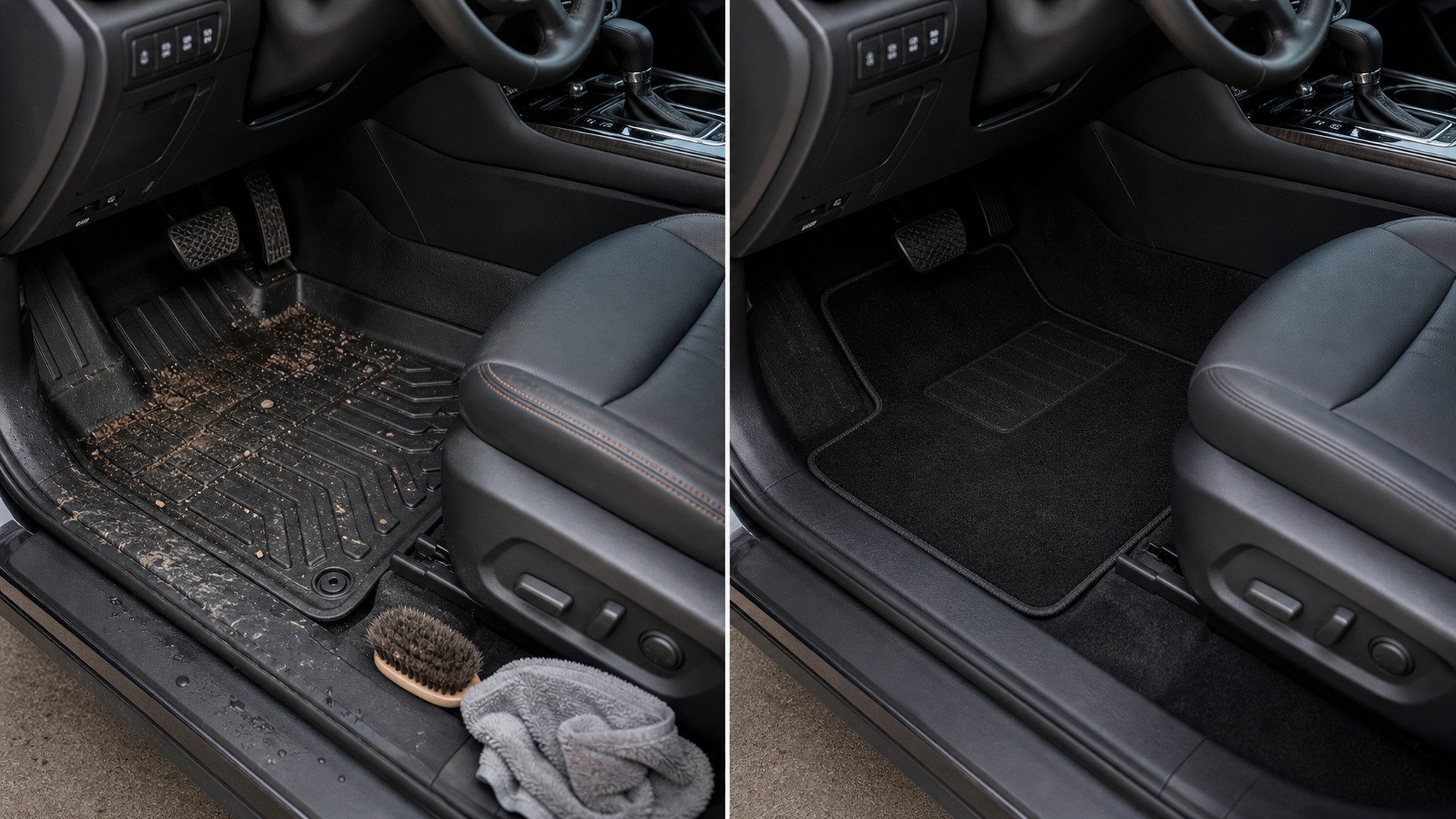
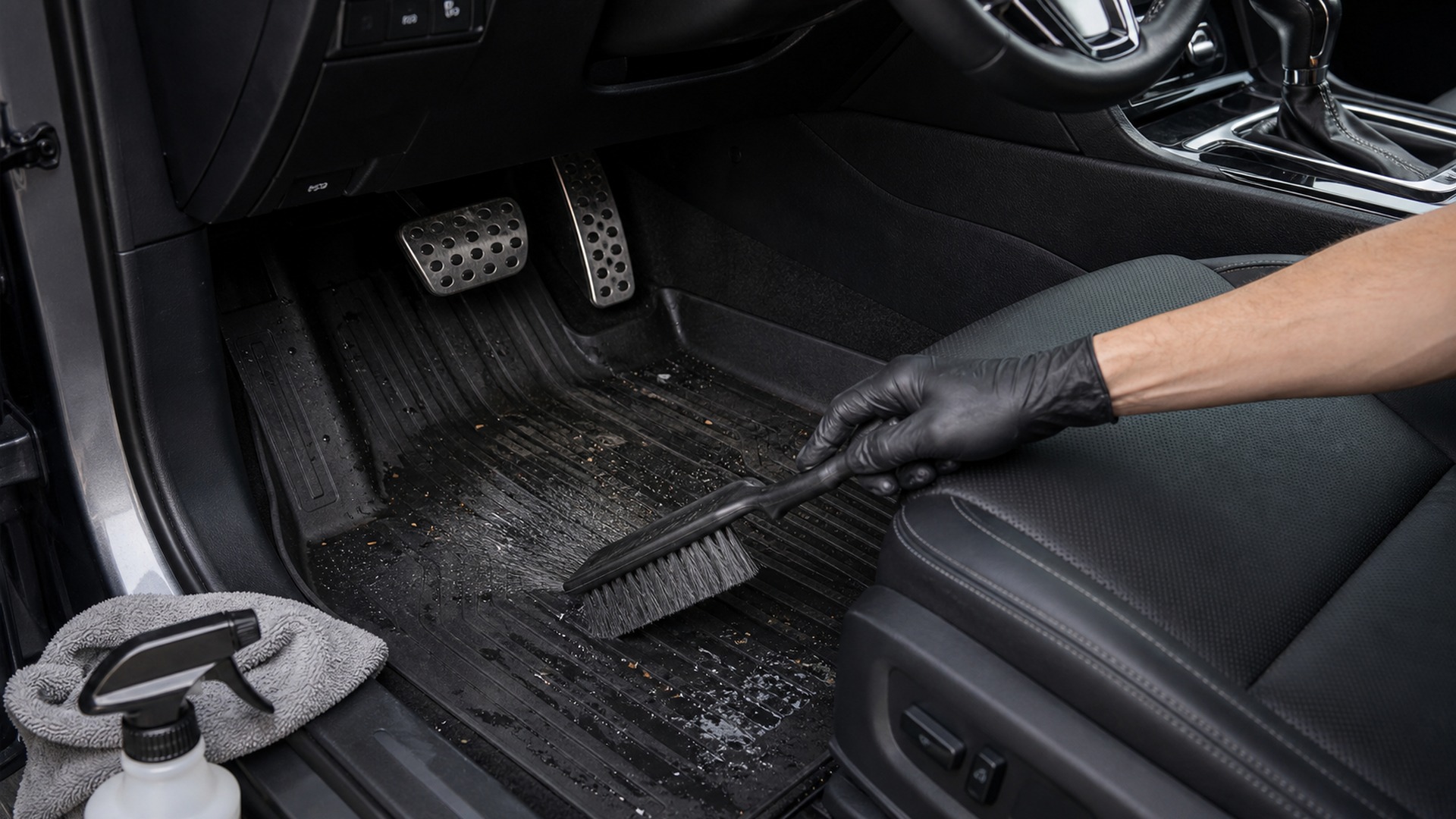
Floor-protection maintenance restores debris and liquid capacity while preserving traction, material shape, dry carpet, secure anchors, and safe pedal clearance.
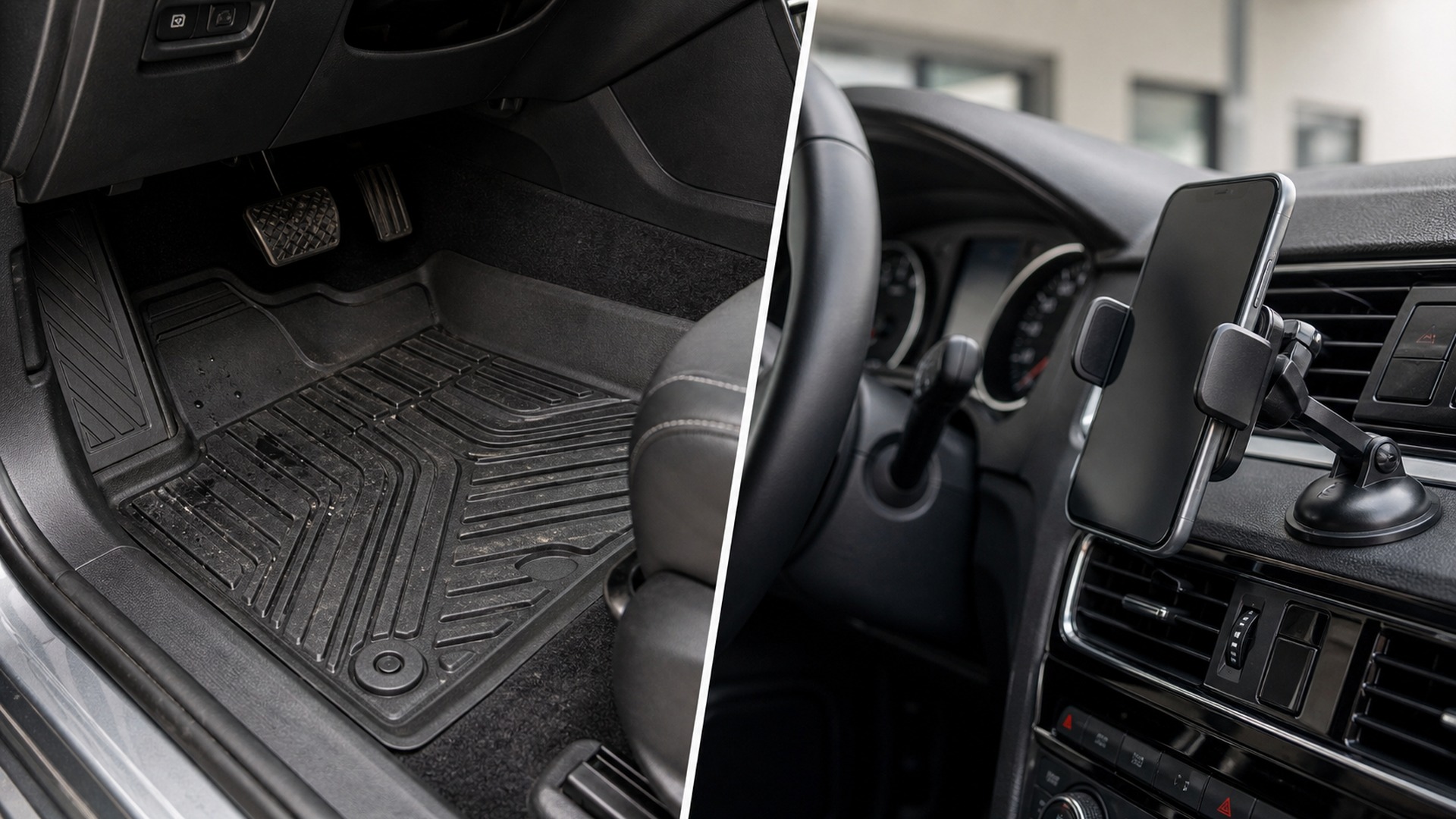
Floor protection controls contamination in the footwell; phone mounts position a device. Their loads, safety envelopes, tests, and upkeep differ.
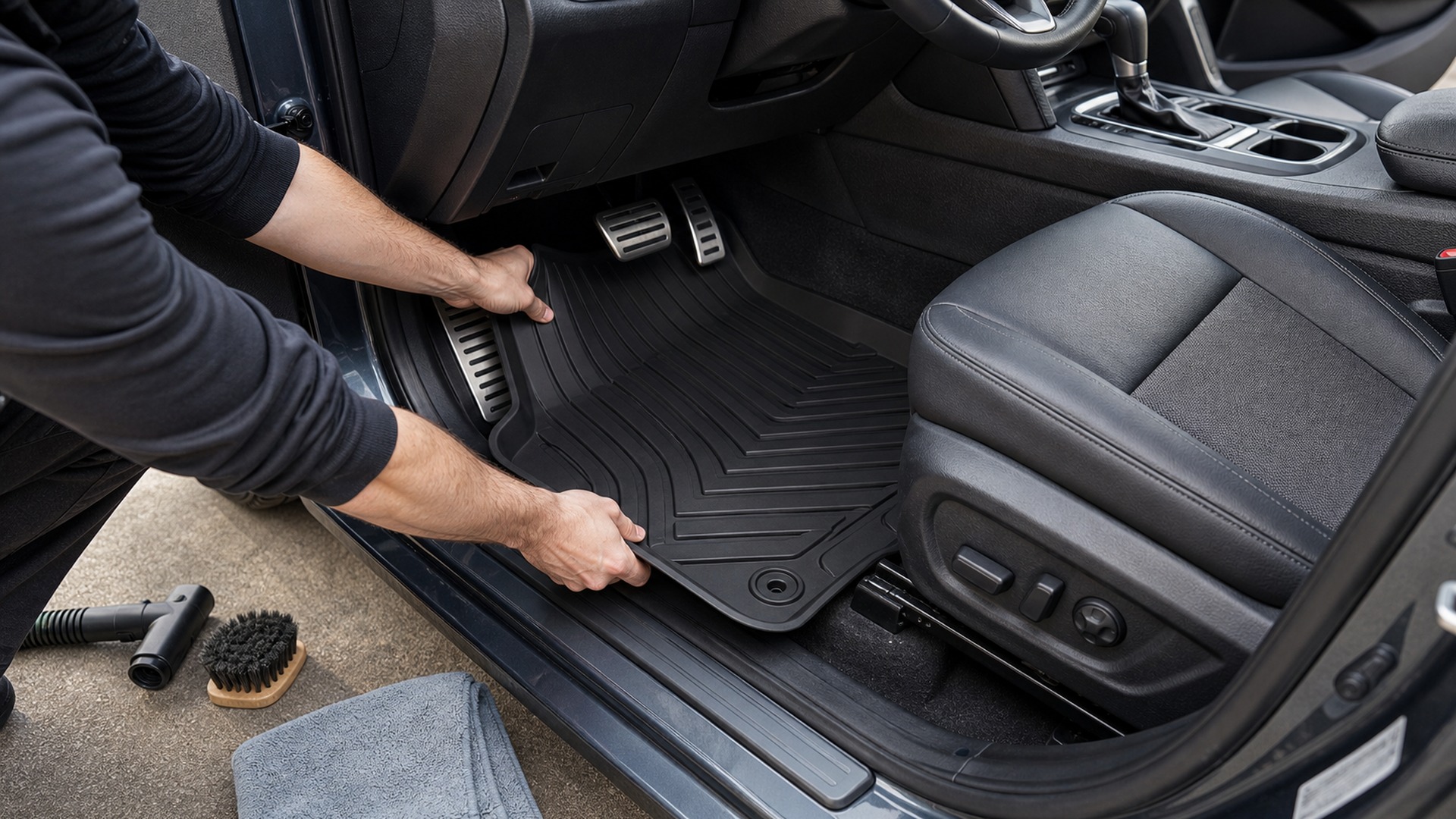
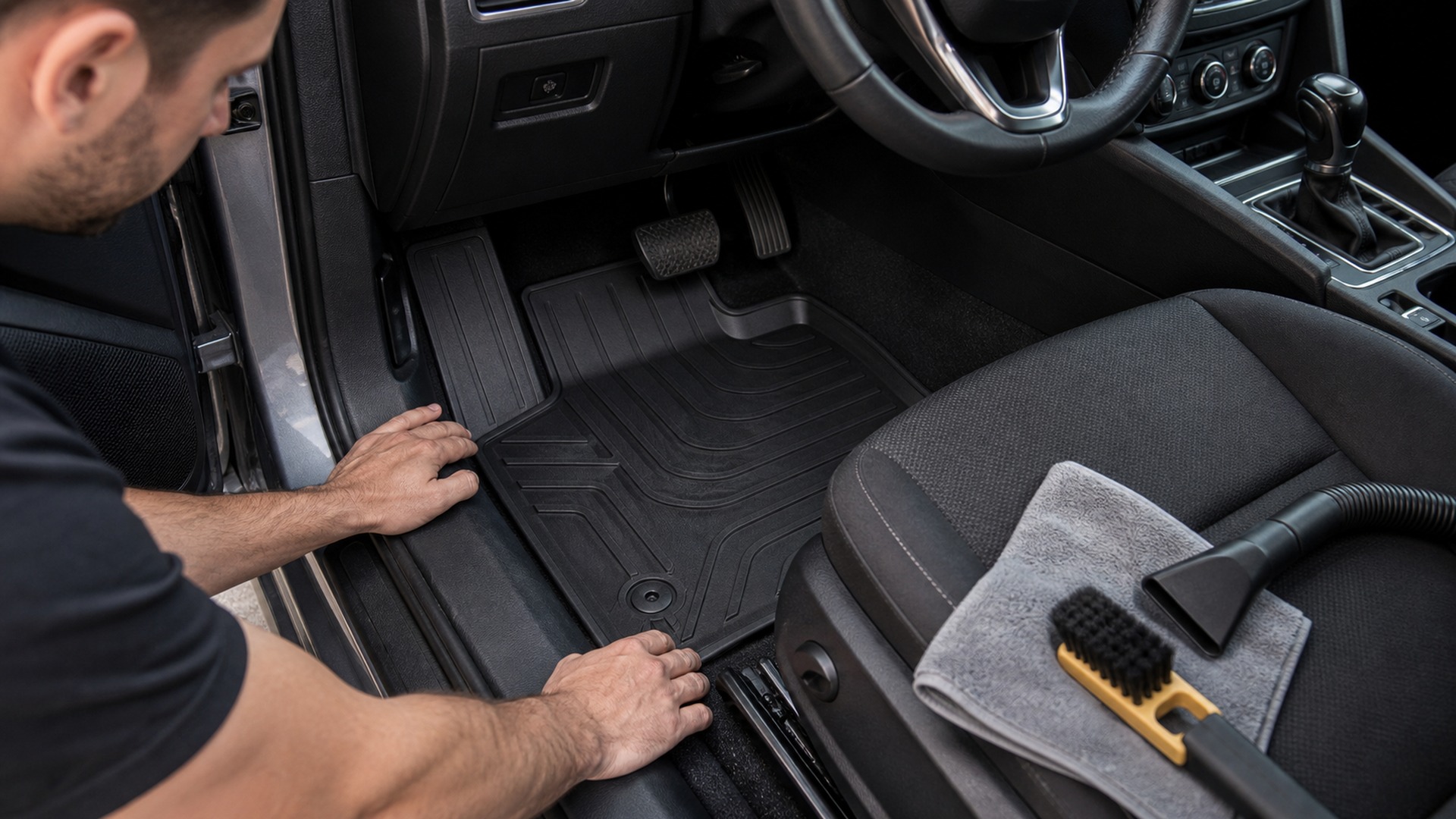
Safe floor protection stays retained and clear of controls while preserving predictable traction, dry hidden surfaces, stable edges, and verified post-cleaning fit.
Floor protection changes state as grit and liquid accumulate, anchors move, and materials wear. Safe operation requires visible capacity and reset checks.
Floor protection captures grit and liquid; organization locates and restrains objects. Mixed cabins may need both, with separate safety and fit evidence.
Floor protection manages wear and contamination; interior comfort changes occupant experience. Shared cabin space requires separate proof and combined fit checks.
Floor protection must match vehicle contours, engage anchors, clear pedals and seats, contain debris, and remain removable without spilling or deformation.
Vehicle floor protection absorbs wear, captures debris, contains liquid, resists movement, and transfers contamination out during safe removal and cleaning.
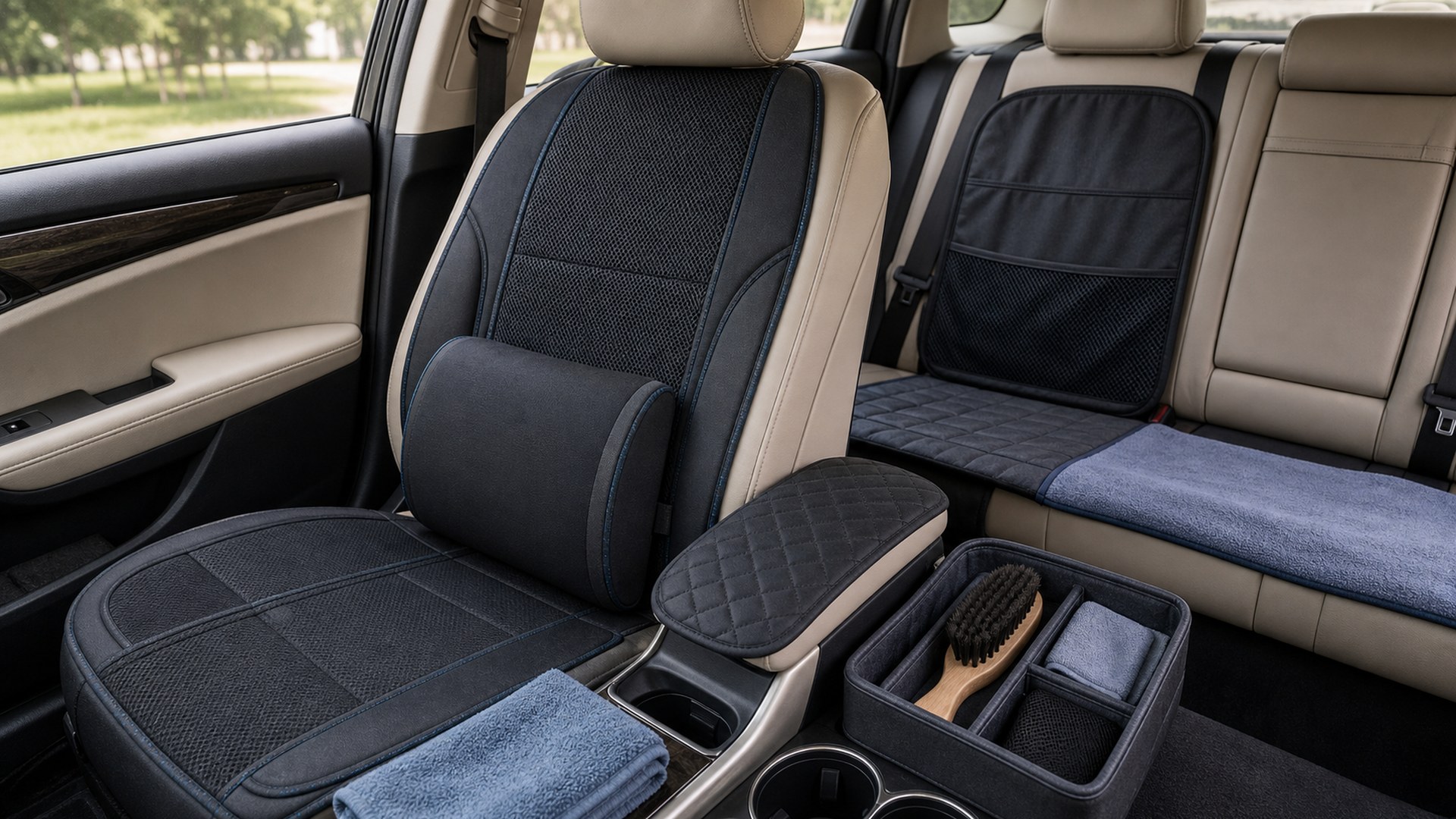
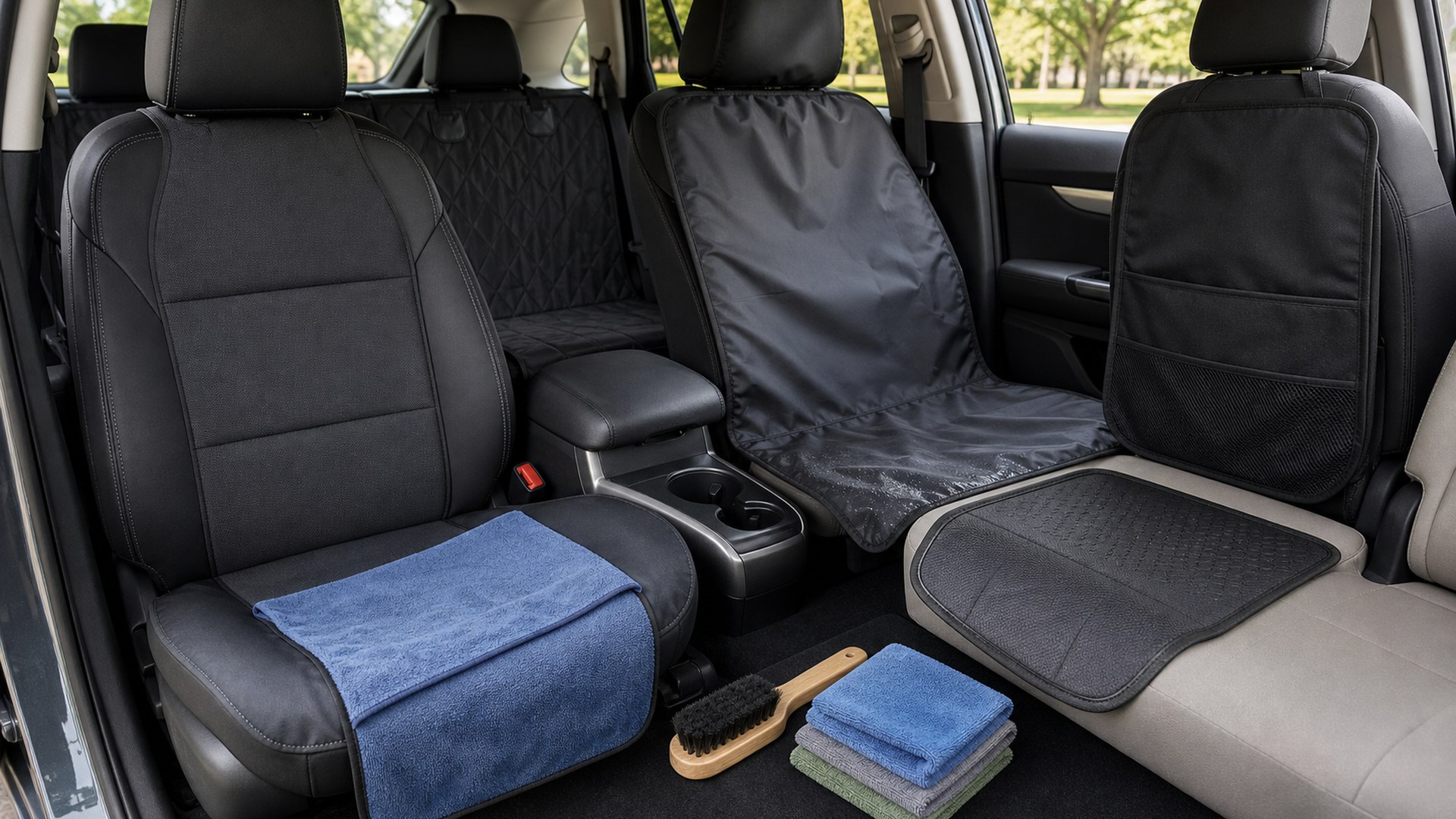
A practical guide to comfort-focused upholstery coverage, including compatibility boundaries, loaded-use checks, avoidable mistakes, conditional choices, and ownership care.
A protector is suitable only when it covers the vulnerable upholstery without obstructing restraint hardware, airbag seams, seat controls, or functions the vehicle and child-restraint makers require to remain clear.