How Engine Filters Work
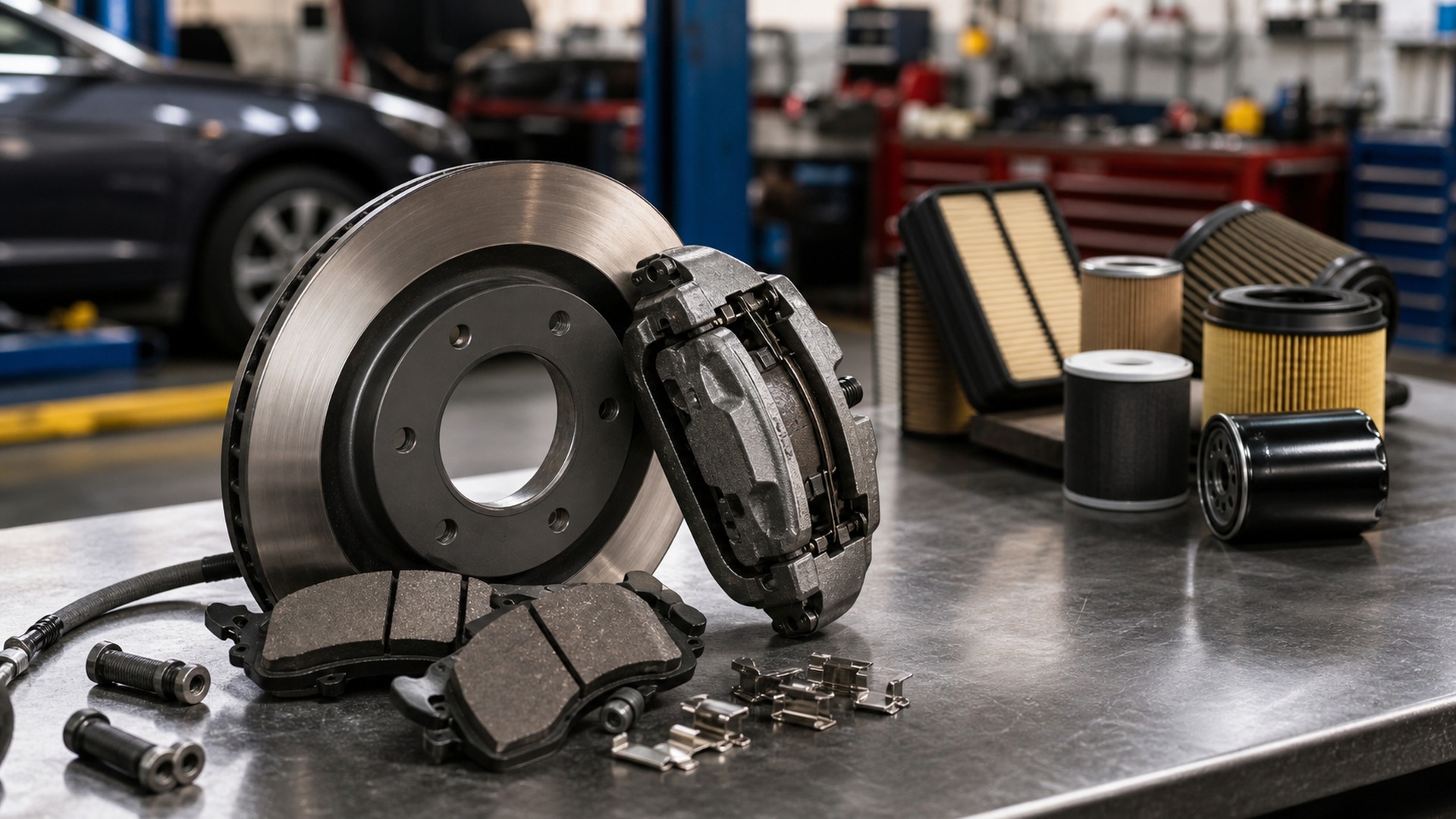
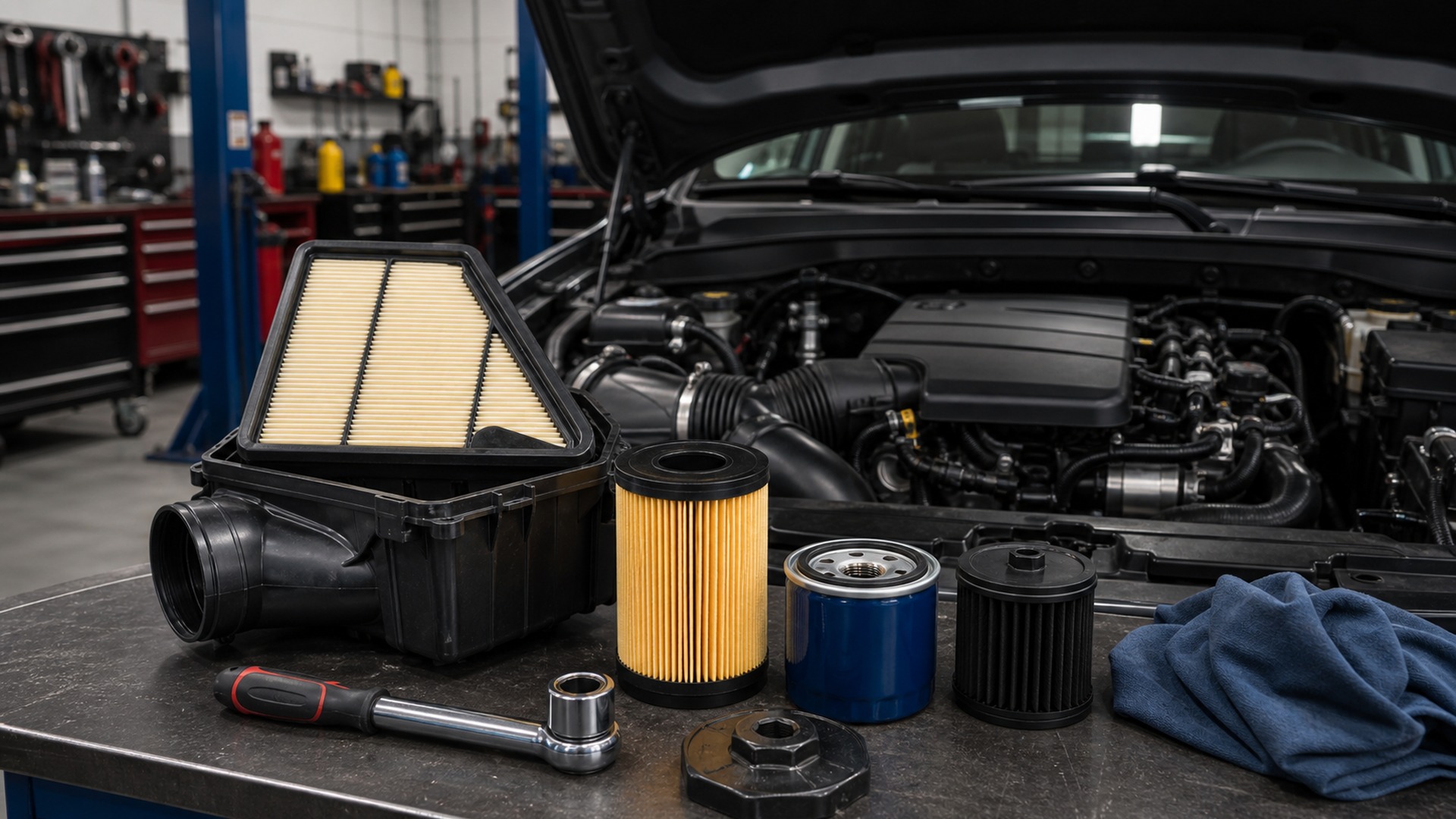
Engine filters capture contamination in air, oil, or fuel while preserving flow; media, capacity, restriction, seals, valves, fitment, and service all determine success.

Reviews You Can Trust
Engine filters capture contamination in air, oil, or fuel while preserving flow; media, capacity, restriction, seals, valves, fitment, and service all determine success.
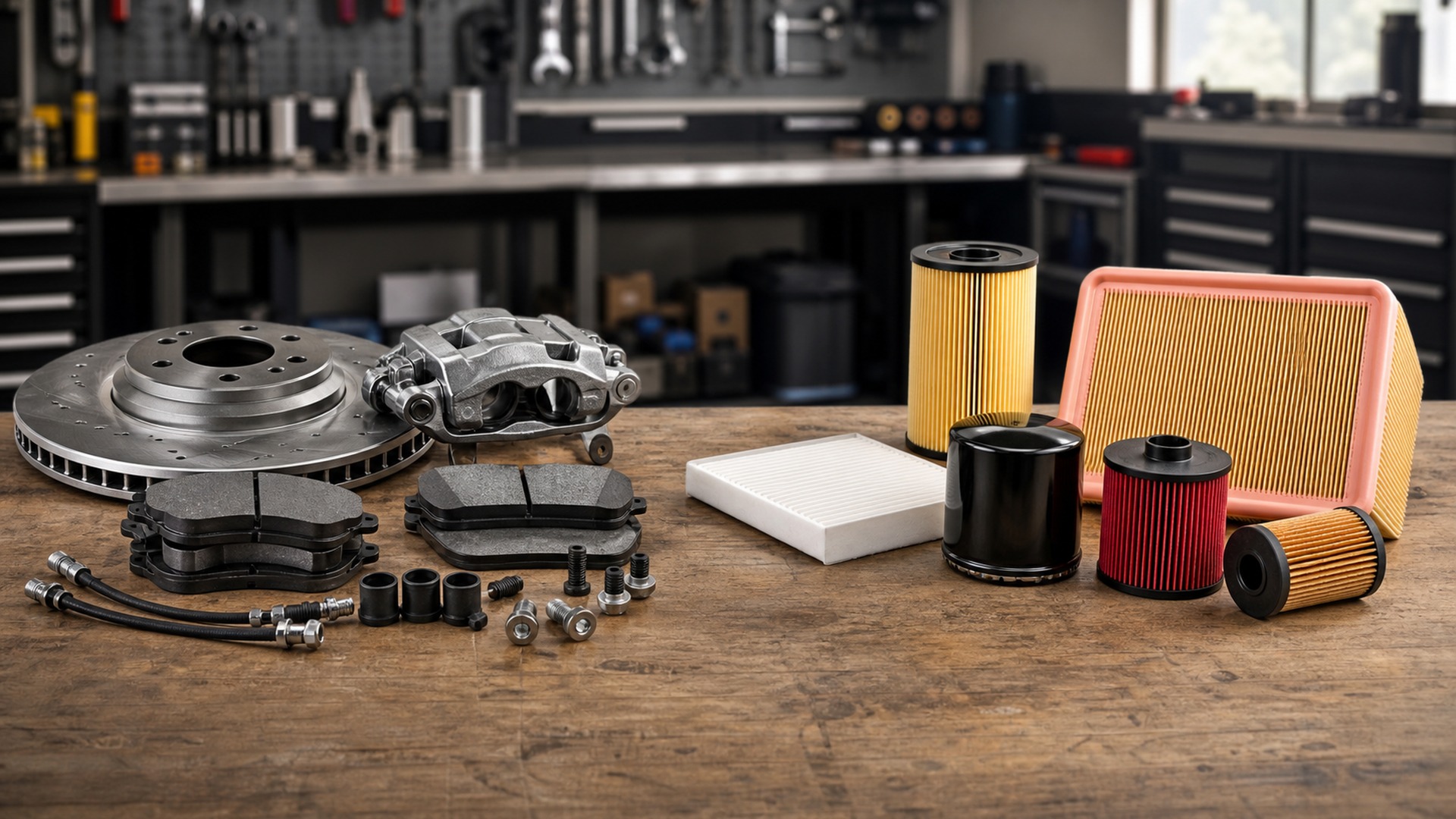
Choose brake parts for verified deceleration, restraint, hydraulic, or friction faults; choose engine filters for documented contamination-control or flow needs.
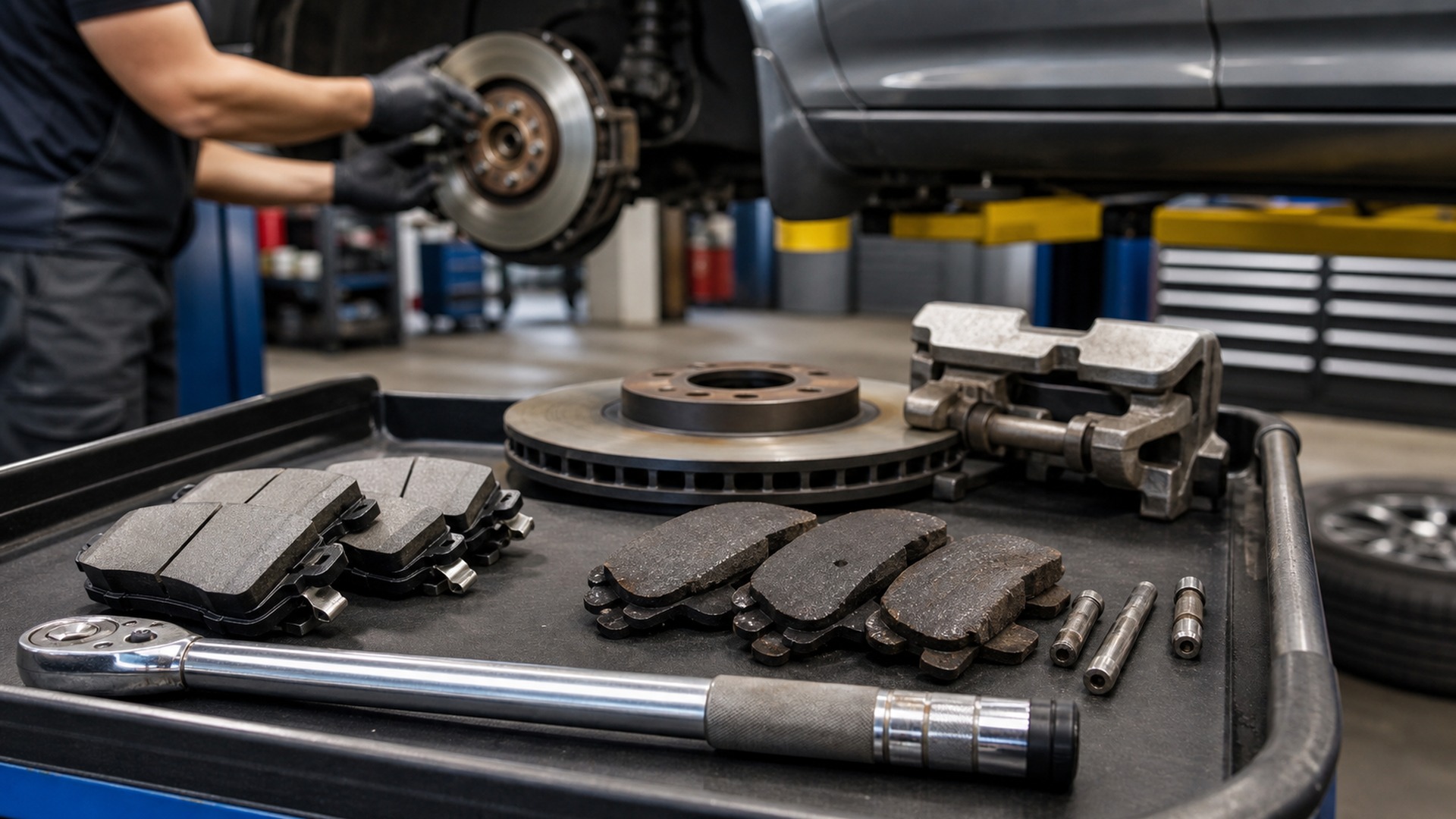
Brake maintenance combines scheduled inspection with exact measurements because friction wear, corrosion, fluid aging, and hardware movement do not share one clock.
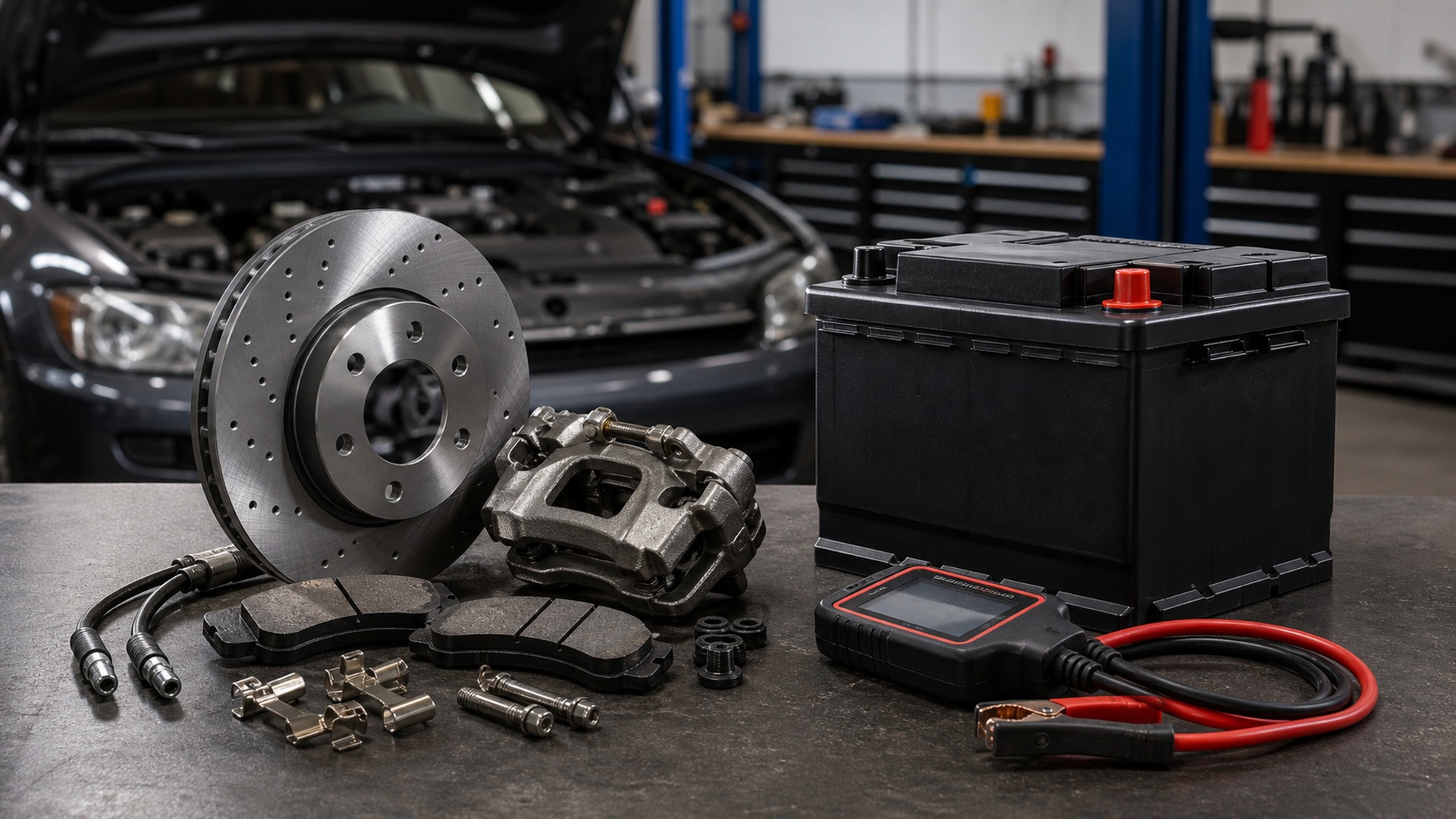
Brakes turn vehicle motion into heat; batteries store and supply electrical energy. Regeneration links their controls but does not make their service evidence interchangeable.
Brake safety depends on layered reserves in hydraulics, friction, structure, heat control, electronics, tires, and the quality of the repair process.
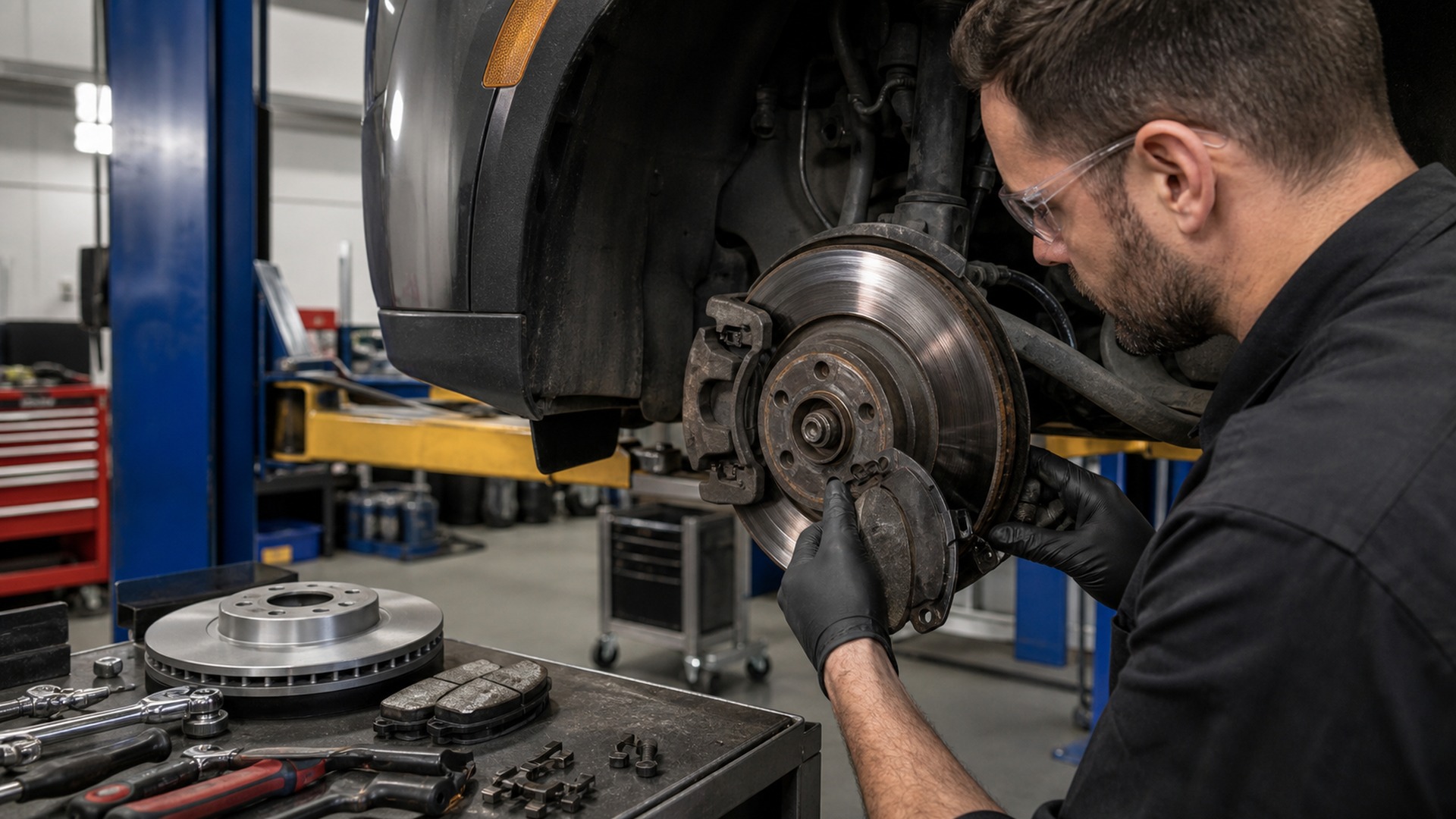
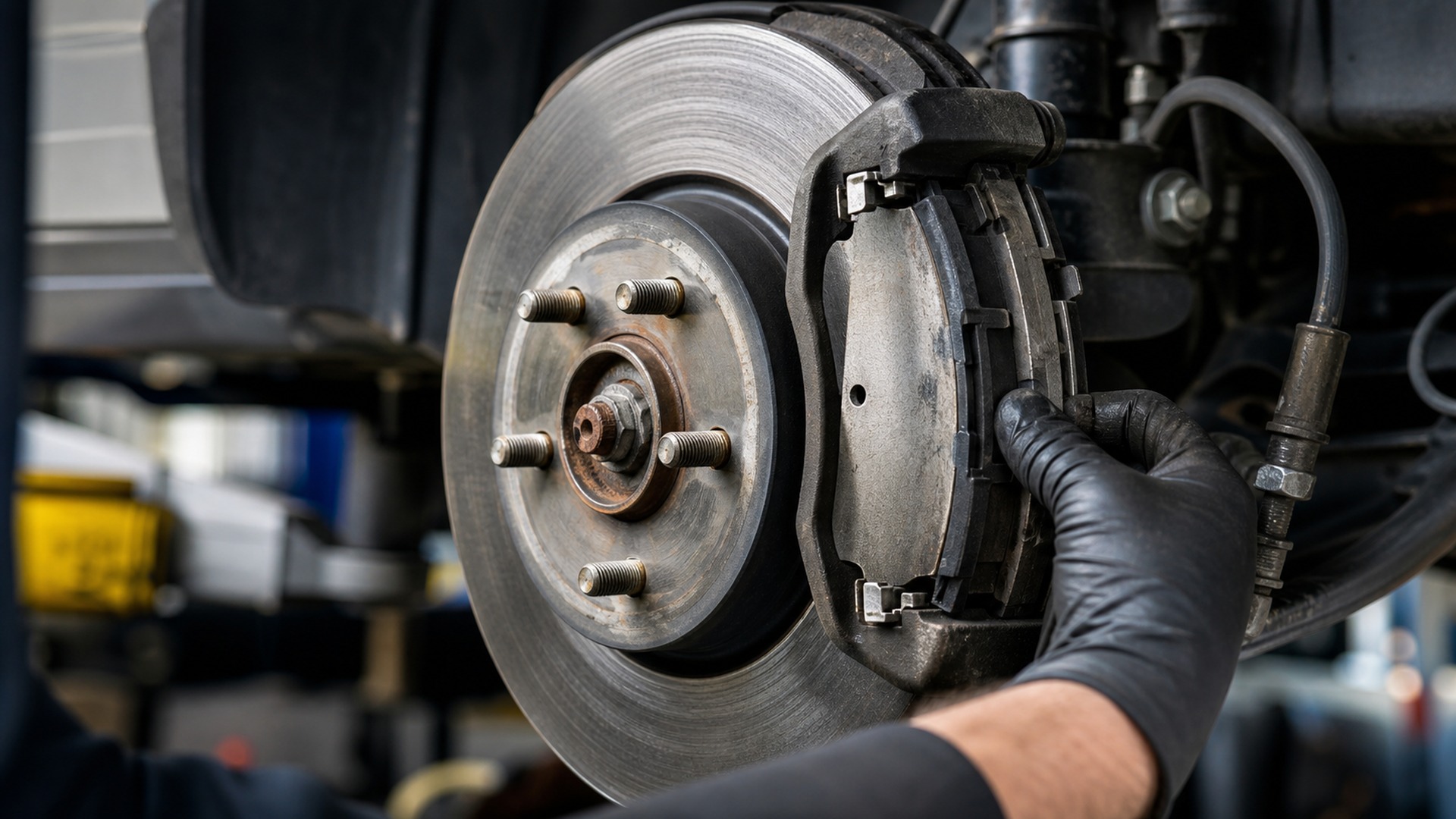
Brake function connects symptoms to the correct part and defines proof after repair—from pedal input and pressure containment to heat, ABS, and parking retention.
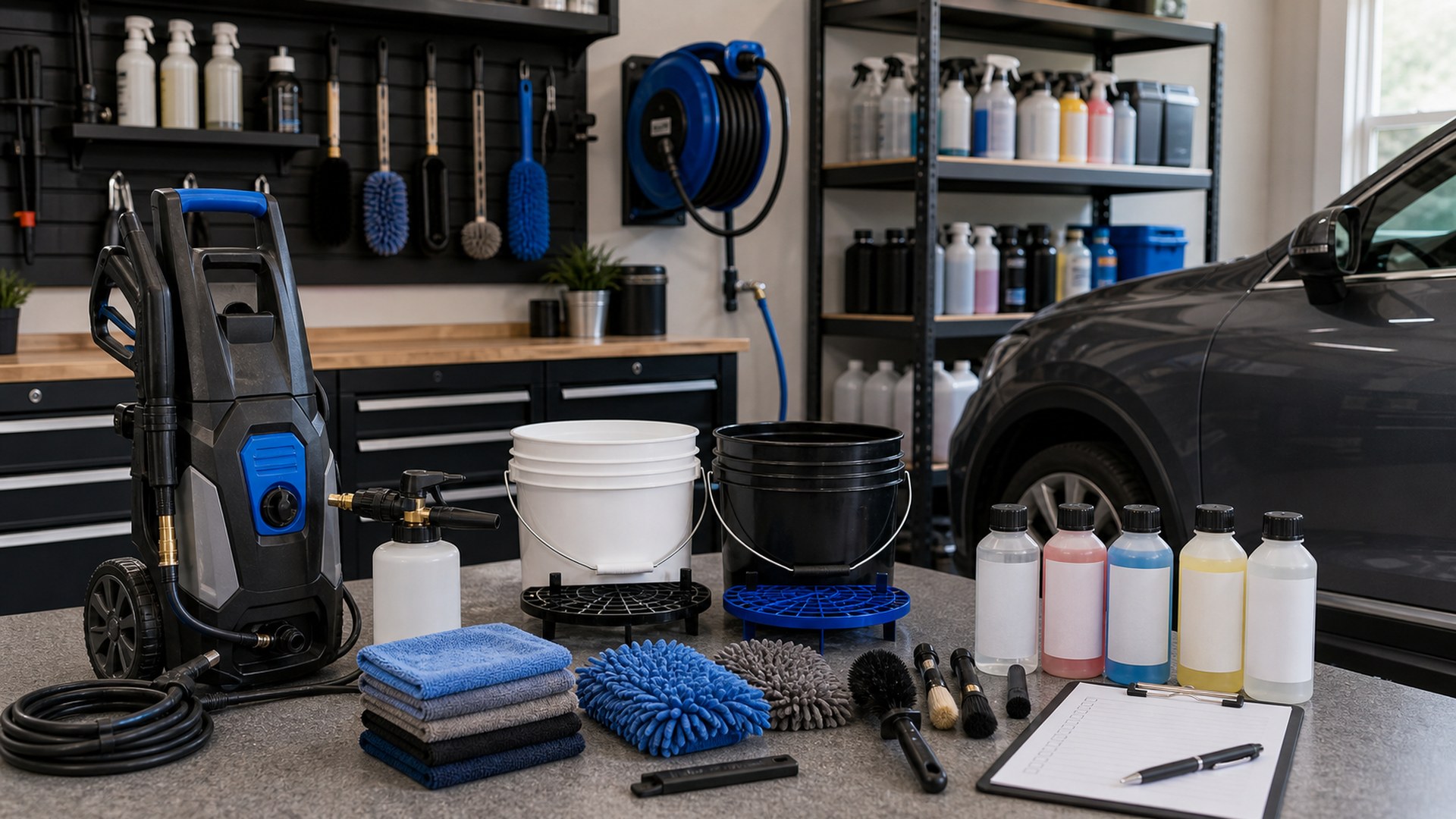
A practical guide to garage wash-bay planning, covering bay dimensions, water and drainage, electrical capacity, lighting and ventilation, mistakes, decisions, ownership, and verification.
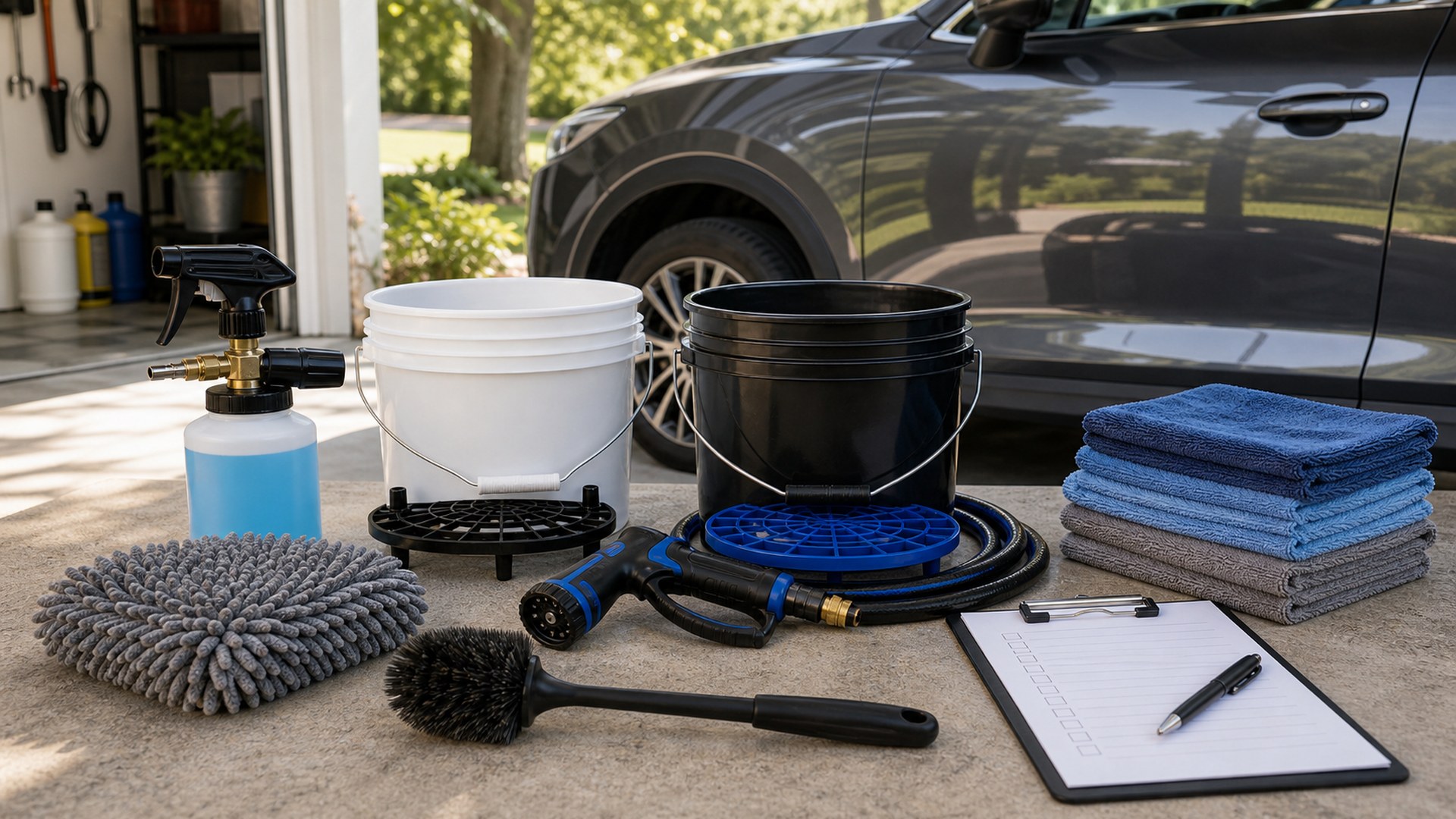
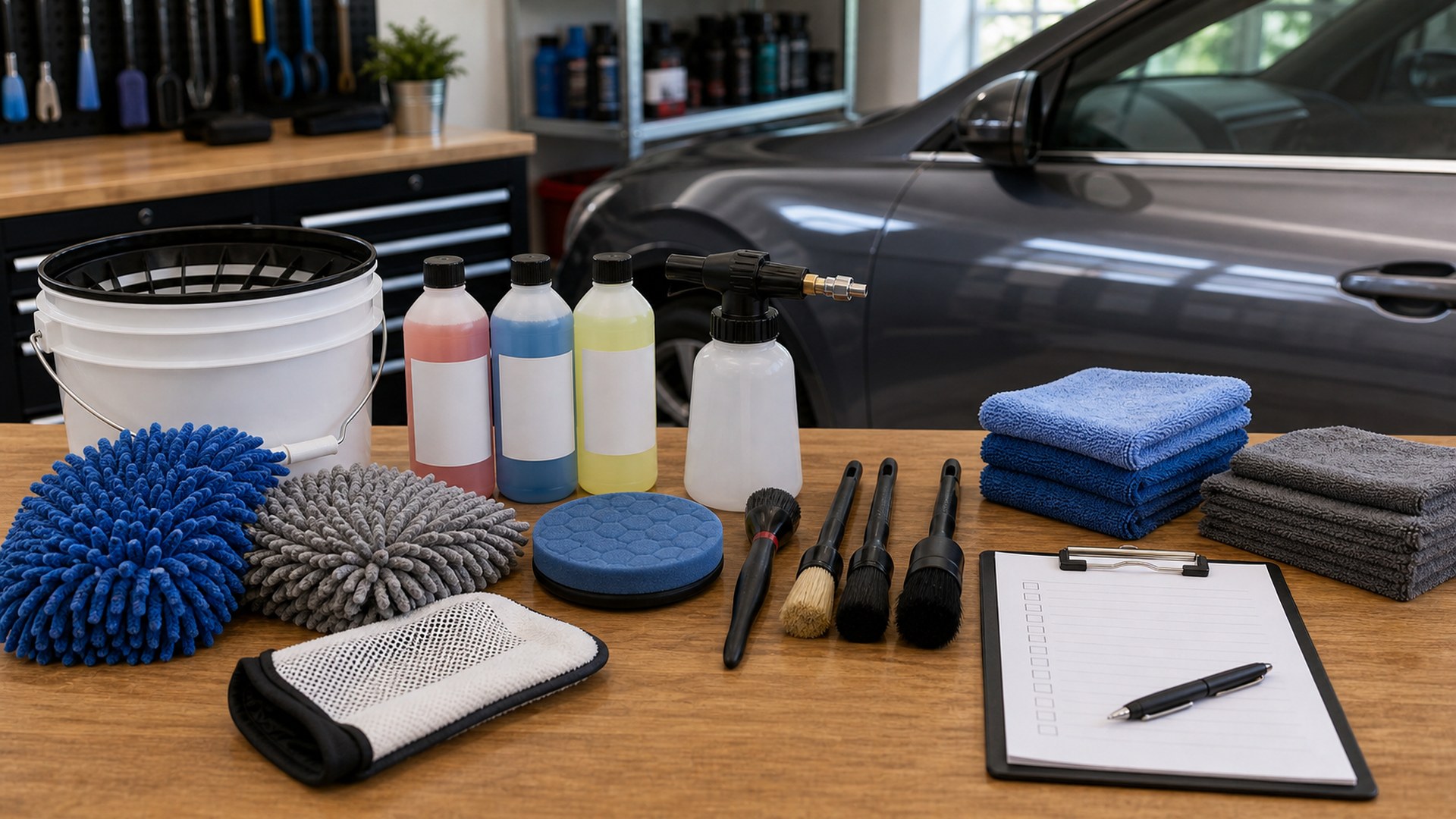
A practical weekend car-wash routine planning guide covering routine time budget, weather and work area, setup efficiency, contact-wash safety, common mistakes, conditional decisions, and documented verification.
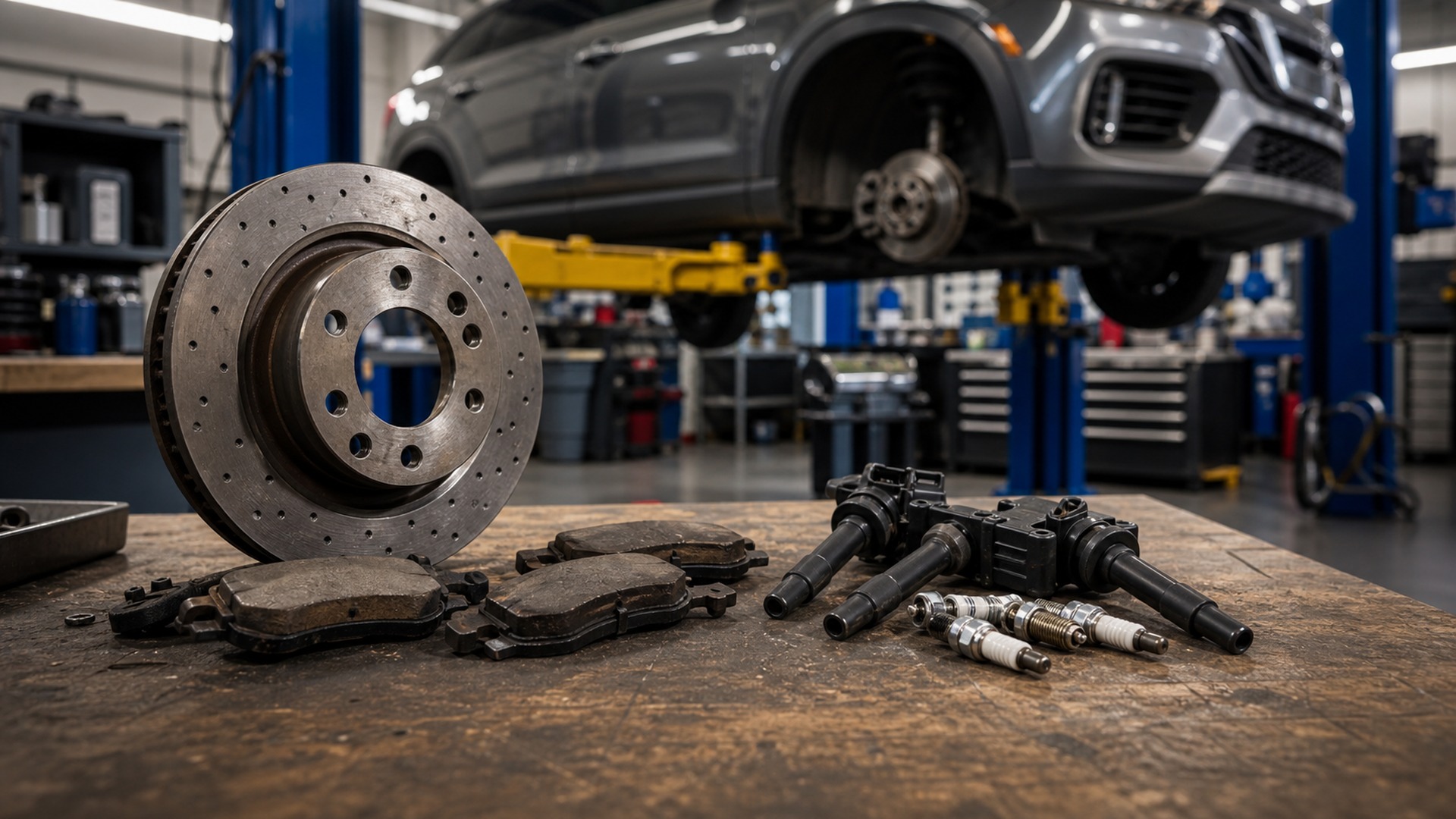
Use brake parts for proven stopping or wheel-release defects and ignition parts for proven spark faults. Codes, mileage, and shared symptoms require system-specific diagnosis.
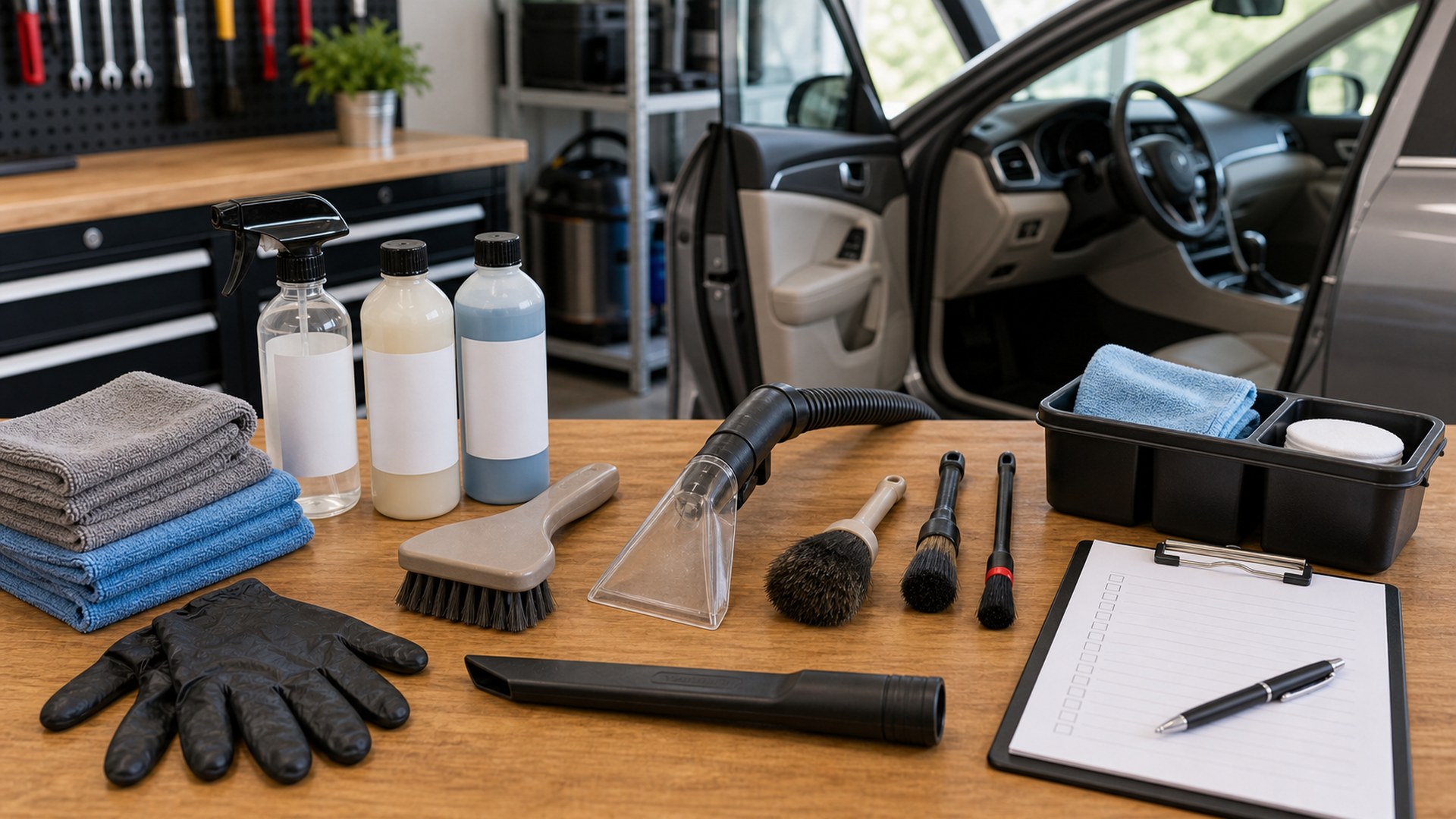
A practical interior restoration equipment guide covering material identification, dry-soil removal, chemical compatibility, agitation control, common mistakes, conditional decisions, and documented verification.
A practical paint-safe wash equipment guide covering finish condition, pre-rinse effectiveness, wash-media cleanliness, dirt isolation, common mistakes, conditional decisions, and documented verification.
Brake components create controlled deceleration through force and friction; engine filters remove contaminants while preserving air, oil, or fuel flow. Diagnose them separately.