When to Use Ignition Components Instead of Engine Filters
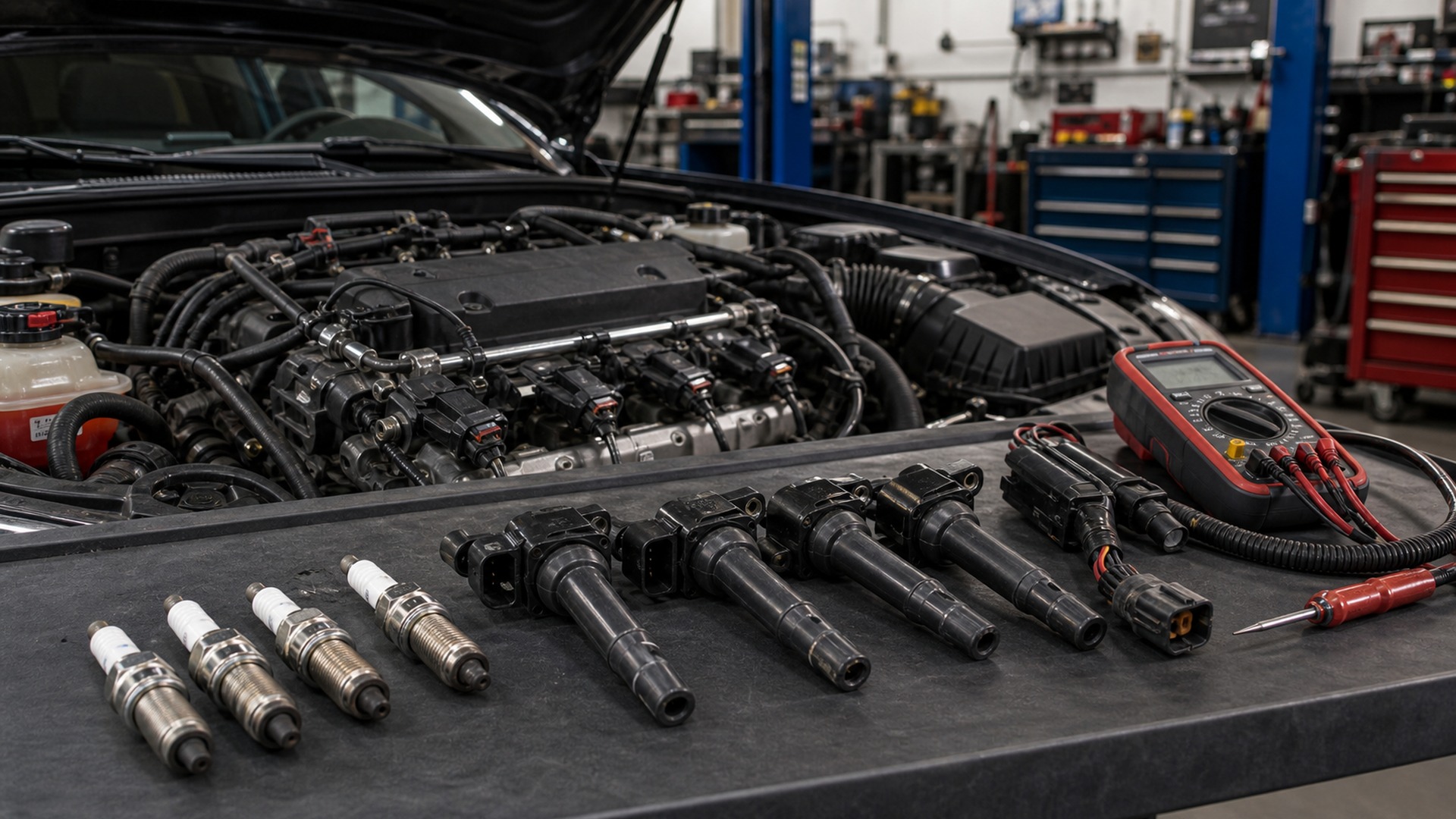
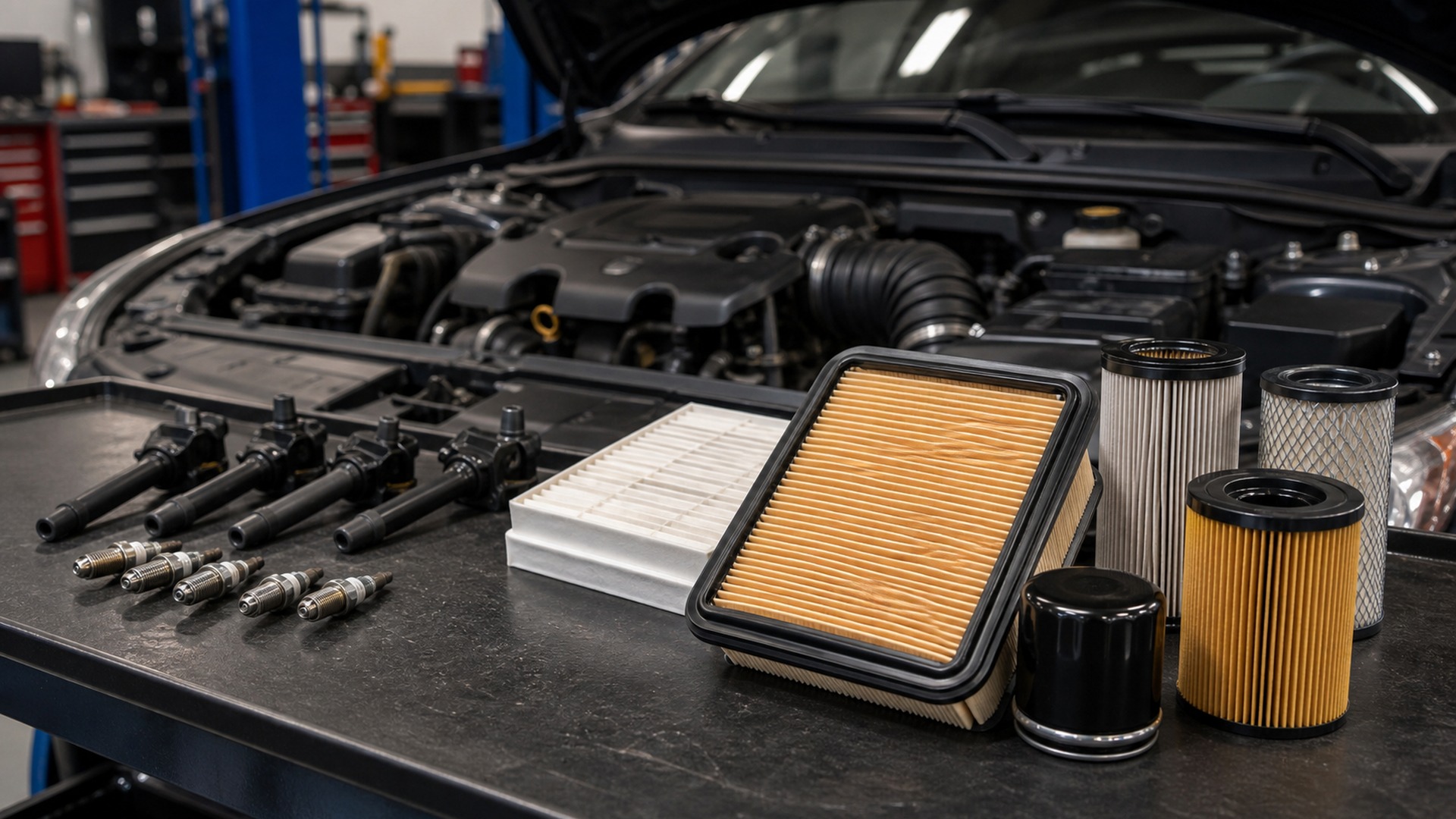
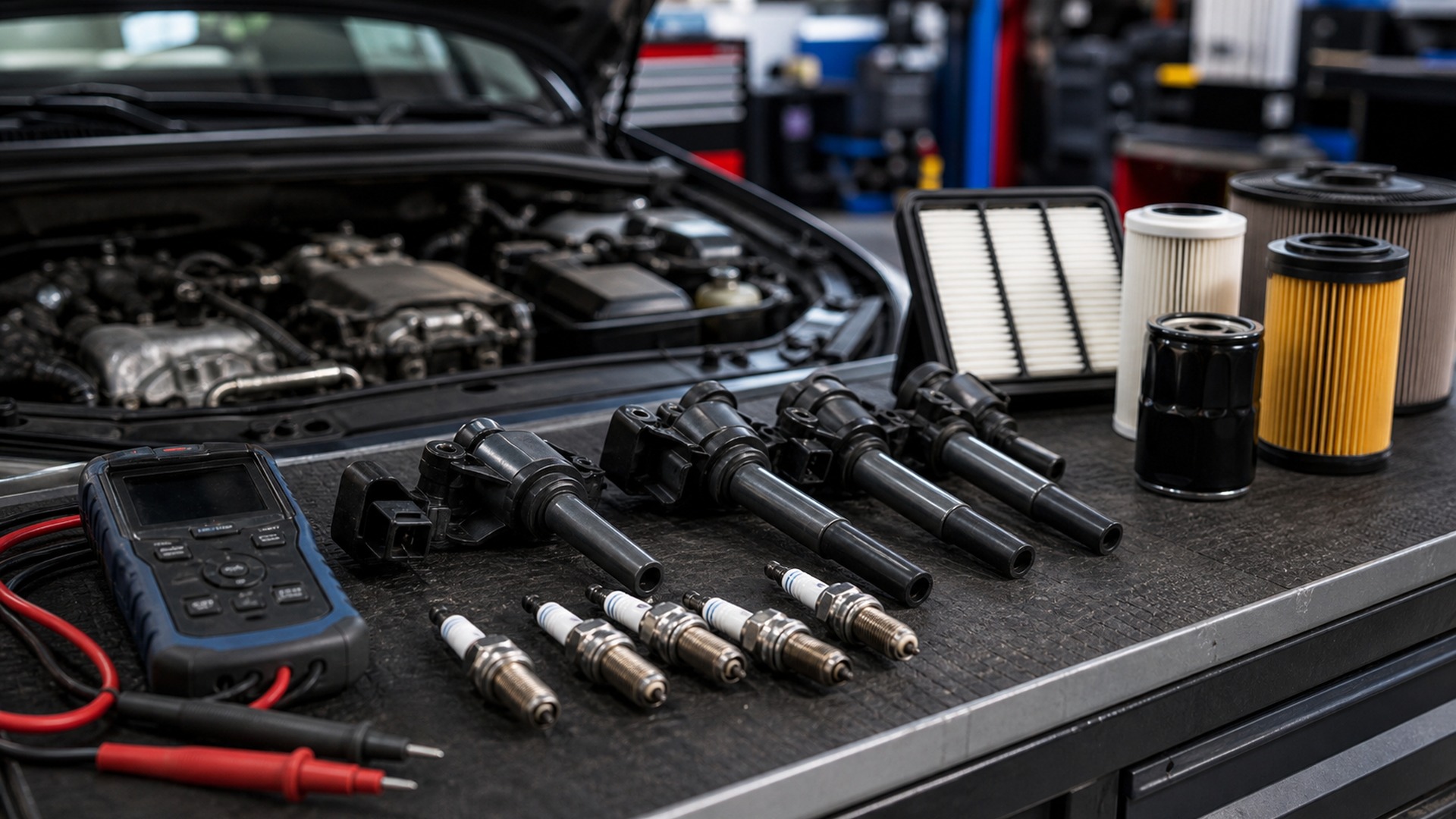
Choose ignition parts for proven spark-generation or delivery faults and filters for proven flow or contamination-control faults; confirm both under the failing condition.

Reviews You Can Trust
Choose ignition parts for proven spark-generation or delivery faults and filters for proven flow or contamination-control faults; confirm both under the failing condition.
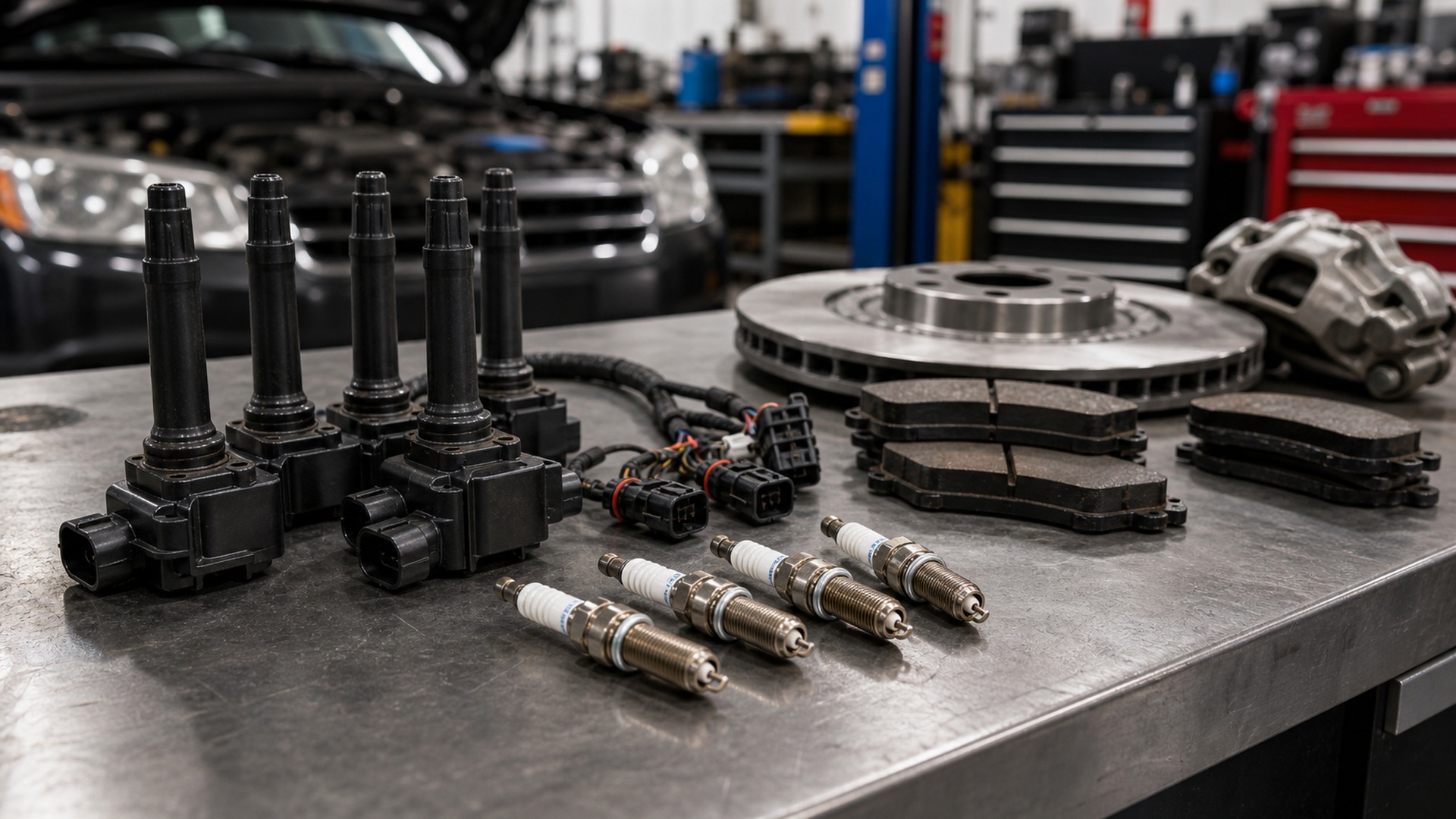
Ignition initiates cylinder combustion through timed discharge; brakes create vehicle deceleration and restraint through force, friction, heat, and tire-road reaction.
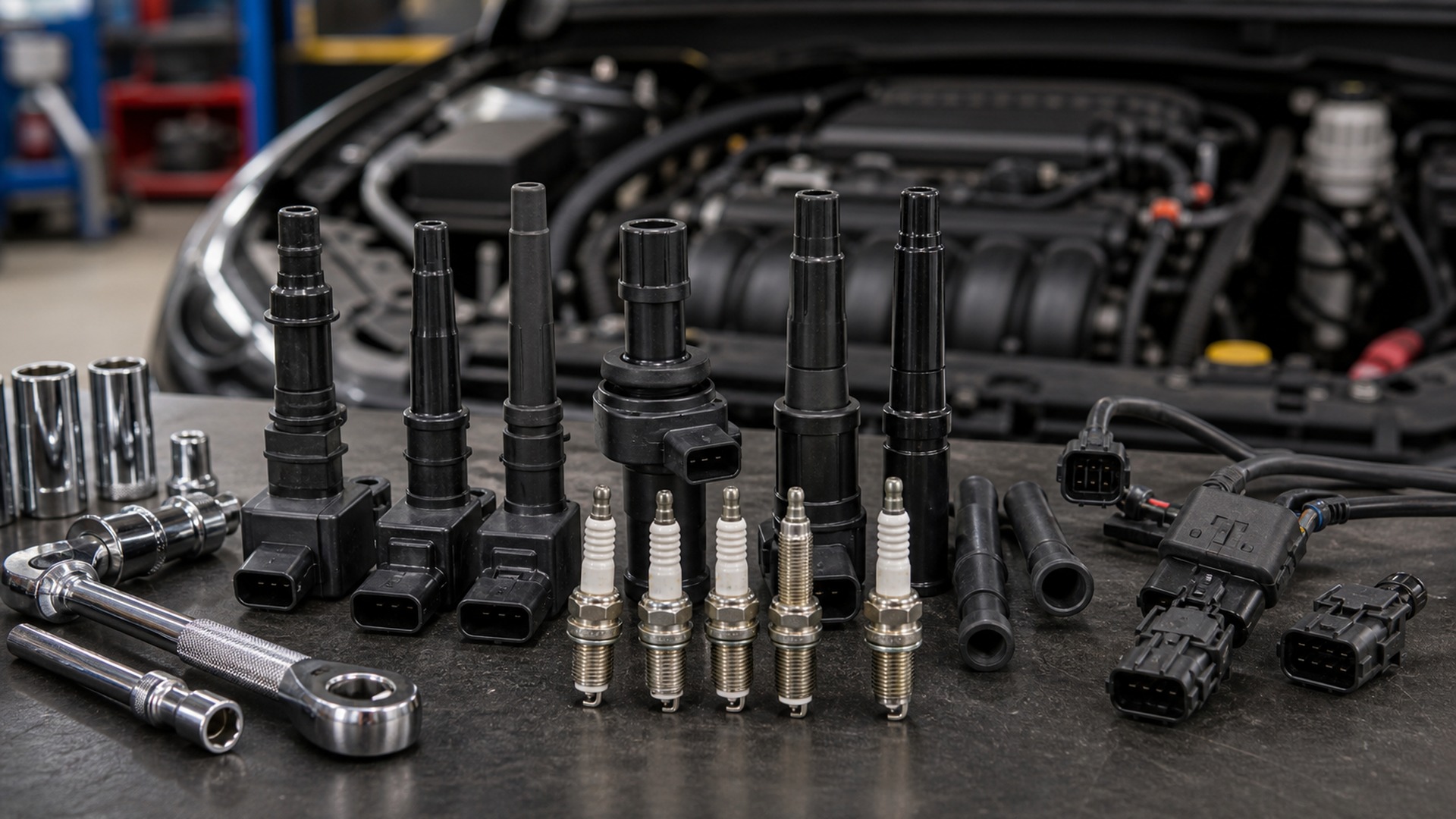
Ignition parts can physically install yet misfit the chamber, thermal path, secondary voltage, or controller. Exact geometry, electrical behavior, and torque all matter.
Ignition components turn timed low-voltage input into a high-voltage spark that initiates combustion under changing pressure, load, temperature, and mixture conditions.
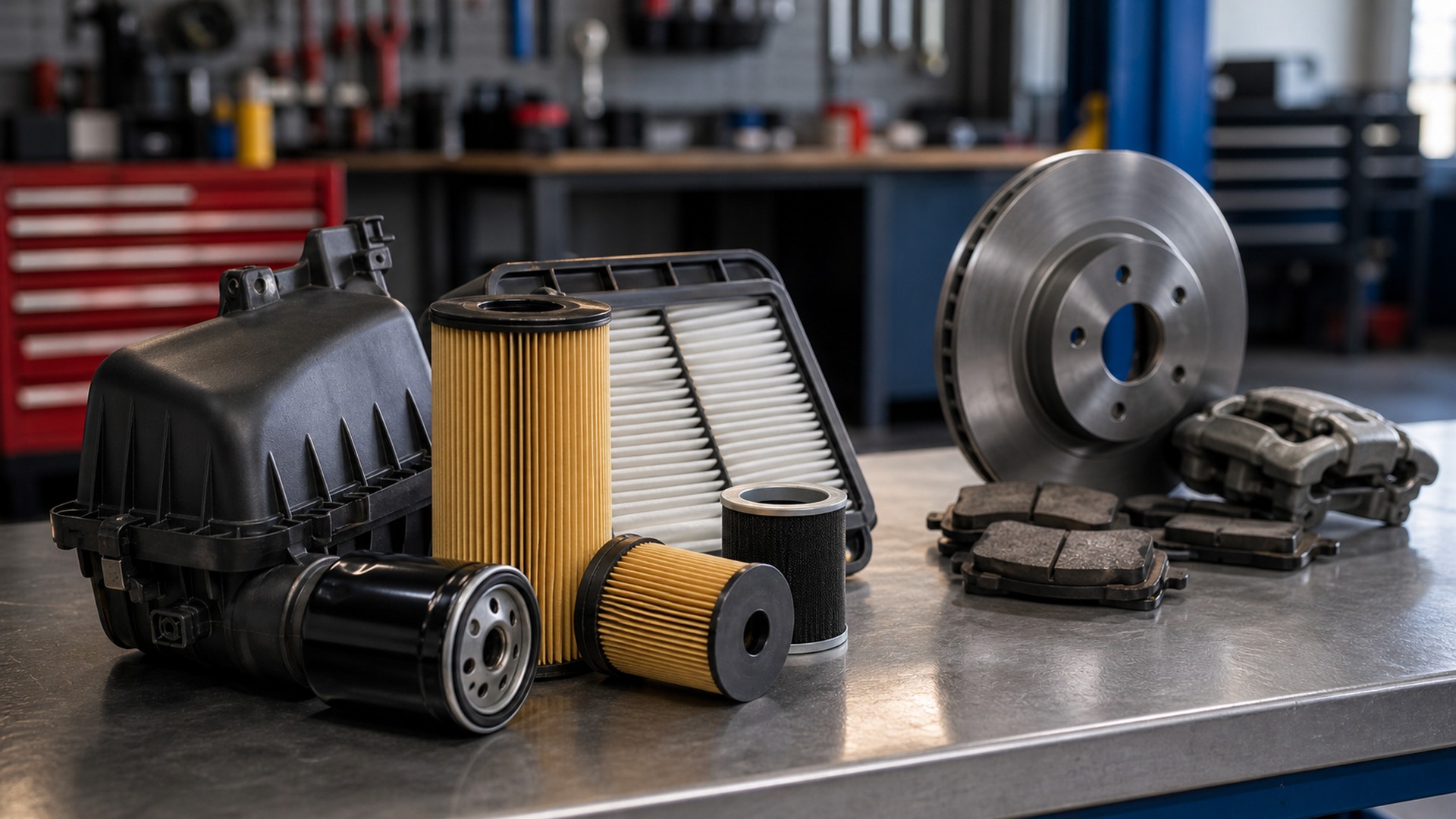
Choose engine filters for verified flow or contamination-control needs and brake components for verified deceleration, restraint, hydraulic, friction, or release faults.
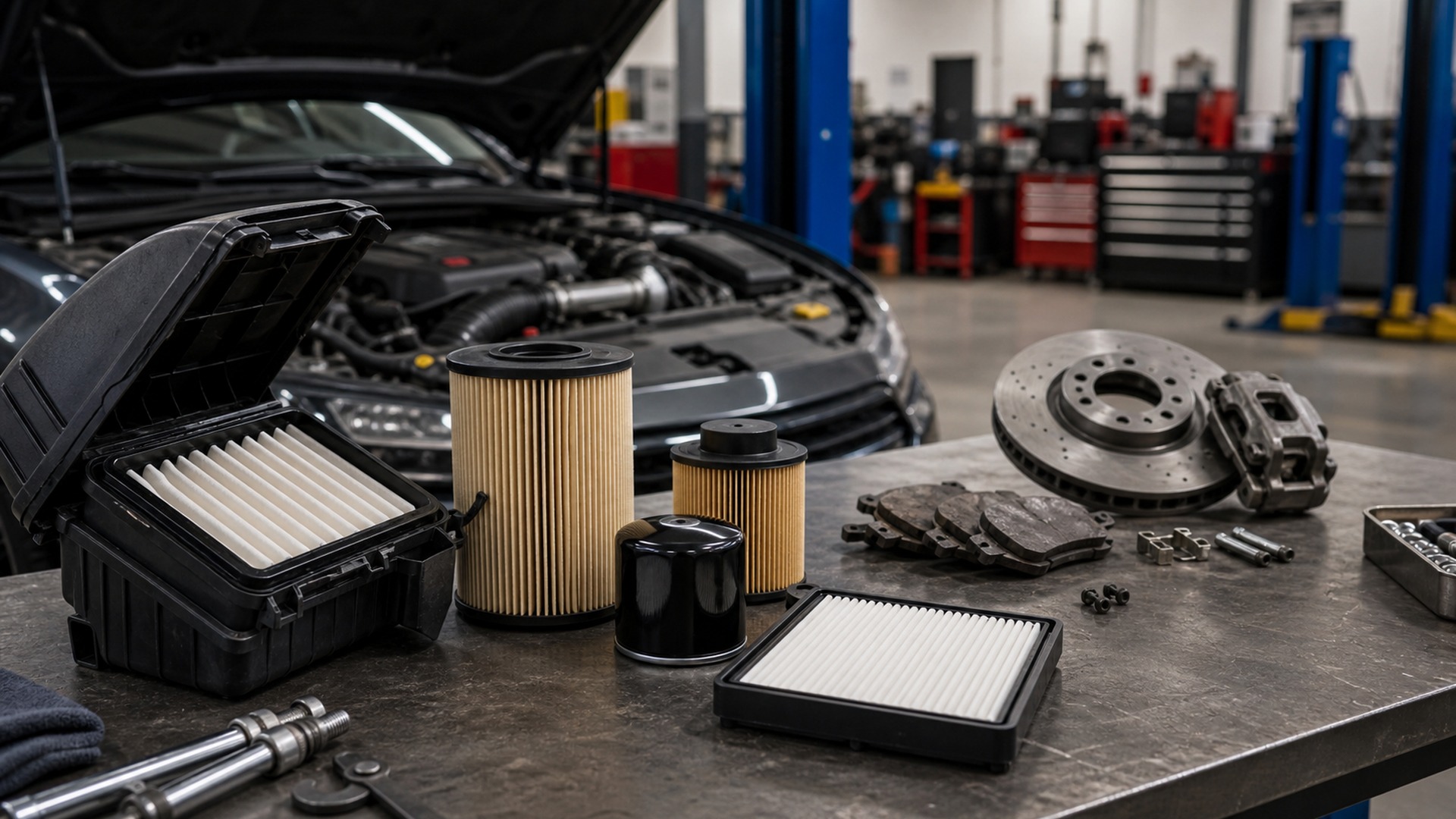
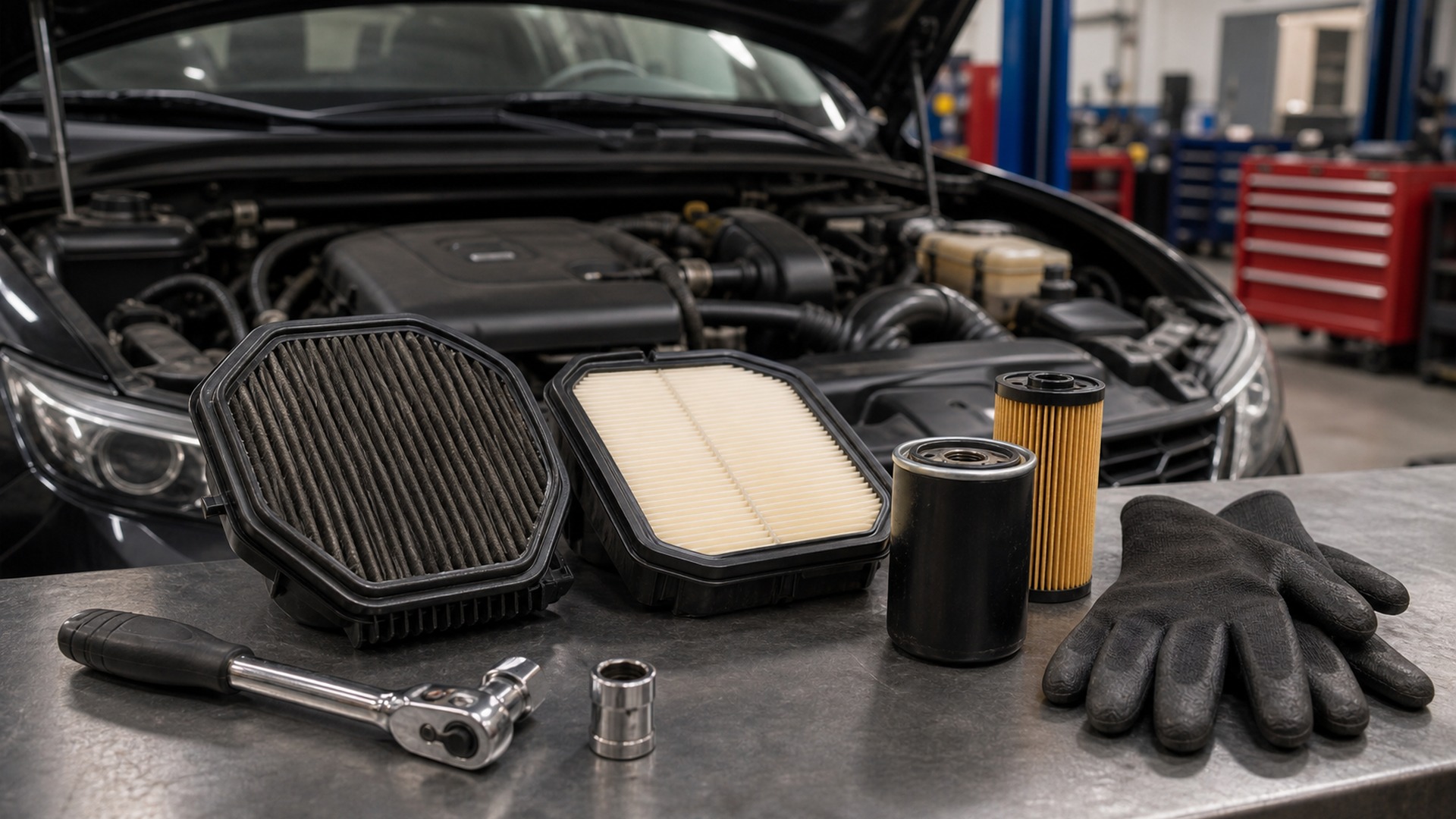
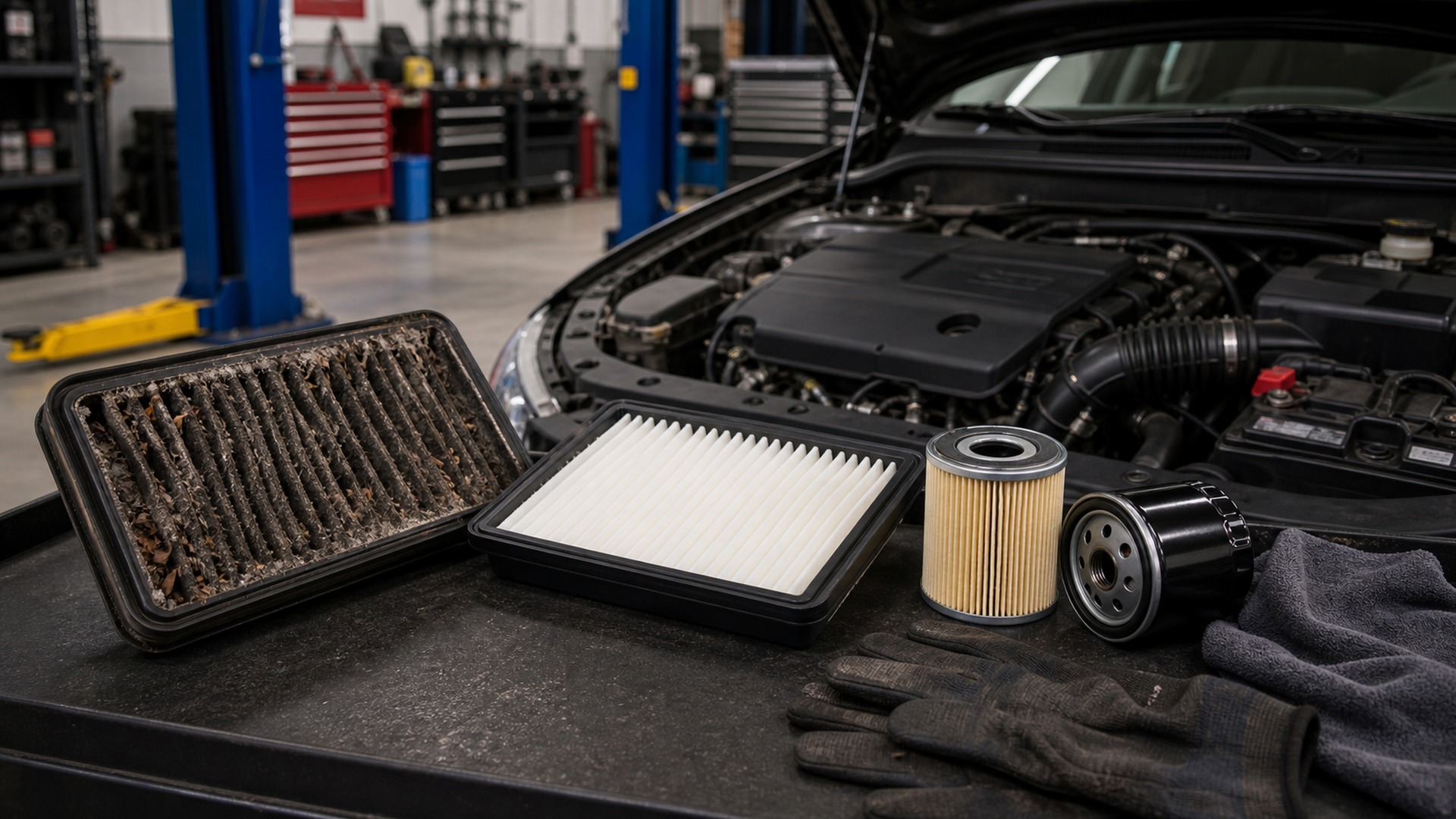
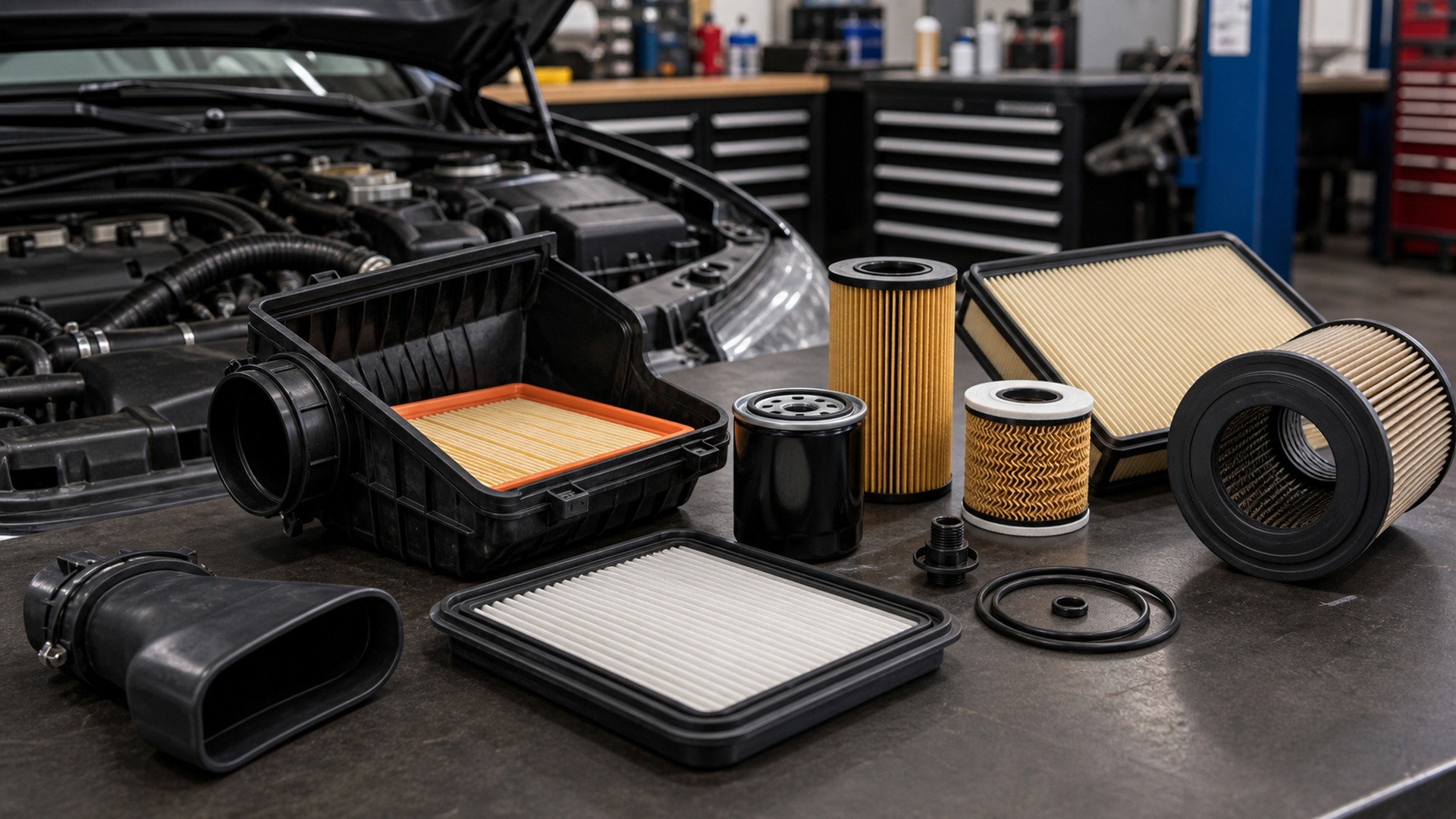
Engine-filter maintenance balances useful capacity against restriction and contamination risk while treating air, oil, and fuel circuits by their own evidence.
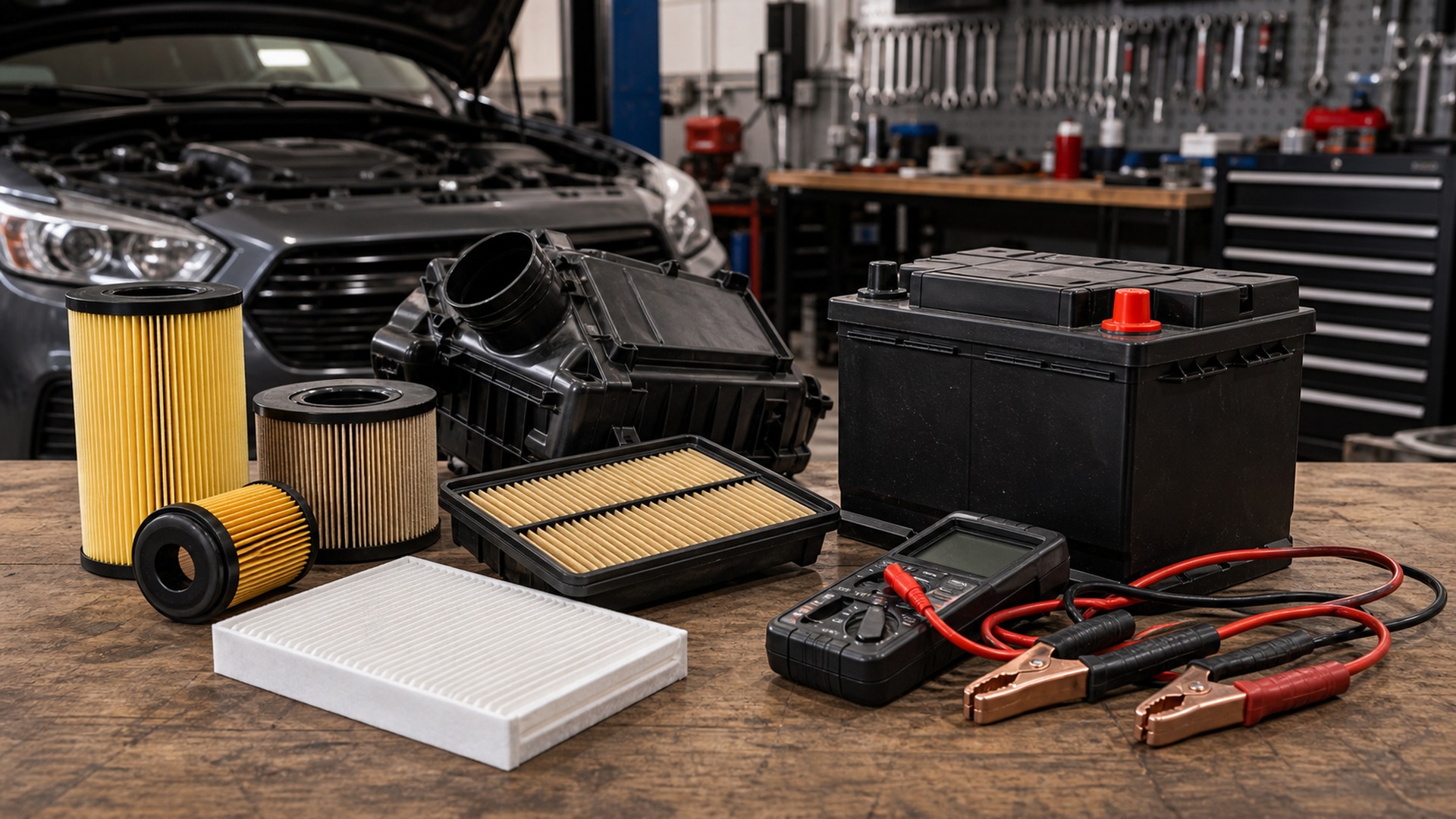
Engine filters retain contamination while passing working fluid; vehicle batteries retain chemical energy while delivering electrical power.
Engine-filter service opens hot, pressurized, flammable, or contamination-sensitive circuits. Safe work controls stored energy, fitment, cleanliness, and restart verification.
Engine-filter performance is a curve across capture, capacity, restriction, structure, sealing, flow, temperature, and circuit-control thresholds—not one micron number.
Choose engine filters for proven flow or contamination-control faults and ignition parts for proven spark faults; misfire and low power require causal testing first.
Engine filters condition air, oil, or fuel flow; brake components create commanded deceleration. Each requires different measurements, precautions, and release evidence.
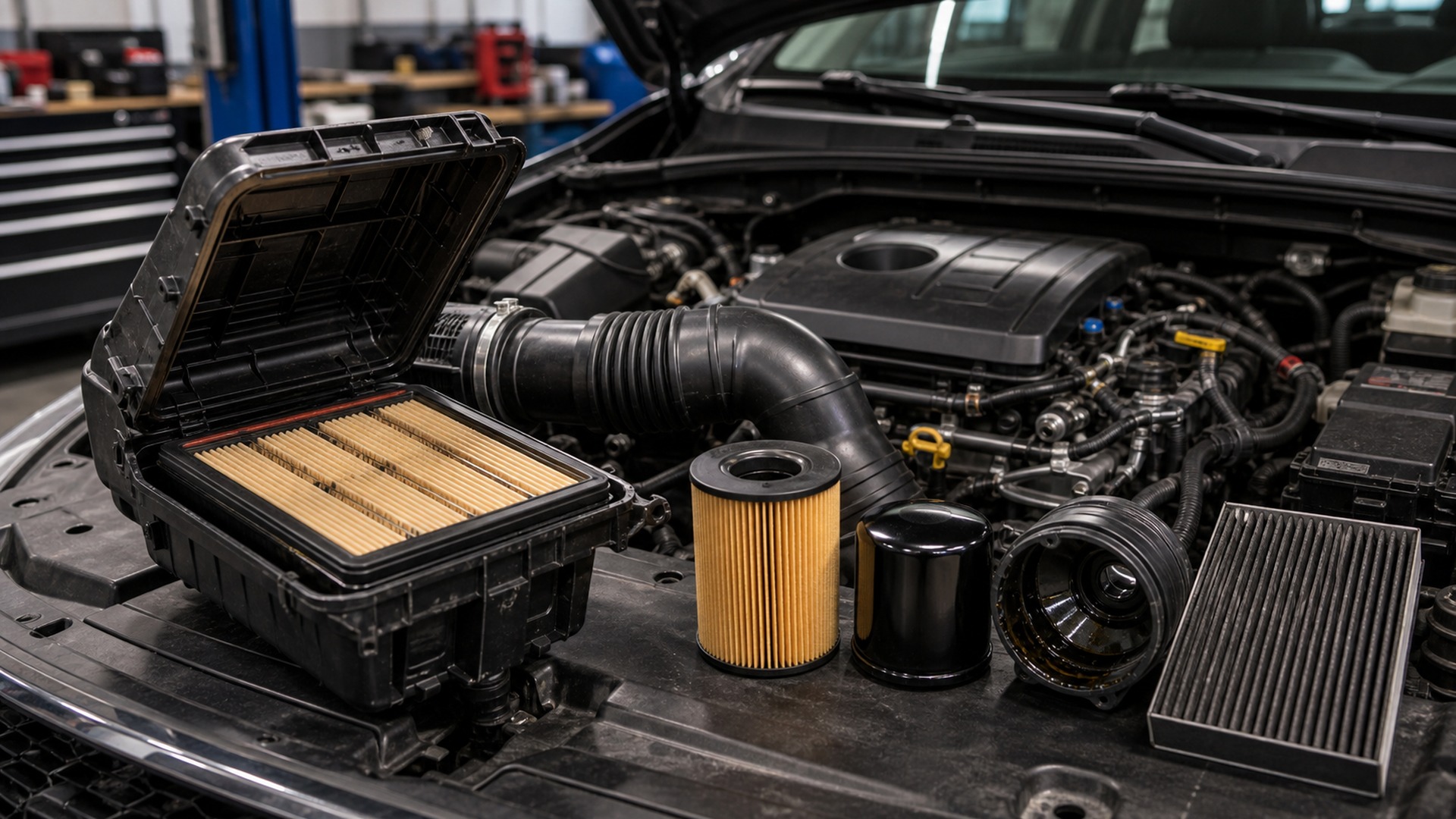
A filter can fit the opening yet miss the system. Correct engine-filter fitment aligns sealing, internal flow, valves, strength, chemistry, and service interfaces.