Why Smart EV Chargers Matter
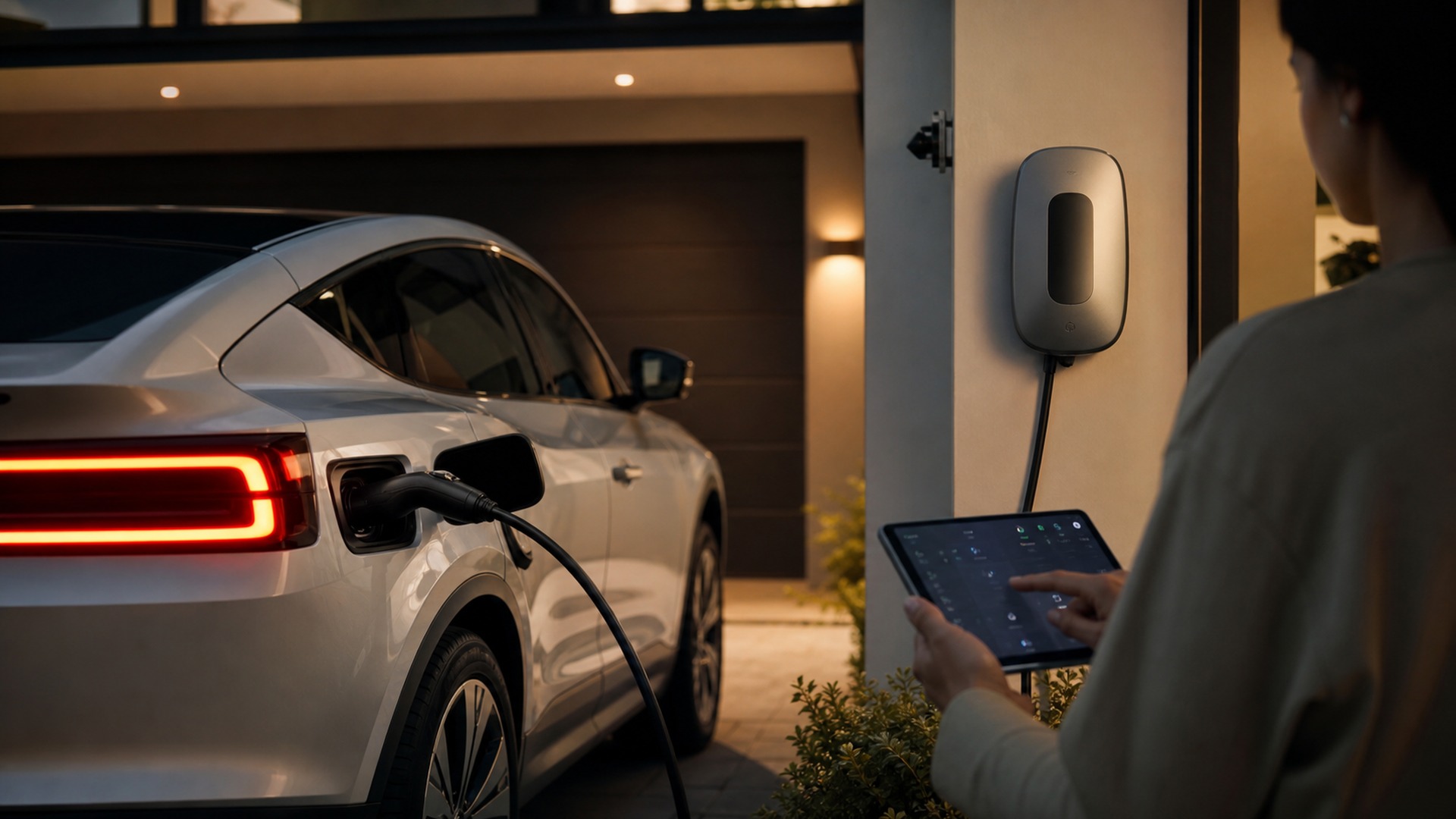
Smart EV chargers can coordinate time, capacity, users, and utility signals, but their value depends on reliable configuration, local fallback, security, and support.

Reviews You Can Trust
Smart EV chargers can coordinate time, capacity, users, and utility signals, but their value depends on reliable configuration, local fallback, security, and support.
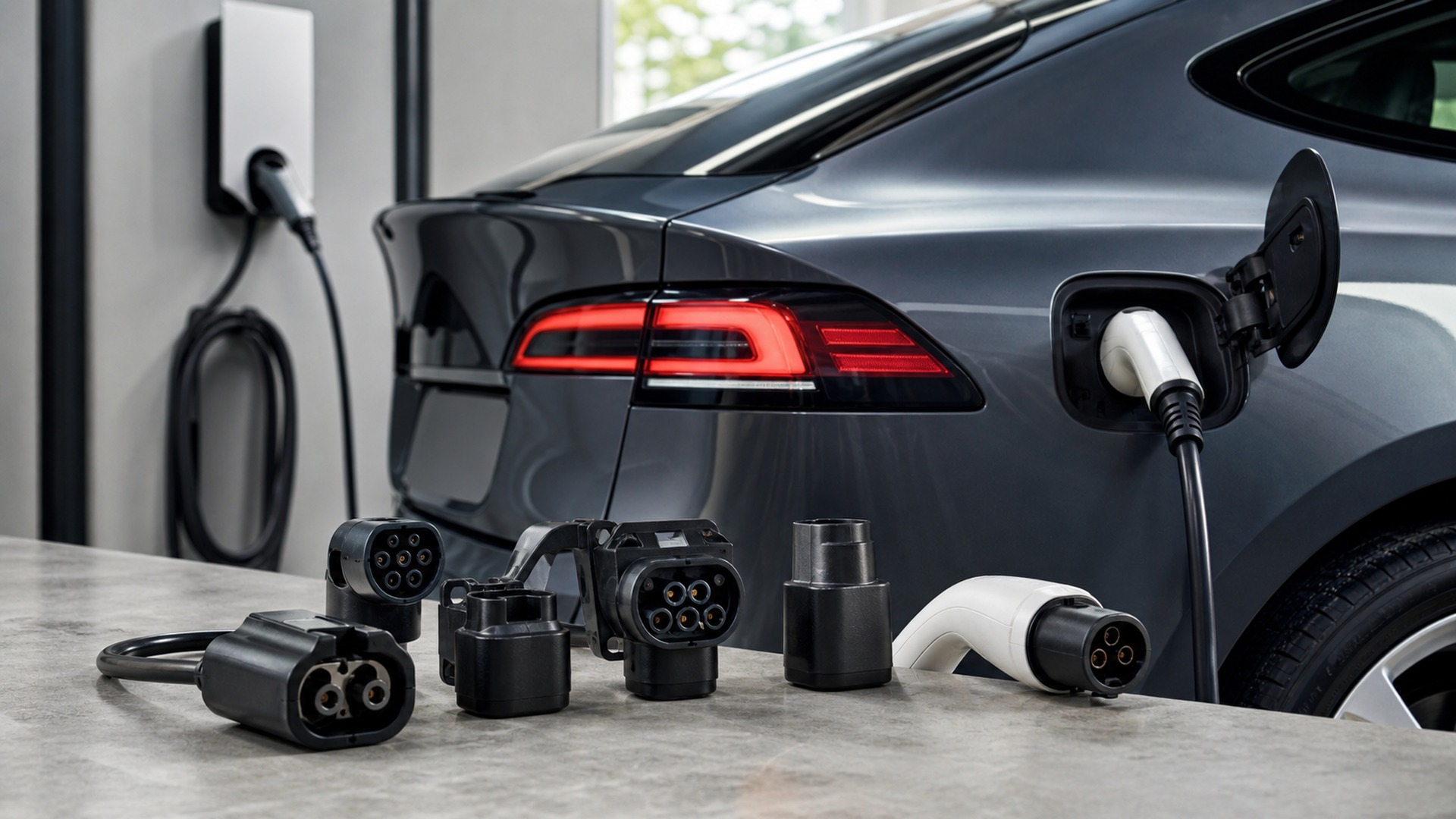
EV charging standards coordinate more than plug shape: they define signaling, power modes, safety sequencing, communication, and test expectations across equipment.
EV charging speed matters when energy must arrive before a deadline, but the full charge curve and the lowest system limit determine useful readiness.
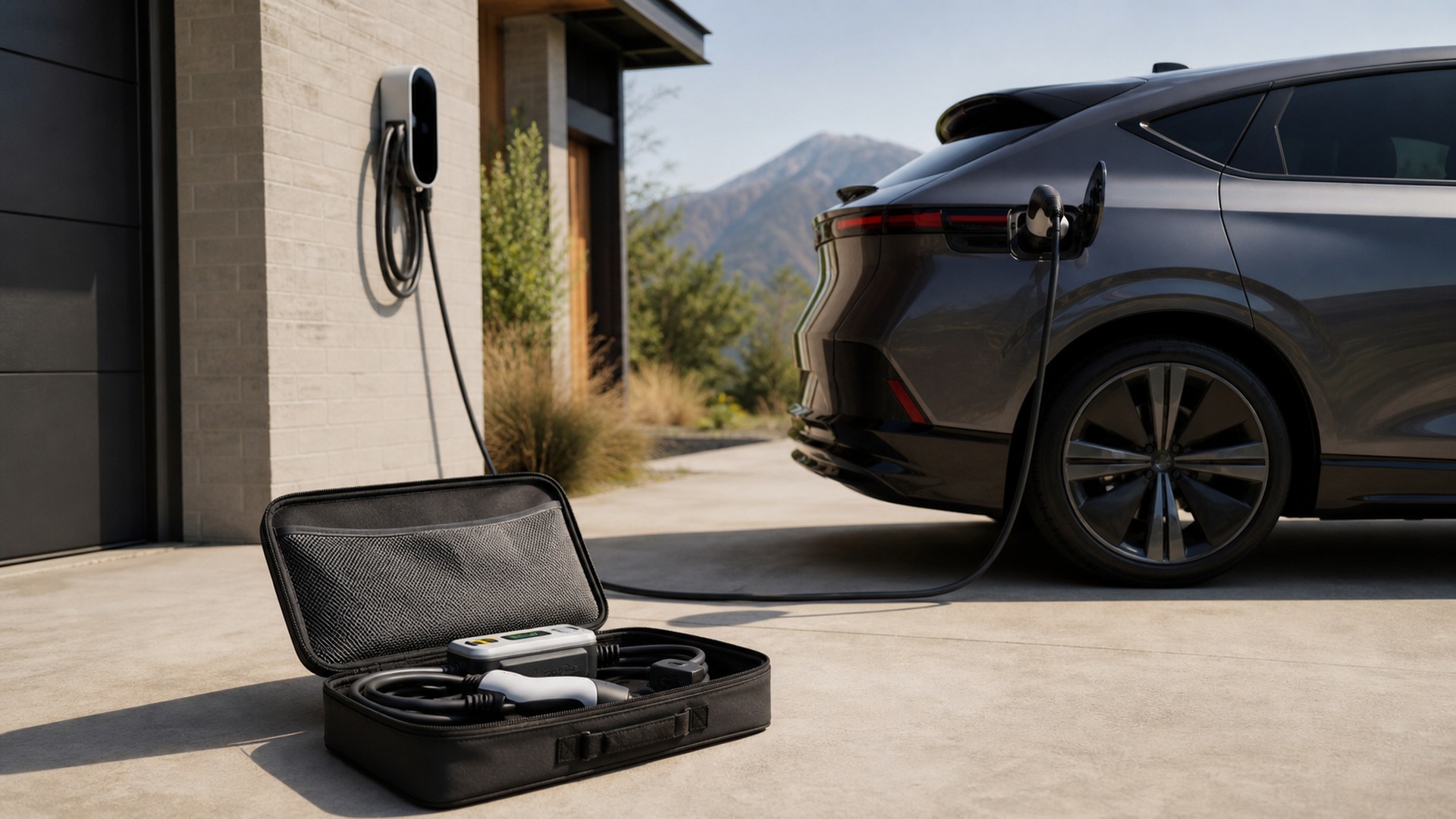
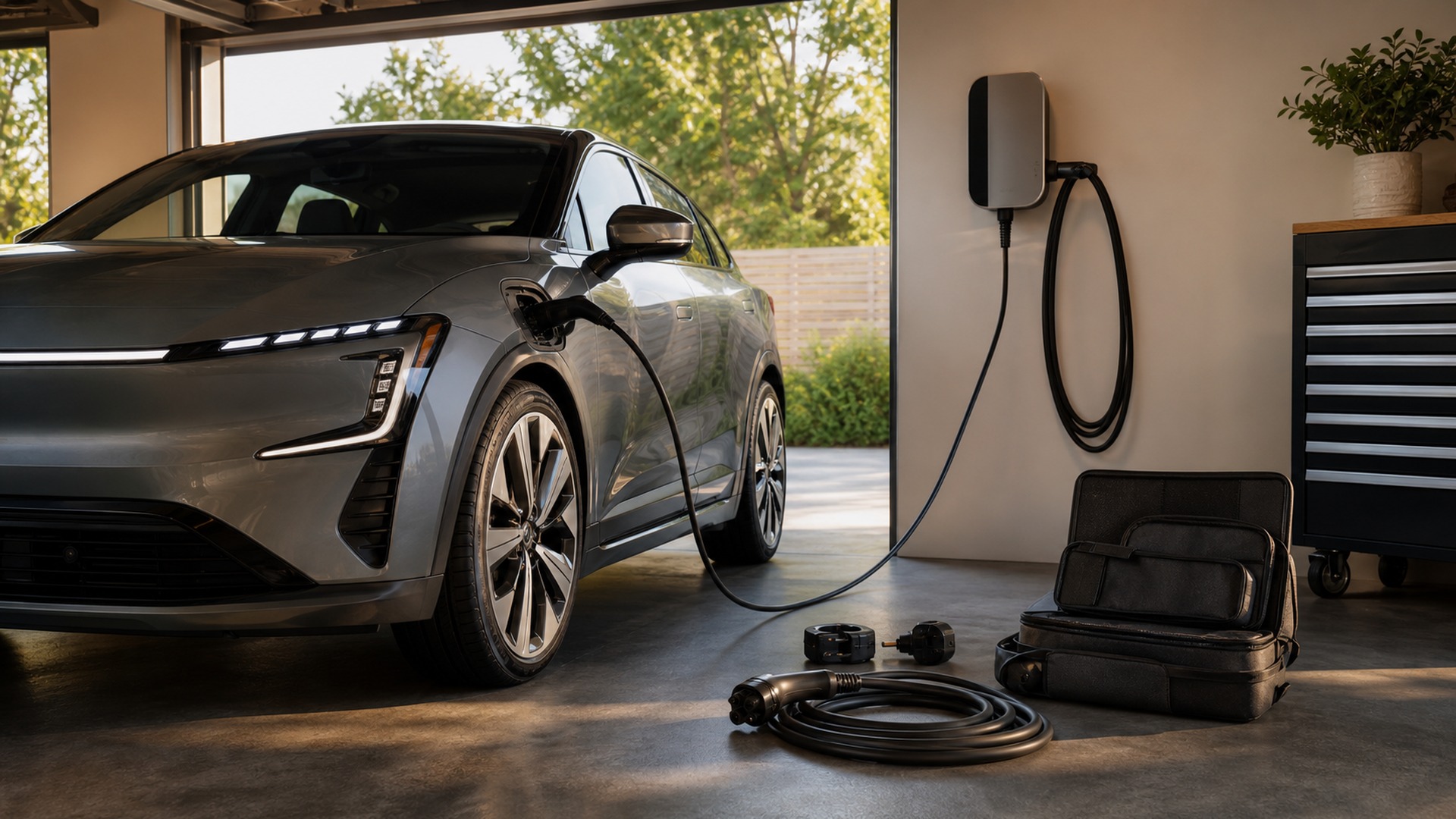
Portable EV charging suits verified flexible locations and modest energy needs; wall-mounted equipment better supports repeated access, cable control, and integrated home use.
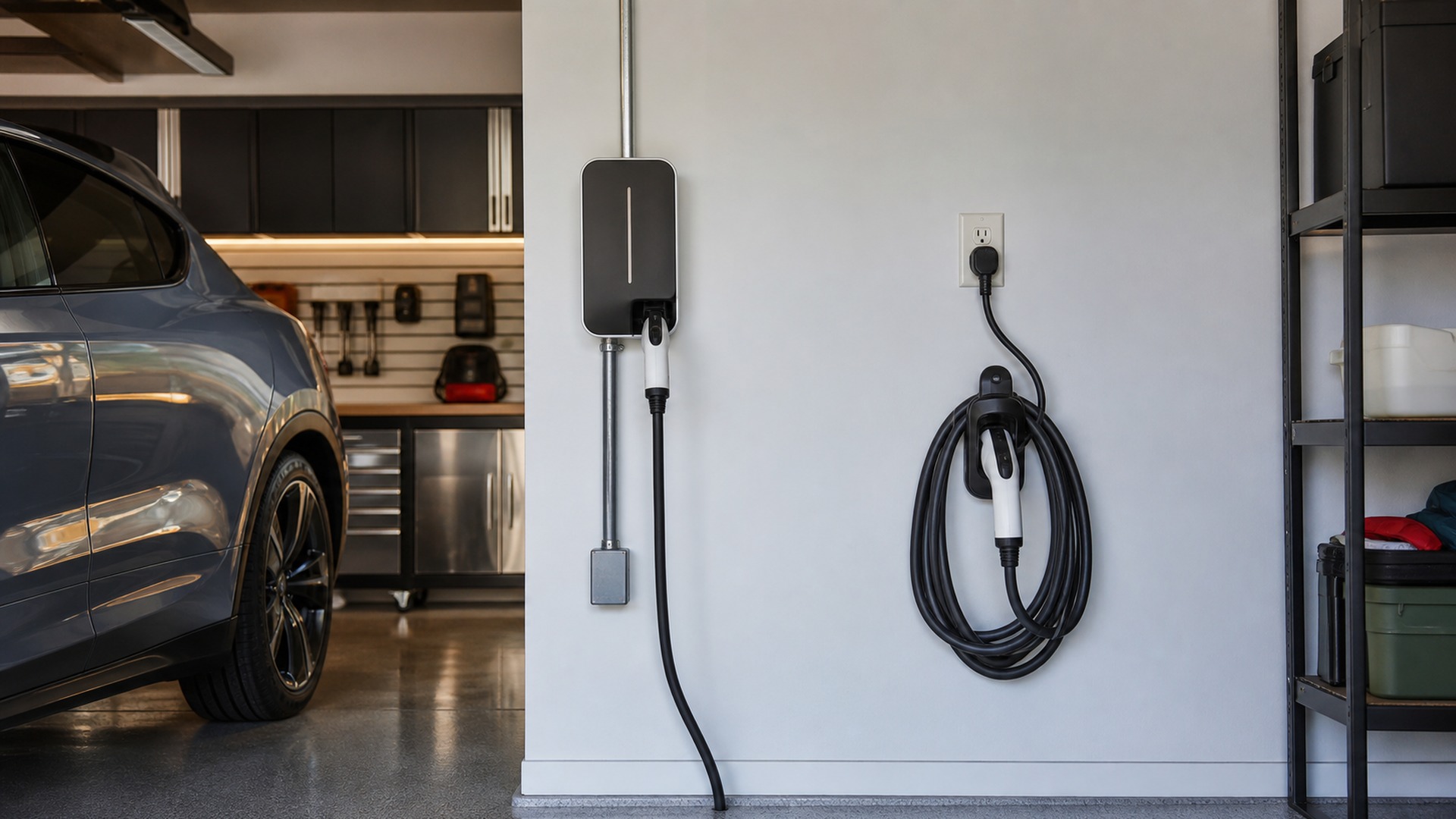
Hardwired EVSE removes a plug interface; plug-in EVSE gains easier removal but adds a receptacle, contact heating, weather, and maintenance considerations.
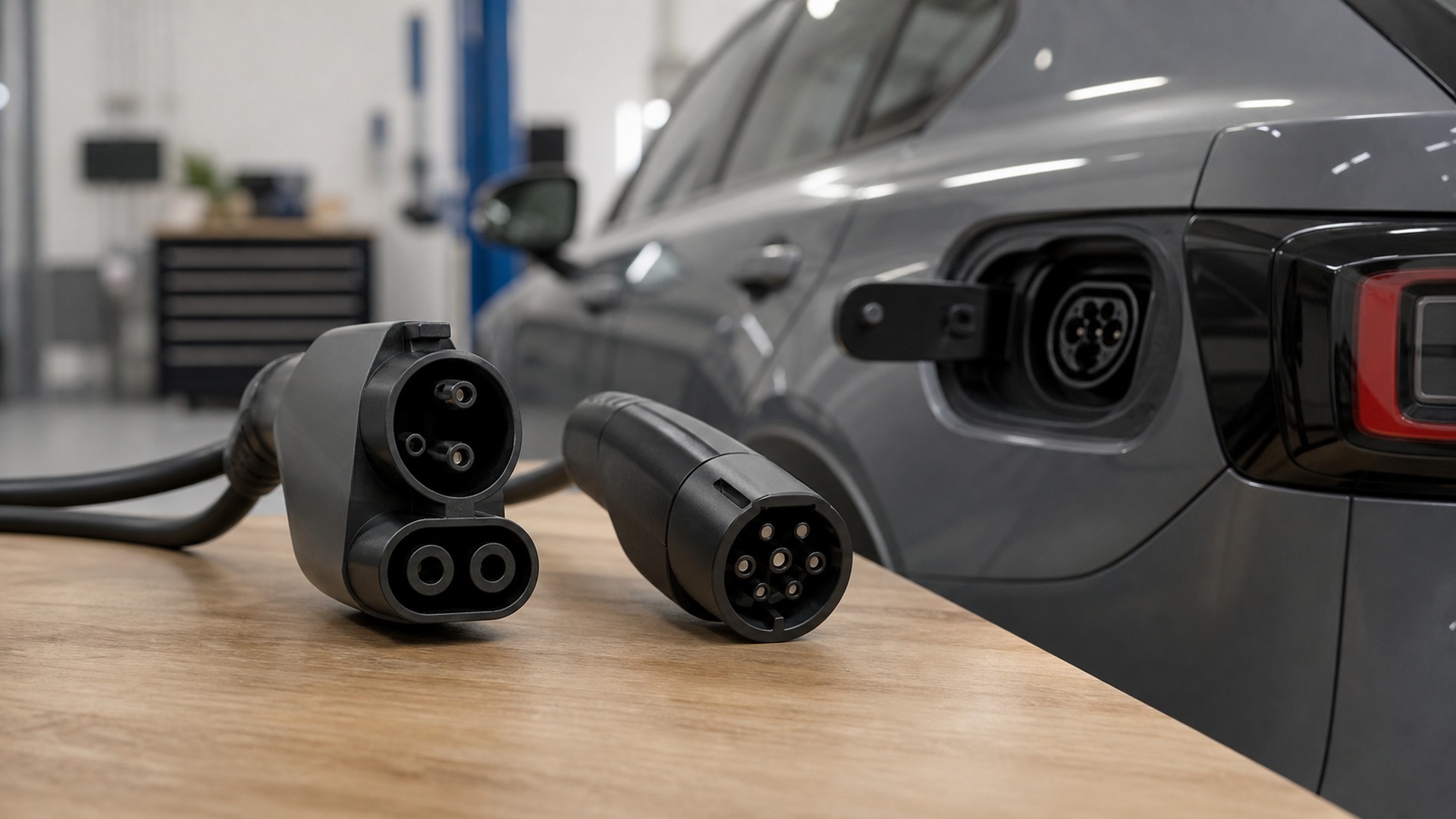
J3400 NACS shares main contacts for AC or DC, while CCS1 adds DC contacts to J1772. Connector shape alone does not guarantee charging access or power.
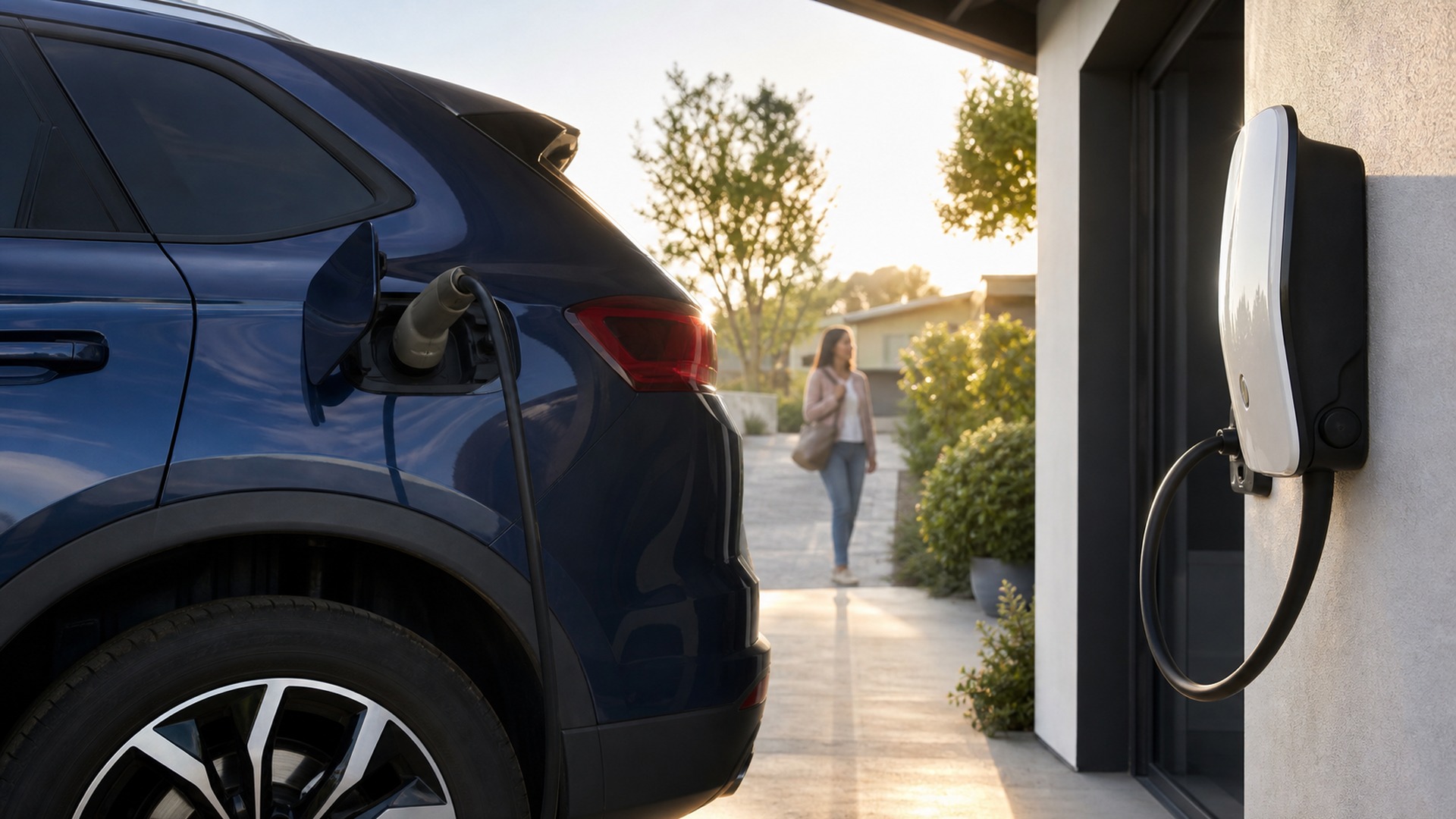
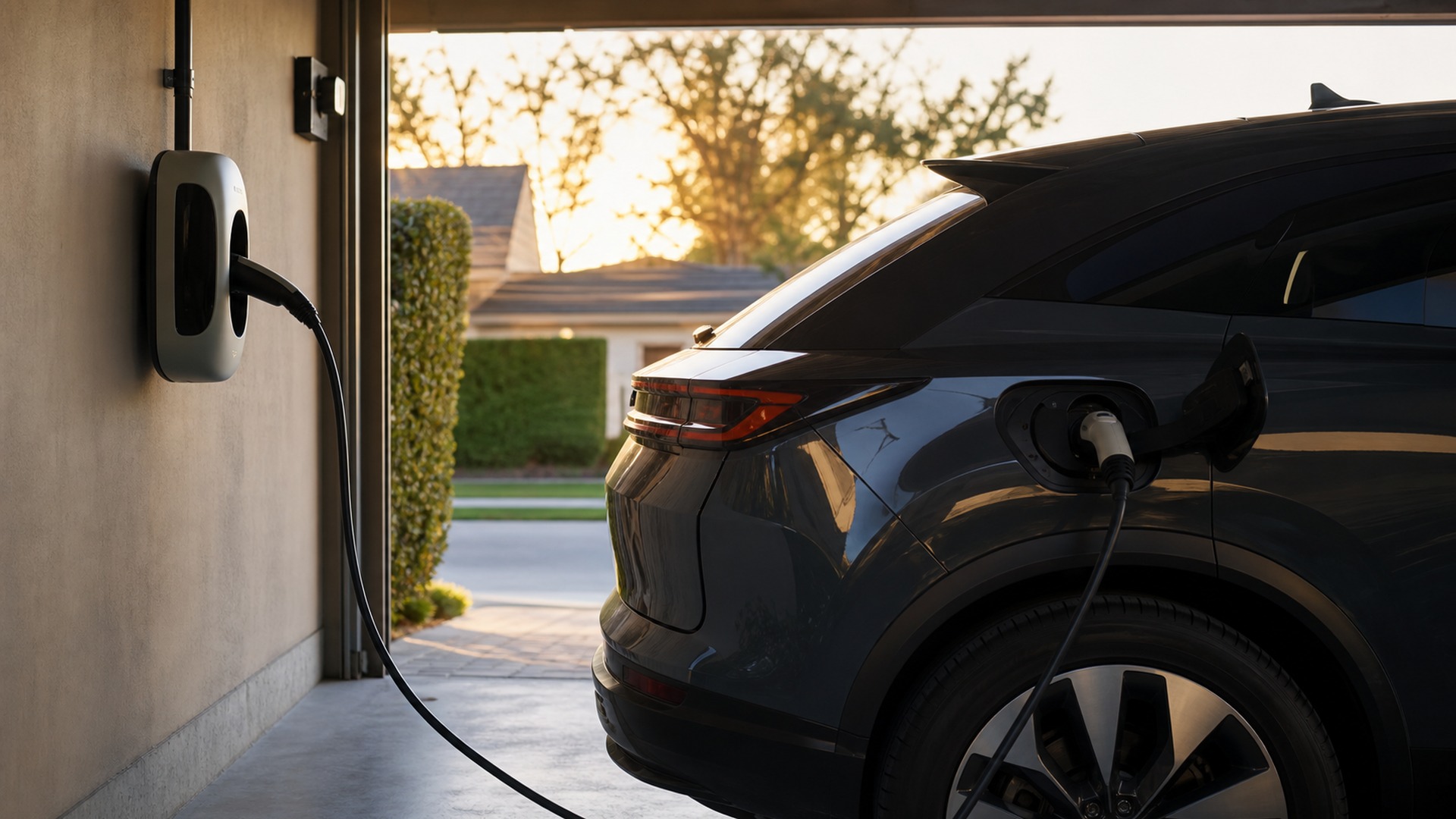
Home EV charging matters because a properly planned site can replace daily driving energy during parked hours and make departure readiness routine.
Level 2 charging adds energy-recovery margin per parked hour, but the right size comes from daily need, dwell time, vehicle limits, and site capacity.
EV charging is a negotiated power chain linking the electrical site, EVSE, connector, vehicle conversion, battery management, thermal control, and compatible gear.
Ergonomic driving aids can correct a small fit mismatch, but only after factory adjustment and full checks of controls, restraints, vision, and long-duration comfort.
Automotive sun protection works by targeting solar heat, UV, glare, and exposed materials without sacrificing required visibility or safe parked-vehicle practice.
Vehicle organization protects attention and access when items have defined locations, restraint levels, temperature limits, and parked-only retrieval rules.