When to Use Car Interior Accessories Instead of Vehicle Upgrades
Choose an interior accessory for a temporary, low-impact need; choose an upgrade when durable capability depends on vehicle structure, power, networks, or calibration.

Reviews You Can Trust
Choose an interior accessory for a temporary, low-impact need; choose an upgrade when durable capability depends on vehicle structure, power, networks, or calibration.
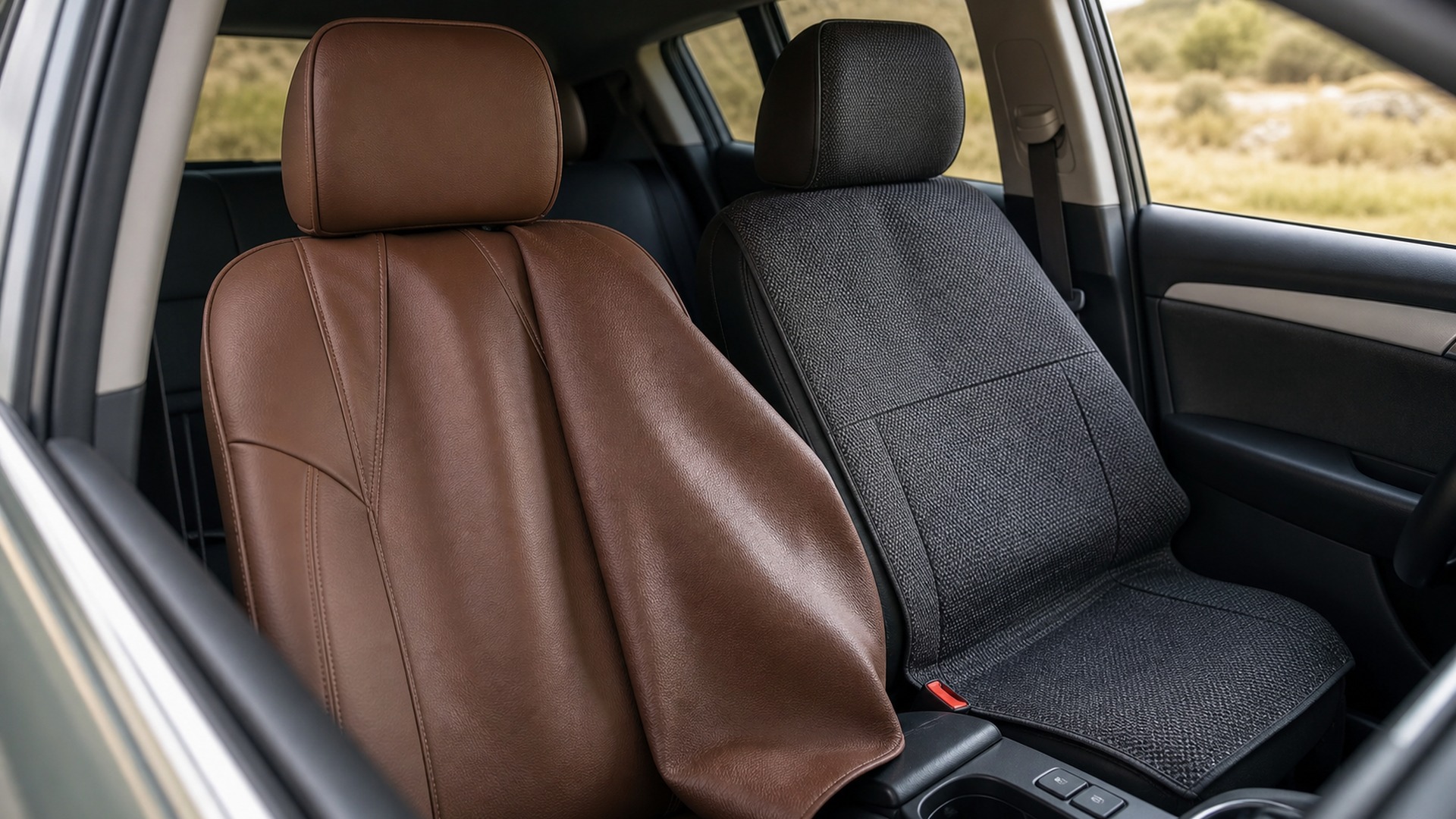
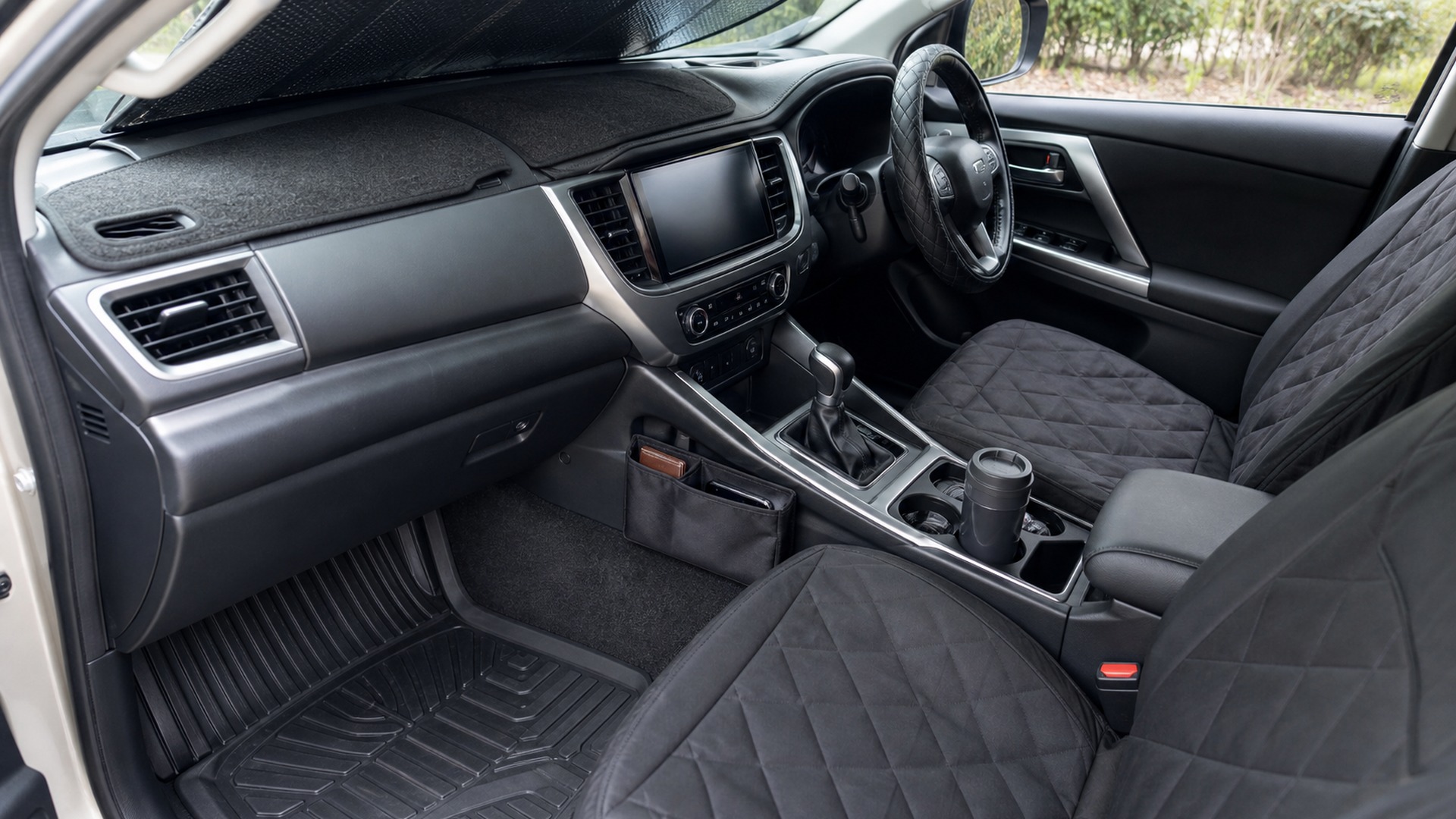
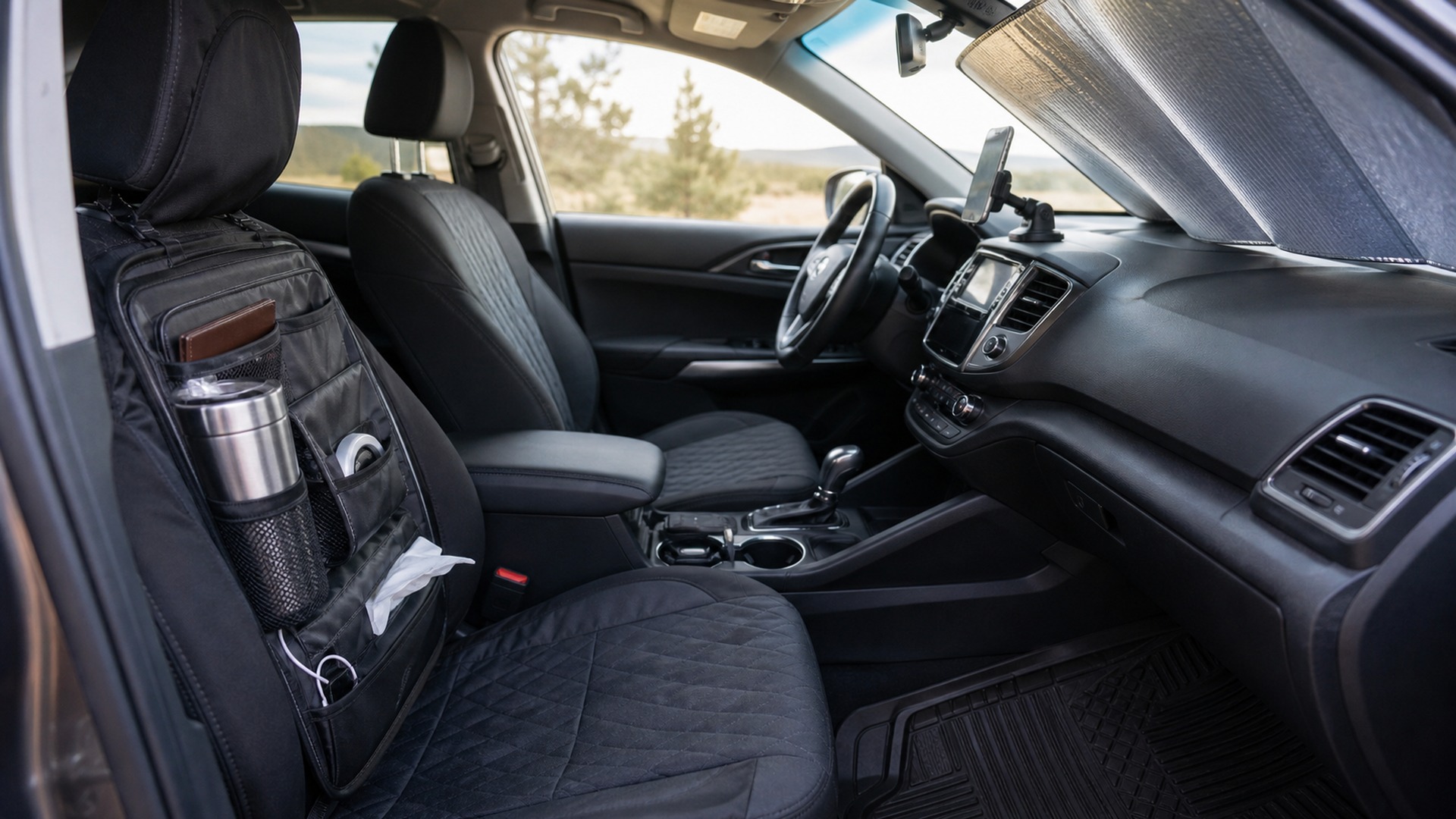
Leather-like and fabric covers manage contact, heat, moisture, soil, and wear differently, but construction, fit, care, and exact seat compatibility decide performance.
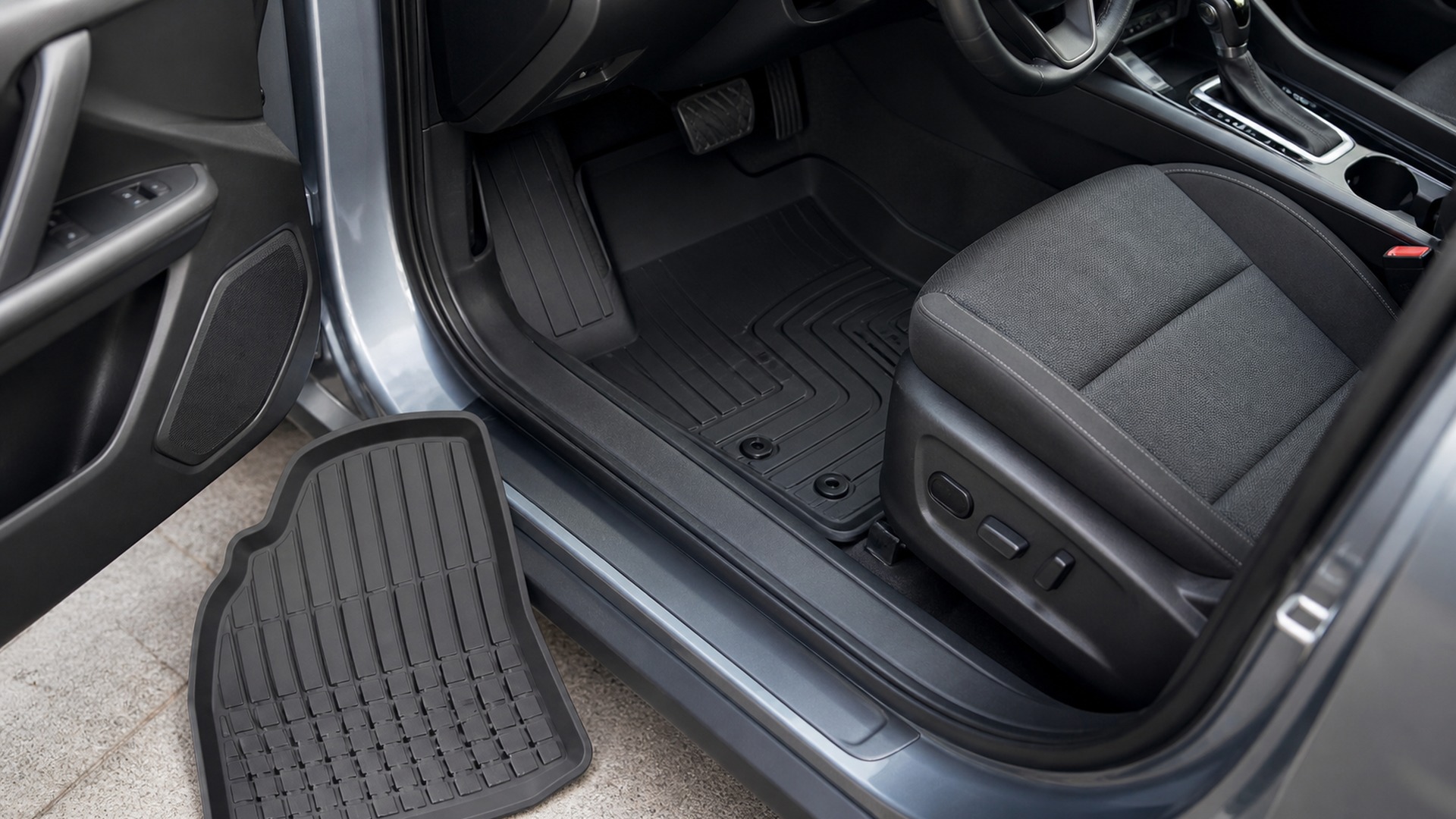
Custom mats resolve more footwell geometry in the pattern; universal mats cost less and fit broadly but demand stricter installed-boundary and pedal-clearance verification.
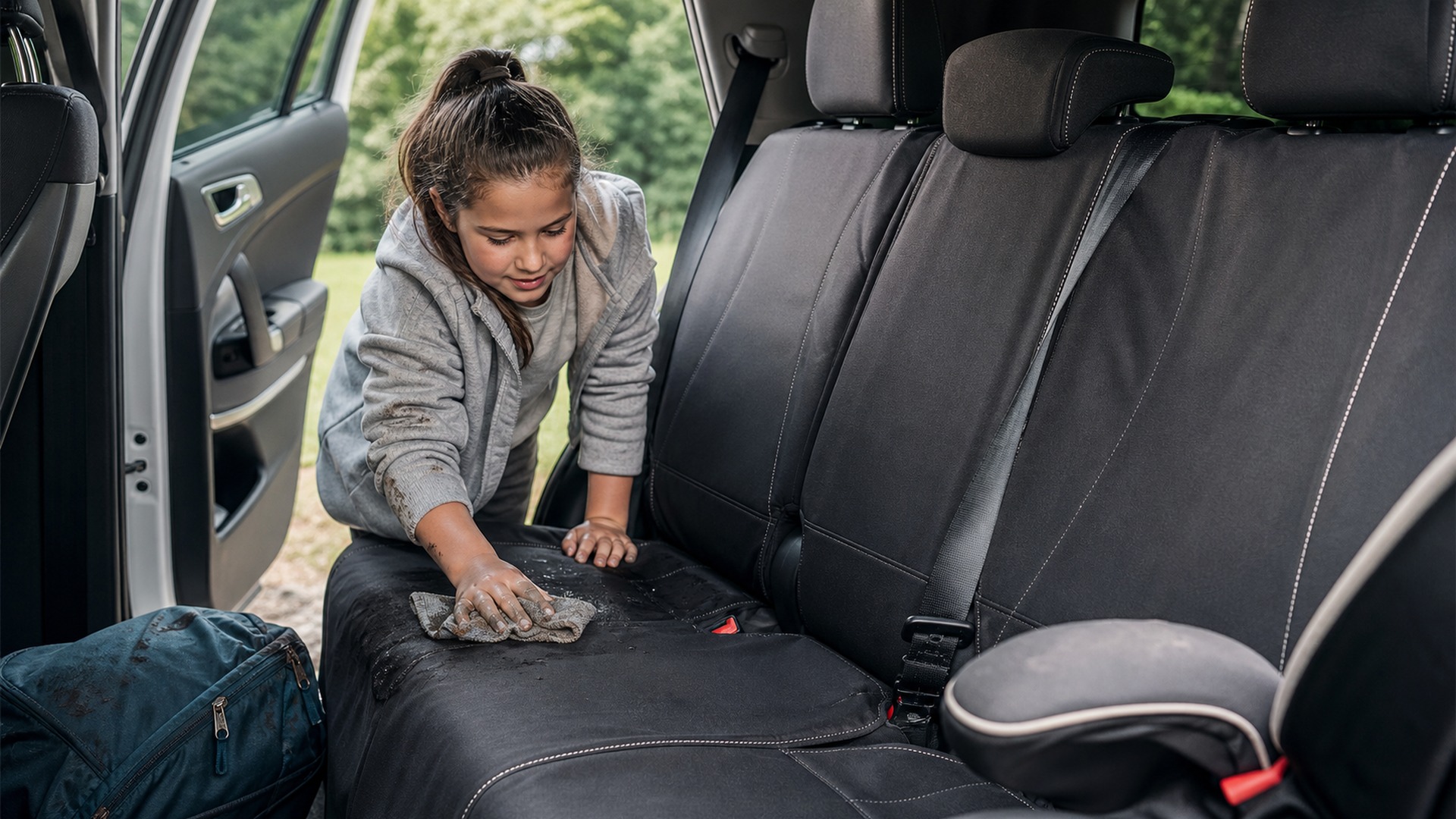
Seat protectors can absorb wear and spills, but they must remain compatible with airbags, sensing, restraints, heat, ventilation, adjustments, and upholstery materials.
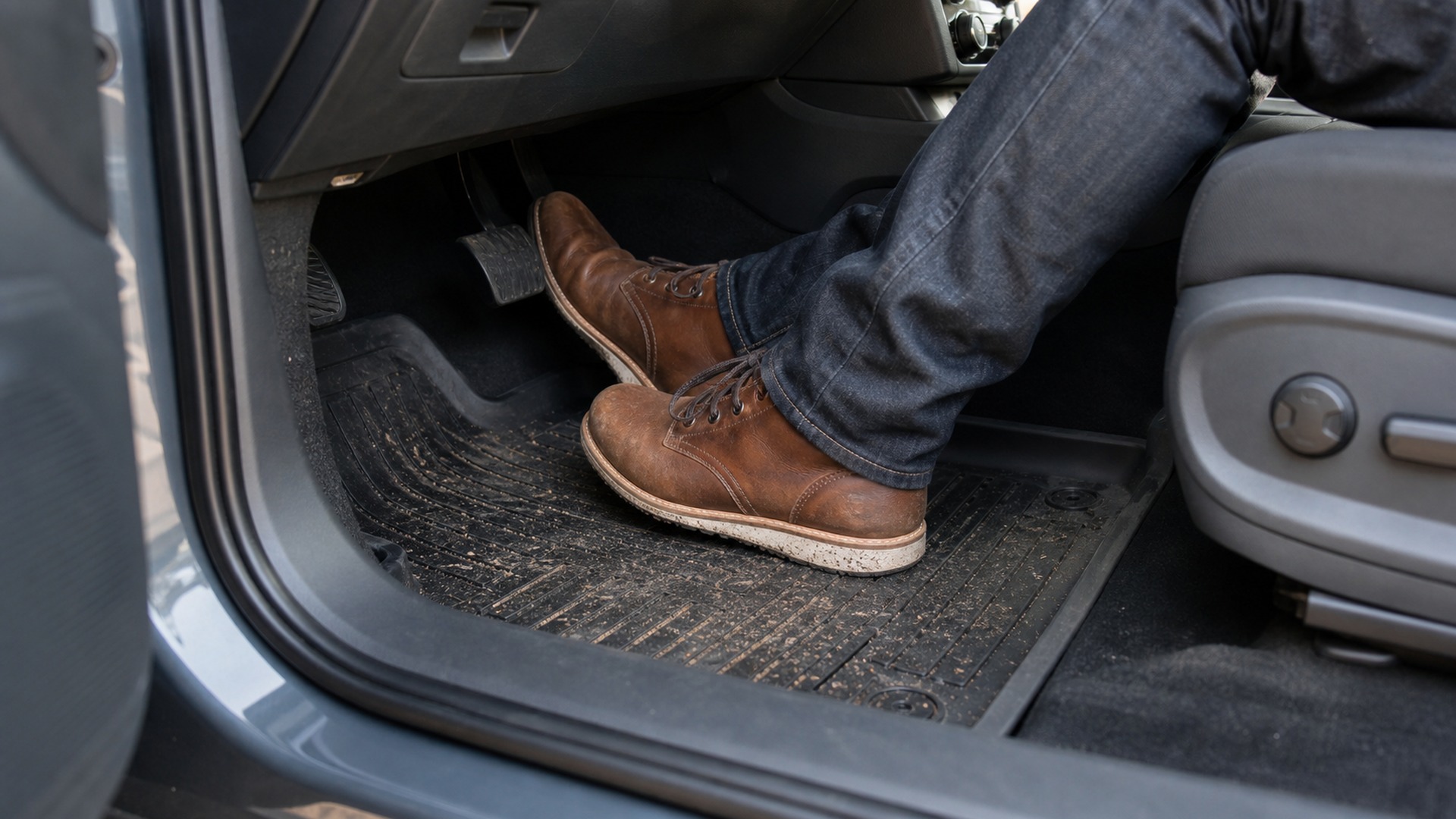
Floor protection preserves carpet by taking abrasion and moisture, but driver-side safety depends on one compatible mat, positive retention, and full pedal clearance.
Interior accessories change an engineered occupant space, so fit, retention, power, heat, materials, airbags, sensors, pedals, and crash behavior all require checks.
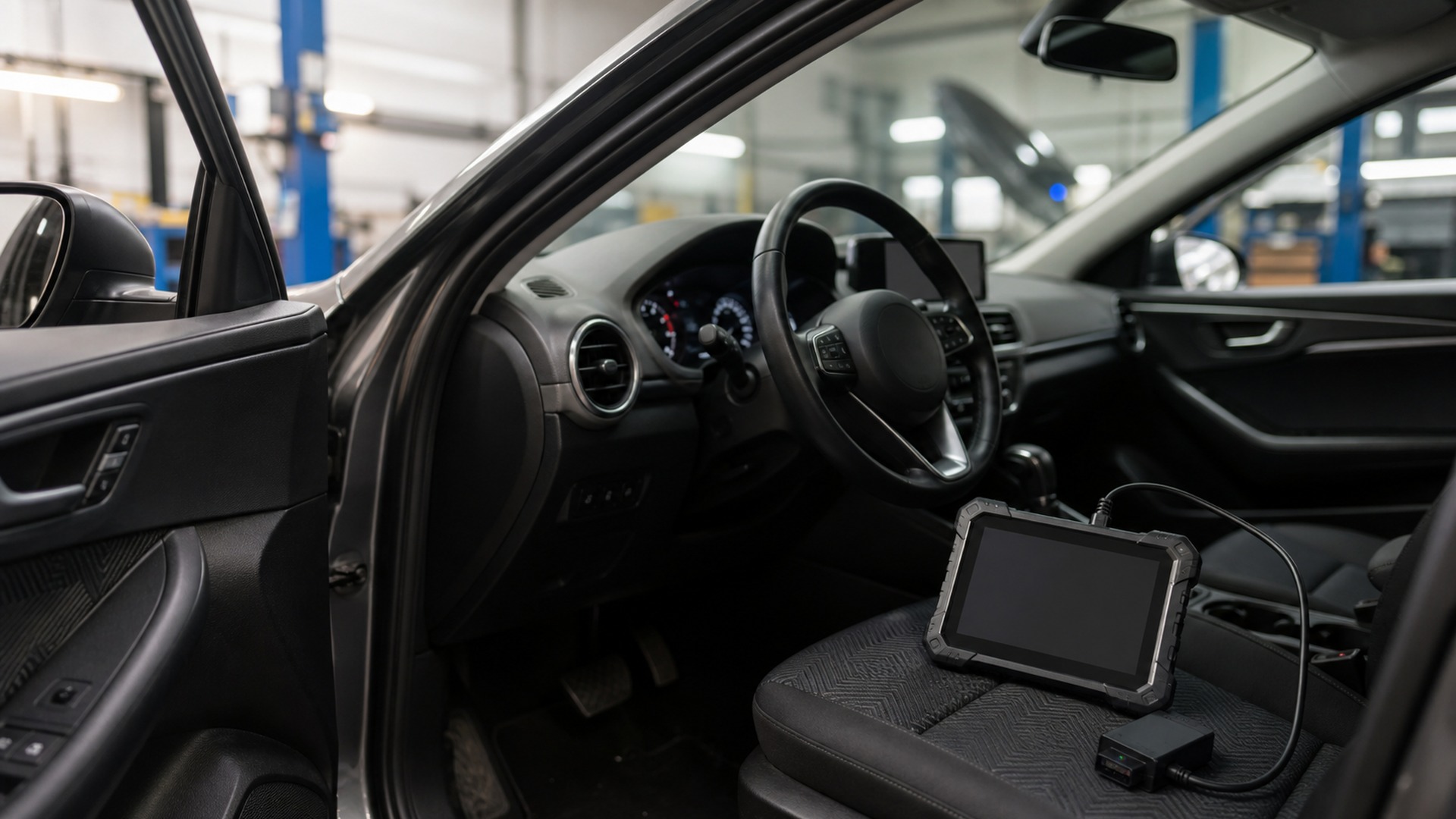
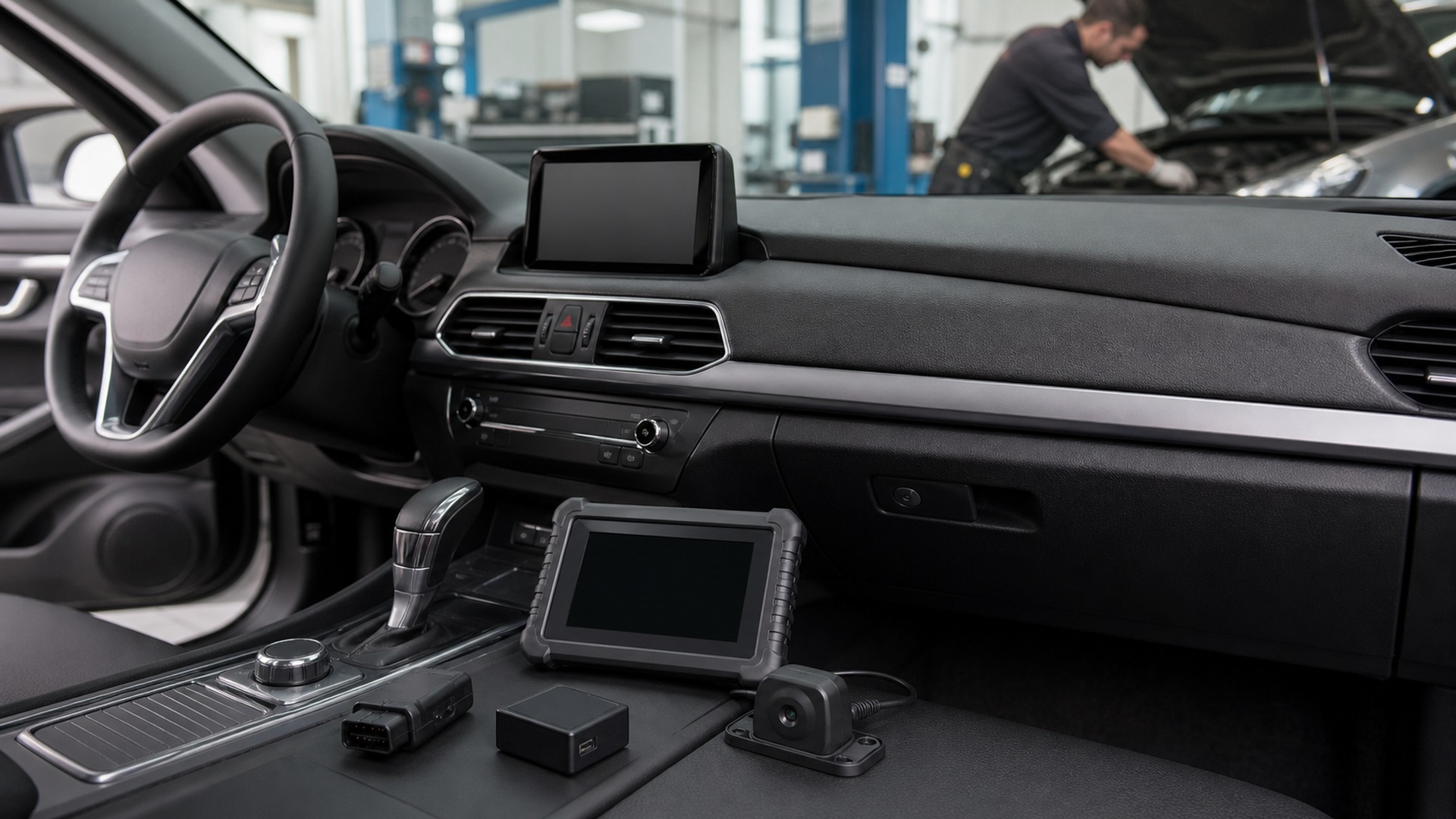
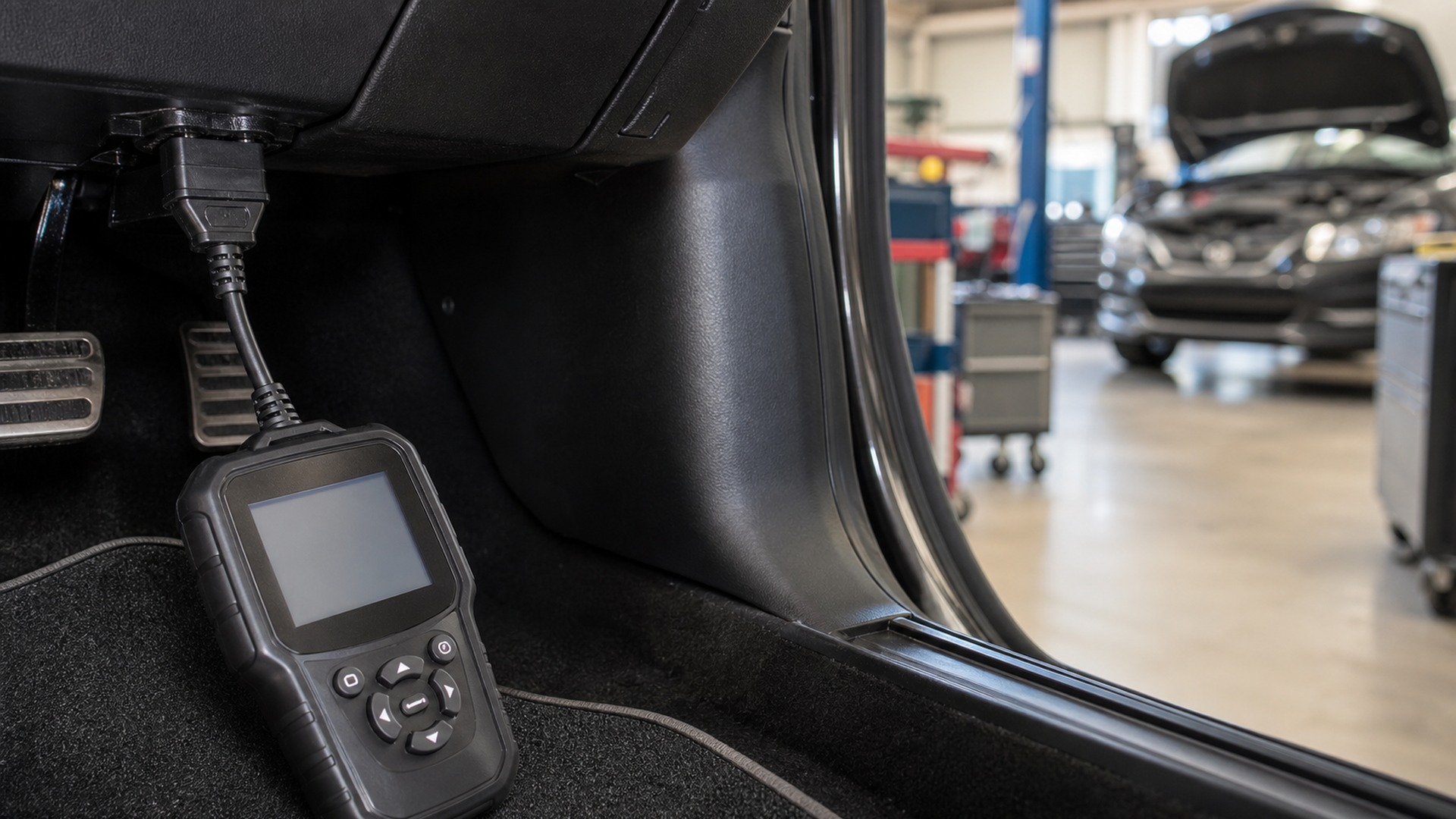
Real-time diagnostics can preserve fleeting vehicle faults, but useful results require a small causal data set, adequate sampling, safe tests, and independent verification.
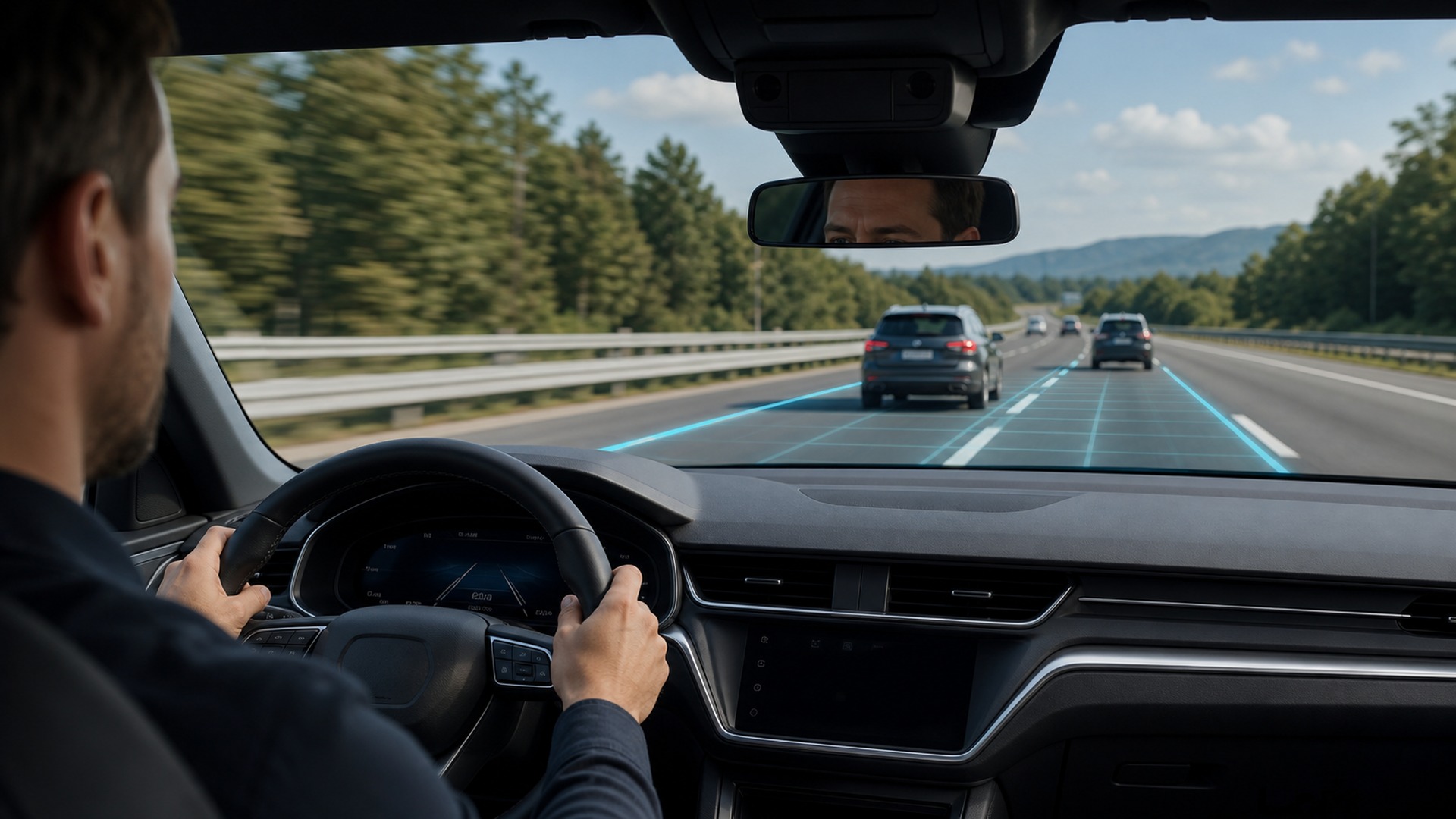
Driver assistance can add warning and limited control, but its safety value depends on conditions, calibration, traction, clear feature understanding, and active supervision.
Vehicle monitoring can reveal meaningful change between inspections, but only when data is current, contextual, securely handled, and tied to a defined response.
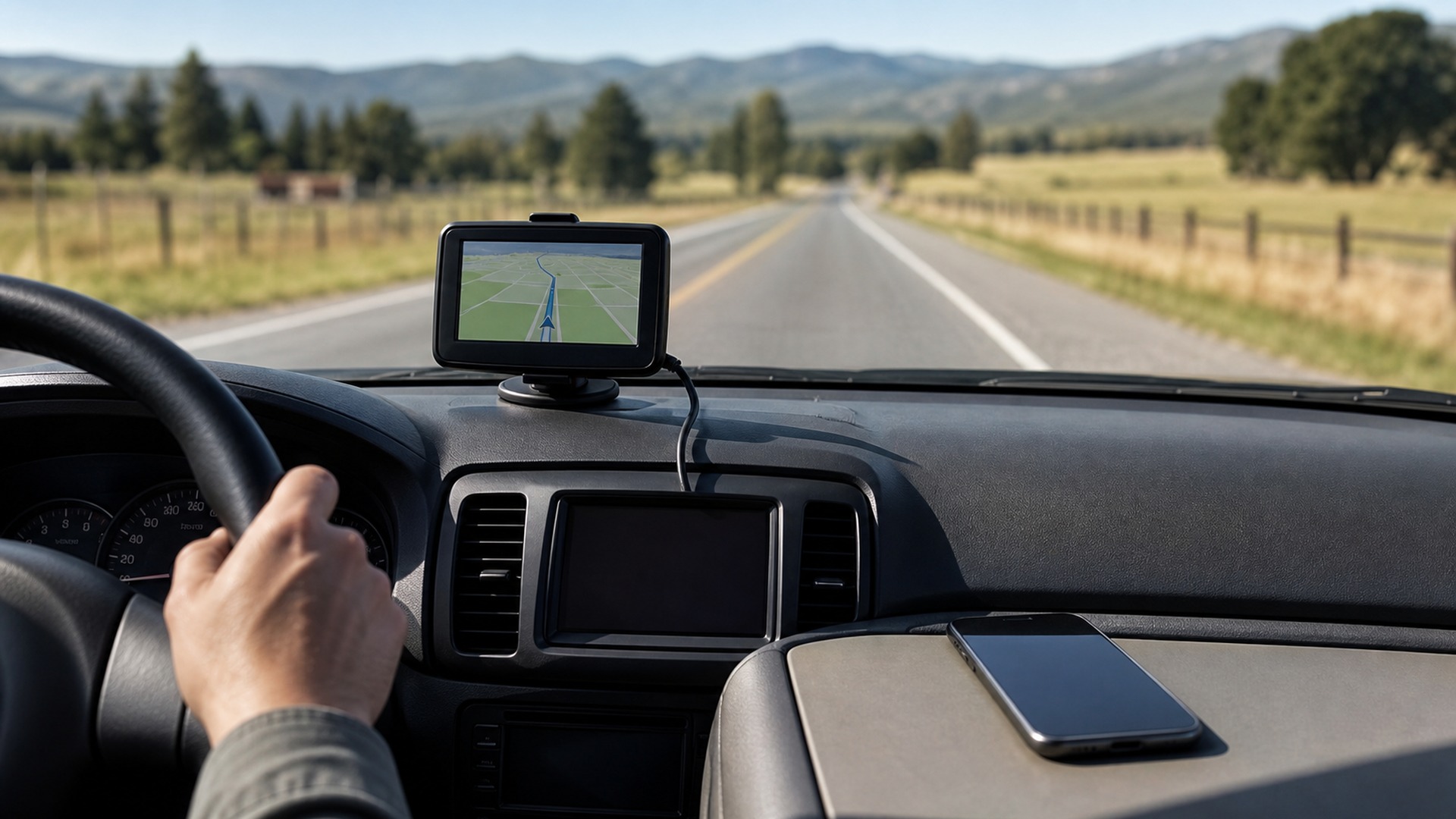
A dedicated GPS is worthwhile when local maps, specialized routing, fixed controls, or phone-independent redundancy matter more than live app convenience.
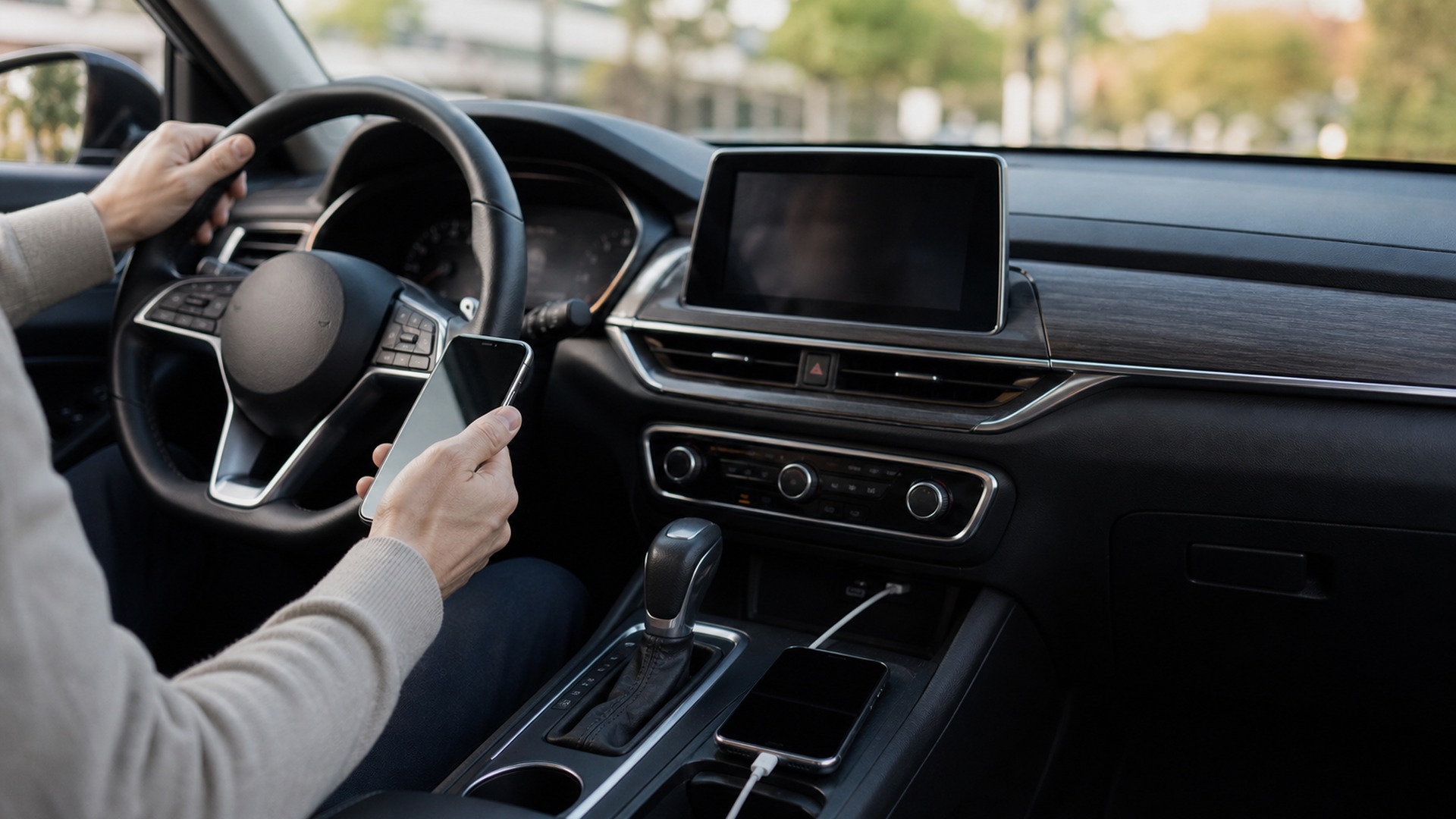
Wireless and wired CarPlay can look similar while using different connection, charging, startup, and recovery paths. The best mode depends on the vehicle and trip.
OBD-II preserves standardized emissions diagnostic evidence, but effective repair still requires monitor context, physical testing, root-cause proof, and readiness verification.