Why Suspension Components Matters
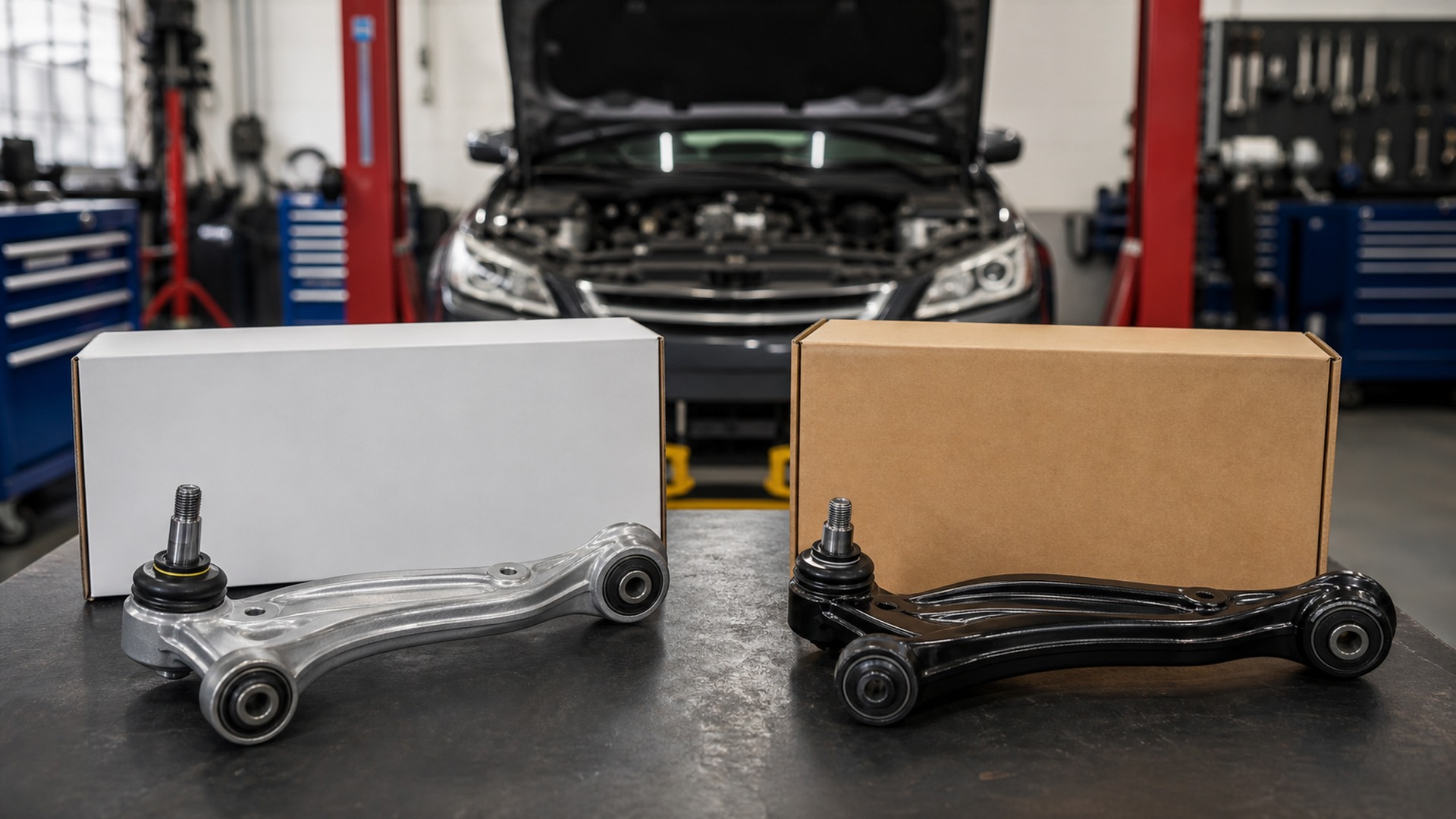
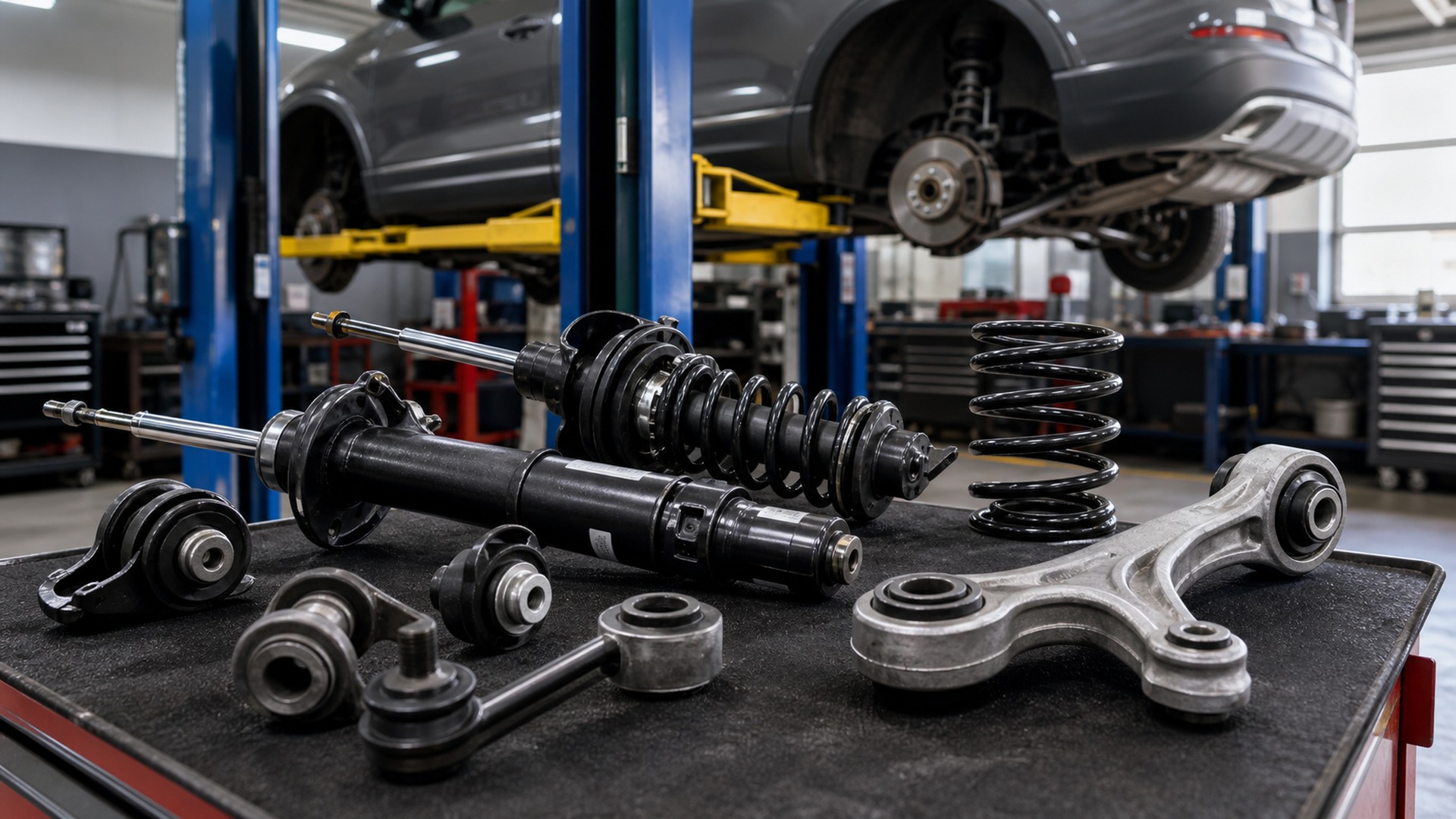
Suspension components support mass, dissipate motion, locate wheels, and preserve tire loading. Diagnosis must follow the complete load path and dynamic behavior.

Reviews You Can Trust
Suspension components support mass, dissipate motion, locate wheels, and preserve tire loading. Diagnosis must follow the complete load path and dynamic behavior.
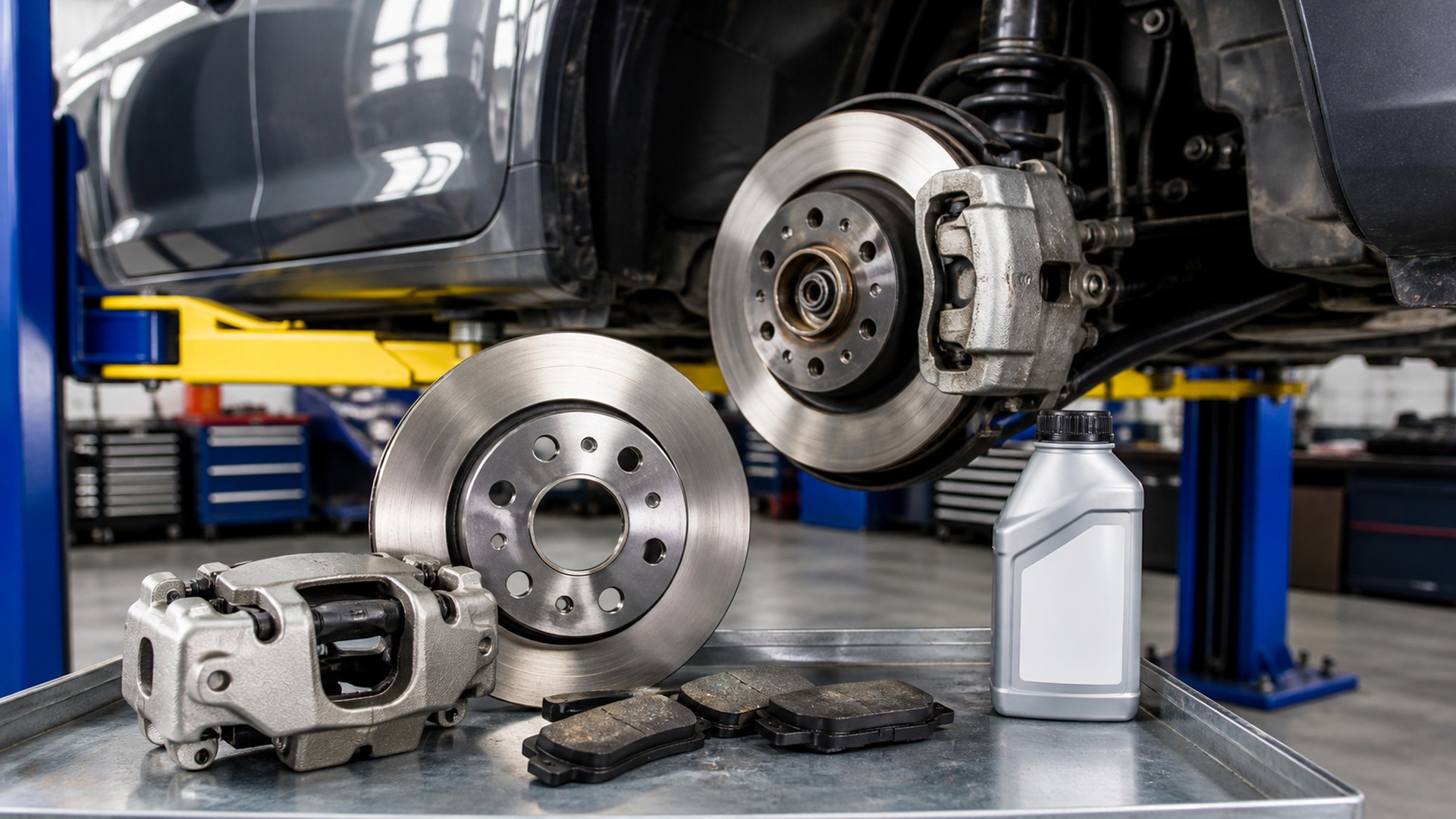
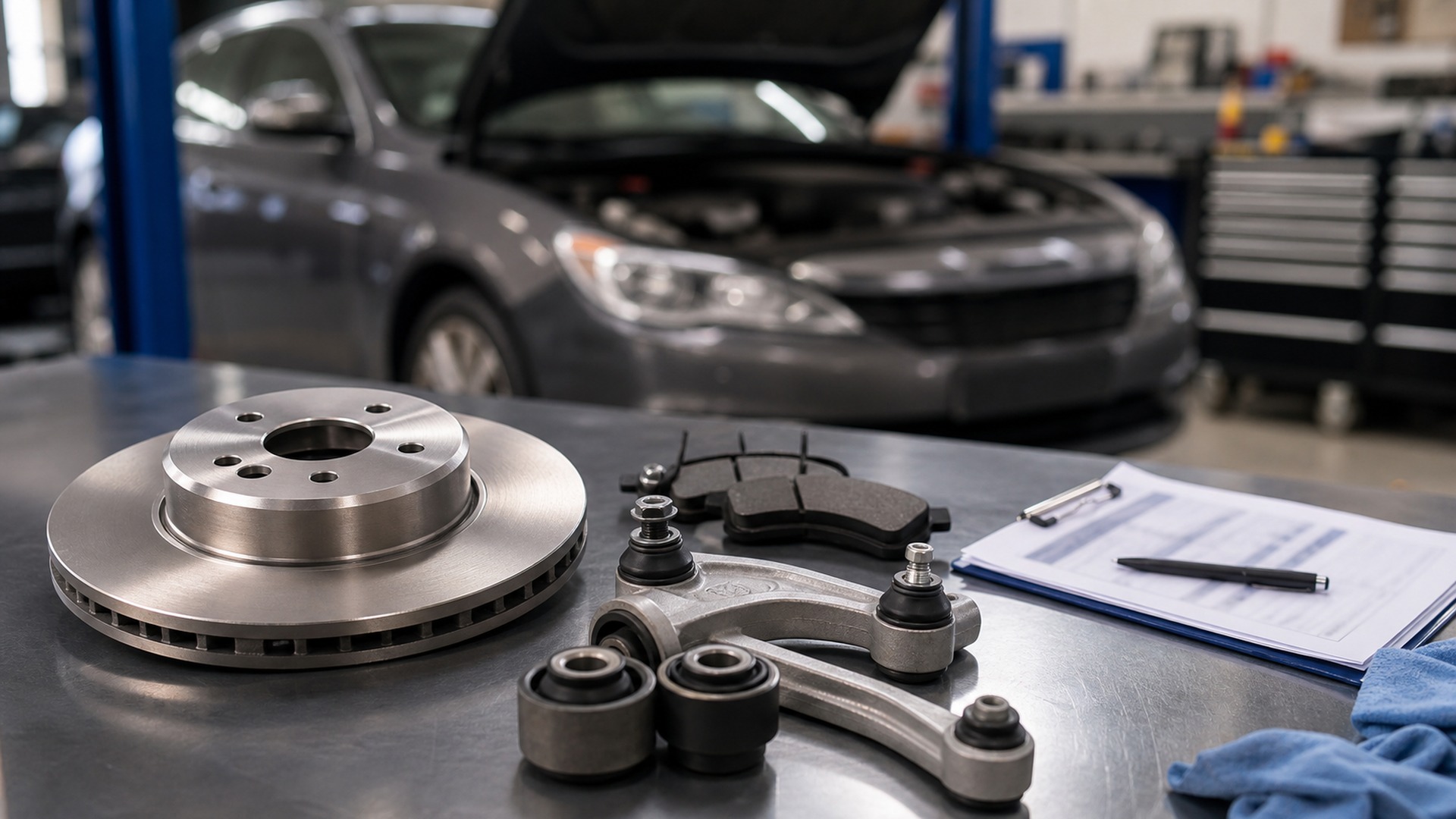
Brake components form a pressure, friction, heat, control, and tire-force chain. Every link must remain balanced for predictable stopping.
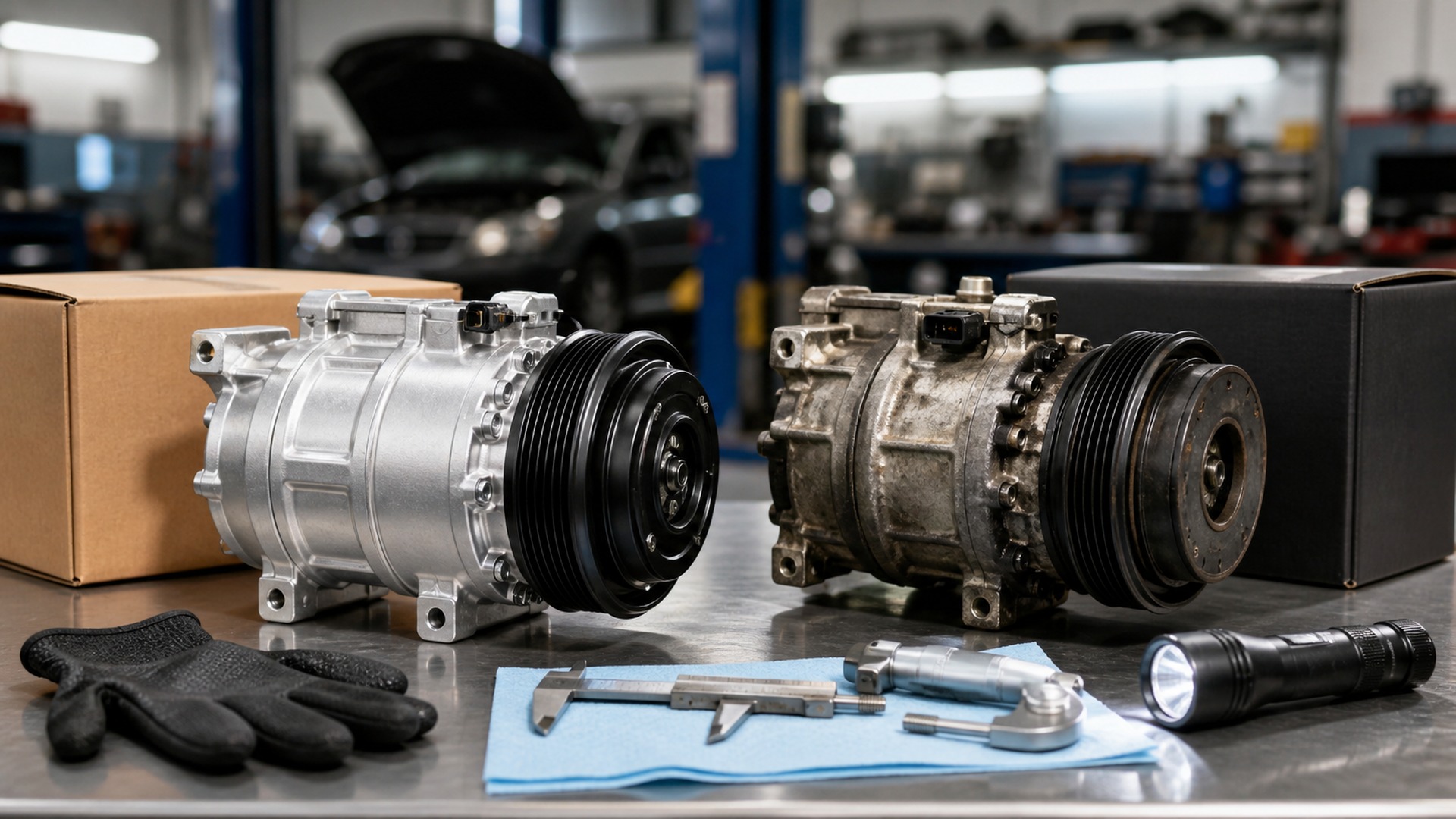
Remanufactured parts restore screened used cores through a defined process; new parts start from unused production inputs. Process and test evidence determine value.
OEM and aftermarket parts differ in specification control, product choice, distribution, and support. The best option depends on the exact function, evidence, and total repair.
A keep-or-replace decision should compare a bounded repair with the real cost and risk of equivalent transportation, while treating safety and structural limits separately.
Aftermarket automotive parts broaden repair supply and design choice, but each manufacturer, product line, application, specification, and warranty needs its own evidence.
OEM replacement parts can reduce repair uncertainty by linking exact vehicle applications to current specifications, procedures, software, and accountable distribution.
Automotive replacement parts work only when diagnosis, vehicle identification, specifications, sourcing, installation, calibration, and verification all match the required function.
All-wheel drive can route propulsion torque to both axles and use grip that one axle cannot. Learn how couplings, differentials, controls, tires, heat, and maintenance shape the result.
Luxury autos often differentiate through accumulated refinement, materials, calibration, feature integration, and ownership support. Learn where those differences are real and where trims overlap.
Choose an SUV instead of a sedan when its cargo opening, cabin access, clearance, or rated capacity solves a real constraint. Compare the tradeoffs without relying on body-style myths.
Hybrids add a motor-generator, traction battery, regeneration, and supervisory control to gasoline propulsion. Learn how that changes engine use, braking, route efficiency, and service.