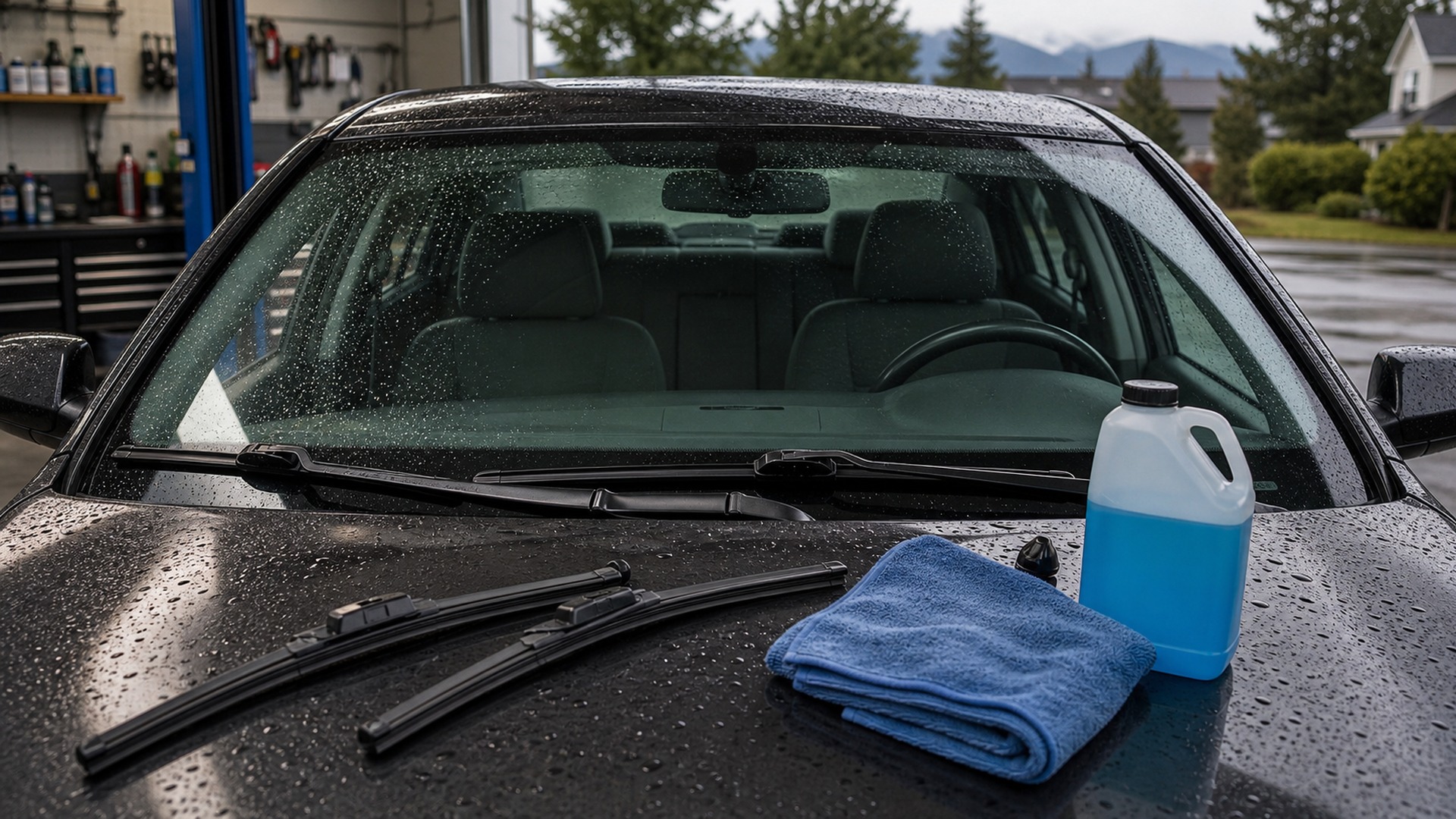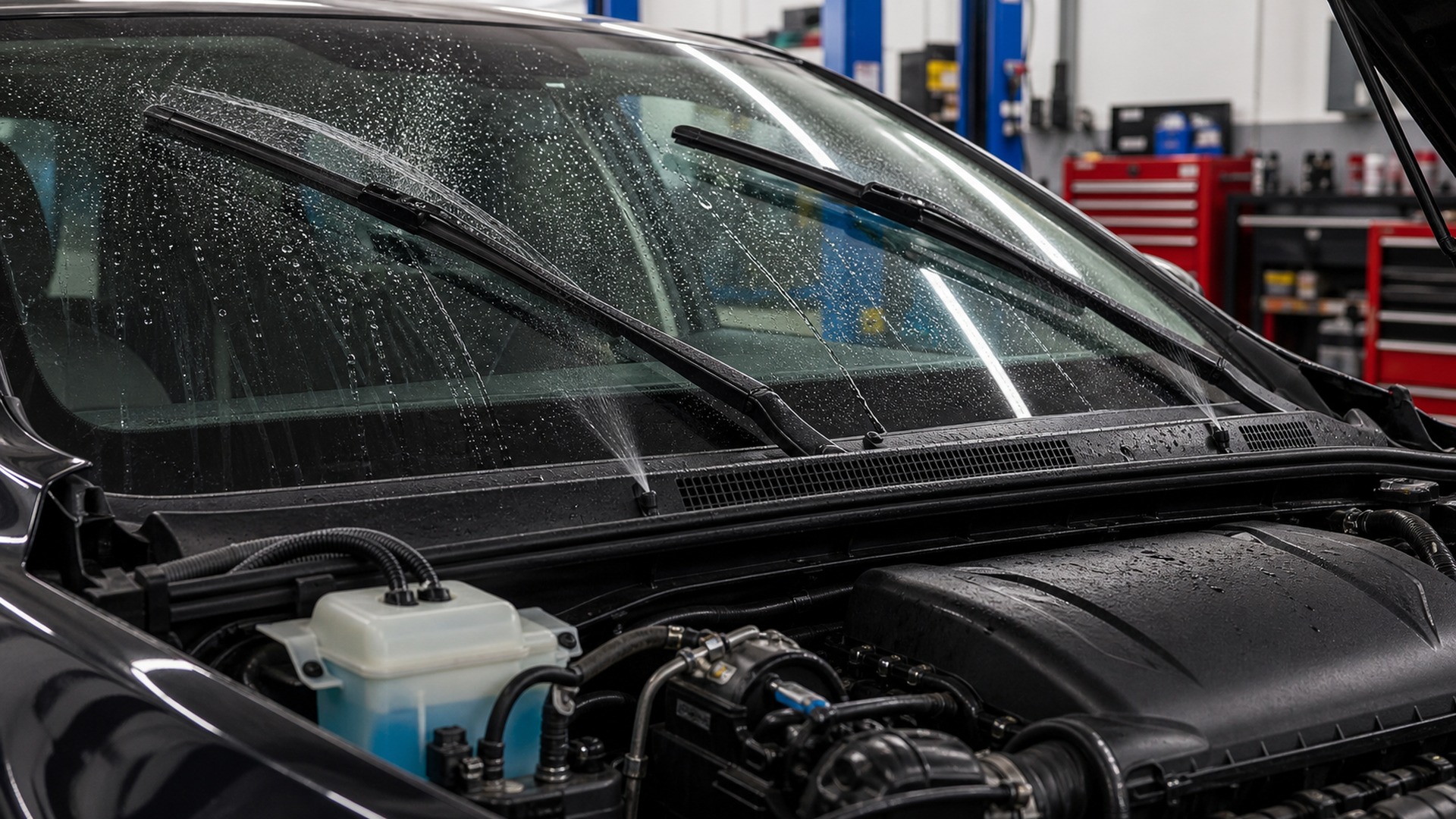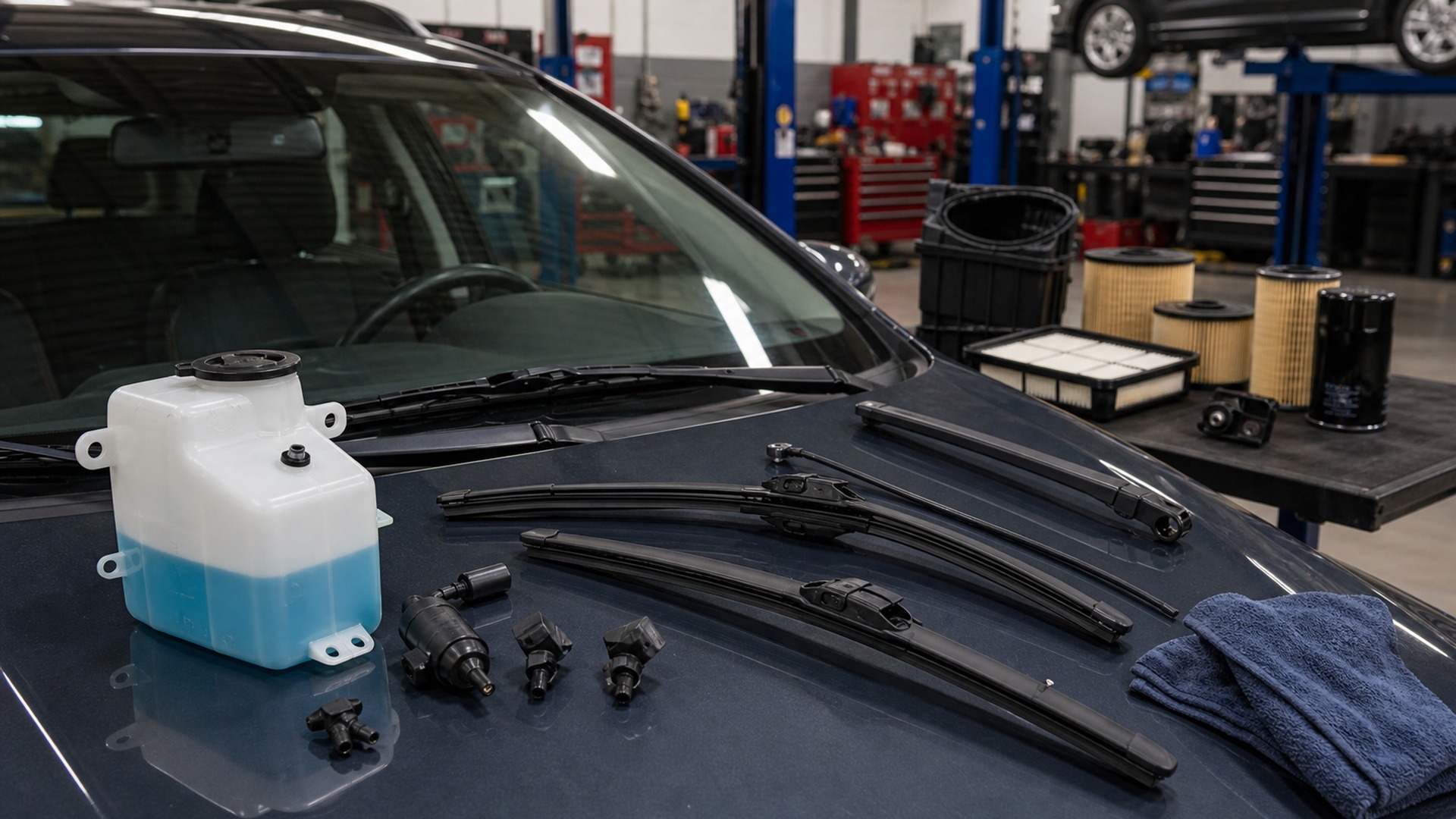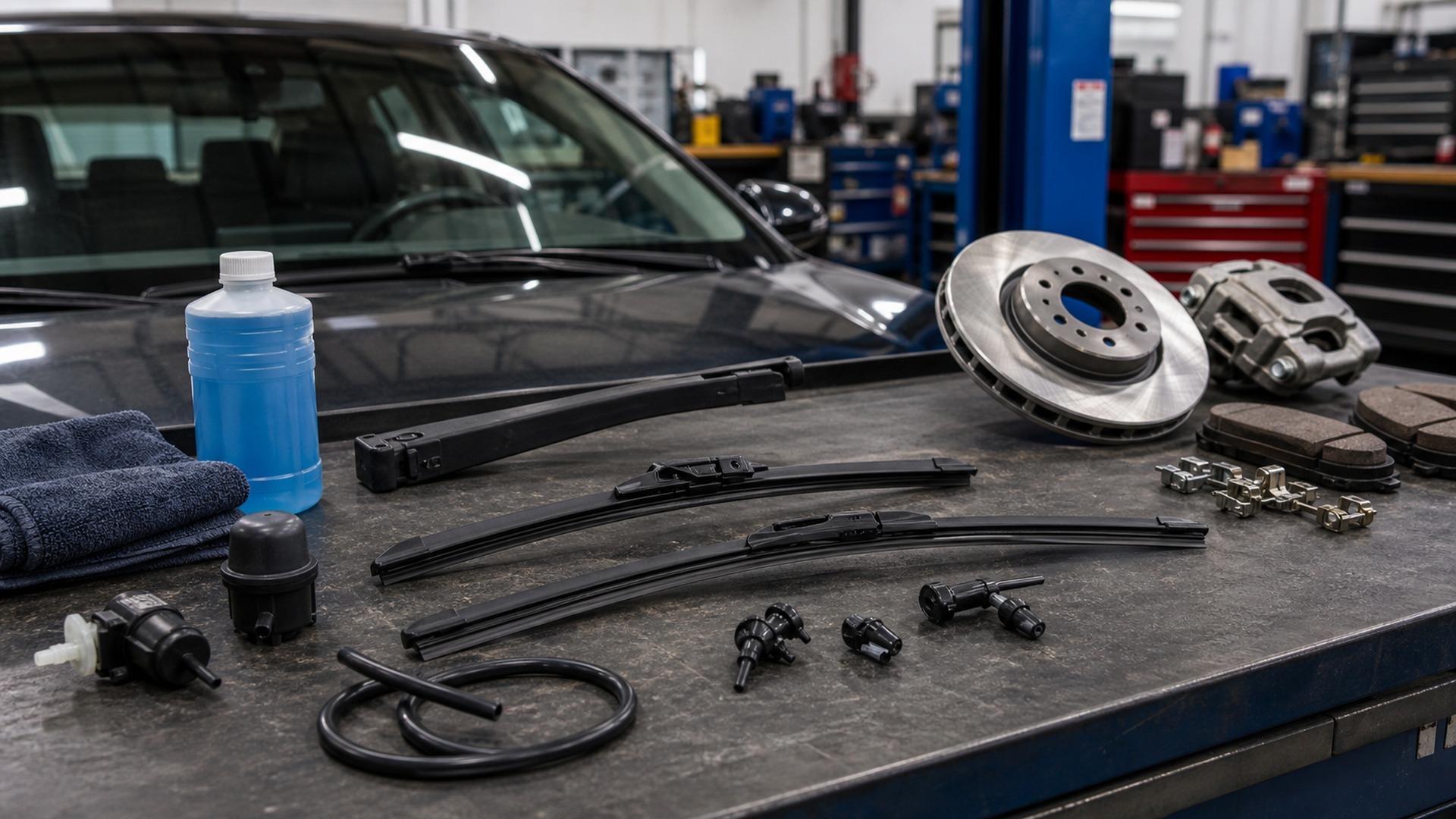
What Makes Windshield Components Different from Ignition Components
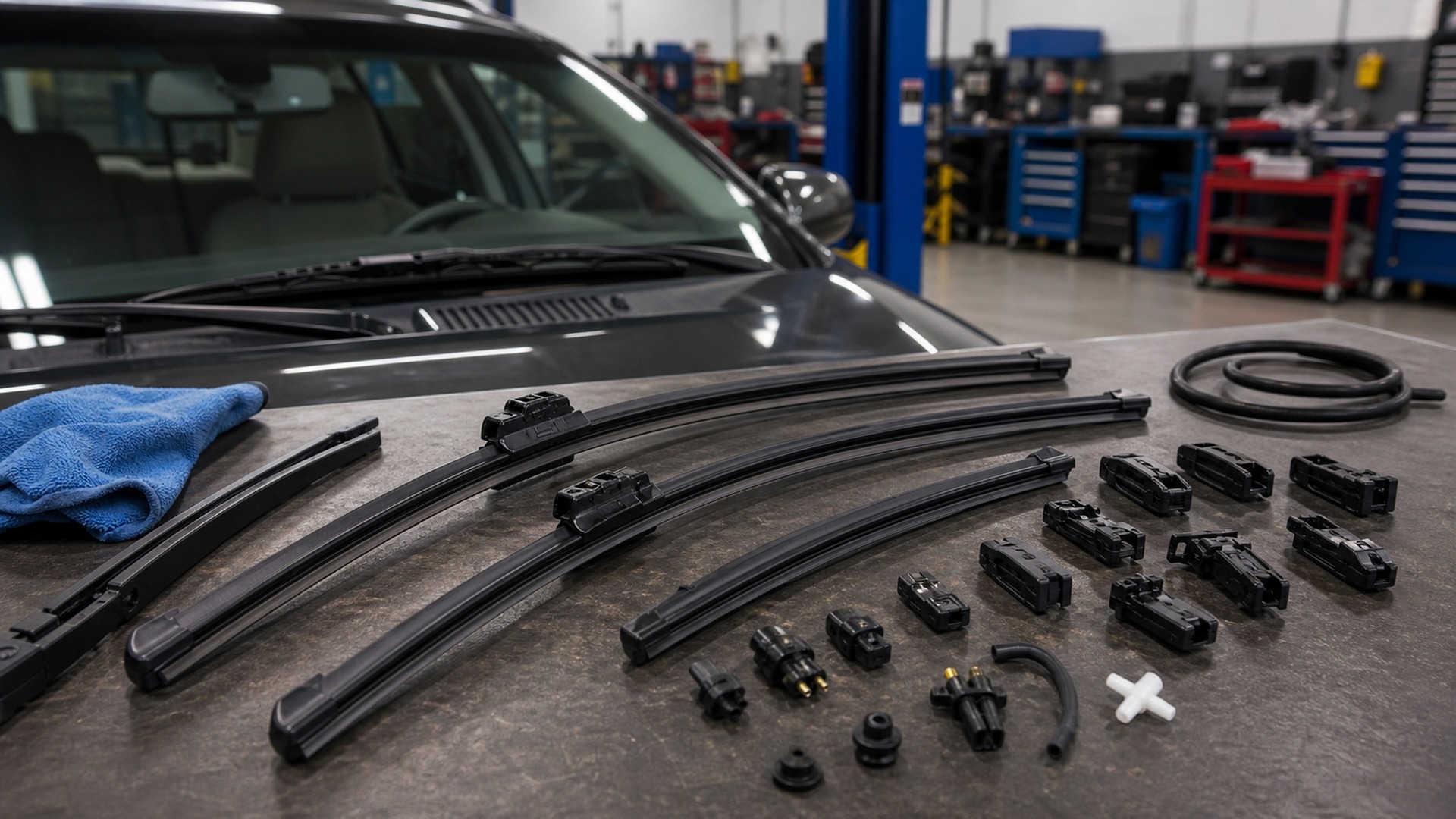
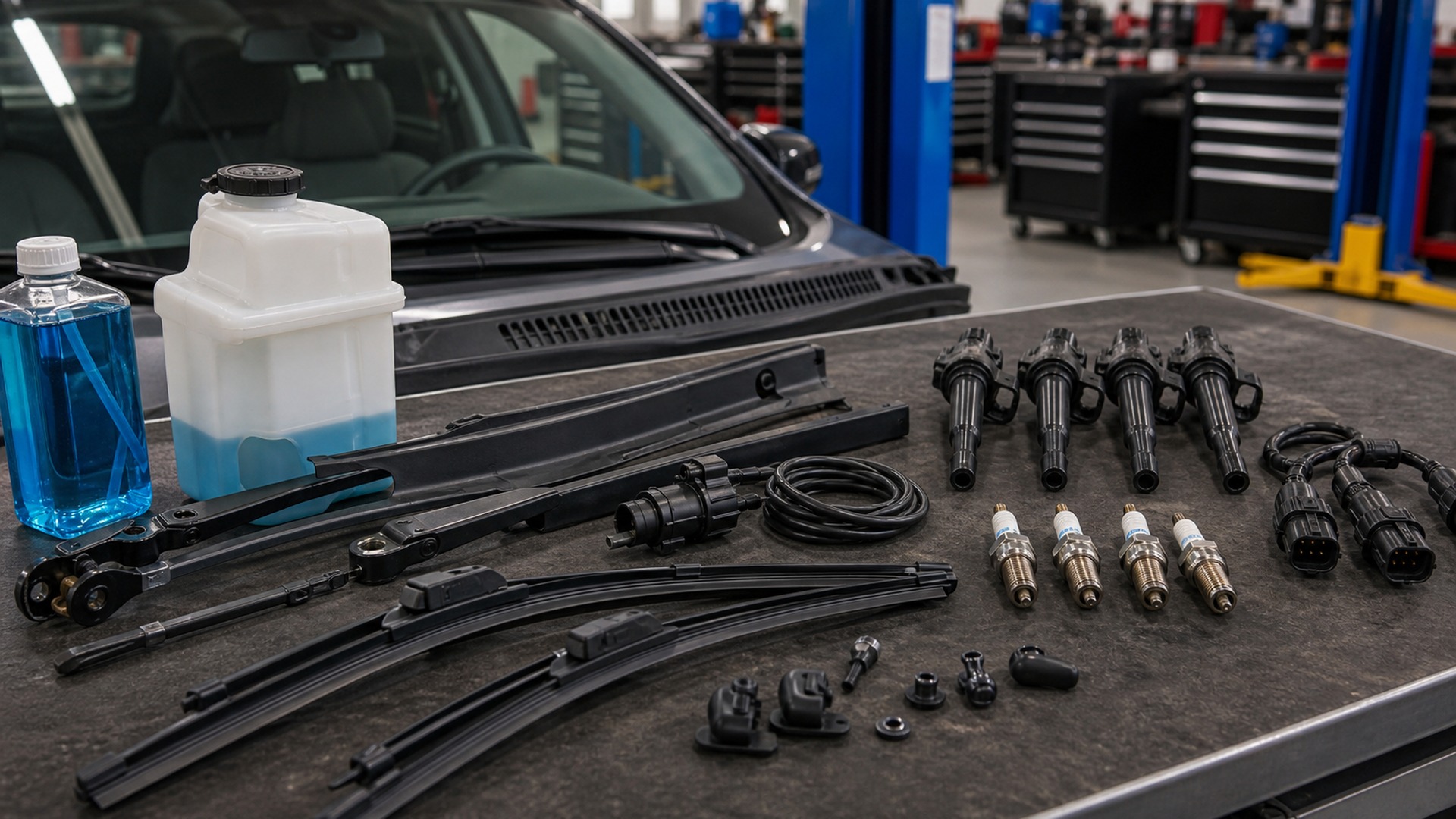
Windshield components preserve perception and weather clearing; ignition components create timed high-voltage spark events for gasoline combustion.

Reviews You Can Trust
Windshield components preserve perception and weather clearing; ignition components create timed high-voltage spark events for gasoline combustion.
Windshield safety spans sharp glass, spring force, chemicals, bonded retention, cure timing, electrical features, visibility, and electronic calibration.
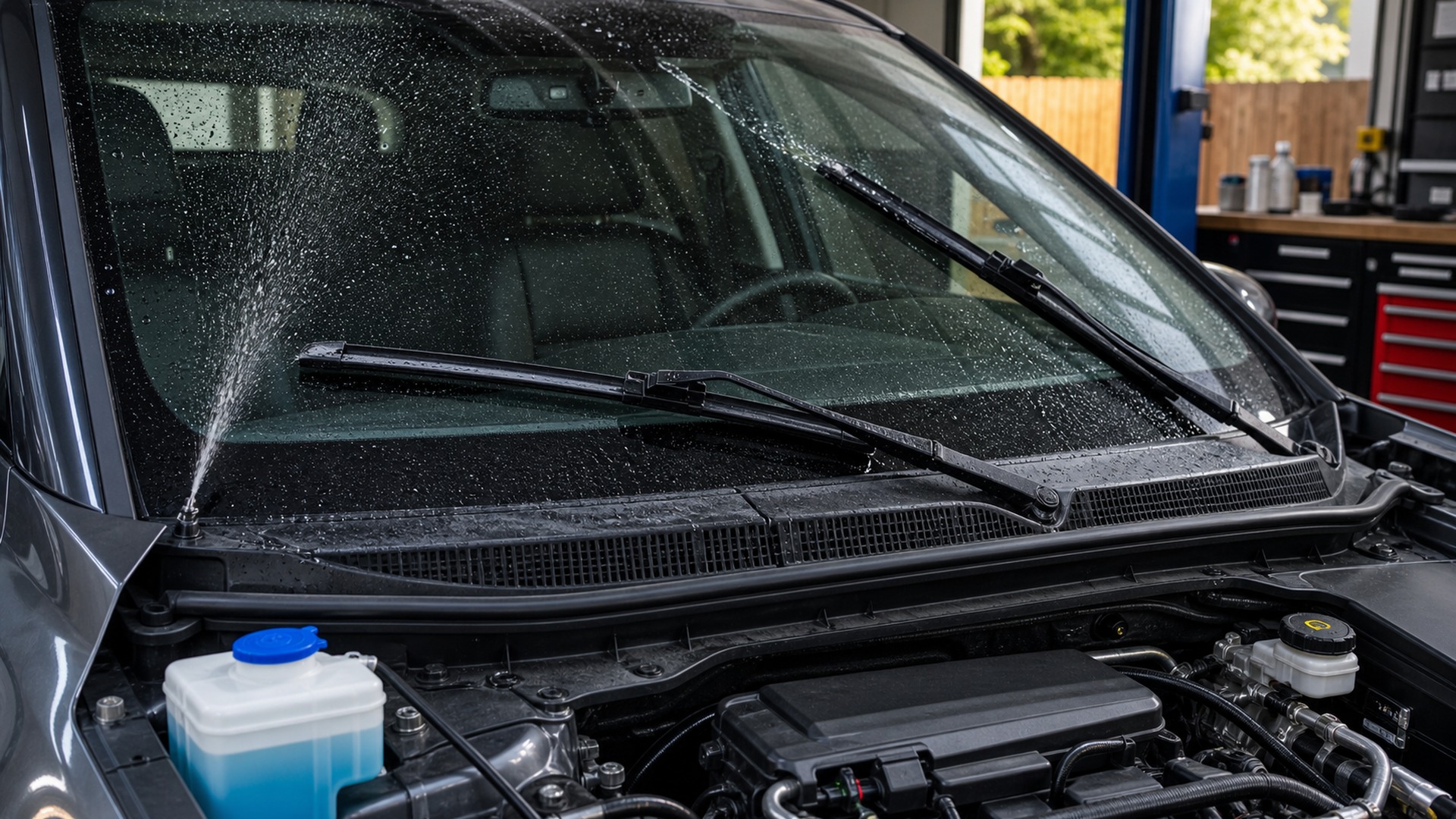
Windshield performance is a stack of optical, structural, mechanical, fluid, thermal, and electronic outputs—not clear glass alone.
Choose windshield components for failed light, water, sweep, or sensor paths and engine filters for failed pressure, flow, contamination, or sealing.
Windshield components preserve the forward view and bonded opening; brake components create controlled wheel torque and deceleration.
Windshield fitment is an optical, structural, mechanical, and electronic match—not a glass-size comparison.
Windshield components preserve optical clarity, retention, wiping, washing, moisture control, and sensor sightlines through distinct but connected mechanisms.
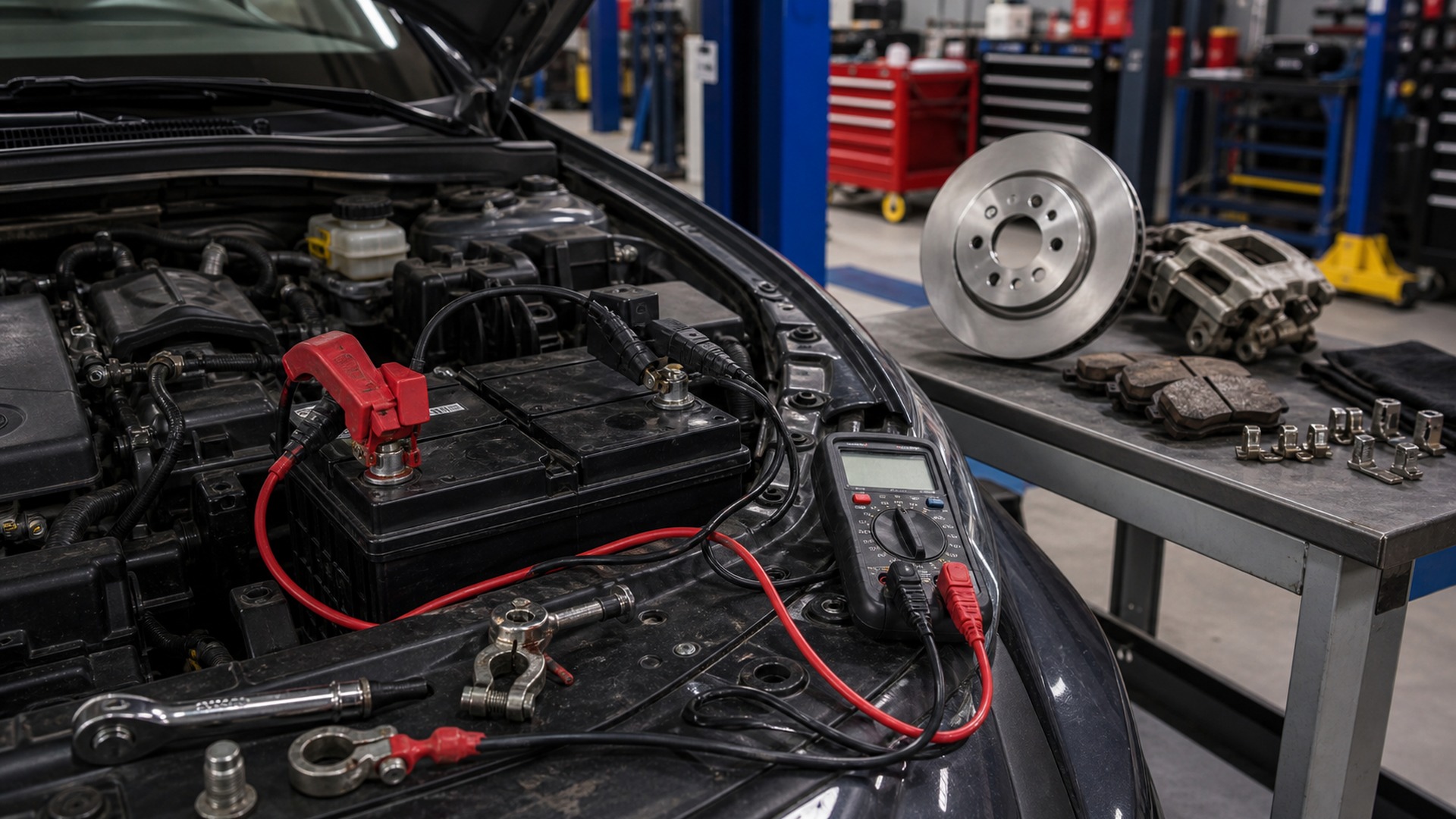
Choose vehicle batteries for failed electrical reserve and brake components for failed deceleration control, even when regeneration connects both paths.
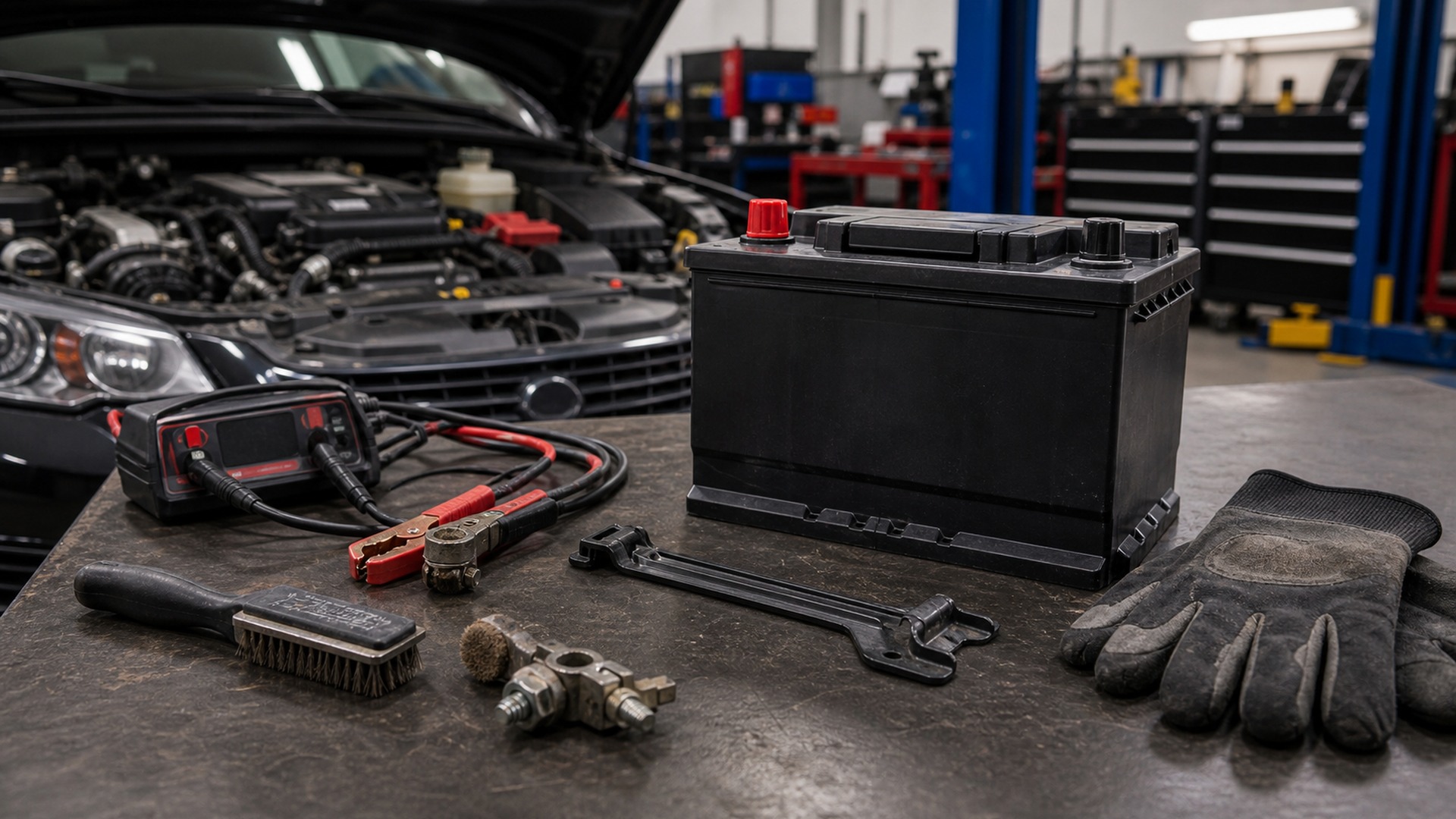
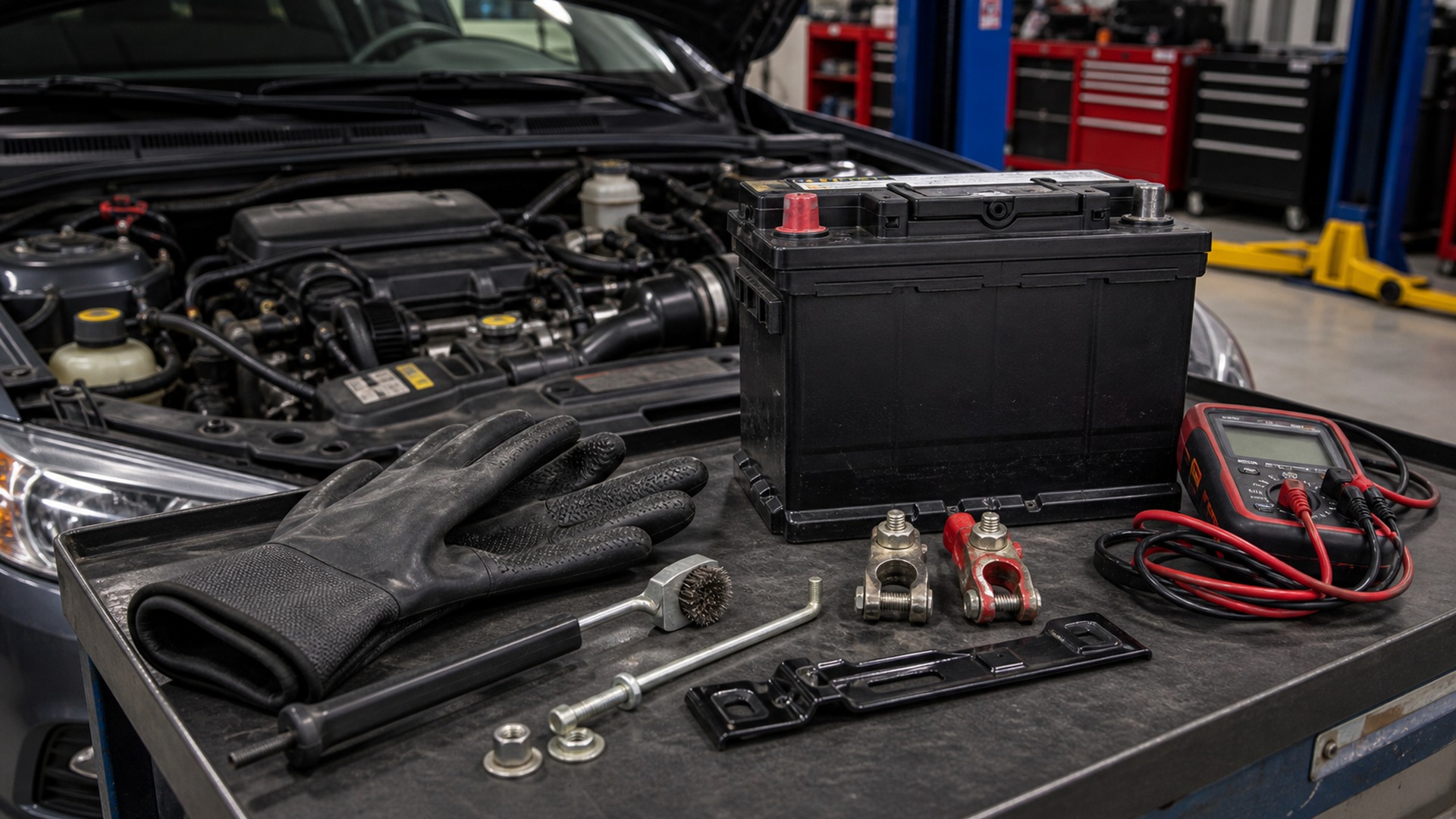
Battery maintenance protects reserve by controlling connections, charge history, key-off loads, storage, retention, venting, and thermal support.
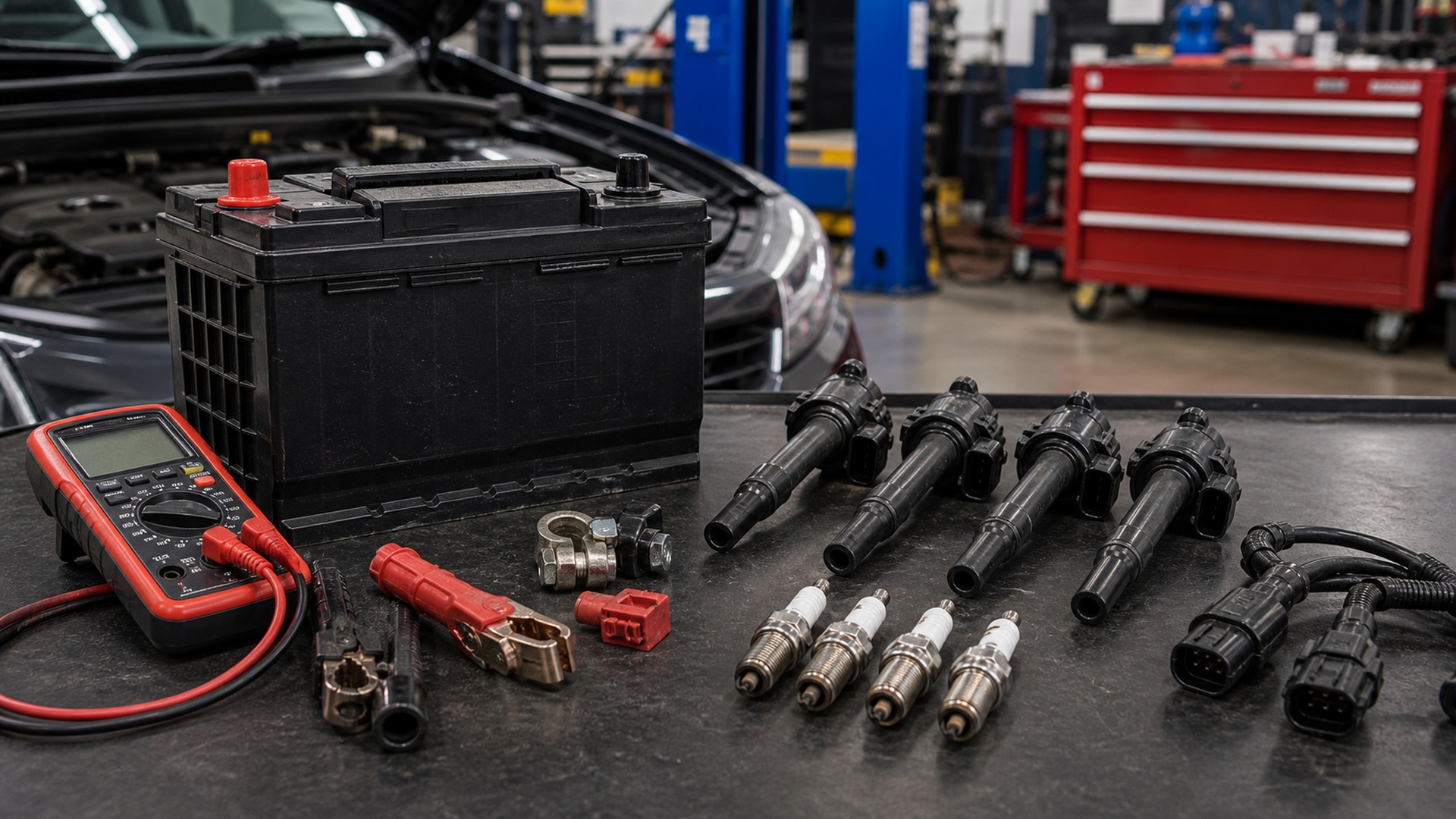
Batteries maintain shared electrical supply; ignition components transform and time a small portion of it into cylinder-specific spark events.
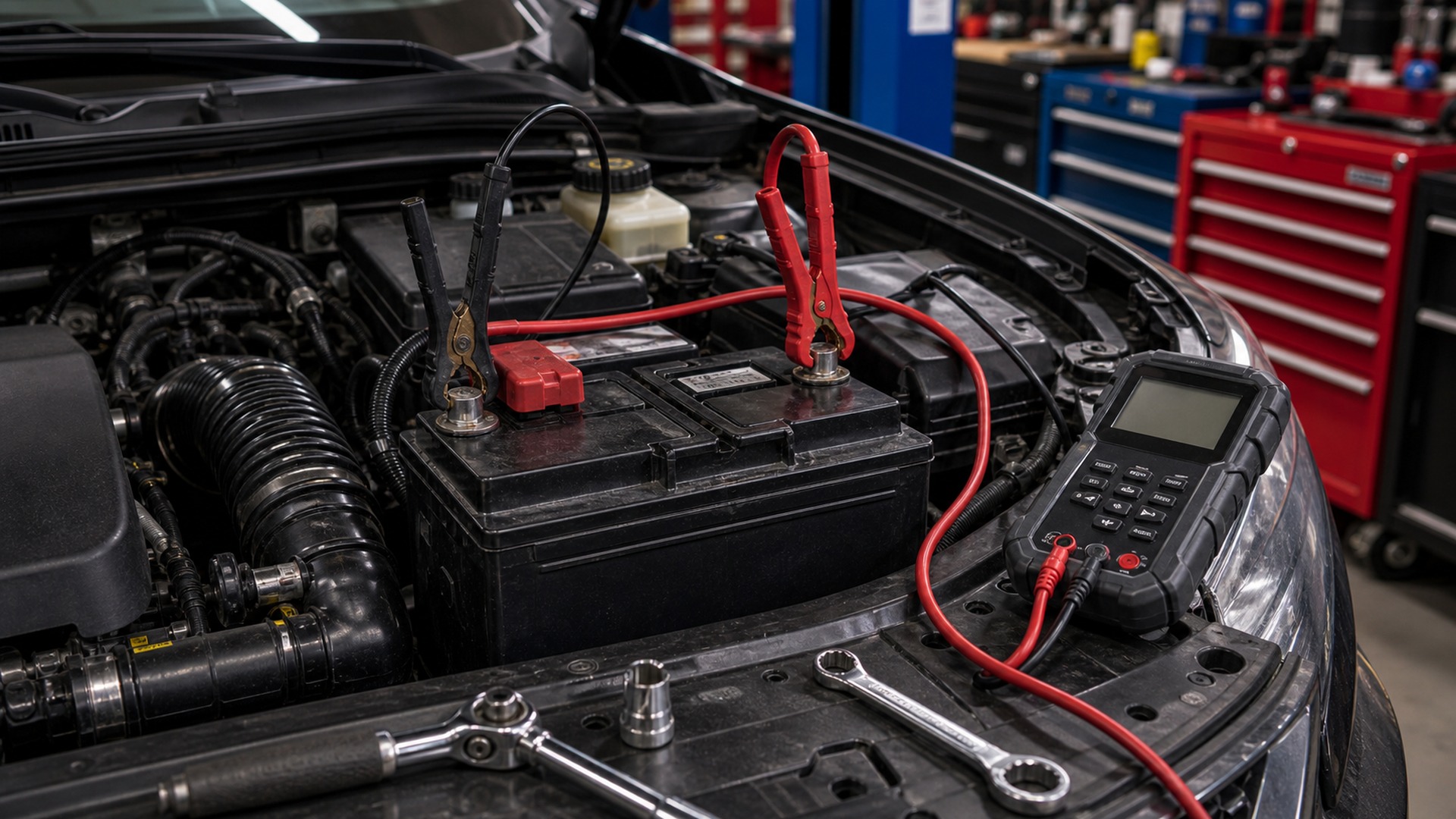
Battery safety begins with voltage architecture and condition: low-voltage fault current and chemistry require controls, while traction systems require qualified high-voltage isolation.
Battery function is usable voltage and energy under a defined load, duration, temperature, and control state—not a single resting number.