When to Use Vehicle Batteries Instead of Engine Filters
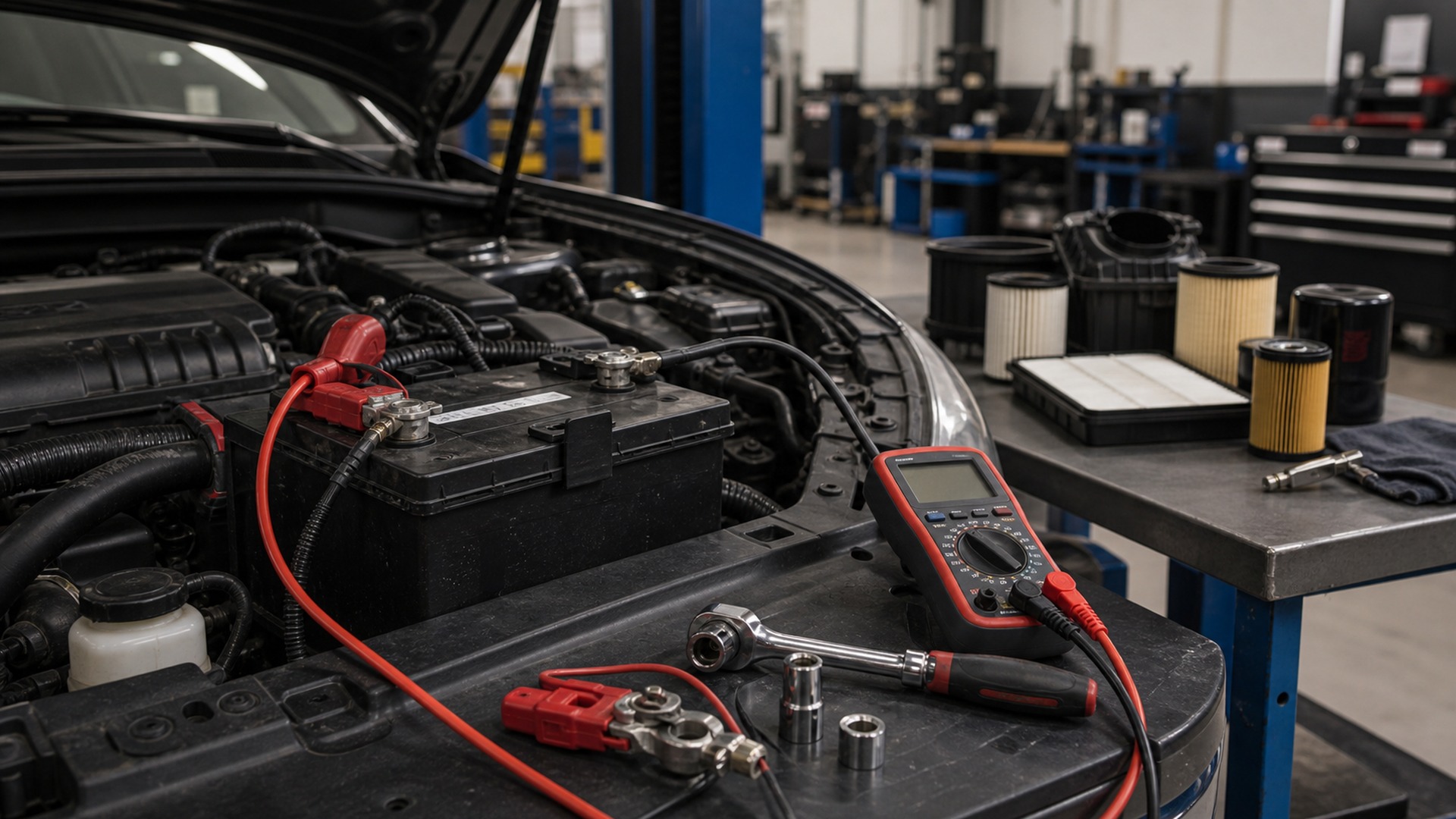
Choose batteries for failed electrical delivery and filters for failed air, oil, or fuel flow—using synchronized measurements from the original event.

Reviews You Can Trust
Choose batteries for failed electrical delivery and filters for failed air, oil, or fuel flow—using synchronized measurements from the original event.
Batteries supply stored electrical energy; brakes remove vehicle motion through friction and controlled regenerative recovery.
Battery fitment is a complete electrical, mechanical, thermal, and digital match—not a case-size or voltage guess.
Vehicle batteries convert chemical potential into direct current, then accept controlled charging for low-voltage support or high-voltage propulsion.
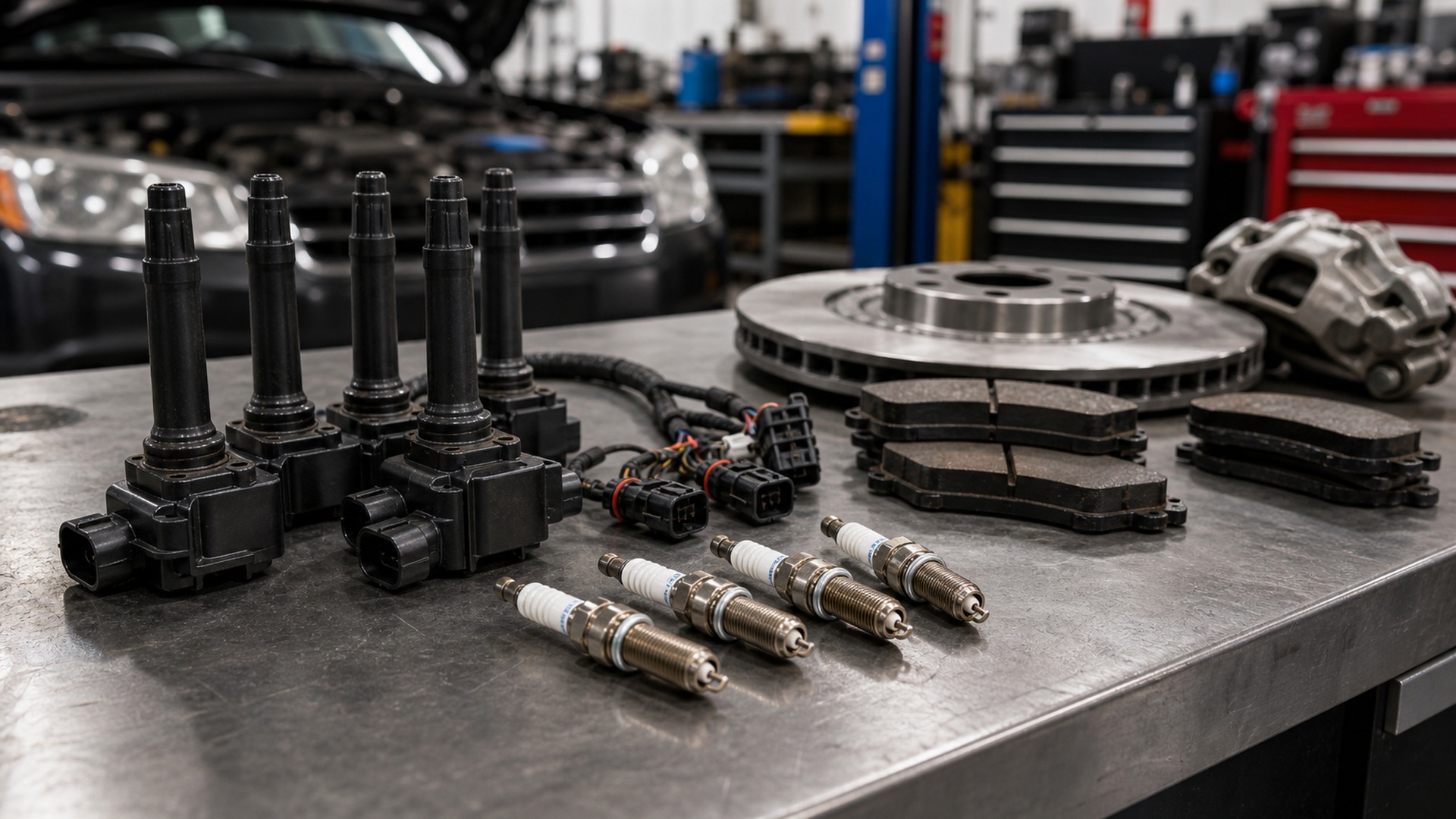
Choose ignition or brake components by the event that changes: combustion and cylinder evidence versus pedal, hydraulic, wheel-friction, and stopping evidence.
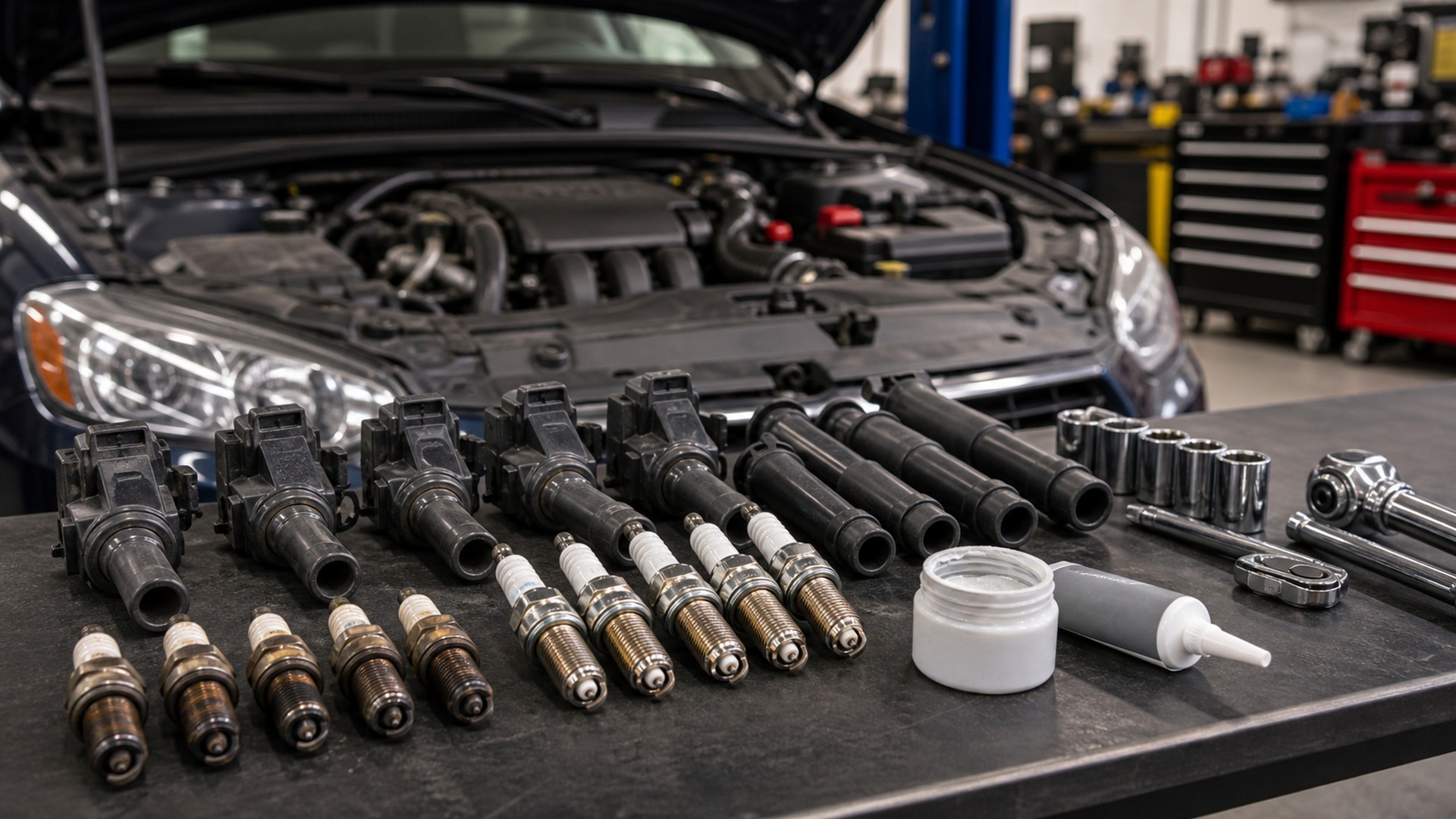
Ignition maintenance preserves firing margin by controlling plug wear, contamination, insulation leakage, contact integrity, and installation quality.
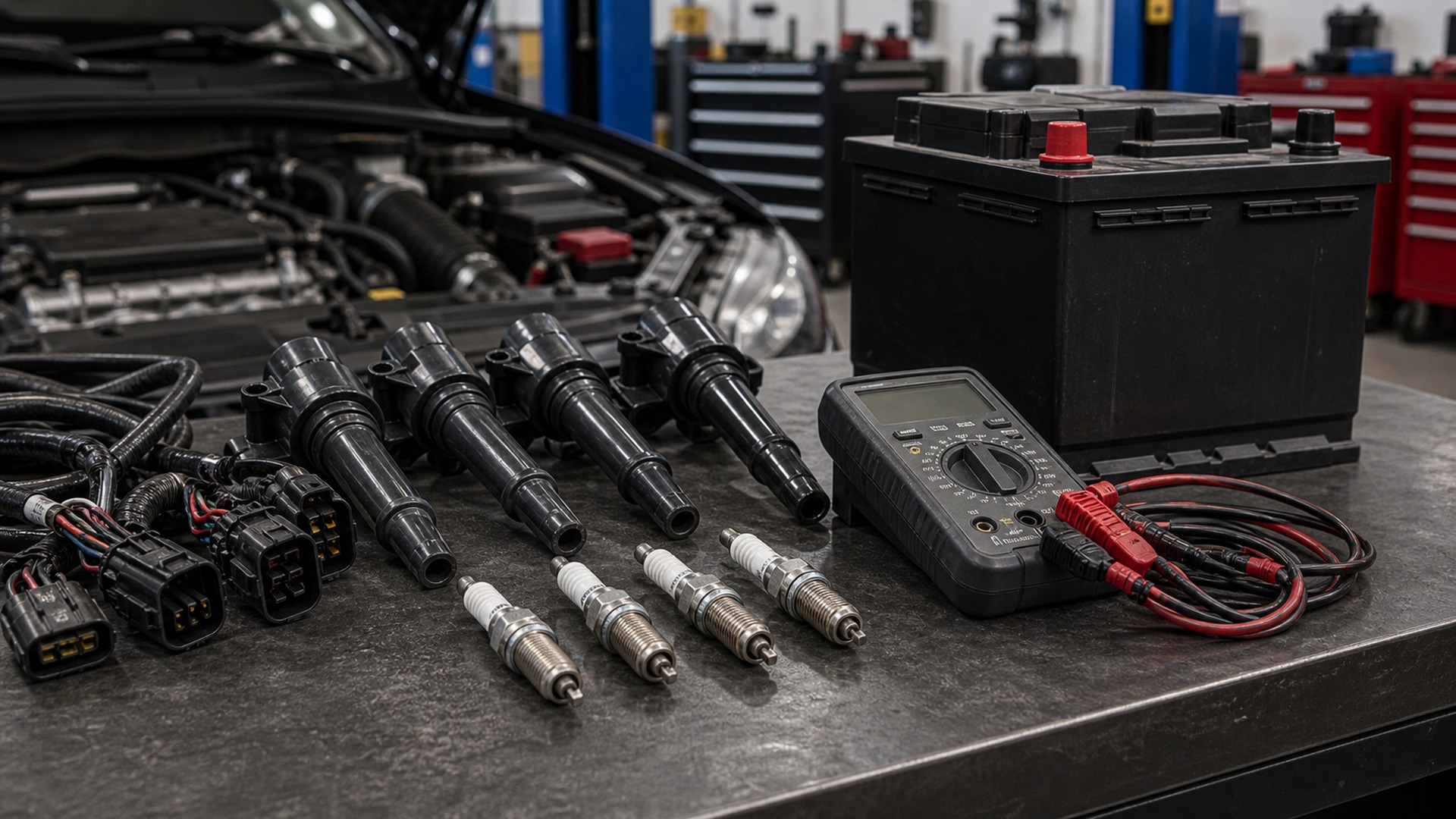
The battery supplies shared low-voltage energy; ignition components meter, transform, time, and discharge that energy to initiate cylinder combustion.
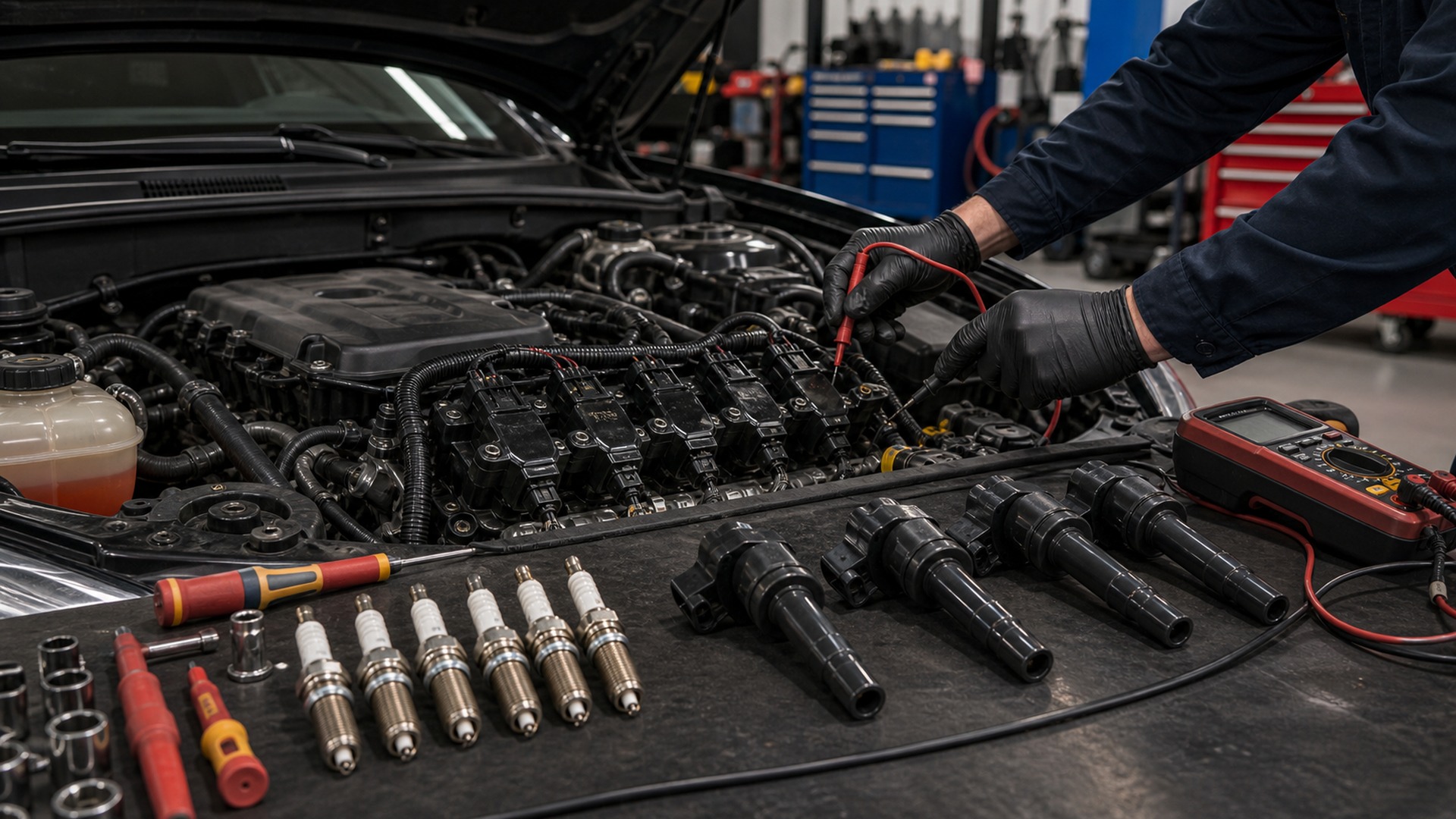
Ignition service combines high voltage, current, fuel, heat, motion, catalyst risk, and fragile engine interfaces that require explicit controls before first crank.
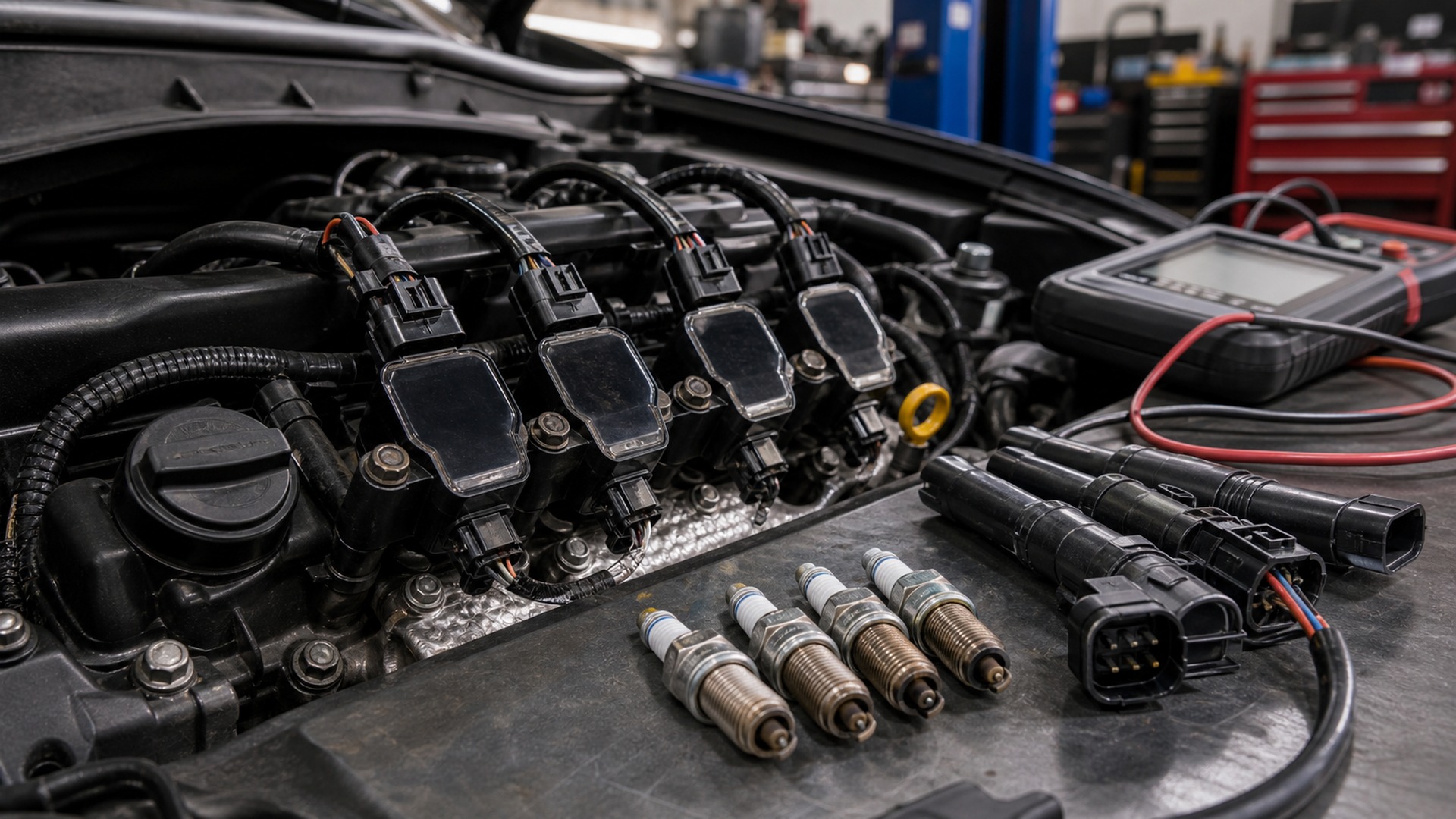
Ignition performance is an energy-and-timing margin across coil charging, voltage containment, gap breakdown, spark duration, flame growth, and combustion phasing.
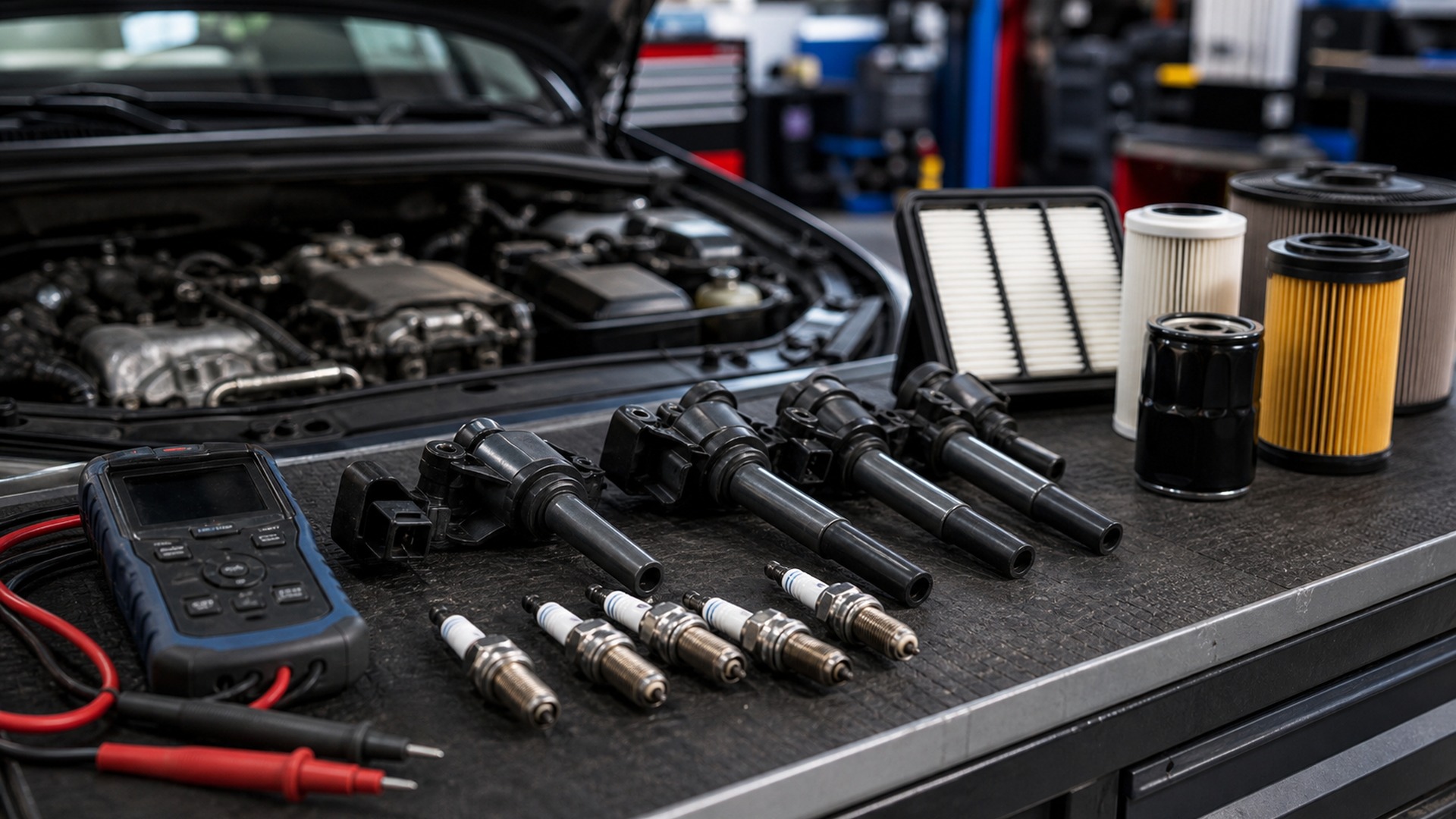
Choose ignition parts for proven spark-generation or delivery faults and filters for proven flow or contamination-control faults; confirm both under the failing condition.
Ignition initiates cylinder combustion through timed discharge; brakes create vehicle deceleration and restraint through force, friction, heat, and tire-road reaction.
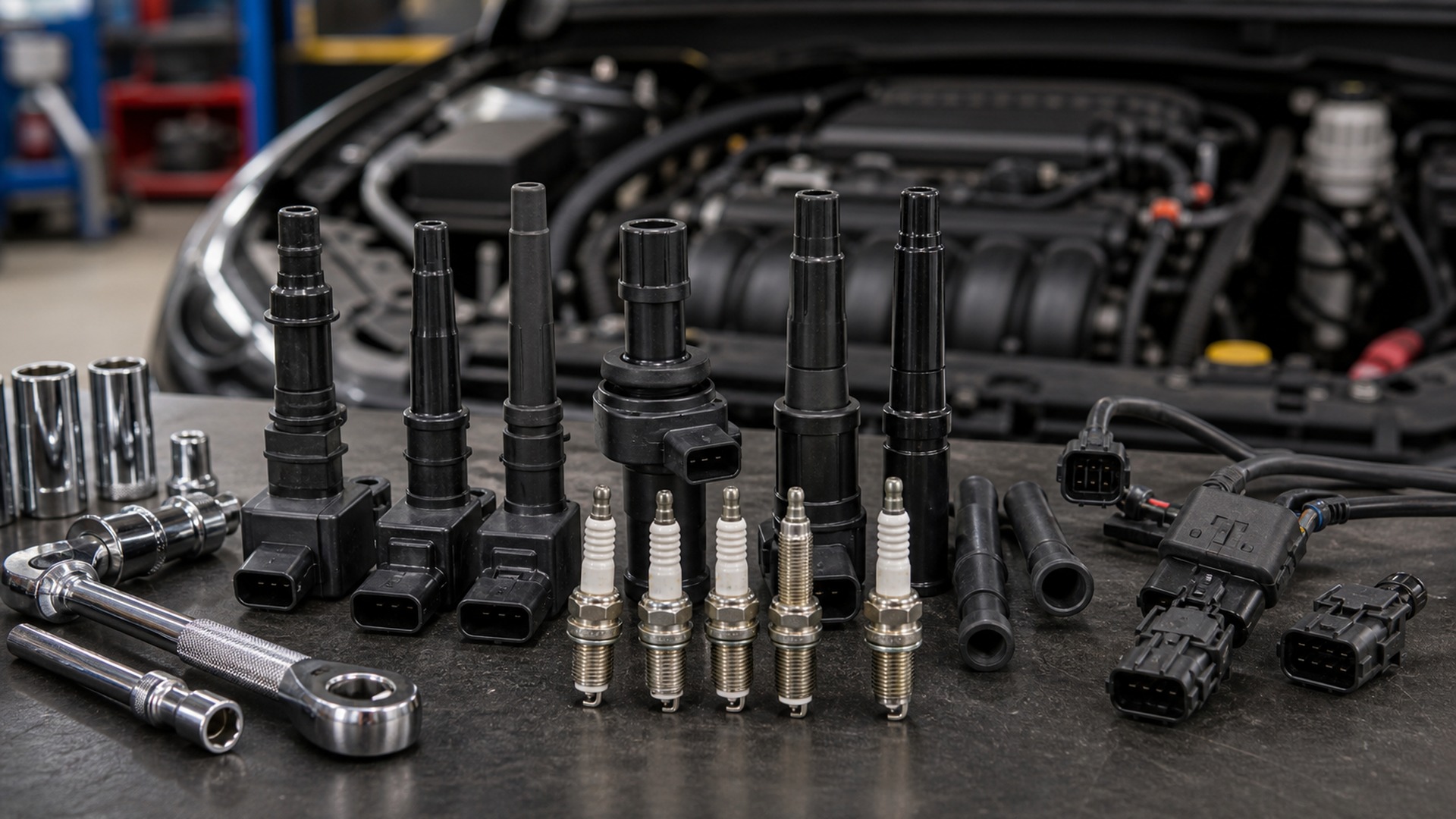
Ignition parts can physically install yet misfit the chamber, thermal path, secondary voltage, or controller. Exact geometry, electrical behavior, and torque all matter.