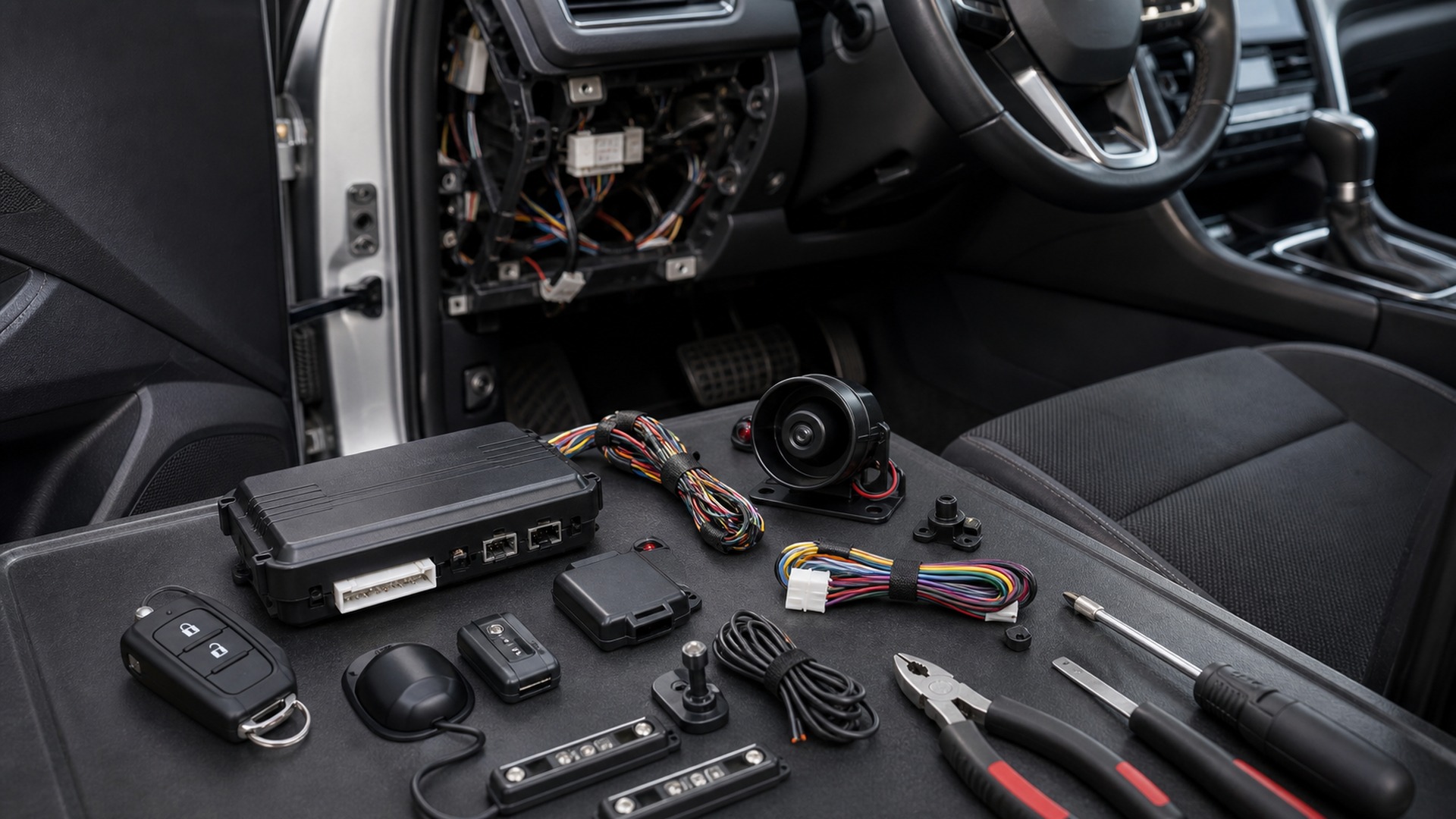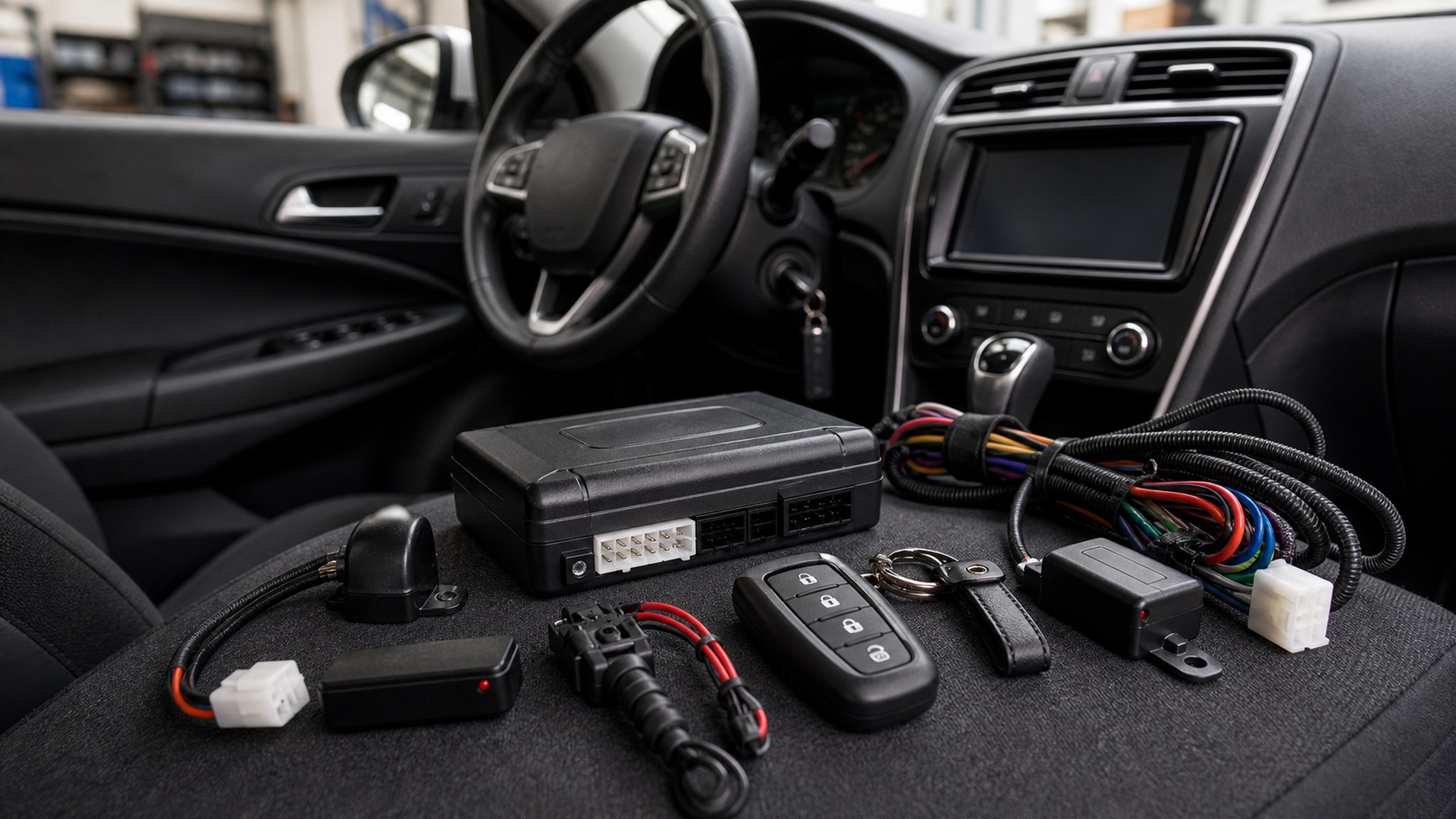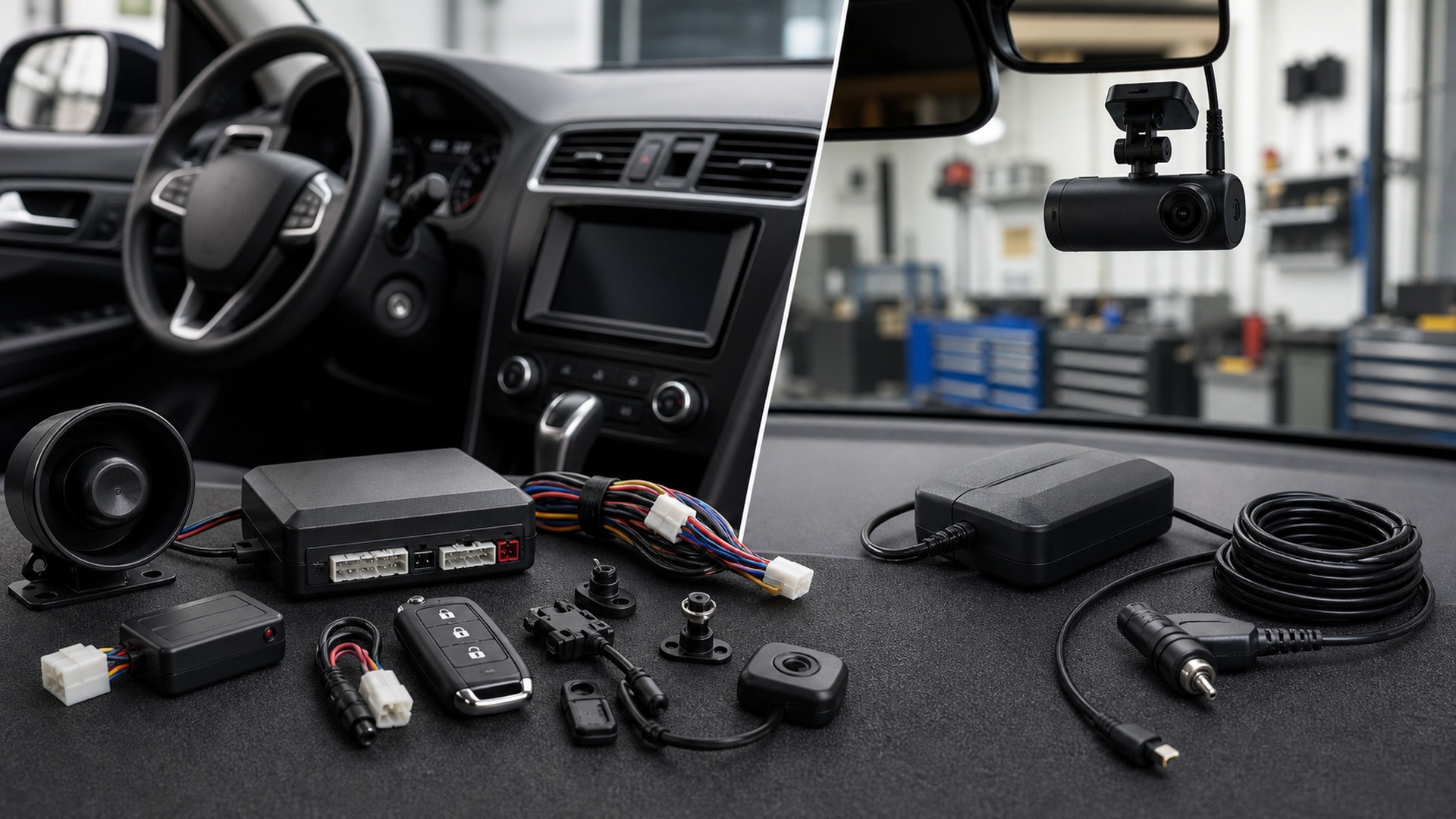
What Makes Vehicle Security Systems Different from Dash Cameras
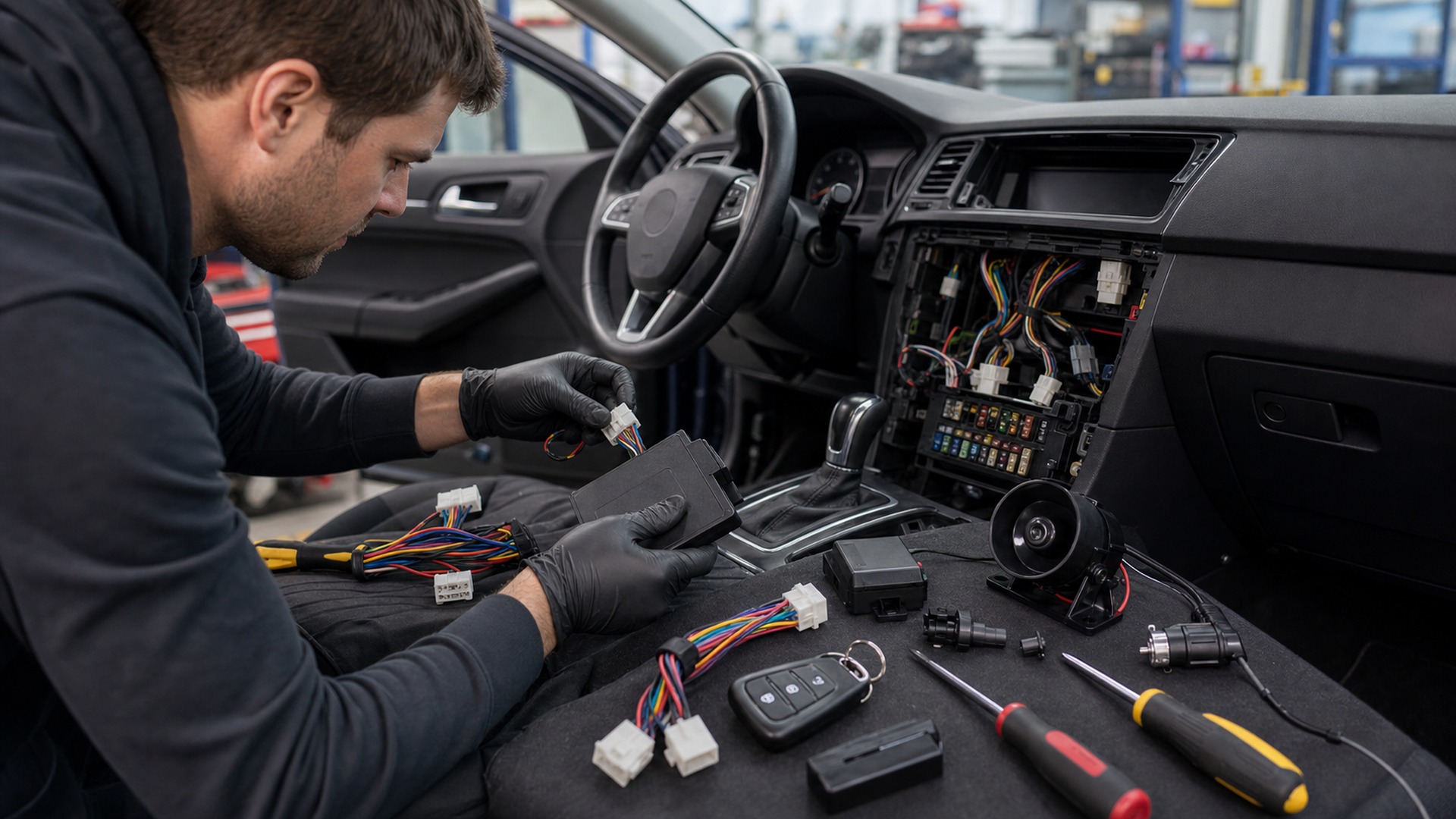
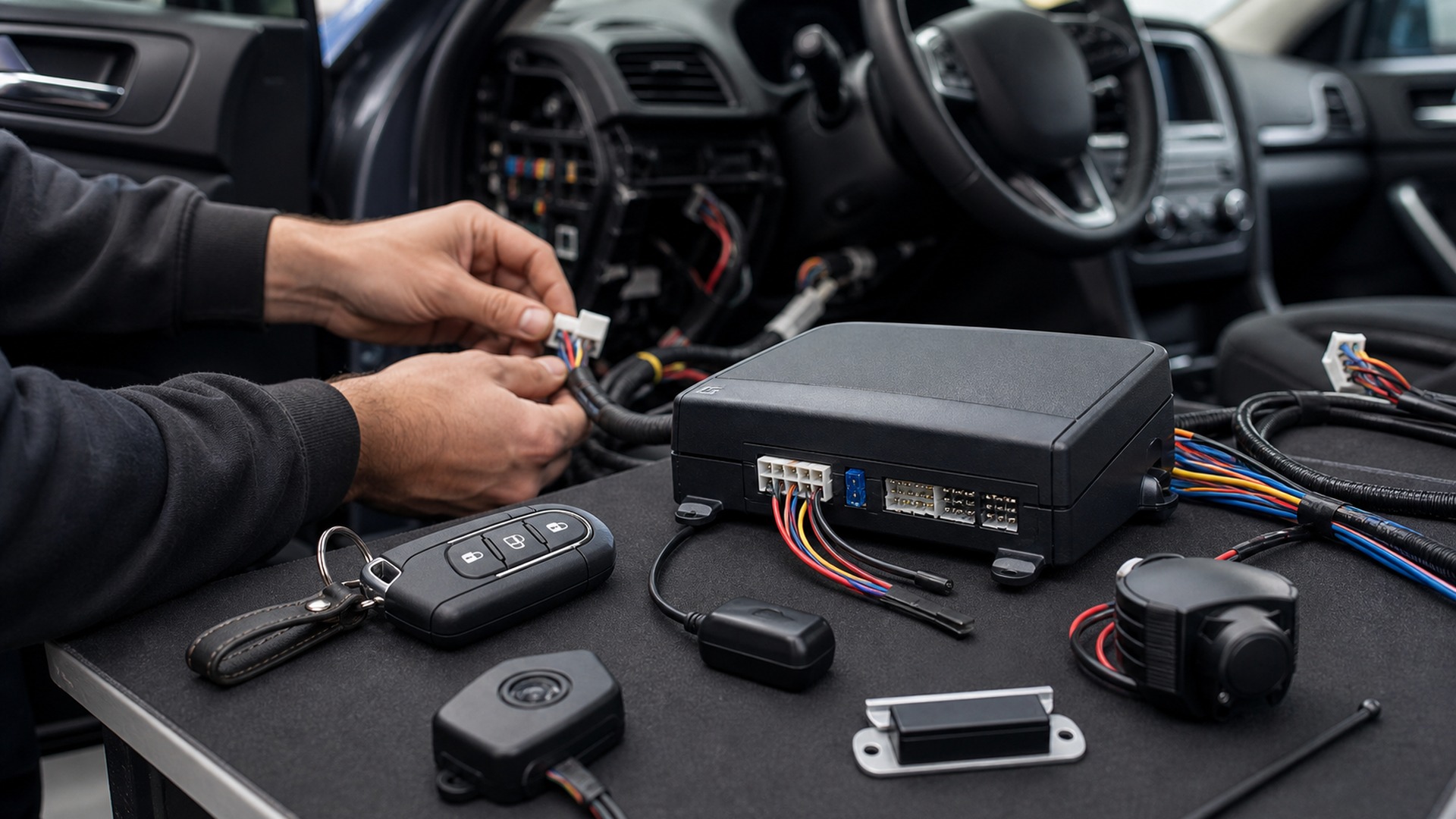
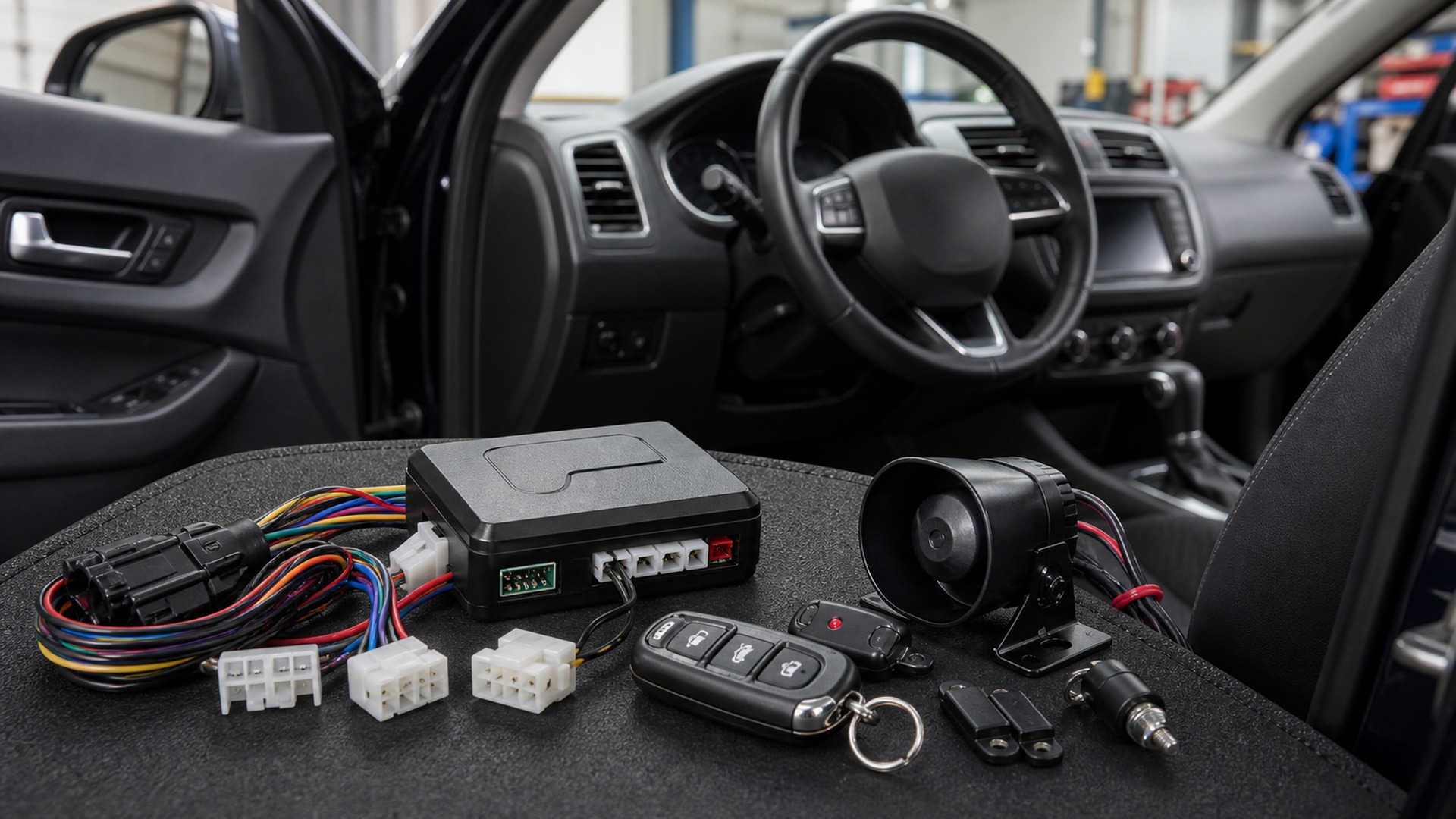
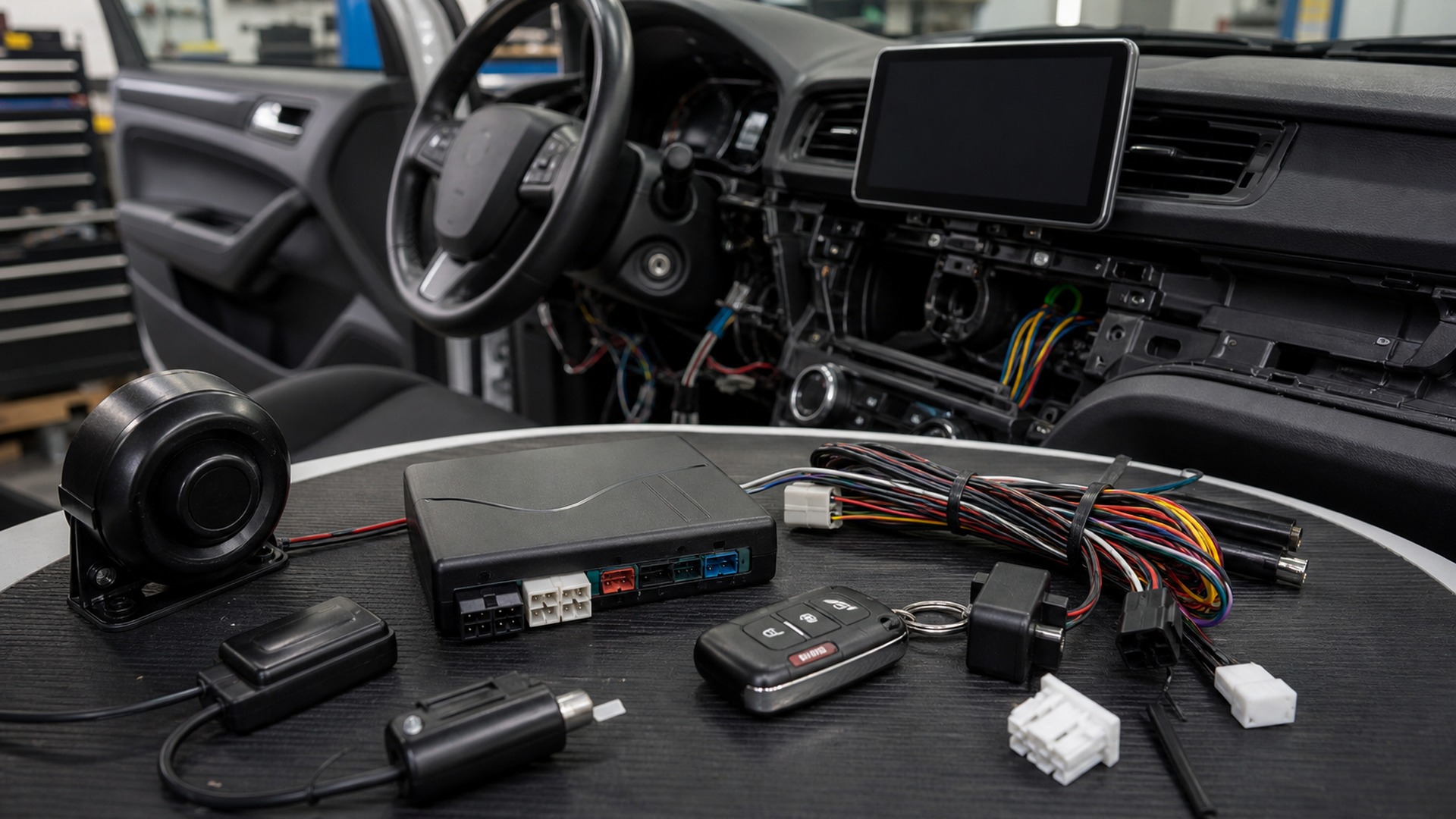
Vehicle security manages protected state and response; dash cameras preserve bounded scene history. Shared triggers do not erase their separate evidence limits.

Reviews You Can Trust
Vehicle security manages protected state and response; dash cameras preserve bounded scene history. Shared triggers do not erase their separate evidence limits.
Safe vehicle security preserves critical circuits and legitimate access while controlling nuisance alarms, parked power, credentials, location data, and failure recovery.
Vehicle security depends on visible state transitions. A testable contract separates arming, authentication, triggers, responses, faults, and authorized recovery.
Security systems manage protected access and response; head units manage media and dashboard interaction. Choose by the missing outcome after diagnosing shared faults.
Vehicle security manages access and intrusion response; car audio reproduces selected sound. Shared speakers and power require coordination, not category confusion.
Vehicle-security fit depends on supported architecture, defined sensor coverage, safe outputs, stable parked power, credential control, and authorized recovery.
Vehicle security is a layered state machine connecting arming, credentials, sensors, responses, immobilization, notifications, and authorized recovery.
Radar detectors provide lawful signal warnings; car audio systems produce cabin sound. Diagnose shared electrical faults before choosing either upgrade.
A detector can power on while reception, configuration, or alert delivery drifts. Maintain the full chain and verify it on a lawful baseline route.
Radar detectors issue immediate signal alerts; dash cameras preserve visual history. Their sensors, timelines, evidence, and acceptance tests remain separate.
Safe radar-detector use requires lawful installation, clear sightlines, restrained cables, parked configuration, calm response, and realistic expectations.
Radar detector alerts and silence depend on configuration, suppression, inputs, and recovery. Observable state contracts make behavior testable.