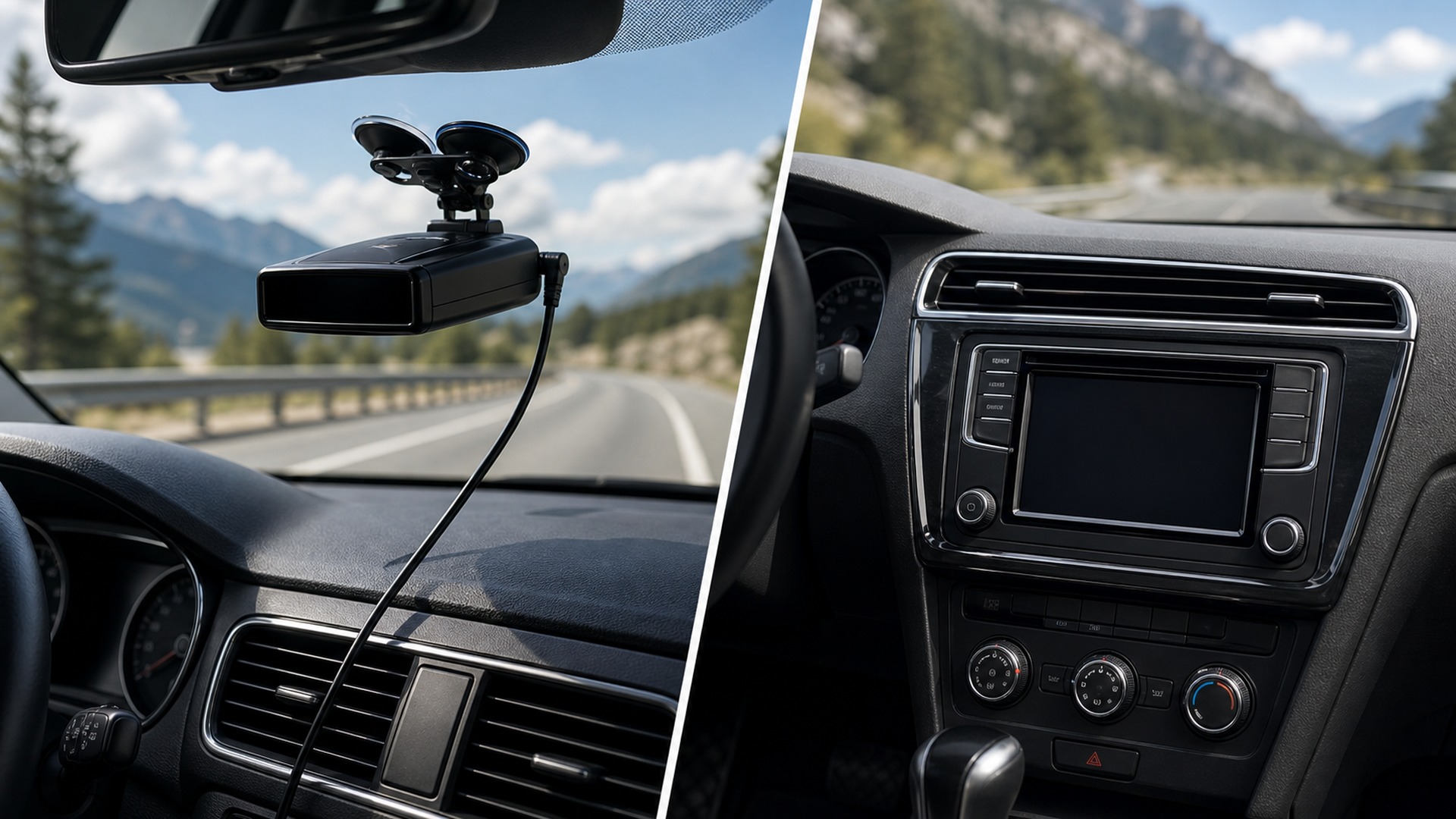
When to Use Radar Detectors Instead of Car Stereo Head Units
Radar detectors provide lawful signal awareness; head units manage daily media and sound. Choose by the missing function and test shared interfaces separately.

Reviews You Can Trust
Radar detectors provide lawful signal awareness; head units manage daily media and sound. Choose by the missing function and test shared interfaces separately.
Radar detectors classify environmental signals; car audio systems reproduce selected content. Shared speakers and power require coordination, not category confusion.
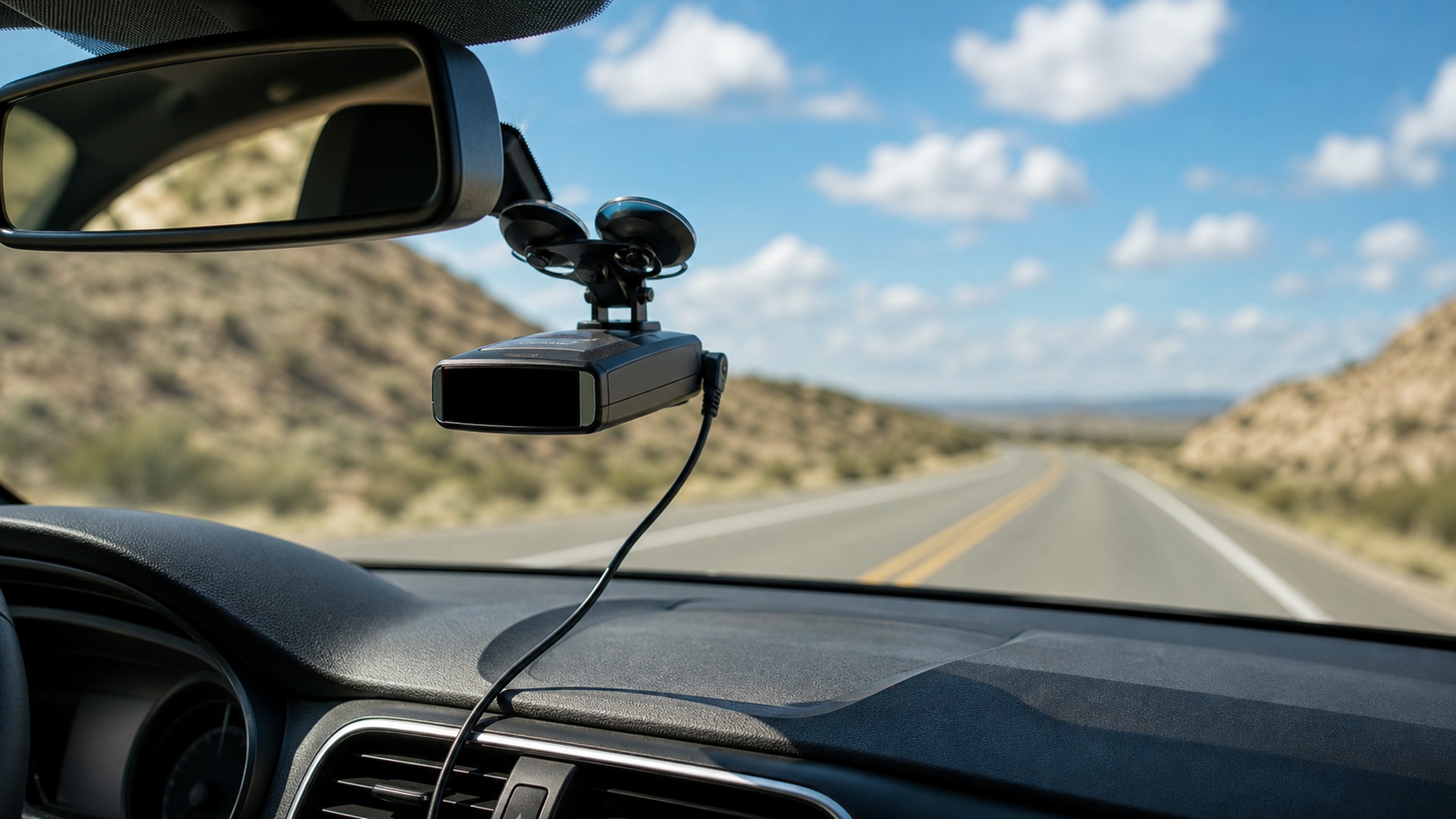
Radar detector fit involves law, glass, antenna geometry, mounting, power, heat, interference, and driver workload—not merely a plug and bracket.
A radar detector is a receiver that classifies radio observations and presents uncertain alerts. Learn where range, filtering, direction, and false signals enter.
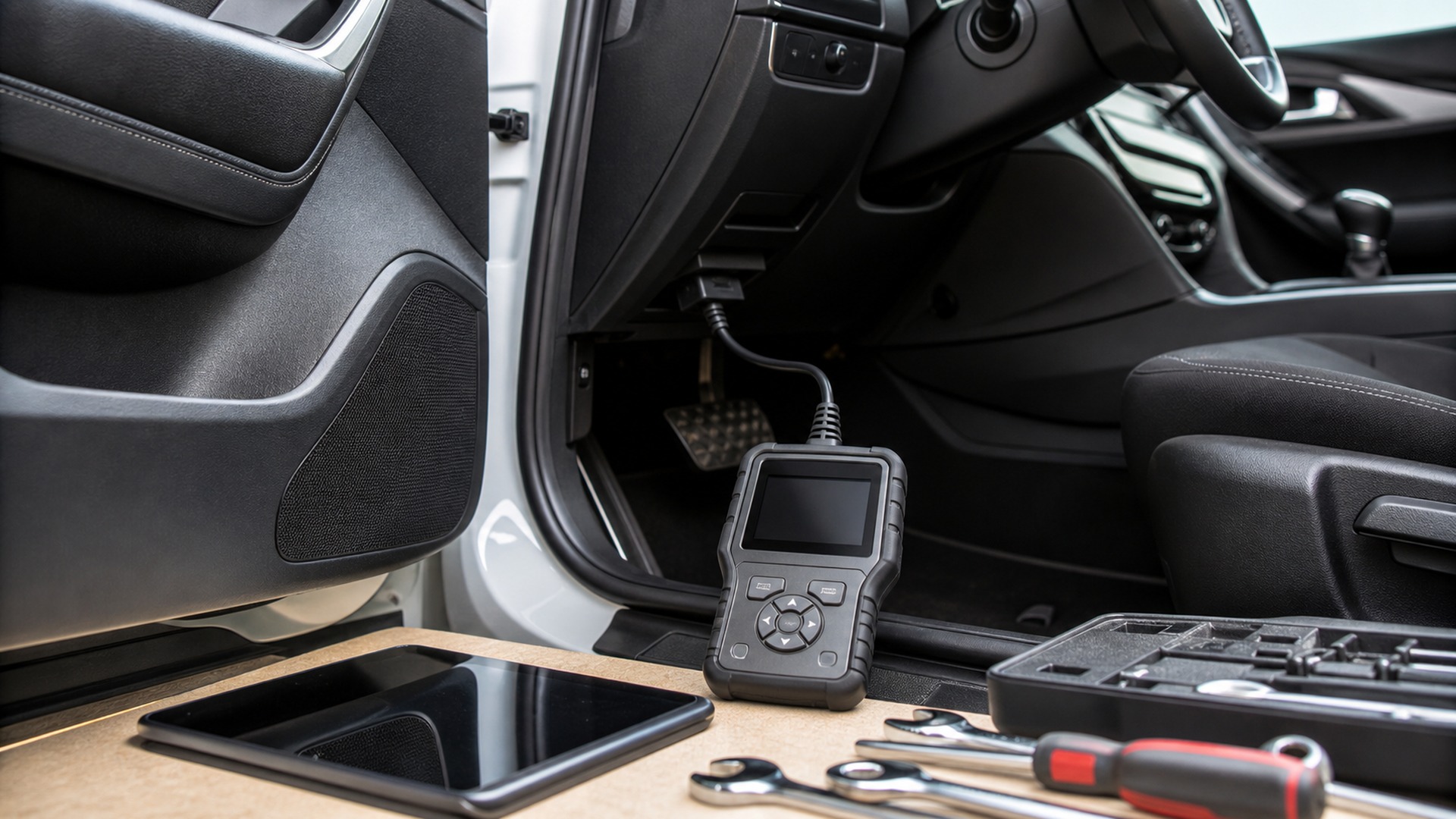
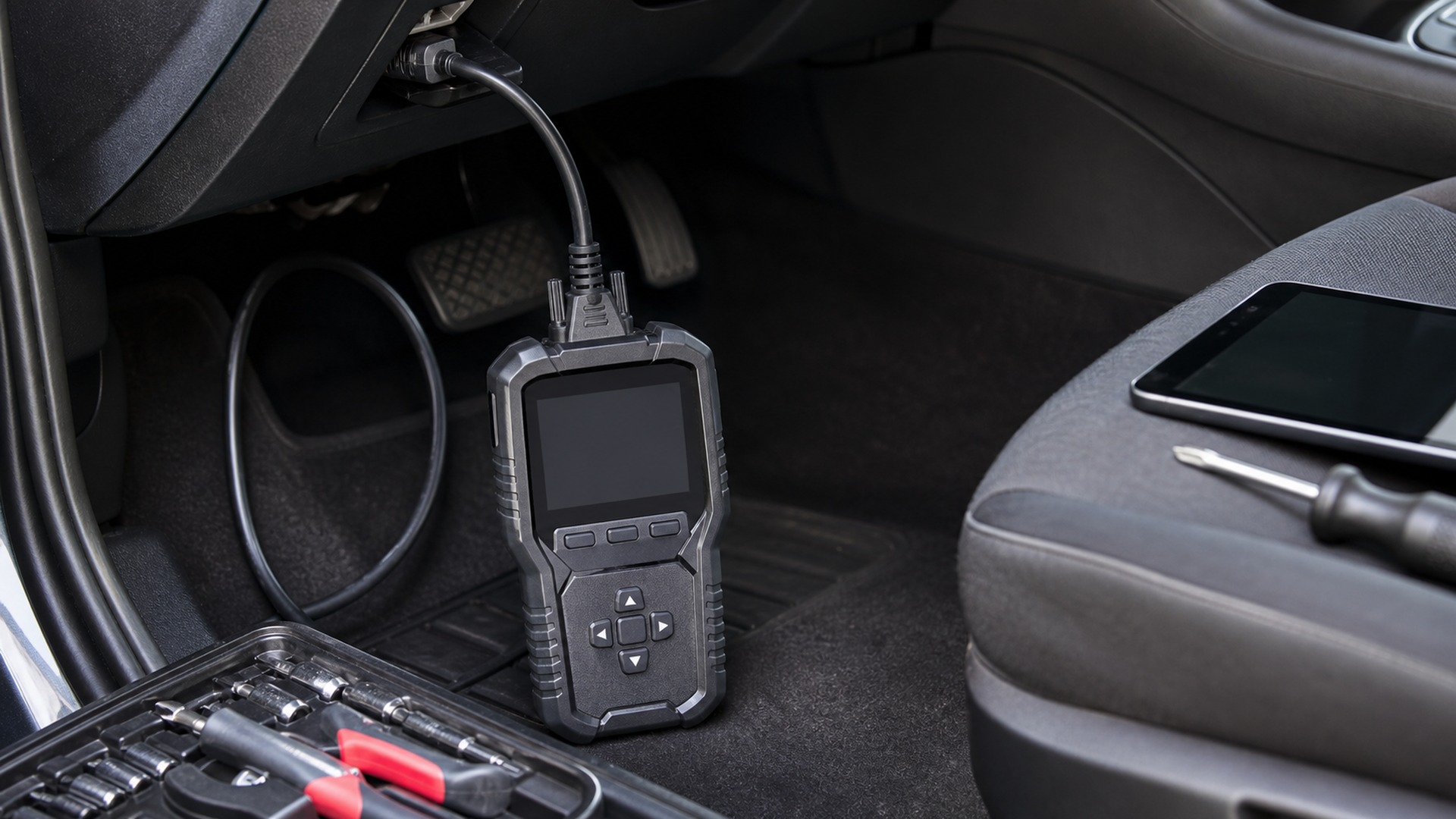
OBD tools produce controller evidence; car audio systems produces controlled acoustic output. Choose by the missing artifact and test shared resources carefully.
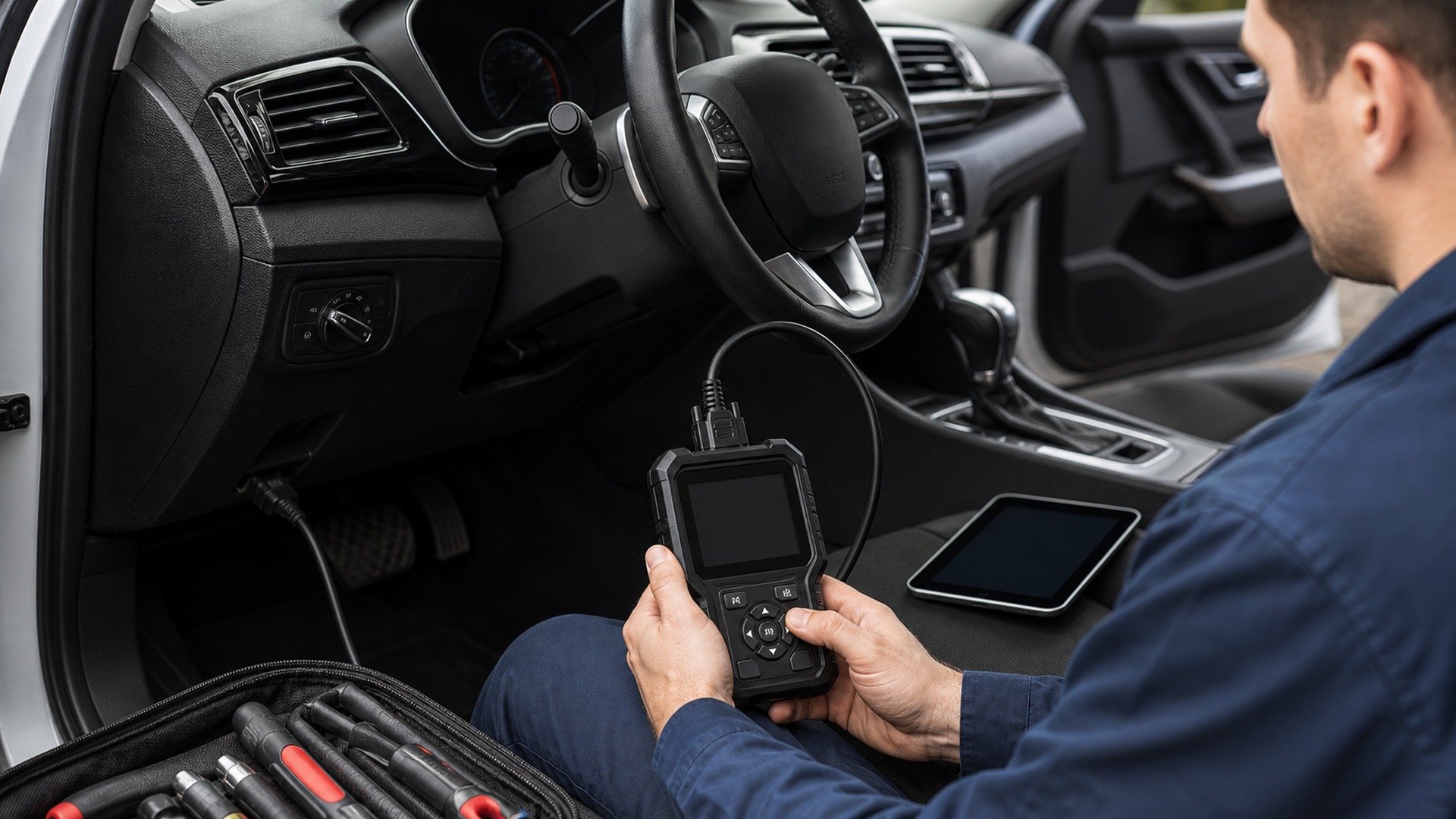
An OBD tool can boot while its evidence path degrades. Maintain hardware, power, software, access, records, and repeatable vehicle tests.
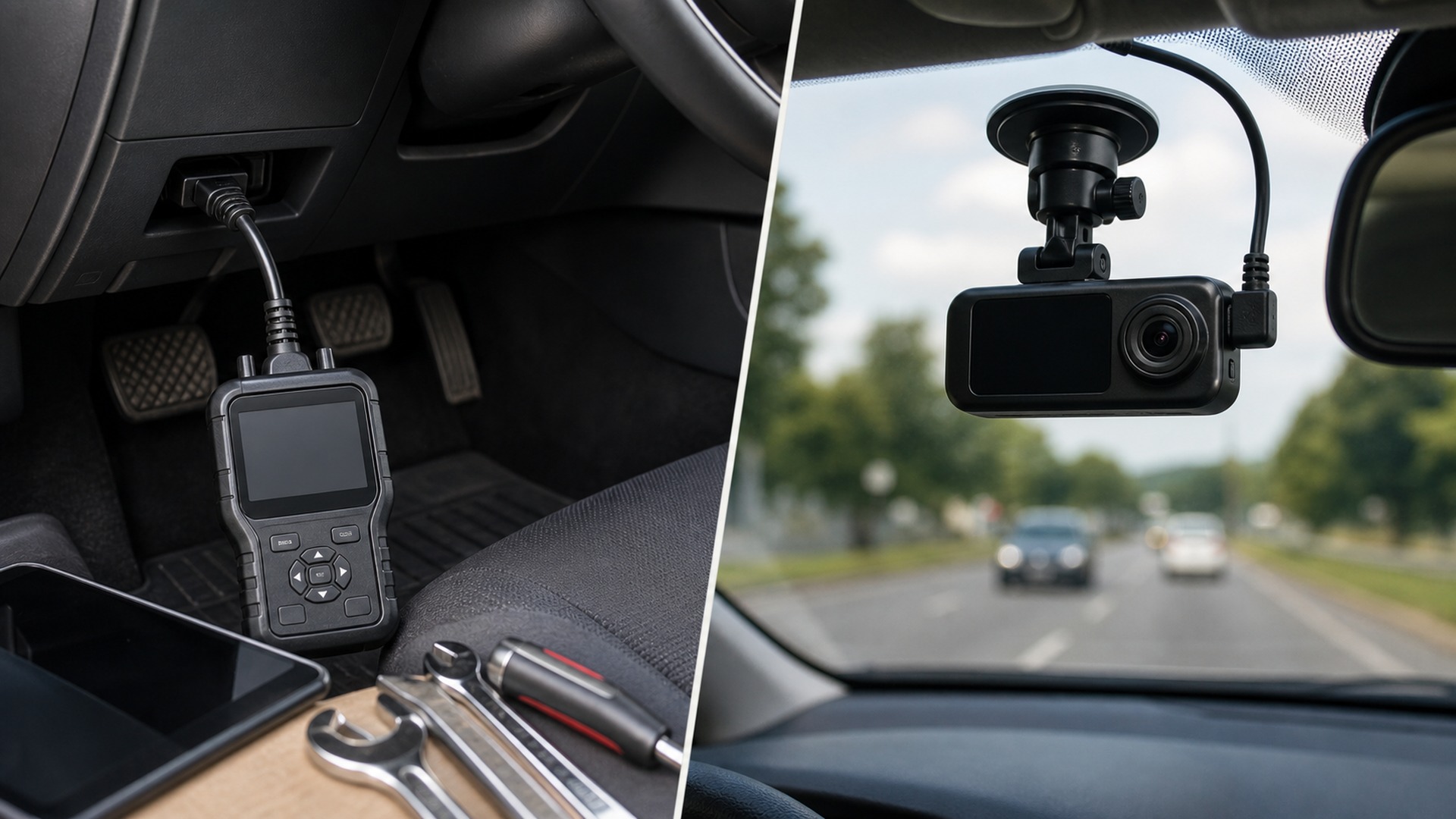
OBD tools produce controller evidence; dash cameras produces retrievable footage. Choose by the missing artifact and test shared resources carefully.
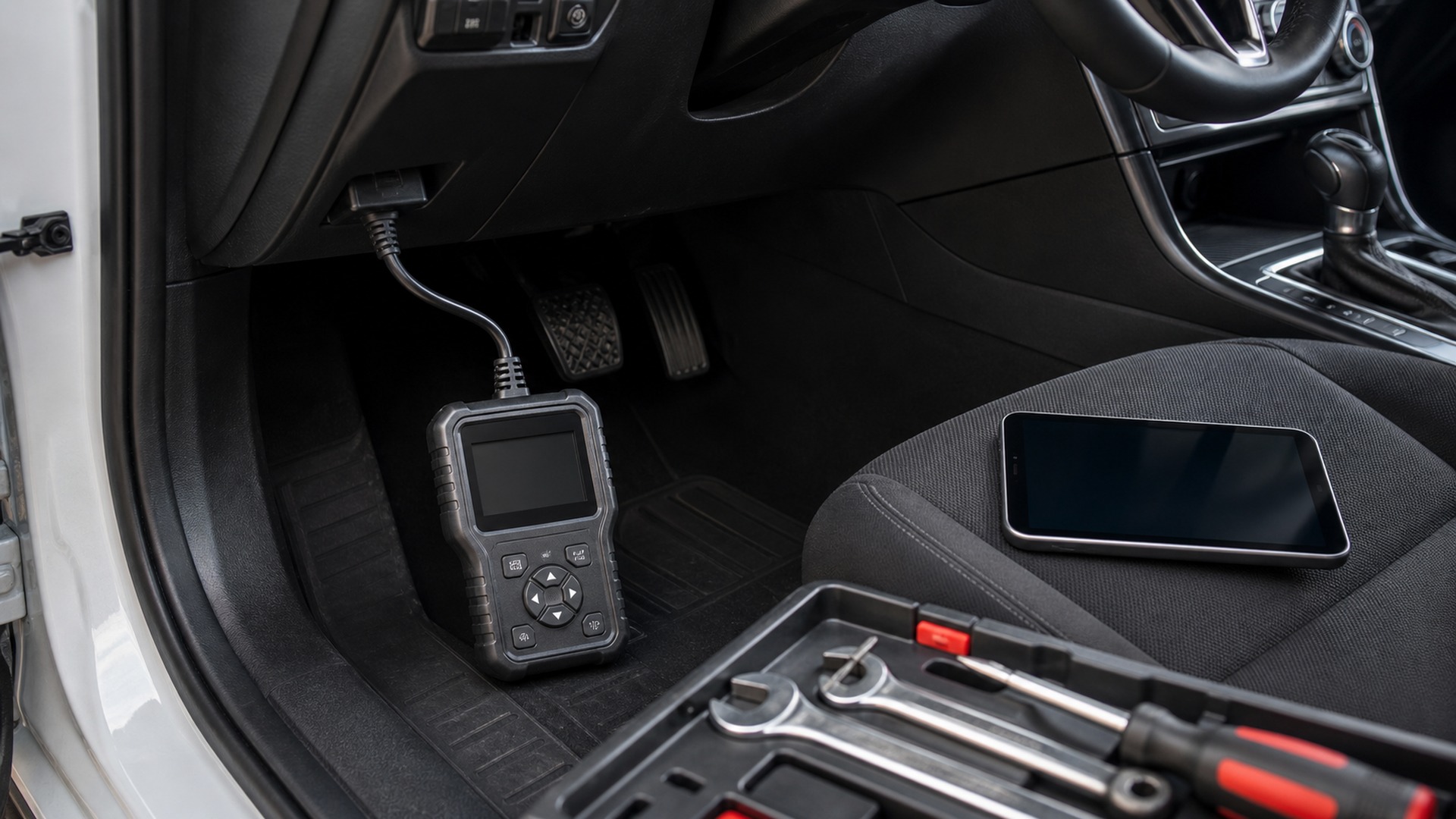
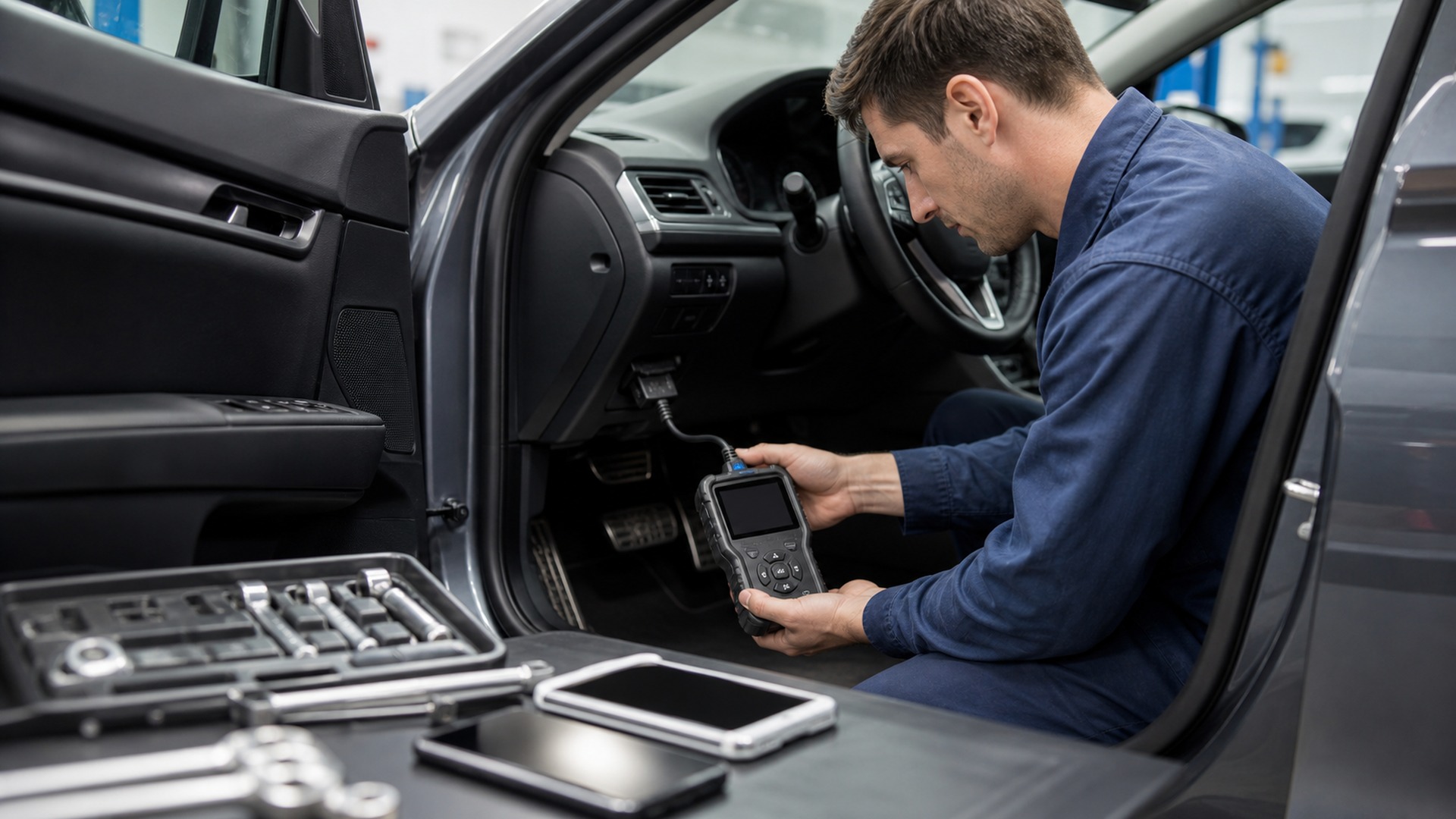
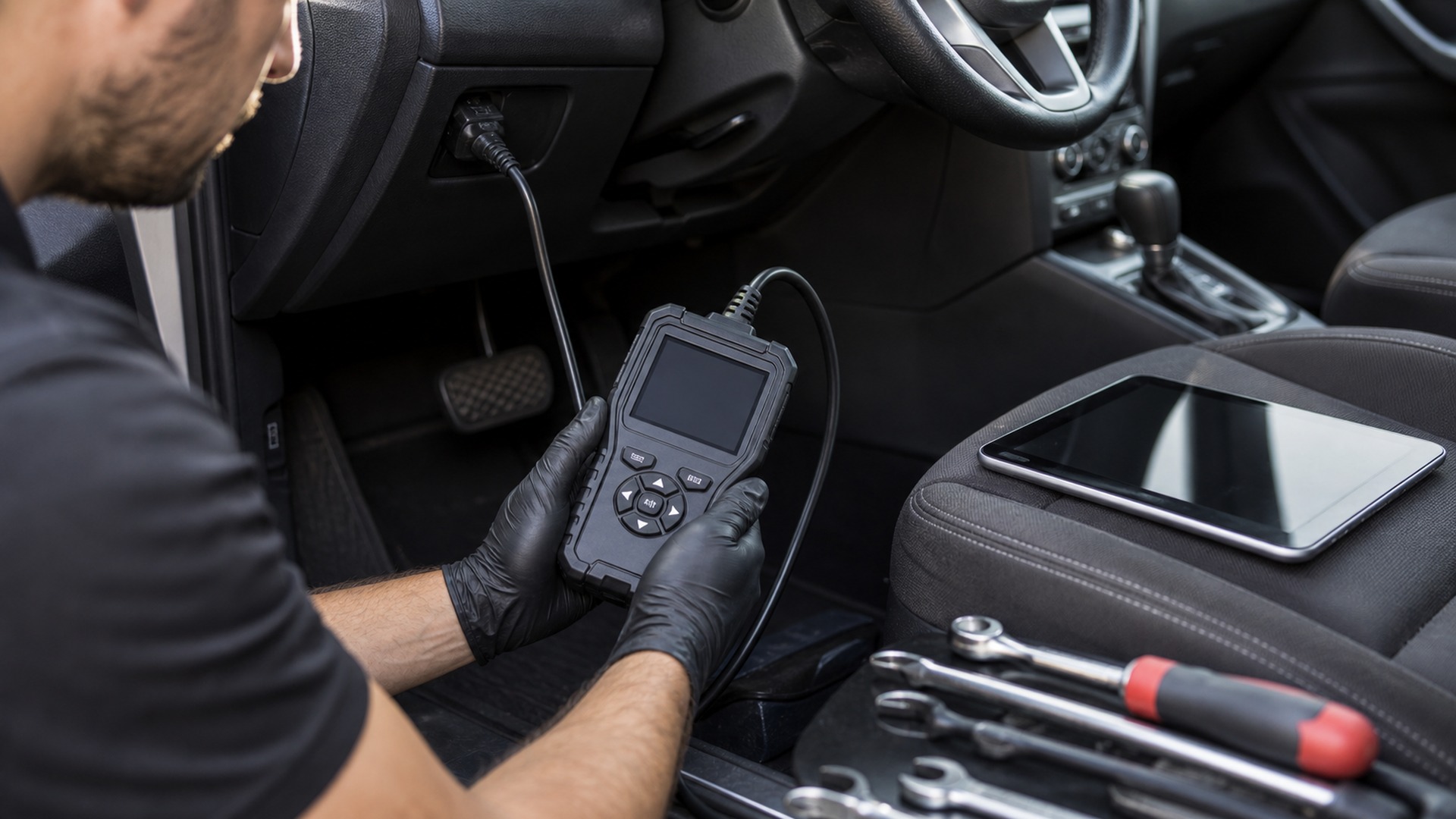
OBD access is an electrical and network entry into the vehicle. Safe work controls the connector, power, motion, commands, credentials, and attention.
OBD features become dependable only when inputs, vehicle state, responses, failure indications, and recovery are explicit and testable.
OBD tools produce controller evidence; car stereo head units produces usable listening and source control. Choose by the missing artifact and test shared resources carefully.
OBD tools produce controller evidence; car audio systems produces controlled acoustic output. Choose by the missing artifact and test shared resources carefully.
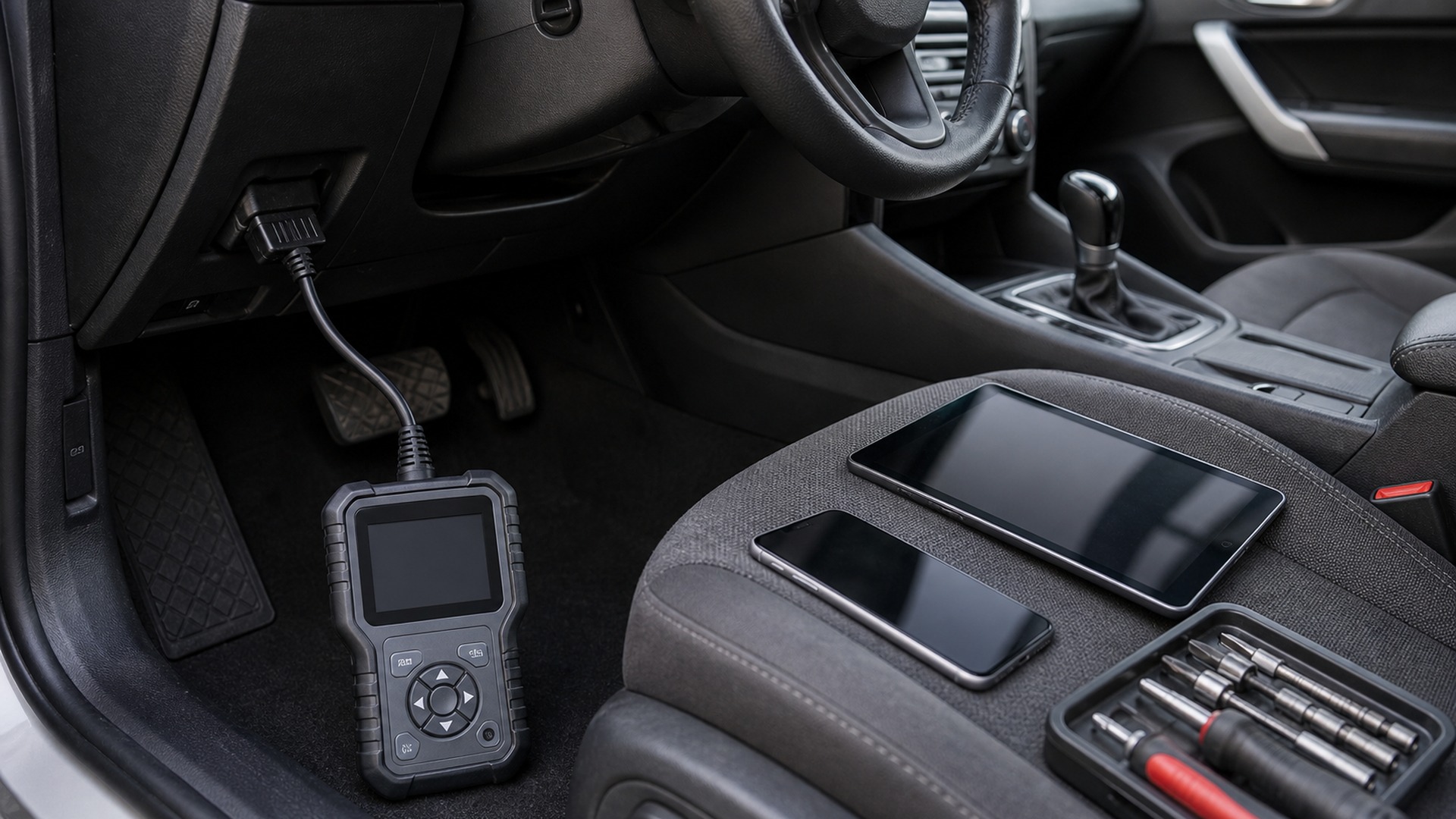
An OBD plug can fit while coverage fails. Match the exact vehicle and task across protocols, modules, functions, access, power, and workspace.