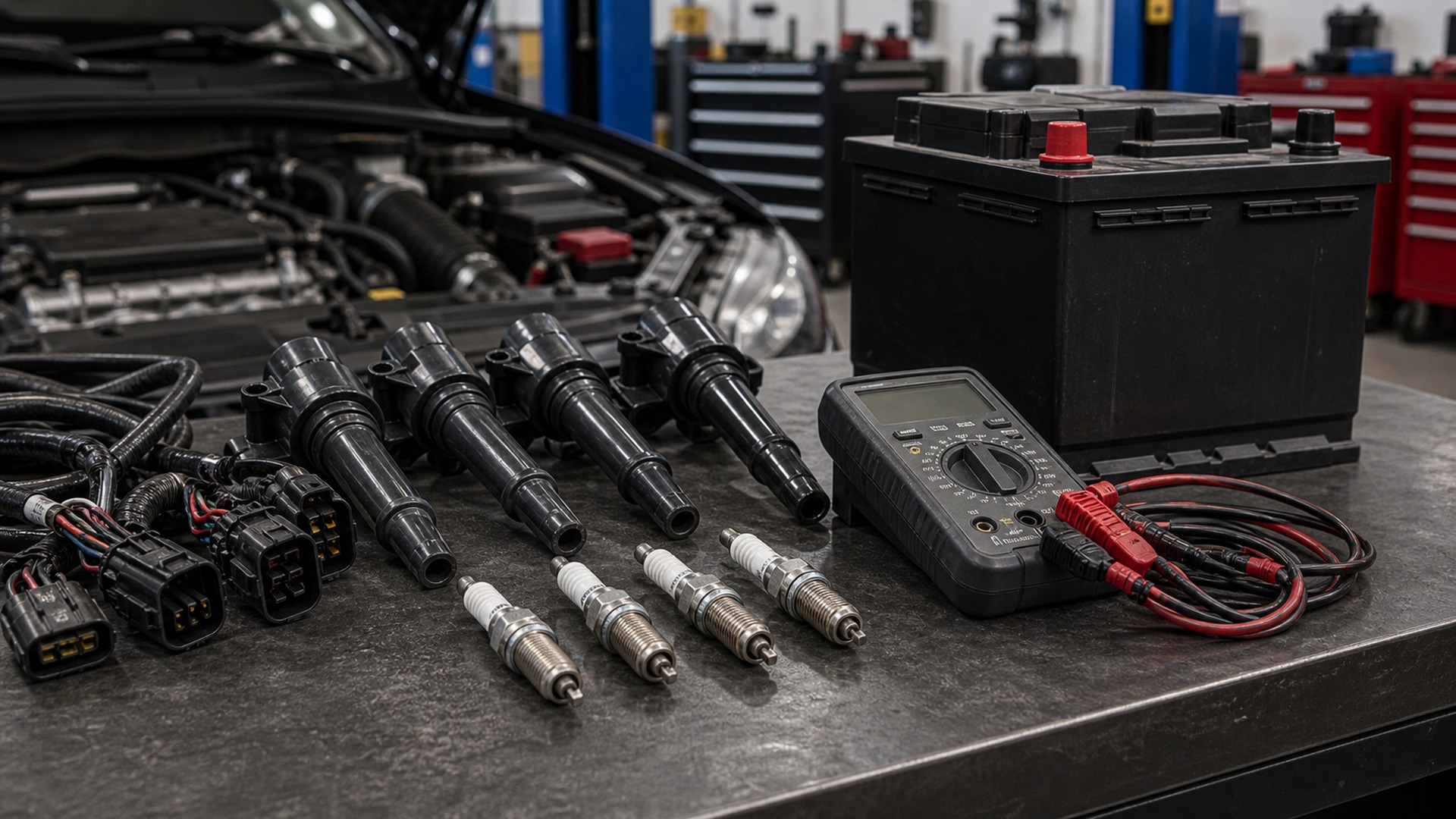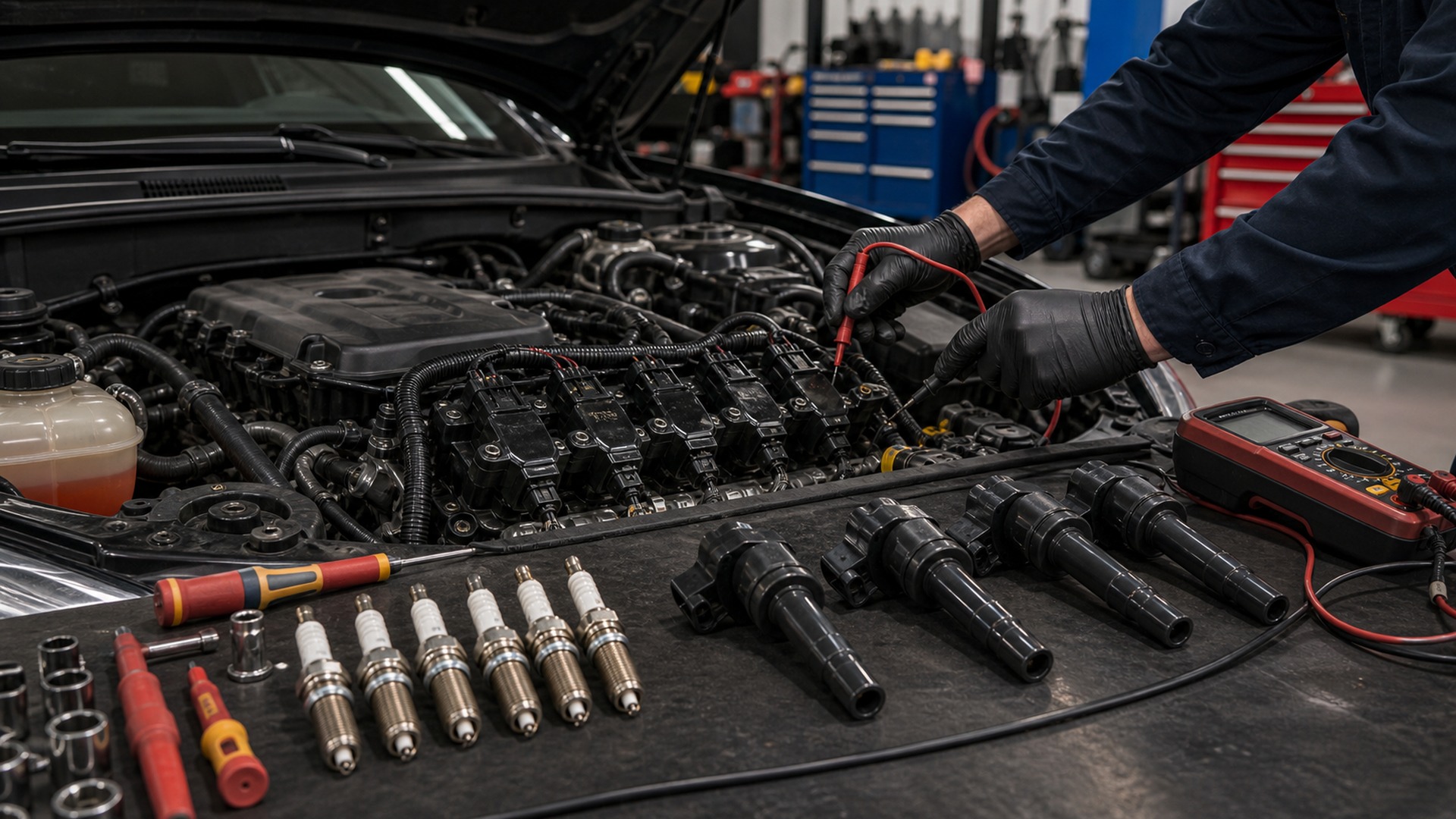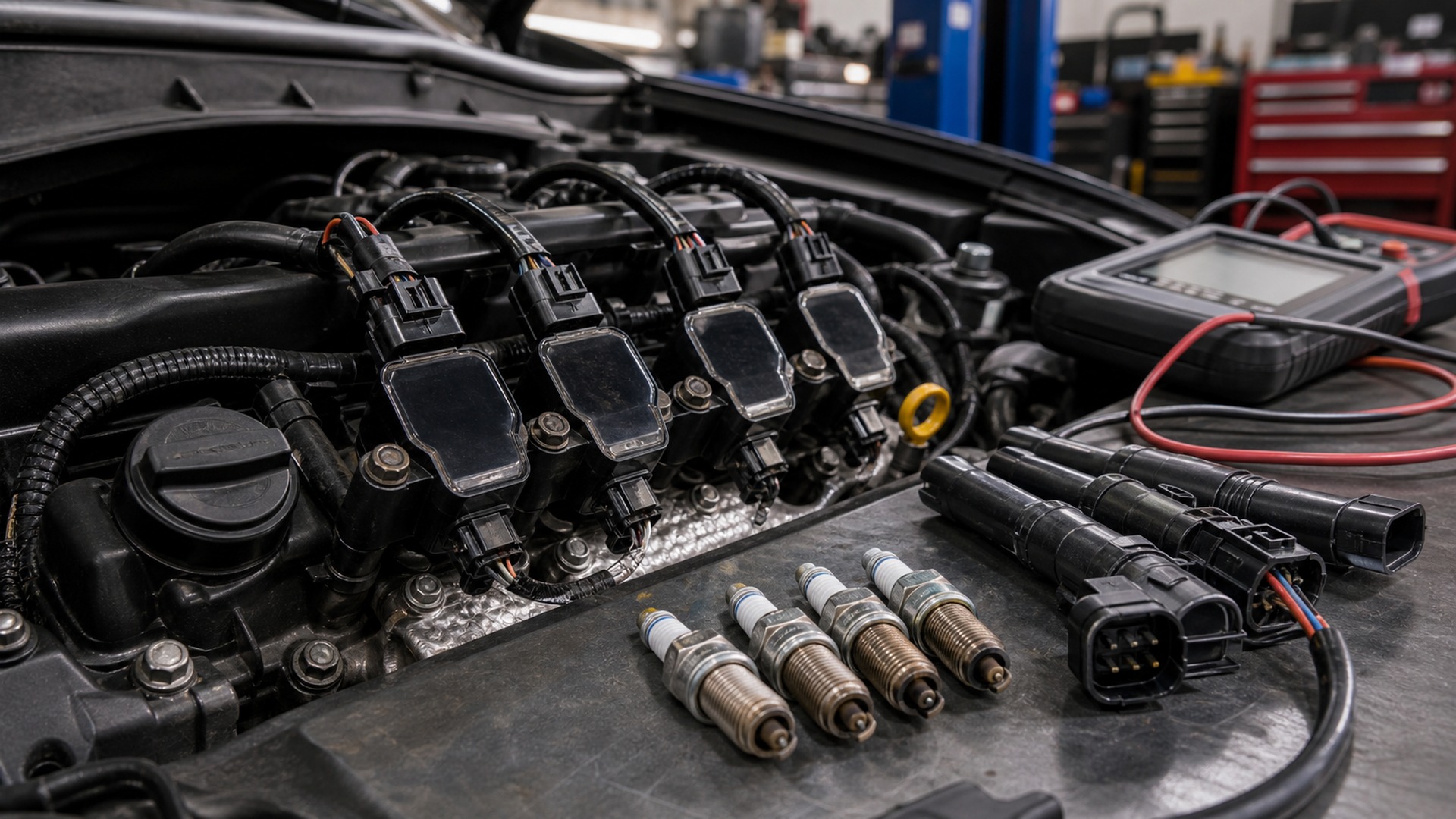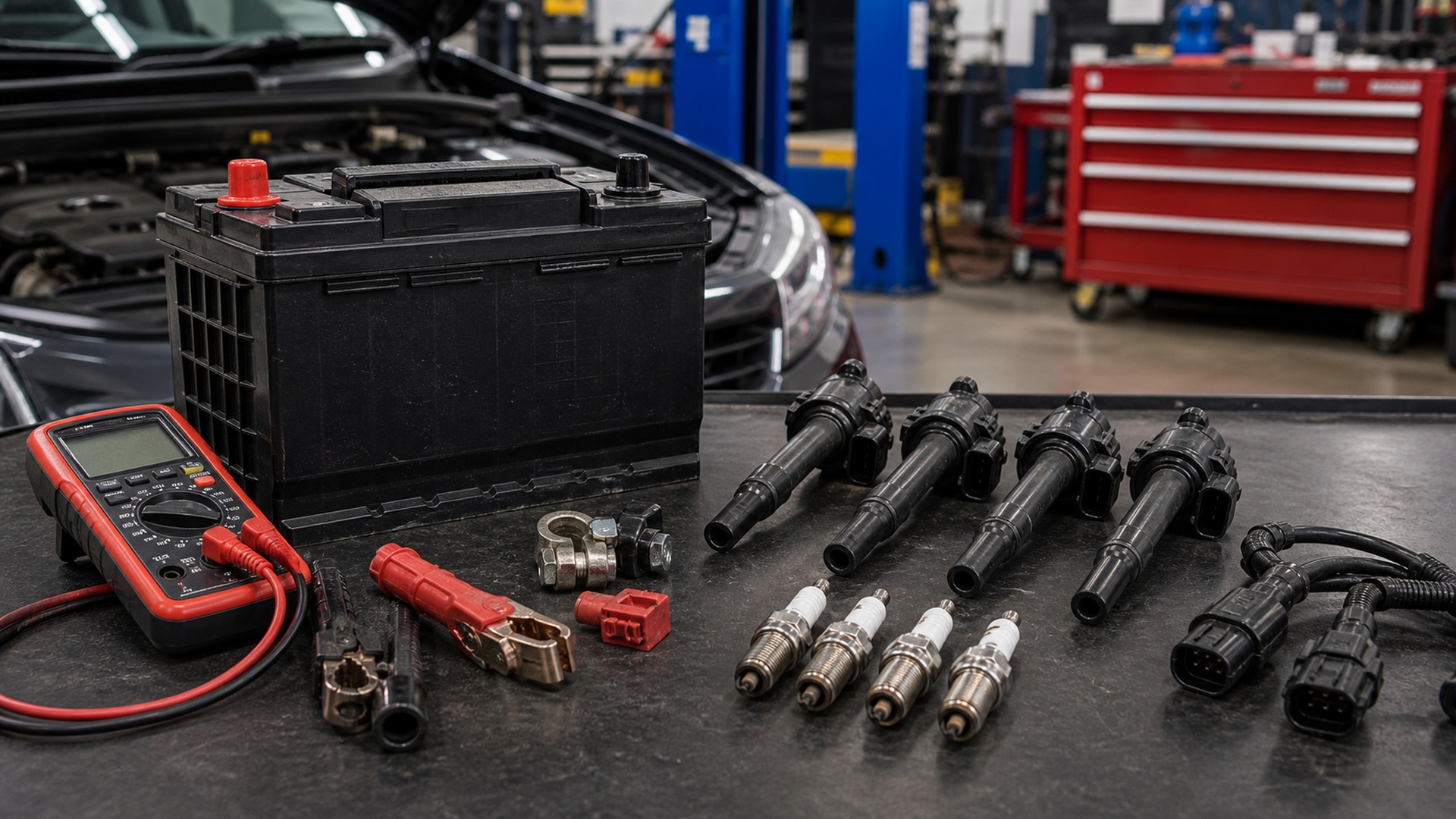
What Makes Vehicle Batteries Different from Ignition Components
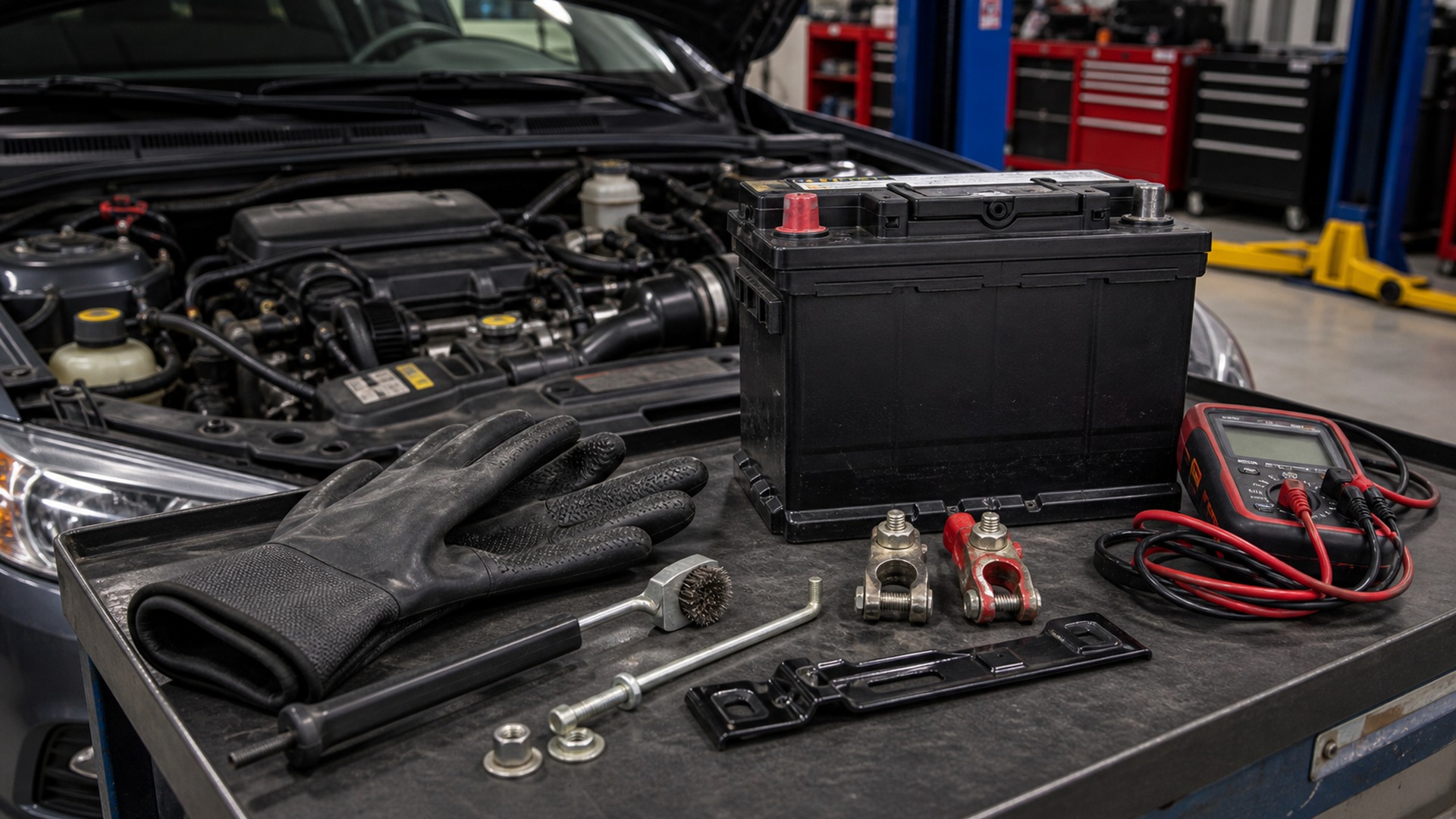
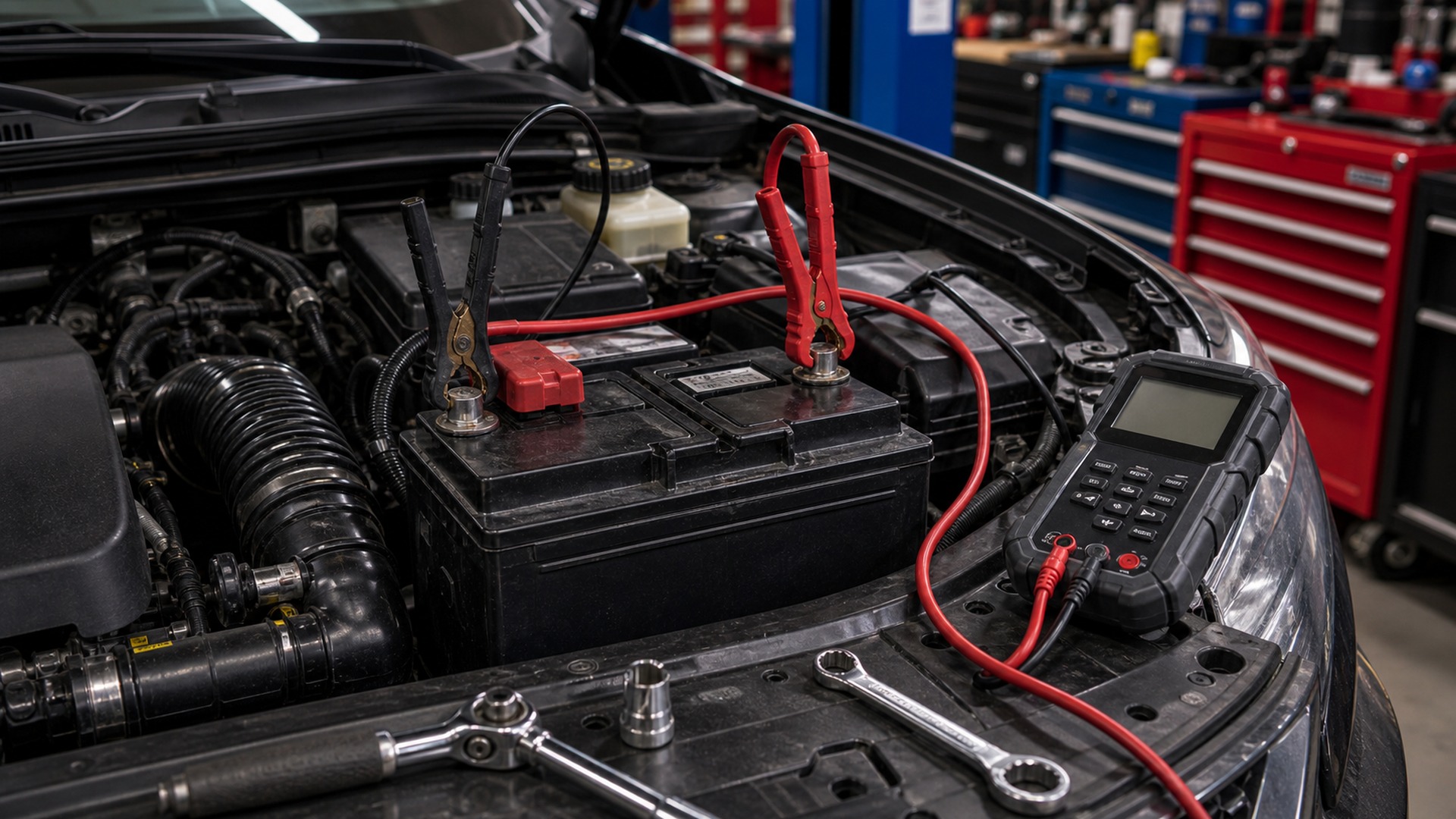
Batteries maintain shared electrical supply; ignition components transform and time a small portion of it into cylinder-specific spark events.

Reviews You Can Trust
Batteries maintain shared electrical supply; ignition components transform and time a small portion of it into cylinder-specific spark events.
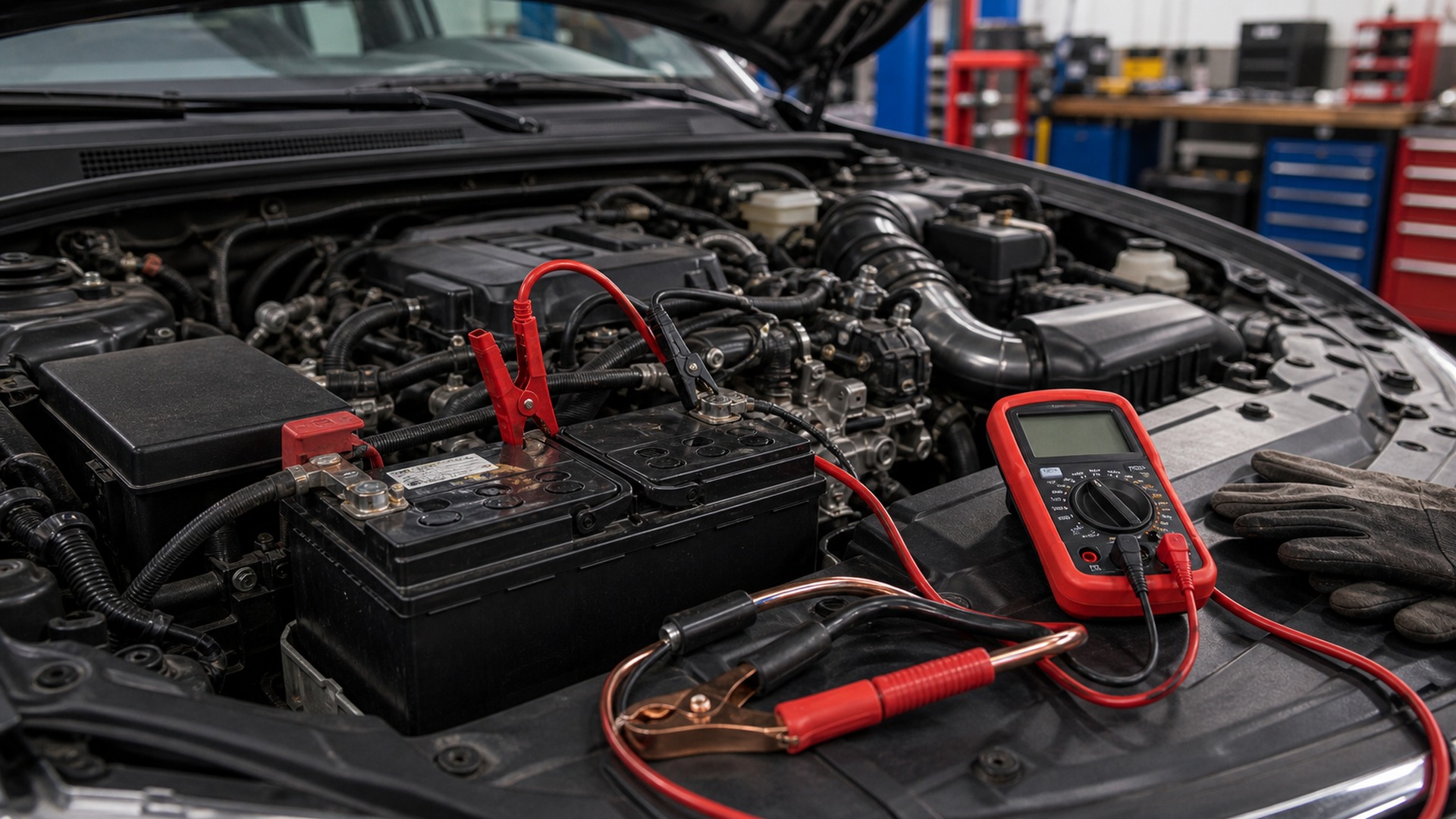
Battery safety begins with voltage architecture and condition: low-voltage fault current and chemistry require controls, while traction systems require qualified high-voltage isolation.
Battery function is usable voltage and energy under a defined load, duration, temperature, and control state—not a single resting number.
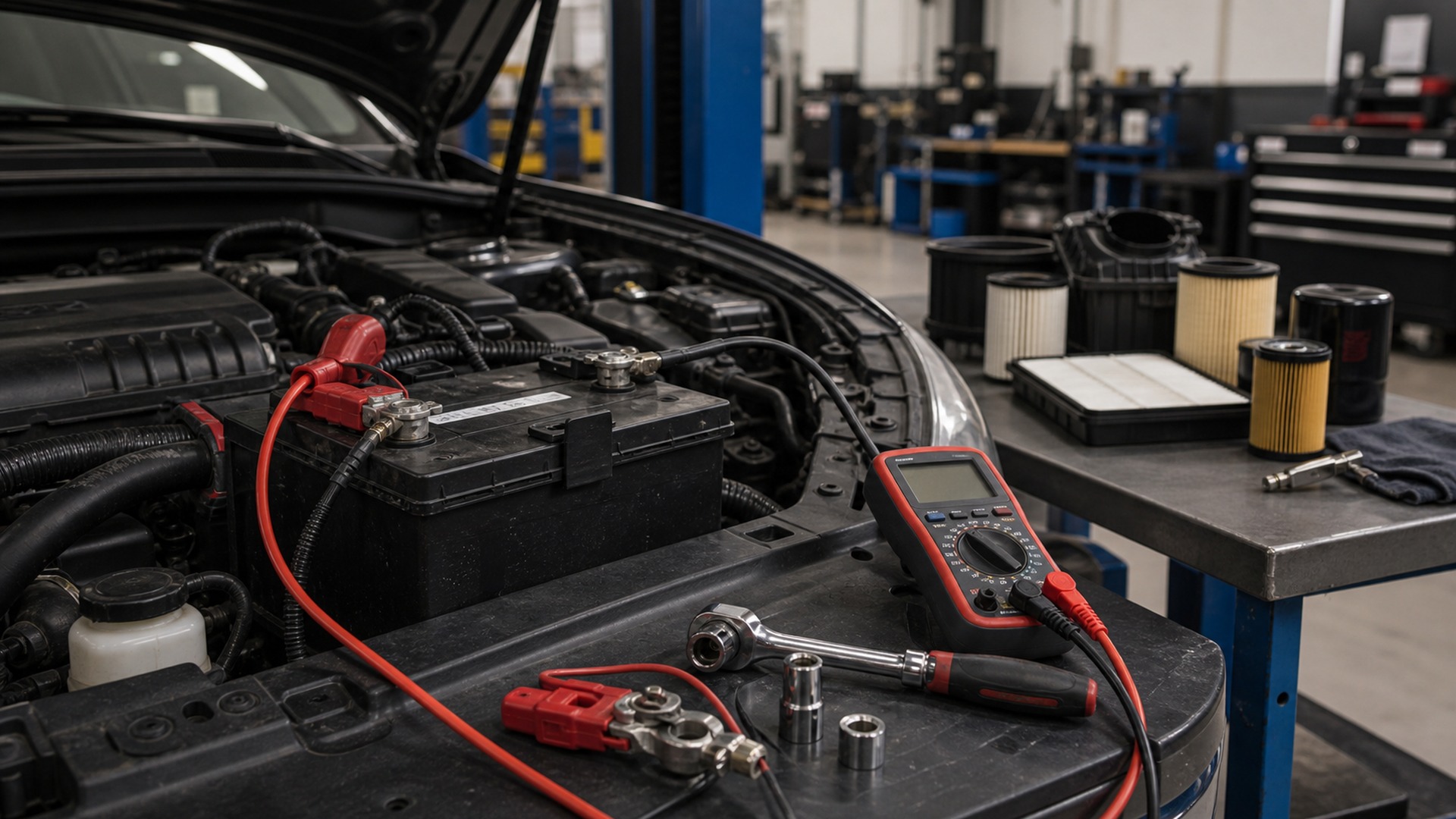
Choose batteries for failed electrical delivery and filters for failed air, oil, or fuel flow—using synchronized measurements from the original event.
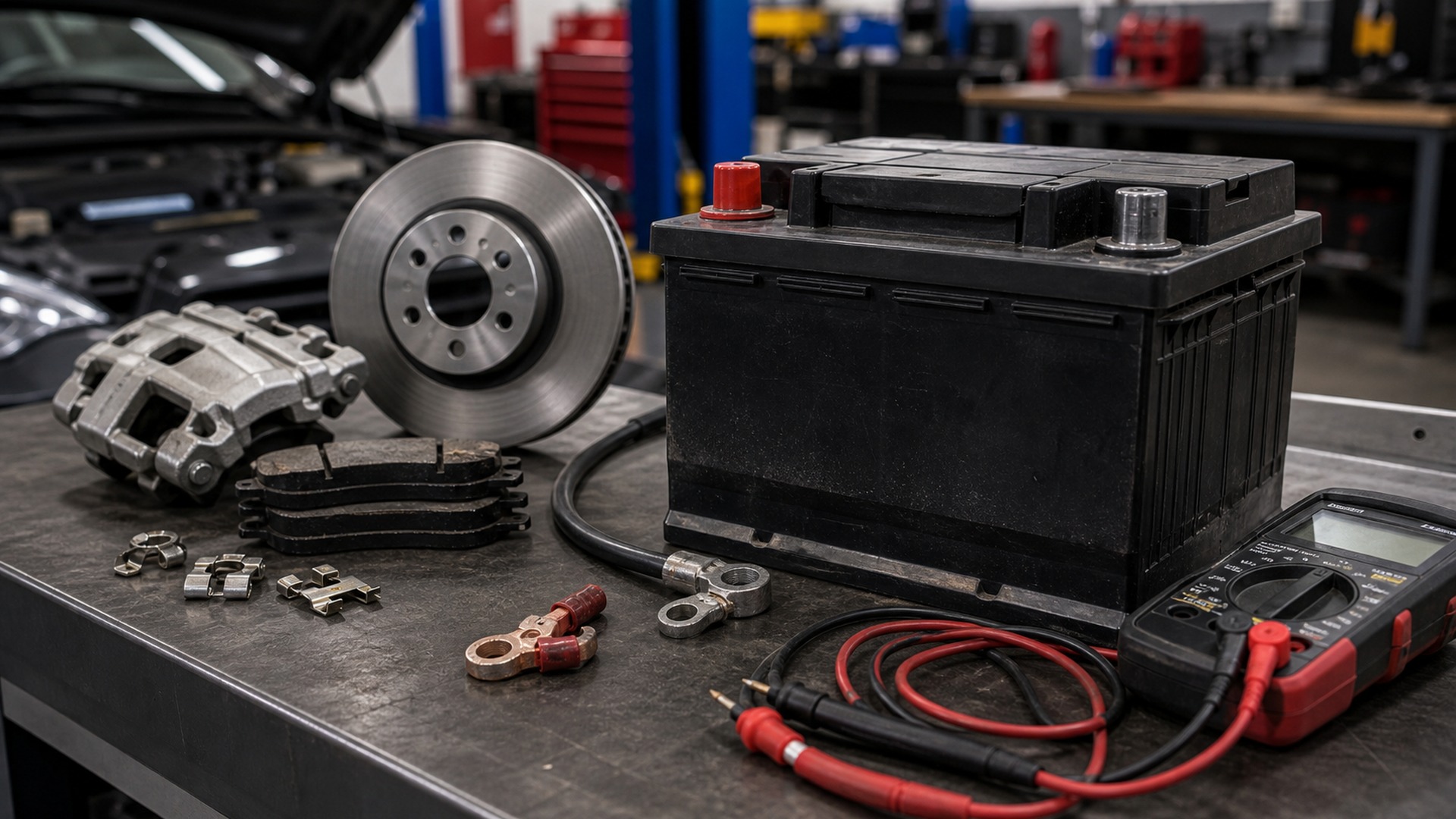
Batteries supply stored electrical energy; brakes remove vehicle motion through friction and controlled regenerative recovery.
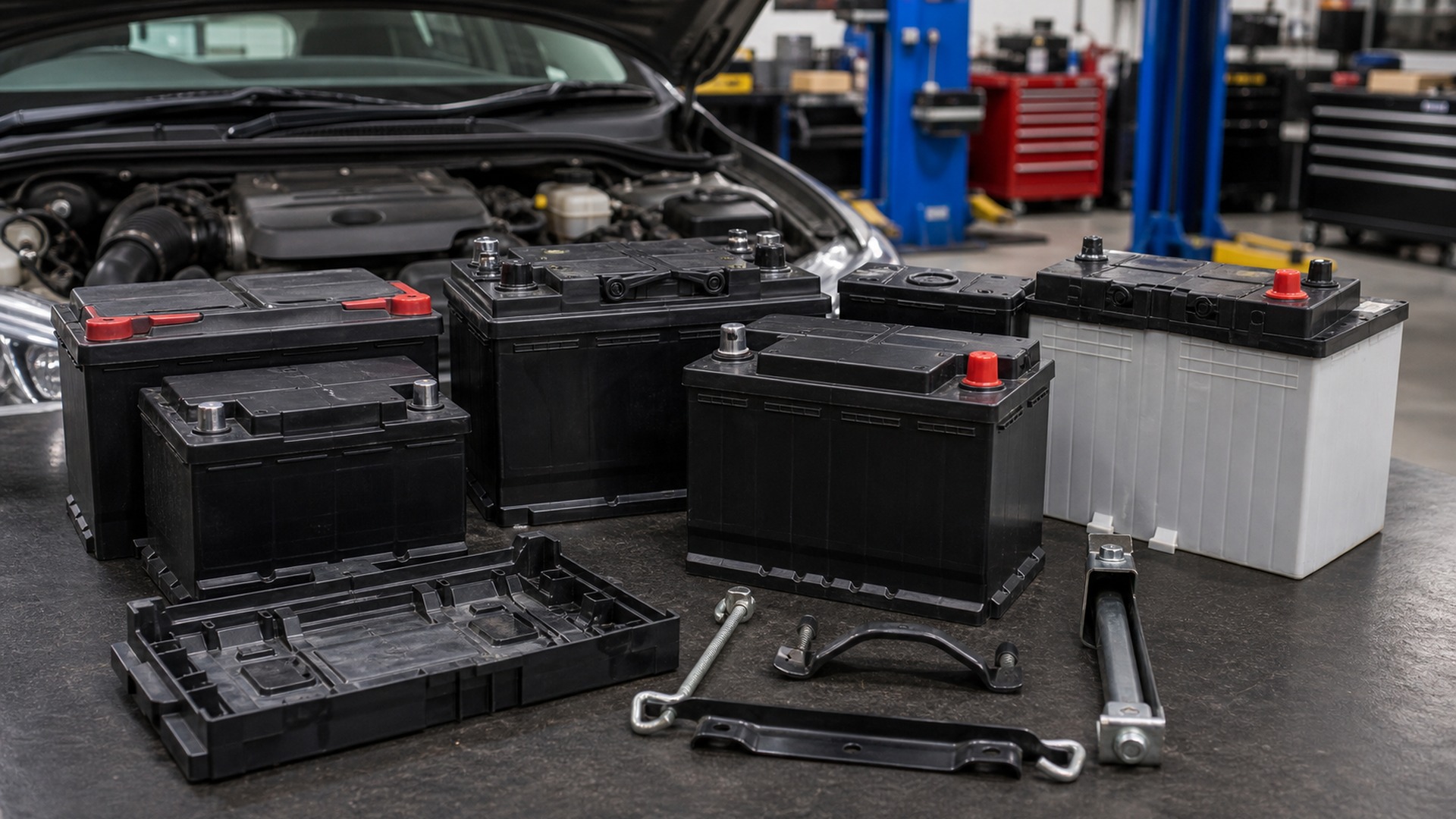
Battery fitment is a complete electrical, mechanical, thermal, and digital match—not a case-size or voltage guess.
Vehicle batteries convert chemical potential into direct current, then accept controlled charging for low-voltage support or high-voltage propulsion.
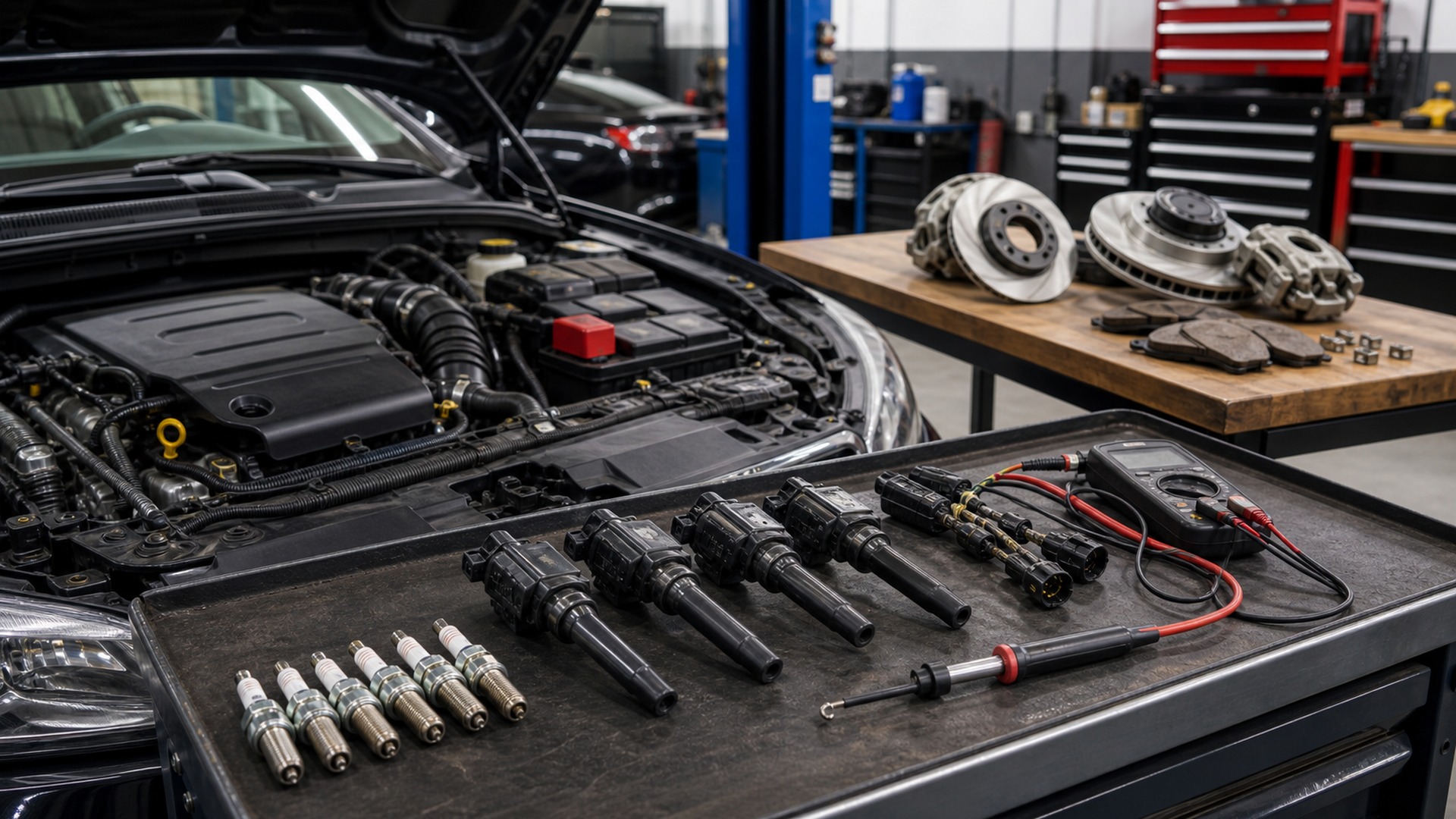
Choose ignition or brake components by the event that changes: combustion and cylinder evidence versus pedal, hydraulic, wheel-friction, and stopping evidence.
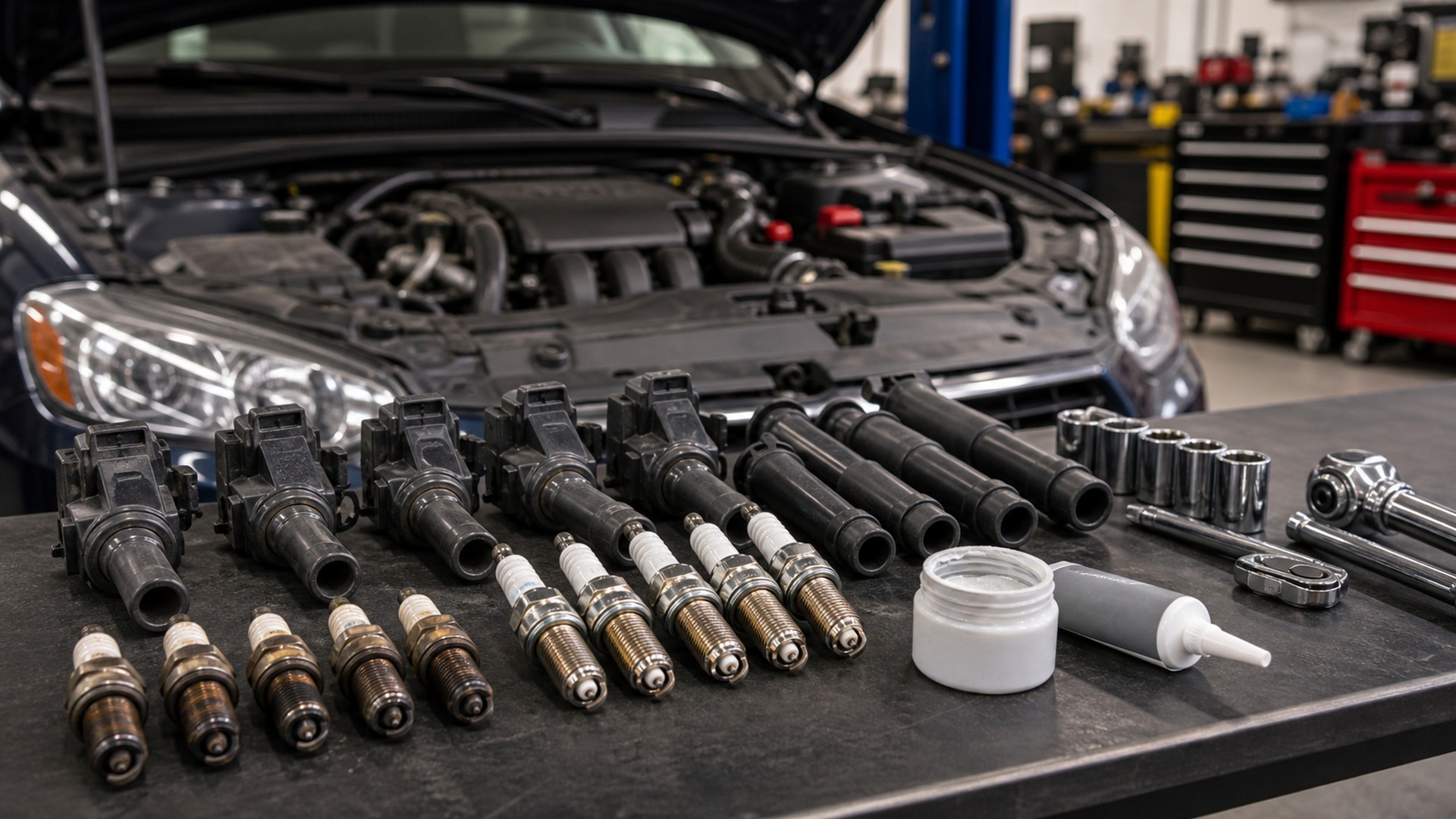
Ignition maintenance preserves firing margin by controlling plug wear, contamination, insulation leakage, contact integrity, and installation quality.
The battery supplies shared low-voltage energy; ignition components meter, transform, time, and discharge that energy to initiate cylinder combustion.
Ignition service combines high voltage, current, fuel, heat, motion, catalyst risk, and fragile engine interfaces that require explicit controls before first crank.
Ignition performance is an energy-and-timing margin across coil charging, voltage containment, gap breakdown, spark duration, flame growth, and combustion phasing.